
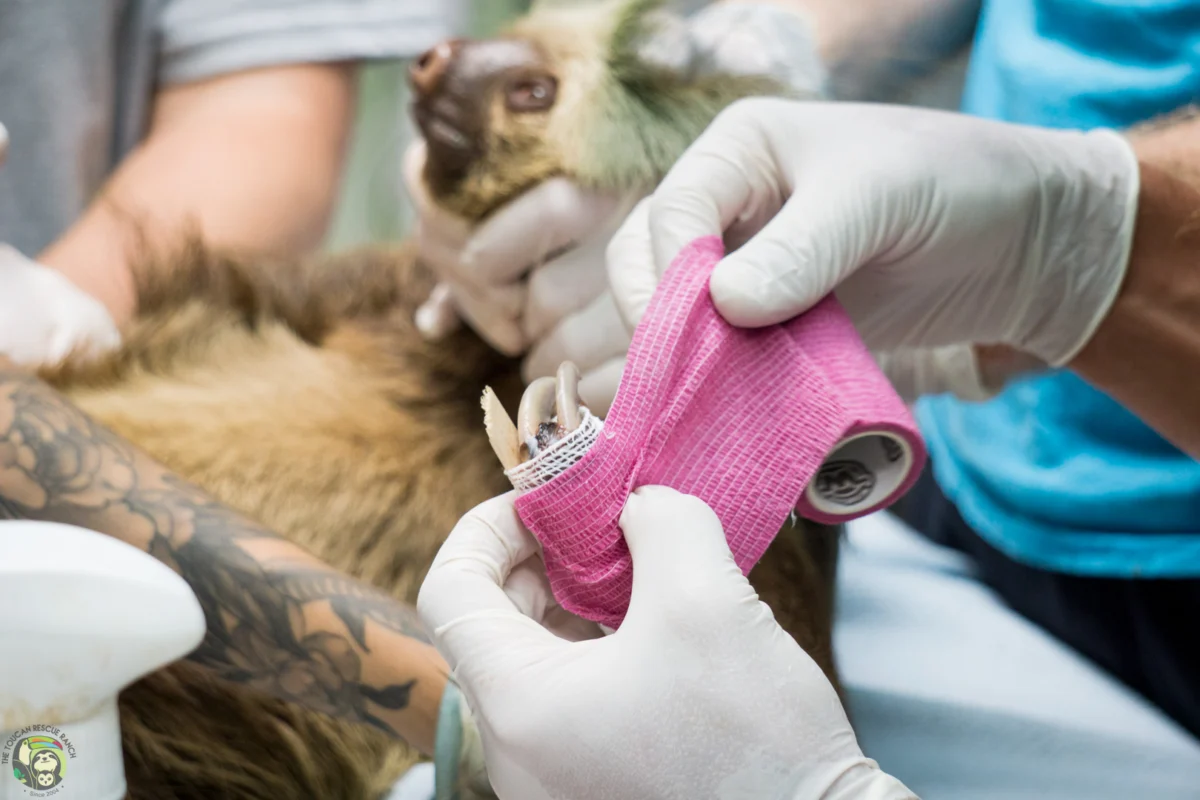
The Toucan Rescue Ranch, a prominent wildlife conservation organization based in Costa Rica, has launched a comprehensive initiative to streamline the procurement of critical medical and operational supplies essential for the rehabilitation of the nation’s diverse fauna. By leveraging international logistics and digital platforms such as Amazon and Cuddly, the foundation aims to mitigate the challenges posed by local infrastructure while inviting global supporters to participate directly in the rescue, rehabilitation, and eventual release of orphaned and injured animals. This initiative underscores a growing trend among non-governmental organizations to utilize decentralized supply chains to bypass regional logistical bottlenecks, ensuring that specialized veterinary tools and nutritional supplements reach the front lines of conservation in a timely manner.
The Mission and Context of Costa Rican Wildlife Rescue
Costa Rica is home to approximately 6% of the world’s biodiversity, a staggering figure given its relatively small landmass. However, this biological wealth faces constant threats from habitat fragmentation, illegal wildlife trafficking, and environmental hazards such as uninsulated power lines. Organizations like the Toucan Rescue Ranch (TRR) serve as a critical safety net for species ranging from the iconic three-toed sloth to the vibrant keel-billed toucan. Since its inception, TRR has evolved from a small rescue center into a sophisticated clinical facility and release site, necessitating a constant influx of specialized equipment that is often unavailable or prohibitively expensive within Central America.
The current drive for physical donations focuses on the core pillars of the organization’s work: clinical care, animal husbandry, and field-based release operations. The veterinary team at TRR manages a high volume of cases involving complex surgeries, long-term physical therapy for sloths, and neonatal care for orphaned wildlife. To maintain high standards of care, the facility requires a steady stream of medical-grade supplies, ranging from specialized milk replacers for infant mammals to advanced diagnostic tools.
Logistical Hurdles and the Strategy for International Transport
One of the primary obstacles facing conservation efforts in Costa Rica is the complexity of the national postal and customs systems. Traditional international shipping to Costa Rica is frequently hampered by significant delays, high import duties, and a lack of reliable door-to-door tracking for standard mail. To address these systemic inefficiencies, TRR has developed a multi-tiered logistical strategy designed to maximize the arrival rate of donated goods.
The organization’s primary recommendation for donors is the "checked luggage" method. This approach leverages the significant number of international interns, volunteers, and eco-tourists who visit the ranch’s facilities and guesthouses. By carrying supplies in their personal luggage, supporters can bypass the postal system entirely, ensuring that items arrive immediately and without the added burden of international shipping fees. This "mule" system has become a cornerstone of TRR’s supply chain, turning every visitor into a vital link in the conservation effort.
For those unable to travel to Costa Rica, the organization has established a domestic collection point in the United States. A member of the TRR Board of Directors, based in Knoxville, Tennessee, manages a warehouse dedicated to storing donated items. This facility acts as a staging ground, where goods can be consolidated and later transported to Costa Rica by traveling staff or volunteers. While this method does not offer the same immediacy as direct transport, it provides a cost-effective alternative for donors within the U.S. who wish to contribute bulky or heavy items that are easier to ship domestically.
For urgent medical needs that cannot wait for a traveler, TRR recommends the use of DHL. Unlike standard postal services, DHL maintains a robust infrastructure within Costa Rica, offering reliable tracking and expedited customs clearance. Although this remains the most expensive option, it is the only recommended method for direct international shipping to ensure that sensitive medical supplies do not become lost in transit.
Digital Integration: Amazon and Cuddly Wish Lists
The integration of digital wish lists has revolutionized the way TRR interacts with its global donor base. By using platforms like Amazon and Cuddly, the organization can provide real-time updates on its most pressing needs. This transparency ensures that donors are not sending redundant items, but rather the exact tools required by the veterinary and field teams at any given moment.
These wish lists are categorized by priority level to guide donor decision-making:
- High Priority Items: These typically include life-saving medical supplies, specialized nutritional formulas for neonates, and critical maintenance tools for animal enclosures.
- Medium Priority Items: These often consist of general veterinary supplies, educational materials for outreach programs, and administrative tools that support the organization’s operational backbone.
- Lower Priority Items: These include enrichment toys for animals in long-term rehabilitation and general office supplies that, while necessary, do not have an immediate impact on animal survival rates.
This data-driven approach to fundraising allows TRR to maintain a lean inventory while ensuring that the highest standards of animal welfare are met. It also provides donors with a sense of direct impact, as they can choose exactly which department—be it the clinic, the release site, or the administrative office—their contribution will support.
The Role of the Release Site and Long-term Rehabilitation
The ultimate goal of the Toucan Rescue Ranch is the successful reintroduction of animals into their natural habitats. This process is significantly more complex than simple medical treatment; it involves a rigorous "rewilding" phase where animals must demonstrate the ability to forage, socialized with their own species, and avoid predators.
The TRR Release Site, located in a more remote area of Costa Rica, provides a controlled environment where rehabilitated animals can transition back to the wild. This facility requires a different set of supplies than the main clinic, including camera traps for monitoring, specialized outdoor enclosures, and field equipment for the biologists who track the animals post-release. Donations directed toward the release site are essential for the "final mile" of conservation, ensuring that the investment made during the clinical phase results in a self-sustaining wild population.
Legal Framework and Tax Implications for Donors
As a dual-registered entity, the Toucan Rescue Ranch offers significant tax advantages for its supporters. In the United States, the organization is a registered 501(c)(3) nonprofit (EIN: 80-0516453), making contributions tax-deductible for U.S. taxpayers. Simultaneously, it is a registered foundation in Costa Rica (#300667701803), ensuring full compliance with local laws and regulations regarding wildlife rescue and non-profit management.
This dual status is crucial for a trans-national conservation model. It allows the organization to bridge the gap between the financial resources available in North America and the urgent biological needs in Central America. For corporate donors and high-net-worth individuals, the ability to receive a tax deduction while supporting international biodiversity is a significant incentive that has helped TRR scale its operations over the last decade.
Broader Impact and Implications for Global Conservation
The model adopted by the Toucan Rescue Ranch reflects a broader shift in global conservation strategies. As climate change and habitat loss accelerate, the burden on wildlife rescue centers continues to grow. Traditional funding models, which often rely solely on cash donations or government grants, are increasingly being supplemented by "micro-logistics" and community-driven supply chains.
The success of TRR’s supply initiative demonstrates that the barrier to entry for international conservation can be lowered through clear communication and innovative logistics. By providing supporters with multiple ways to contribute—from buying a bag of specialized bird food on Amazon to carrying a nebulizer in a suitcase—the organization fosters a deep sense of community and shared responsibility.
Furthermore, this initiative highlights the importance of private-sector partnerships in conservation. The reliance on companies like DHL for reliable transport and Amazon for procurement shows how existing commercial infrastructure can be repurposed for environmental good. As more organizations adopt these methods, the global conservation movement becomes more resilient, less dependent on local infrastructure failings, and more connected to a global network of concerned citizens.
The Toucan Rescue Ranch continues to serve as a beacon for wildlife preservation in Central America. Through its strategic focus on logistics, its use of digital donation platforms, and its commitment to the highest standards of veterinary care, the organization ensures that Costa Rica’s wildlife has a fighting chance in an increasingly challenging world. The ongoing support of the "TRR family"—a global network of donors, volunteers, and experts—remains the lifeblood of this mission, proving that collective action can overcome even the most daunting logistical and environmental hurdles.