
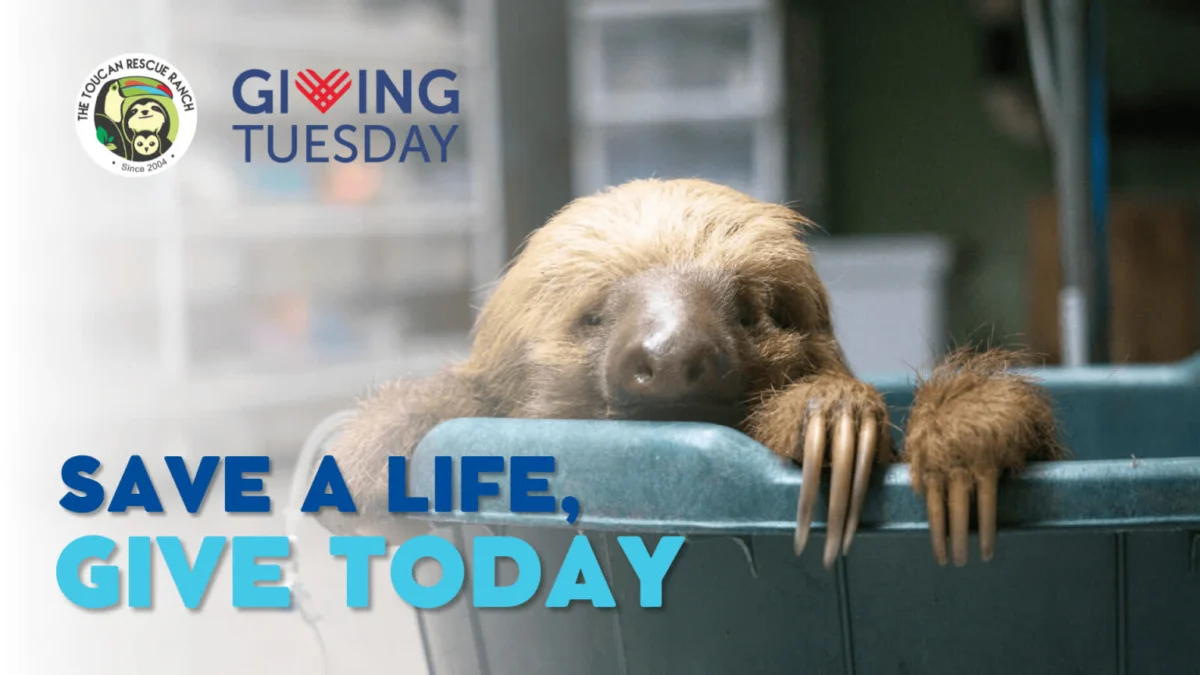
The Toucan Rescue Ranch, a prominent Costa Rican nonprofit organization dedicated to the rescue and rehabilitation of native fauna, has officially launched its annual Giving Tuesday campaign to address an unprecedented influx of injured and orphaned wildlife. Celebrating 20 years of operation, the sanctuary reported that 2024 is on track to be the most demanding year in its history, with the number of emergency intakes already surpassing the total recorded for the entirety of 2023. By July of this year, the organization had already exceeded the 400-animal mark, a figure that represents a significant escalation in human-wildlife conflicts across the region. As part of the global Giving Tuesday movement, the ranch is seeking to raise $8,000 to bolster its medical and rewilding efforts, ensuring that vulnerable species—ranging from iconic toucans and sloths to rare primates—receive the specialized care required for a successful return to the wild.
The Escalating Crisis of Wildlife Displacement in Costa Rica
The current surge in wildlife emergencies is not an isolated phenomenon but rather the culmination of intensifying environmental and anthropogenic pressures. According to data provided by the Toucan Rescue Ranch, approximately 41.8% of the animals currently under their care are orphans. This high percentage of juvenile arrivals highlights a disturbing trend in habitat fragmentation and the loss of breeding adults due to preventable accidents. The ranch identifies three primary catalysts for these emergencies: electrocutions on uninsulated power lines, vehicular strikes, and the persistent illegal pet trade.
Electrocution remains one of the most gruesome and frequent causes of injury for arboreal mammals, particularly sloths and howler monkeys. As urban sprawl encroaches upon tropical forests, wildlife is often forced to use power lines as "aerial bridges" to navigate fragmented landscapes. These encounters frequently result in severe burns, limb loss, or death. For those that survive, the rehabilitation process is grueling, often requiring multiple surgeries and months of intensive therapy. Similarly, as Costa Rica’s road infrastructure expands to accommodate growing tourism and commerce, the incidence of roadkill and debilitating vehicular injuries has risen, placing an immense strain on the ranch’s veterinary resources.
A Two-Decade Legacy of Conservation and Rewilding
Founded two decades ago, the Toucan Rescue Ranch has evolved from a small rescue operation into a sophisticated rehabilitation center and sanctuary. Its mission is built upon four pillars: rescue, rehabilitation, research, and rewilding. The "rewilding" aspect is particularly critical, as it distinguishes the ranch from permanent sanctuaries. The primary objective is to ensure that every animal that enters the facility is equipped with the physical health and natural instincts necessary to thrive independently in its native habitat.
The rewilding process is a multi-stage journey. It begins with emergency stabilization in the ranch’s on-site clinic, followed by a period of convalescence. For orphans, this stage is particularly complex, as human caretakers must provide surrogate care without habituating the animals to human contact—a process known as "wild-parenting." Once an animal is physically fit, it enters a pre-release phase where it is monitored in large, naturalistic enclosures to practice foraging and social behaviors. The final stage involves a "soft release," where the animal is transitioned back into a protected forest environment while being monitored by researchers to ensure a successful integration.
The Financial Mechanics of Giving Tuesday
Giving Tuesday, which emerged in 2012 as a charitable counterpoint to the consumerism of Black Friday and Cyber Monday, has become the most vital fundraising period for the Toucan Rescue Ranch. As a donor-funded nonprofit, the organization receives no government subsidies, relying entirely on the philanthropy of the global community. The current $8,000 goal is specifically earmarked for the escalating costs of specialized nutrition, veterinary supplies, and the maintenance of rewilding enclosures.
The ranch has structured its campaign to demonstrate the direct impact of various donation levels. Contributions of $10 to $25 can cover the daily dietary needs of several birds or small mammals, while larger donations of $50 to $100 contribute to high-cost medical procedures, such as X-rays, orthopedic surgeries, and long-term antibiotic treatments. Because the Toucan Rescue Ranch is a registered nonprofit, donations are tax-deductible for many supporters, providing a fiscal incentive for charitable giving during the year-end period.
Chronology of the 2024 Wildlife Surge
The timeline of the current crisis began in early 2024, when the ranch noted a sharp uptick in seasonal intakes. Traditionally, the "baby season" in Costa Rica—when many species give birth—results in a predictable rise in orphan arrivals. However, the 2024 season was marked by a higher-than-average volume of arrivals, exacerbated by extreme weather patterns that led to habitat instability.
By March 2024, the ranch’s nursery was operating at near-maximum capacity. The facility’s veterinary team reported a higher frequency of complex trauma cases, requiring more man-hours and resources per patient. By the end of the second quarter in June, internal audits revealed that the facility had already handled more cases than the 400 documented in all of 2023. This mid-year milestone served as the catalyst for the current emergency appeal, as the organization realized that its existing budget would be insufficient to sustain the necessary level of care through the remainder of the year.
Official Responses and Inferred Implications
While the Toucan Rescue Ranch operates as an independent entity, its work is closely aligned with the goals of the Costa Rican Ministry of Environment and Energy (MINAE). Conservation officials have long recognized that NGOs like the ranch provide a critical safety net for the country’s biodiversity. The surge in intakes at the ranch reflects broader national challenges regarding the balance between economic development and environmental stewardship.
Biologists and conservationists familiar with the ranch’s work suggest that the record-breaking numbers in 2024 are a "canary in the coal mine" for the state of Costa Rican wildlife. The increasing reliance on rescue centers indicates that natural corridors are becoming increasingly treacherous for native species. Analysts suggest that without significant interventions in urban planning—such as the widespread insulation of power lines and the construction of wildlife overpasses—the burden on rescue organizations will continue to grow exponentially.
Broader Impact and the Future of Biodiversity
The implications of the Toucan Rescue Ranch’s mission extend far beyond the individual animals saved. Every animal successfully rewilded contributes to the genetic diversity and ecological health of Costa Rica’s rainforests. Species like the chestnut-mandibled toucan and the two-toed sloth play vital roles in seed dispersal and the maintenance of the forest canopy. Their loss would have a cascading effect on the ecosystem, potentially leading to a decline in forest regeneration.
Furthermore, the ranch’s commitment to education and research provides valuable data that can inform future conservation policies. By documenting the causes of injury and the success rates of various rehabilitation techniques, the ranch helps create a blueprint for wildlife management in tropical regions worldwide. The Giving Tuesday campaign is, therefore, not just an appeal for immediate aid but an investment in the long-term resilience of one of the most biodiverse regions on the planet.
As the Giving Tuesday deadline approaches, the Toucan Rescue Ranch remains steadfast in its purpose. The organization emphasizes that every animal that crosses its doors provides a renewed sense of purpose: to heal, to rehabilitate, and to return. The "magic" of the ranch, as described by its staff, lies in the moment an animal regains its independence and disappears back into the green expanse of the wild. Through the generosity of global donors, the ranch aims to ensure that this cycle of renewal continues, even in the face of the unprecedented challenges presented by the modern world. Together, the international community has the opportunity to give a voice to the voiceless and ensure that Costa Rica’s natural heritage remains intact for generations to come.