
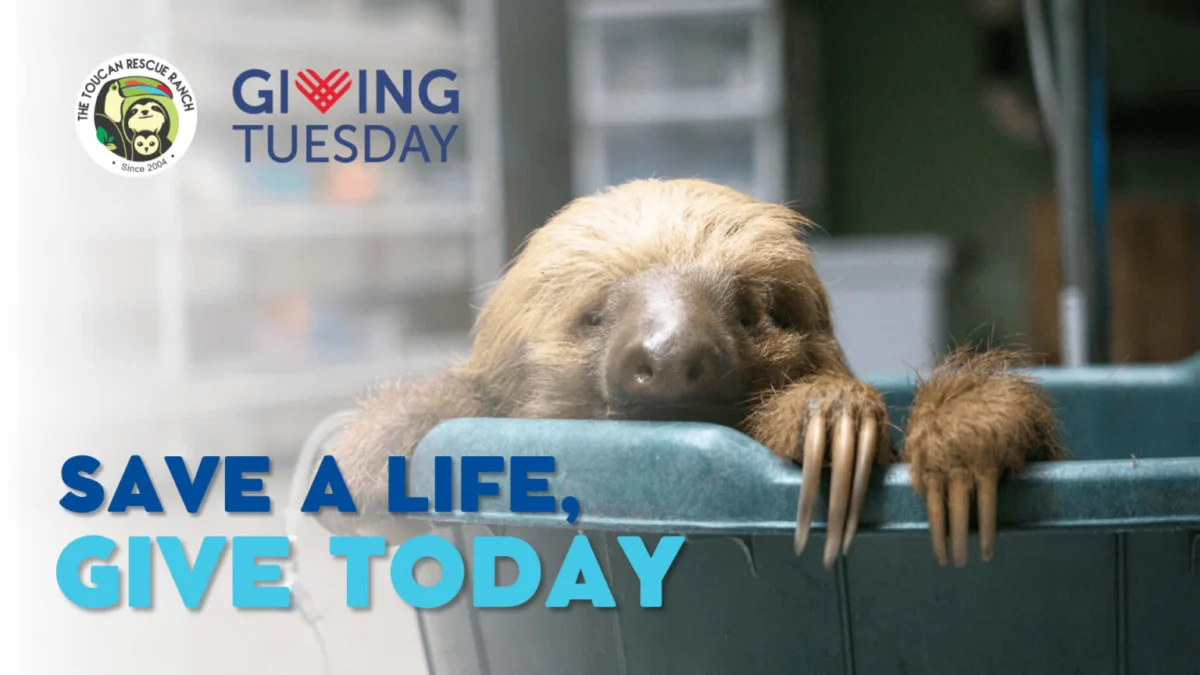
The Toucan Rescue Ranch, a prominent Costa Rican nonprofit dedicated to the rescue, rehabilitation, and release of native fauna, has officially launched its annual Giving Tuesday campaign to address an unprecedented surge in wildlife emergencies that has characterized the 2024 calendar year. As a small, donor-funded organization marking two decades of operation, the ranch is currently facing its highest intake of injured and orphaned animals since its founding in 2004. Internal data reveals that the facility has already surpassed its total 2023 intake—which saw over 400 vulnerable animals—by July of this year, signaling a critical need for expanded resources and community support to maintain its mission of rewilding Costa Rica’s biodiversity.
The Evolution of Wildlife Rescue in Costa Rica
The Toucan Rescue Ranch (TRR) began twenty years ago as a specialized facility focused primarily on the rehabilitation of toucans and other avian species. Over the subsequent two decades, it has evolved into a comprehensive wildlife sanctuary and medical clinic capable of handling a vast array of species, including sloths, owls, monkeys, and wild cats. This evolution was driven by the increasing frequency of human-wildlife conflicts as Costa Rica’s urban and agricultural frontiers continued to expand.
The organization’s mission is structured around three core pillars: rescue, rehabilitation, and rewilding. The rescue phase involves the immediate medical intervention for animals suffering from trauma. Rehabilitation focuses on the long-term recovery and the teaching of survival skills, particularly for orphans. The final and most critical phase, rewilding, ensures that animals regain their independence and are returned to protected habitats where they can contribute to the local ecosystem.
A Critical Surge in Wildlife Emergencies
The 2024 operational year has proven to be a statistical anomaly for the Toucan Rescue Ranch. According to the organization’s mid-year reports, the rate of animal intake has doubled compared to previous years. In 2023, the ranch provided care for approximately 400 animals. By the end of July 2024, that number had already been exceeded, putting the facility on a trajectory to handle nearly 800 cases by the end of the year.
This surge is attributed to a combination of environmental factors and increased human activity. Experts at the ranch note that as natural habitats become fragmented, animals are forced to navigate human-dominated landscapes, leading to a rise in catastrophic encounters. The facility reports that 41.8% of the animals currently under their care are orphans—young creatures whose parents were killed or displaced, leaving them unable to survive without intensive, 24-hour human intervention.
Primary Drivers of Wildlife Injuries
The Toucan Rescue Ranch identifies several recurring themes in the emergencies they treat. These "human-wildlife conflicts" are the primary reason for the facility’s existence and represent the greatest threat to Costa Rica’s native species.
Electrocution on Power Lines
One of the most devastating causes of injury, particularly for arboreal mammals like sloths and monkeys, is the lack of insulated power lines. Animals often use uninsulated electrical wires as "bridges" to cross between fragmented forest canopies. This results in severe burns, limb loss, or immediate death. The medical care for electrocution victims is among the most expensive and time-consuming, often requiring multiple surgeries and months of specialized wound care.
Vehicular Strikes and Road Fragmentation
As Costa Rica’s road infrastructure expands to accommodate tourism and commerce, wildlife-vehicle collisions have become a leading cause of trauma. Animals such as anteaters, porcupines, and various cat species are frequently struck while attempting to cross highways that bisect their natural territories. These cases often involve complex fractures and internal injuries that require advanced diagnostic imaging and orthopedic surgery.
The Illegal Pet Trade and Human Interference
Despite strict environmental laws in Costa Rica, the illegal pet trade remains a persistent issue. The ranch frequently receives animals that have been confiscated by government authorities after being kept in domestic environments. These animals often suffer from malnutrition, metabolic bone disease, and psychological trauma. Furthermore, "well-intentioned" interference by humans—such as picking up baby animals that are not actually abandoned—contributes to the high percentage of orphans requiring care.
The Financial Logistics of Rewilding
Operating a high-volume wildlife clinic is a capital-intensive endeavor. The Toucan Rescue Ranch operates as a donor-funded nonprofit, meaning it receives no significant government subsidies and relies entirely on the generosity of the public and international supporters. The cost of specialized diets, veterinary medicines, surgical equipment, and the maintenance of large-scale pre-release enclosures is substantial.
The current Giving Tuesday campaign has set an initial fundraising target of $8,000. These funds are earmarked for several critical areas:
- Specialized Neonatal Care: Purchasing high-protein milk replacers and incubation equipment for the nearly 42% of the population that are orphans.
- Veterinary Supplies: Replenishing stocks of antibiotics, analgesics, and surgical materials used in daily emergency procedures.
- Enclosure Maintenance: Repairing and expanding the "soft-release" enclosures where animals practice hunting and foraging skills before being returned to the wild.
- Diagnostic Upgrades: Maintaining the clinic’s ability to perform X-rays and blood work on-site, which is vital for rapid triage.
The Rewilding Process: From Clinic to Canopy
Rewilding is the ultimate goal of the Toucan Rescue Ranch, but it is a complex and tiered process. For an animal to be deemed "release-ready," it must meet strict criteria. It must be physically healthy, capable of finding its own food, and possess a healthy fear of humans and predators.
For orphans, this process can take years. Sloths, for example, must stay with the ranch until they are old enough to be independent, undergoing a "Sloth School" program that teaches them which leaves are safe to eat and how to navigate the canopy. Once they graduate, they are moved to a remote release site in the Sarapiquí region, where they undergo a "soft release." This involves living in a large enclosure within the forest to acclimate to the sounds and climate before the doors are finally opened, allowing them to step back into the wild.
Broader Implications for Costa Rican Biodiversity
The work of the Toucan Rescue Ranch extends beyond the individual animals it saves. By rehabilitating and releasing native species, the ranch helps maintain the ecological balance of Costa Rica’s rainforests. Many of the animals treated, such as toucans and monkeys, are primary seed dispersers. Their presence in the wild is essential for forest regeneration and the overall health of the ecosystem.
Furthermore, the ranch serves as a hub for research and education. By documenting the types of injuries and the species affected, the organization provides valuable data to government agencies like SINAC (Sistema Nacional de Áreas de Conservación). This data can be used to identify "hotspots" for electrocutions or roadkills, prompting the installation of wildlife bridges or the insulation of power lines in specific areas.
Institutional Response and Future Outlook
In a statement reflecting on the organization’s 20-year milestone and the current crisis, representatives for the Toucan Rescue Ranch emphasized the resilience required to meet these challenges. They noted that while the number of emergencies has risen alarmingly, the commitment to providing "exceptional care" remains unchanged. The organization views every animal that enters its doors as a "renewed purpose" to heal and protect the voiceless.
"This Giving Tuesday, we need our global community more than ever," the organization stated. "With the highest number of wildlife emergencies in our history, our efforts must double. Every donation, whether $10 or $100, directly impacts the survival of a creature that would otherwise have no chance. Together, we are not just saving animals; we are ensuring that Costa Rica’s wildlife thrives for generations to come."
As Giving Tuesday approaches, the Toucan Rescue Ranch continues to operate 24/7, serving as a safe haven for the country’s most vulnerable inhabitants. The success of this year’s campaign will determine the facility’s capacity to handle the projected influx of patients through the end of 2024 and into the new year. For a nation that prides itself on environmental stewardship, the work of TRR remains a vital component of the country’s conservation infrastructure, bridging the gap between human development and the survival of the natural world.