
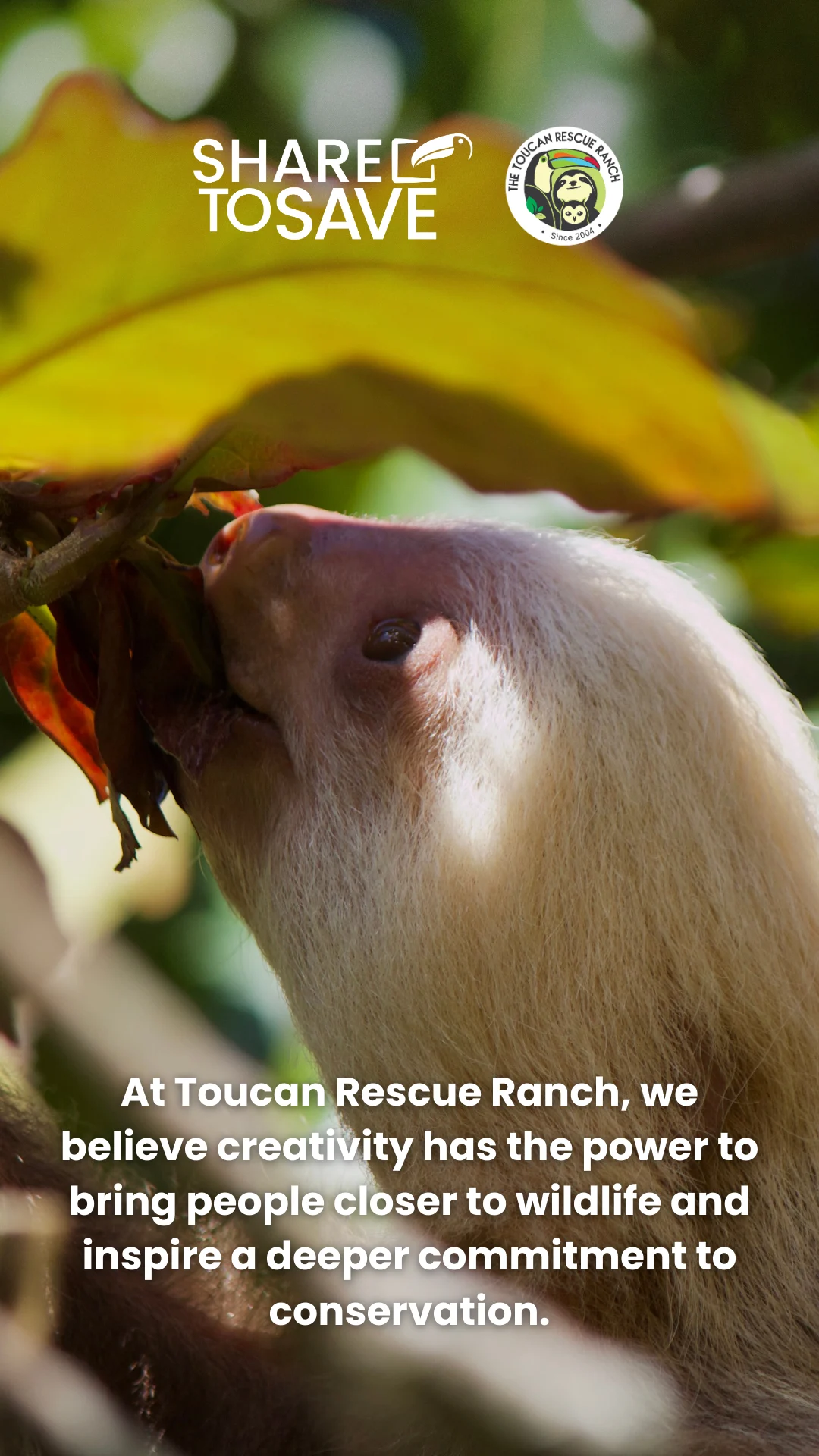
The Toucan Rescue Ranch, a prominent wildlife rescue and rehabilitation center based in Costa Rica, has officially announced the rebranding of its long-standing creative fundraising campaign to Share to Save. This transition marks the fifth anniversary of an initiative that originally began as a series of fragmented social media campaigns, including #TRRShareYourShot, #CallForArtists, and #TunesForToucans. The new unified identity, Share to Save, is designed to better reflect the core mission of the organization: leveraging global creative talent to provide injured, orphaned, and displaced wildlife with a documented second chance at life in the wild. Under the 2026 theme, Creatives for Conservation, the initiative invites photographers, digital illustrators, and traditional artists from around the world to submit works that highlight the intrinsic beauty of biodiversity and the urgent necessity of ecological protection.
The Evolution of Creative Philanthropy at Toucan Rescue Ranch
The genesis of the Share to Save program can be traced back five years to a grassroots effort to engage the public through visual storytelling. Initially, the organization utilized specific hashtags to categorize different types of submissions—photography was handled through #TRRShareYourShot, while musicians and visual artists used other designations. As the volume of submissions grew and the international profile of the Toucan Rescue Ranch (TRR) expanded, leadership recognized the need for a more cohesive brand that emphasized the direct link between digital engagement and tangible conservation outcomes.
The rebranding to Share to Save centralizes these efforts into a single, multidisciplinary platform. The initiative operates on a "creative-to-conservation" pipeline where art serves as the primary vehicle for both education and financial support. By inviting global participants to share their work, TRR fosters an international community of "artivists"—individuals who use their creative skills to advocate for environmental causes. This year’s specific focus, Creatives for Conservation, seeks to bridge the gap between aesthetic appreciation of nature and the scientific reality of its preservation.
Financial Realities and the Absence of Government Subsidies
The urgency behind the Share to Save initiative is underscored by the significant financial challenges facing wildlife rescue operations in Central America. Toucan Rescue Ranch reports that it receives more than 500 animals annually. These patients arrive with a variety of traumas, ranging from electrocutions on uninsulated power lines and domestic animal attacks to injuries sustained from vehicle collisions or the illegal pet trade.
The operational costs to maintain the Rescue Center, the Sanctuary, and the dedicated Release Site exceed $50,000 per month, totaling more than $600,000 annually. These funds are allocated to specialized veterinary equipment, high-protein nutritional requirements for various species, the maintenance of secure rehabilitation enclosures, and the logistical costs associated with rewilding animals.
A critical factor often misunderstood by the public is the funding structure of such institutions. Despite Costa Rica’s international reputation as a leader in environmental policy and "green" tourism, wildlife rescue centers within the country do not receive direct government funding. These facilities are mandated to follow strict government regulations regarding animal care and release protocols but must rely entirely on private donations, corporate sponsorships, and creative fundraising initiatives like Share to Save to remain operational. Consequently, the success of these public-facing campaigns is not merely a marketing goal but a requirement for the survival of the hundreds of animals currently under the ranch’s care.
The 2026 Submission Process and Global Gallery Exhibition
The Share to Save initiative is structured to be inclusive of artists regardless of their geographic location. The 2026 call for entries encompasses photography, digital design, and traditional visual arts. Selected pieces from the global submission pool will be featured in a live gallery exhibition held within Costa Rica. This exhibition serves a dual purpose: it showcases the work of international artists to a local audience of conservationists and tourists, and it reinforces the narrative of wildlife protection through a physical medium.
To ensure environmental sustainability and ease of participation, all exhibition pieces are printed locally in Costa Rica. This model allows artists to participate without the carbon footprint or logistical expense of international shipping. Crucially, the Toucan Rescue Ranch maintains a policy where artists retain full ownership of their intellectual property, granting the organization only the rights necessary for the contest and exhibition. This respectful approach toward the creative community has been cited as a primary reason for the high quality of submissions received in previous years.
The Democratic Donation Model: One Dollar, One Vote
The Share to Save program utilizes a "gamified" donation model to drive engagement and fundraising. Rather than relying solely on a traditional jury, the initiative allows the general public to act as curators and supporters. The voting mechanism is tied directly to the fundraising goal: a one-dollar donation constitutes one vote. Supporters are encouraged to vote for multiple pieces, with no upper limit on the number of votes an individual can cast.
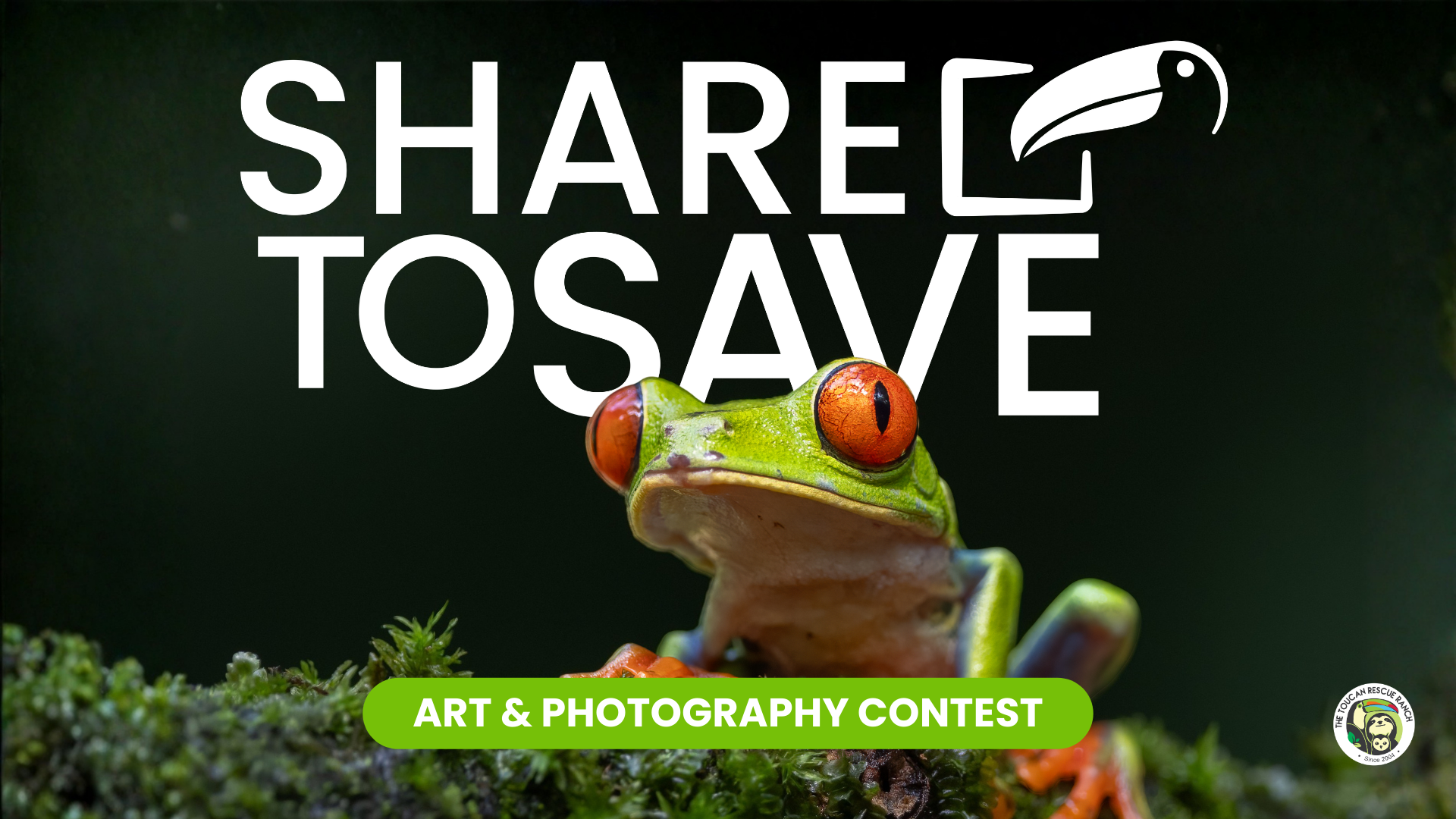
This model serves several strategic functions. First, it lowers the barrier to entry for small-scale donors, allowing individuals to contribute meaningfully for the price of a single vote. Second, it encourages artists to share their entries with their own social networks, effectively turning every participant into a volunteer fundraiser for the ranch. All contributions made through the Share to Save Art and Photography Contest are tax-deductible, providing an additional incentive for donors in jurisdictions that recognize international conservation contributions.
Case Studies in Conservation: 2026 Featured Participants
The current pool of submissions for the 2026 cycle demonstrates the diverse range of species and ecological narratives that the program seeks to highlight. Each piece is accompanied by an artist’s statement that links the visual work to a specific conservation message or personal encounter with the wild.
One notable submission, titled Coexist by artist Cibele Manfredini, focuses on the psychological connection between knowledge and protection, operating under the mantra that "the more we know, the more we love." Similarly, Francesca Larrain’s piece, Manta, focuses on marine conservation, an area often overshadowed by terrestrial wildlife in Central American narratives.
The photography category includes high-impact shots such as Unexpected Visitor by Felix Hinsch, which captures a healthy sloth in a wild setting, and Breathe by Tom Halligan. Halligan’s work depicts a spotted dolphin breaking the surface of the Pacific Ocean off the coast of the Guanacaste Province. His statement emphasizes the importance of presence and the appreciation of nature’s fleeting moments, a sentiment that aligns with TRR’s goal of fostering a deeper emotional connection between humans and the environment.
Several entries also focus on the "human-made" solutions to conservation challenges. Katia Hougaard’s work, Protecting The Future of Sloths, illustrates the use of wildlife bridges—rope crossings installed over busy roads to prevent sloths and monkeys from descending to the ground or touching high-voltage wires. Her piece depicts a mother three-toed sloth teaching her offspring how to navigate these artificial lifelines, highlighting the intersection of human engineering and animal behavior.
Rewilding and the "Second Chance" Philosophy
A significant portion of the funds raised through Share to Save is directed toward the "Rewilding" program. Unlike a zoo, the primary objective of the Toucan Rescue Ranch is the eventual release of its residents. The journey from rescue to release is often long and complex. For example, orphaned sloths like "Bonnie," who is featured in Michaela Schwenk’s submission Becoming Wild, must undergo years of training.
Orphaned animals do not have mothers to teach them which leaves are safe to eat, how to avoid predators, or how to navigate the canopy. The ranch’s staff must act as surrogate parents, providing "soft releases" where animals are monitored in controlled wild environments before they are granted full independence. The cost of this long-term monitoring is substantial, requiring GPS tracking equipment and dedicated field biologists. The Share to Save initiative provides the "operational oxygen" necessary to maintain these high-intensity programs.
Broader Implications for Biodiversity and the Global Community
The rebranding of Share to Save comes at a pivotal time for global biodiversity. As habitat loss and climate change continue to pressure wildlife populations in the tropics, the role of private rescue centers has become increasingly critical. These centers often serve as the "emergency rooms" for ecosystems, treating the individual animals that represent the health of the larger population.
The success of the Share to Save model suggests a shift in how non-governmental organizations (NGOs) can interact with the public. By moving away from "guilt-based" fundraising and toward "creativity-based" engagement, TRR has created a sustainable ecosystem of support. The program demonstrates that art is not merely a luxury or a decoration but a vital tool for communication that can translate complex ecological needs into a language that moves people to action.
As the 2026 contest continues, the Toucan Rescue Ranch expects to see a continued surge in international participation. The initiative stands as a testament to the idea that while the threats to wildlife are local, the community of people willing to protect them is global. Through the simple act of sharing an image or donating a single dollar to vote, participants are directly contributing to the medical care, nutrition, and eventual freedom of Costa Rica’s most iconic species. The final exhibition in Costa Rica will not just be a display of artistic talent, but a gallery of survivors—each piece of art representing a life that was given a second chance through the collective effort of a global audience.