
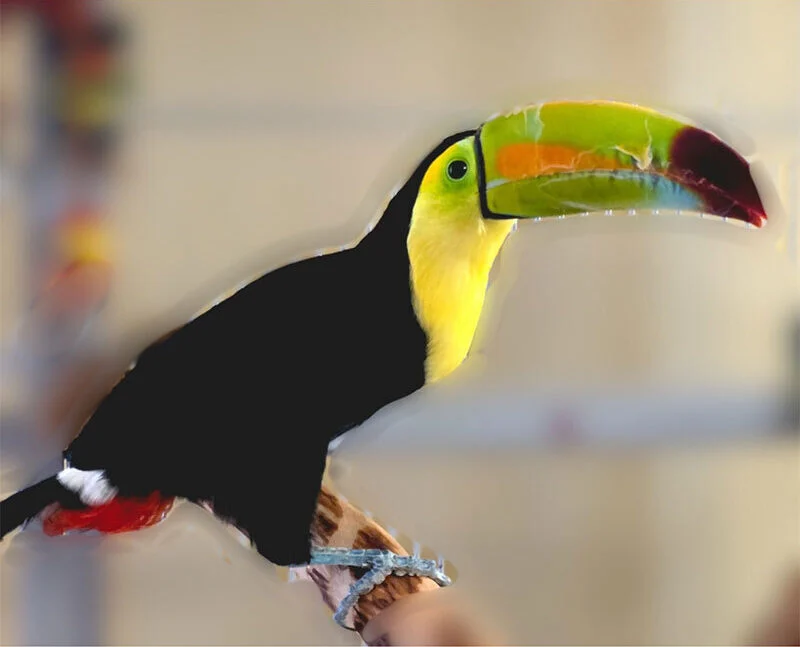
The saga of Toucan Sam, a vibrant toucan who captivated and concerned the Las Vegas community for months, has finally reached a hopeful chapter with his safe return to avian care. The exotic bird, known for his striking plumage and impressive beak, embarked on an unexpected adventure in November 2025, escaping his enclosure and embarking on a remarkable journey across the sprawling desert metropolis. His months of freedom, while a testament to his resilience, also posed significant risks to his well-being, prompting a dedicated effort by wildlife rescue organizations to ensure his eventual safety.
A Dash for Freedom: The Initial Escape and Early Days
The initial details surrounding Toucan Sam’s escape remain somewhat vague, a common characteristic of such unexpected avian departures. However, it is understood that he vanished from his Las Vegas-area home in November 2025. This timing coincided with the onset of cooler weather, a critical factor given the toucan’s tropical origins. Native to the rainforests of Central and South America, toucans are adapted to warm, humid environments and are particularly vulnerable to prolonged exposure to cold temperatures. The stark temperature fluctuations of the Nevada desert, with potentially frigid nights, presented a significant threat to Sam’s survival.
For weeks and then months, Toucan Sam became a fleeting yet persistent presence in the Las Vegas landscape. Sightings were reported across various neighborhoods, transforming him from a missing pet into a local curiosity and a concern for animal welfare advocates. The Southwest Exotic Avian Rescue (SWEAR), a prominent organization dedicated to the welfare of exotic birds in the region, took a leading role in monitoring Sam’s movements. Their team, along with other concerned citizens and organizations, kept a watchful eye, documenting his progress through photographs and sharing updates within the community.
The Perilous Journey: Navigating the Urban Jungle
Toucan Sam’s extended period in the wild presented a multitude of challenges. His diet, which in captivity typically consists of a carefully curated mix of fruits, insects, and specialized bird food, would have been difficult to replicate in the urban and desert environments he traversed. Access to safe, appropriate food sources would have been a constant struggle, potentially leading to malnutrition or the ingestion of harmful substances. Furthermore, his large, distinctive beak, while a magnificent feature, could also make him a target for predators or cause accidental injury if he encountered unfamiliar obstacles.
The concern for his well-being escalated as the winter months deepened. While the winter of 2025-2026 in Las Vegas proved to be unusually mild, offering Sam a reprieve from the harshest cold, the risk of hypothermia remained a significant worry for SWEAR. Their monitoring efforts were not just about observation; they were about assessing his condition and planning for a safe retrieval. The organization understood the delicate balance required to capture a wild, potentially stressed exotic bird without causing further harm.
A Stroke of Luck: The Garage Discovery and Capture
The turning point in Toucan Sam’s airborne adventure came on February 26, 2026. In what appears to have been a moment of seeking shelter or perhaps foraging for sustenance, Sam flew into the garage of a Las Vegas homeowner. Alert and aware of the ongoing search for the missing toucan, the couple who discovered him acted swiftly. They secured the garage door, effectively containing Sam and preventing another escape. This fortunate encounter provided the critical opportunity for his rescue.
Upon receiving the call, the SWEAR team responded with urgency and expertise. Their protocols for capturing exotic birds are designed to minimize stress and ensure the safety of both the animal and the rescuers. The successful capture marked the end of Sam’s months-long odyssey and the beginning of his journey back to health and security.
Under Care: Quarantine and Health Assessments
Following his capture, Toucan Sam was transported to the SWEAR facility, where he immediately entered a mandatory quarantine period. This crucial phase, typically lasting between 30 and 45 days, is standard practice for any rescued animal, particularly those who have been in the wild for an extended period. The primary objective of quarantine is to monitor for any signs of illness or disease that Sam may have contracted during his time roaming freely.
Given his exposure to various environments and potential contact with other wildlife, veterinarians at SWEAR are meticulously observing him for any indicators of diseases, including the highly contagious avian influenza, often referred to as bird flu. The rescue team’s biggest concern stems from the unknown factors of his diet and water consumption in the wild. Blood samples have been drawn and are being analyzed to assess his overall health status and identify any underlying medical conditions.
Physical Toll of Freedom: Beak and Feather Injuries
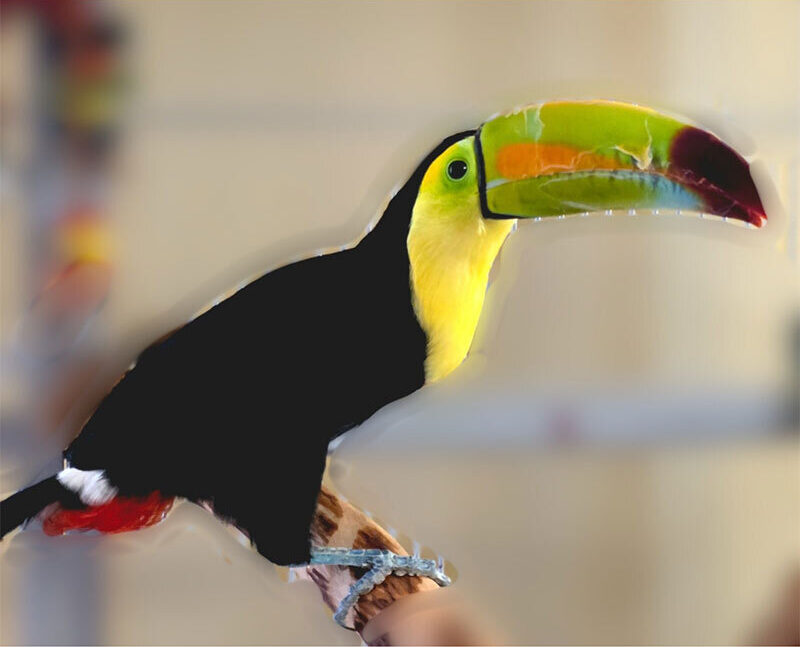
While Toucan Sam appears to have navigated his perilous journey with remarkable resilience, his time in the wild has left its mark. SWEAR has reported that he sustained a chip to the tip of his long beak and lost a small patch of feathers. These injuries, while not immediately life-threatening, require careful attention and monitoring as he recovers. The veterinary team is committed to providing him with the best possible care to ensure these wounds heal properly and do not lead to long-term complications. The focus remains on restoring his physical well-being and ensuring he can live a healthy and comfortable life.
The Unclaimed Wanderer: Awaiting His Future
A poignant aspect of Toucan Sam’s story is that his original owners have yet to come forward to reclaim him. This raises questions about his previous living situation and the circumstances of his escape. SWEAR remains hopeful that his owners will eventually be located and reunited with him. However, in the interim, Sam will continue his recovery and rehabilitation at the facility. Once his quarantine period is successfully completed and he is deemed healthy enough, he will be integrated with other birds at SWEAR, allowing him to socialize and adapt to a safe and nurturing environment.
Broader Implications: The Exotic Pet Trade and Wildlife Welfare
The case of Toucan Sam highlights several important considerations regarding the keeping of exotic pets. Toucans, with their striking appearances and unique behaviors, can be alluring additions to a household. However, as the article initially points out, they are not domesticated animals and possess specific needs that can be challenging to meet. Their specialized diets, large beaks that require careful management, and potential for aggression necessitate a high level of commitment, knowledge, and resources from their owners.
The extended period Sam spent in the wild underscores the inherent risks associated with exotic pets escaping their enclosures. Such escapes not only endanger the animal itself but can also pose potential risks to native wildlife through disease transmission or competition for resources. Organizations like SWEAR play a vital role in mitigating these risks by providing rescue, rehabilitation, and rehoming services for exotic animals that have been abandoned, confiscated, or have escaped.
The incident also serves as a reminder of the importance of responsible pet ownership, including secure enclosures, proper training, and a thorough understanding of the animal’s needs and potential challenges. The ongoing efforts to care for Toucan Sam and the hope for his eventual reunion with his owners, or placement in a suitable new home, represent a testament to the dedication of animal welfare organizations and the compassion of the community. As Toucan Sam continues his journey towards recovery, his story offers a valuable lesson about the complexities of exotic pet ownership and the unwavering commitment required to ensure the welfare of these magnificent creatures.