
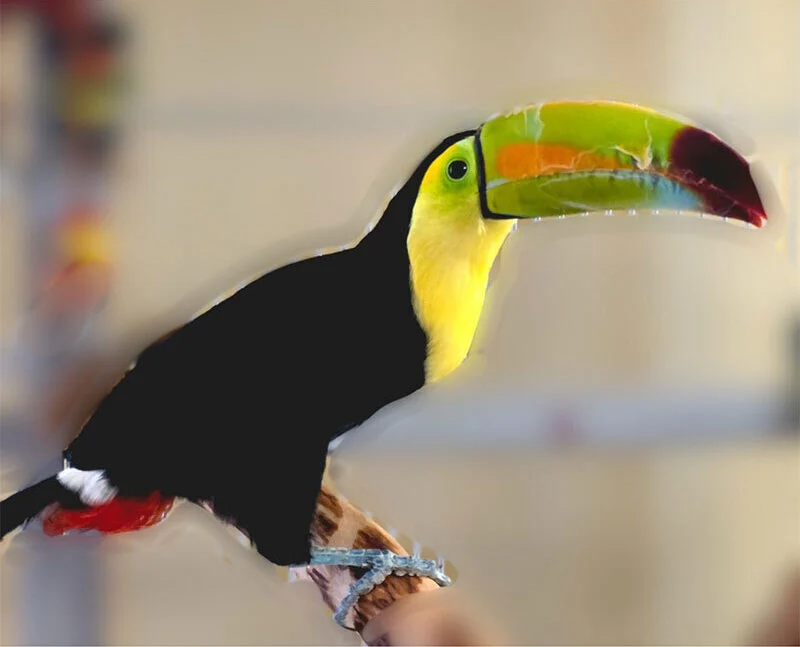
A toucan, known affectionately as Toucan Sam, has concluded an extraordinary and perilous months-long adventure across the Las Vegas metropolitan area. Having escaped his enclosure in November 2025, the exotic bird navigated the challenges of an unfamiliar desert environment, raising concerns among animal welfare organizations and local residents alike. His dramatic recovery on February 26, 2026, marks the end of a period of intense observation and concern, and the beginning of his journey toward rehabilitation under the care of the Southwest Exotic Avian Rescue (SWEAR). This incident highlights the complexities of exotic pet ownership and the dedication of rescue organizations in safeguarding vulnerable wildlife.
The Unfolding Saga of a Wayward Toucan
Toucan Sam’s escape in November 2025 initiated a prolonged period of uncertainty. The striking appearance of the toucan, with its iconic large beak, made him a recognizable figure as he traversed the sprawling Las Vegas landscape. For months, he was sighted in various locations, becoming a topic of local discussion and a subject of concern for those aware of his species’ specific needs. Organizations like SWEAR played a crucial role, diligently tracking his movements and documenting his journey through photographic evidence.
The primary concern for Toucan Sam’s well-being revolved around the inherent vulnerabilities of toucans to environmental conditions. Native to tropical and subtropical regions, these birds are accustomed to warm, humid climates. The Las Vegas desert, while known for its heat, experiences significant temperature drops, particularly at night, posing a substantial risk of hypothermia for an animal ill-equipped to handle such extremes. The prolonged duration of his time in the wild amplified these fears, as experts worried about his ability to find adequate food sources, avoid predators, and cope with the fluctuating desert temperatures.
A Fortuitous Mild Winter
The survival of Toucan Sam throughout the winter months can be significantly attributed to an unusually mild weather pattern experienced in Las Vegas and its surrounding areas during the 2025-2026 season. Typically, this region can experience harsh winter conditions, including frost and freezing temperatures, which would have presented an immediate and severe threat to a tropical bird. The milder than average temperatures provided a crucial buffer, allowing Toucan Sam to endure the season without succumbing to the cold. This environmental factor was, without a doubt, instrumental in prolonging his survival and enabling his eventual rescue.
The Climax of the Escape: A Garage Discovery
The protracted chapter of Toucan Sam’s freedom came to an unexpected close on February 26, 2026. Driven by the instinctual need for sustenance, the toucan reportedly sought refuge and potential food sources within a residential garage. Alert homeowners, who were aware of the ongoing sightings of the exotic bird in their neighborhood, discovered him inside. Acting swiftly and responsibly, they secured the garage to prevent his further escape, thus creating an opportunity for his safe retrieval.
Upon receiving notification, SWEAR personnel responded with immediate dispatch. Their expertise in handling exotic birds was critical in the safe apprehension of Toucan Sam, bringing an end to his precarious journey through the urban and natural fringes of Las Vegas. The successful capture marked a significant milestone, shifting the focus from tracking and observation to immediate care and rehabilitation.
Immediate Care and Veterinary Assessment
Following his capture, Toucan Sam was transported to the SWEAR facility, where he was placed under immediate veterinary care. A comprehensive assessment was conducted to evaluate his physical condition and to draw necessary biological samples. This included bloodwork, which is a standard procedure for rescued animals, particularly those that have been in the wild for an extended period.
The Crucial Quarantine Period
Toucan Sam is currently undergoing a mandatory quarantine period, expected to last between 30 to 45 days. This critical phase is designed to monitor for any potential diseases or health issues he may have contracted during his time in the wild. Exposure to various environmental elements, including contaminated food and water sources, or contact with local wildlife, could have exposed him to pathogens. Of particular concern is the potential for avian influenza, commonly known as bird flu, a highly contagious and often fatal disease in birds. The quarantine allows veterinarians to closely observe him for any signs of illness, ensuring that he does not pose a risk to other animals at the facility and that his treatment can be initiated promptly if needed. This period is vital for ensuring the overall health and safety of the rescue population.
Physical Scars of Freedom
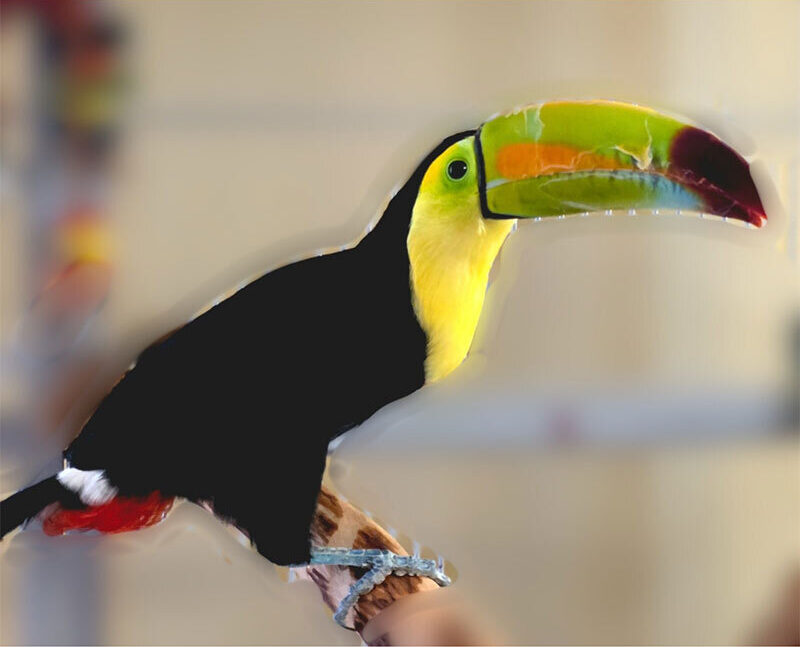
Despite his eventual safe recovery, Toucan Sam’s extended period in the wild has left him with visible physical marks. The tip of his distinctive beak sustained a chip, a common injury for birds that are not accustomed to foraging in an environment with unfamiliar obstacles and food sources. Additionally, he lost a small patch of feathers, likely due to stress, injury, or environmental exposure. These injuries, while not immediately life-threatening, are being addressed by the dedicated staff at SWEAR as part of his comprehensive rehabilitation plan. The organization is committed to providing him with the best possible care to ensure he can lead a healthy and fulfilling life, despite the challenges he has overcome.
The Unanswered Question of Ownership
As Toucan Sam continues his recovery, a significant aspect of his situation remains unresolved: the identity and whereabouts of his original owners. While it is hoped that they will come forward to reclaim their pet, their absence thus far raises questions about the circumstances of his escape and their ability to provide appropriate care. Exotic bird ownership comes with significant responsibilities, including secure enclosures and specialized knowledge of their dietary and environmental needs. The legal framework surrounding exotic pet ownership varies by jurisdiction, and authorities often investigate such cases to ensure animal welfare standards are met.
If the owners do not come forward, SWEAR will likely explore options for permanent placement. This could involve finding a suitable, experienced adopter or continuing to care for Toucan Sam at their facility. The process of rehoming exotic birds often involves rigorous screening to ensure that potential new owners possess the necessary resources, knowledge, and commitment to provide a lifelong home.
Broader Implications and Expert Perspectives
The case of Toucan Sam underscores several important considerations regarding the keeping of exotic birds as pets. Toucans, with their specialized dietary needs – often involving a fruit-heavy diet and requiring specific supplements to prevent conditions like hypocalcemia – and their potential for aggression, are not suited for every household. Their large beaks, while visually striking, require careful management and can be prone to injury if not properly maintained or if the bird experiences stress.
Dr. Emily Carter, an avian veterinarian specializing in exotic species (hypothetical expert for illustrative purposes), notes, "The challenges associated with keeping toucans are considerable. They require large, specialized enclosures, a meticulously balanced diet, and owners who understand their complex social and behavioral needs. Escapes like Toucan Sam’s, while rare, highlight the importance of secure housing and the potential dangers exotic pets can face when they are not properly contained or when their owners lack the necessary expertise."
The incident also brings attention to the vital role of avian rescue organizations. SWEAR, like many such groups, operates on donations and relies heavily on the dedication of volunteers. Their ability to respond to situations like Toucan Sam’s escape, provide immediate care, and manage long-term rehabilitation is crucial for the welfare of abandoned, surrendered, or confiscated exotic animals. Funding for these organizations is often a persistent challenge, yet their work is indispensable in mitigating the negative consequences of irresponsible pet ownership and providing a lifeline for animals in distress.
A Glimmer of Hope for the Future
As Toucan Sam navigates his quarantine and recovery, the focus remains on his well-being. The journey he has undertaken, from a seemingly secure domestic environment to a prolonged period of survival in the wild, is a testament to his resilience. The successful rescue and ongoing care provided by SWEAR offer a hopeful conclusion to a dramatic episode. The ultimate outcome for Toucan Sam will depend on the resolution of his ownership status and the continued dedication of the rescue team. Regardless of the path ahead, his story serves as a compelling reminder of the complexities and responsibilities inherent in keeping exotic animals and the critical importance of dedicated rescue efforts. The Las Vegas community, having followed his adventure, will undoubtedly be watching with anticipation for his full recovery and his eventual transition into a safe and stable environment.