
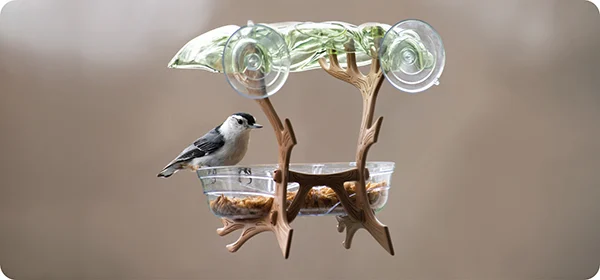
October’s arrival brings a distinct chill to the air and a festive spirit that often culminates in the playful tradition of "Trick or Treat." However, for enthusiasts of the avian world, this season offers a unique opportunity to reframe the concept, transforming it from a human-centric indulgence into a delightful engagement with backyard birds. Wild Birds Unlimited (WBU), a leading franchise system dedicated to backyard bird feeding and nature education, proposes a compelling perspective: "Trick or Treat is for the Birds!" This approach centers on providing beneficial "tricks" and delectable "treats" that can significantly enhance the well-being and visiting habits of feathered friends.
Enticing Avian Visitors: The Art of the "Trick"
The notion of a "trick" in the context of bird feeding is not about deception, but rather about employing thoughtful strategies to make a backyard more appealing to a diverse range of bird species. WBU emphasizes that mimicking natural attractants can be highly effective. One of the most powerful lures for birds is the sound of moving water. Incorporating a water feature, such as a bird bath with a circulating pump or a dripper, can act as a significant magnet. Birds are drawn to the sound, often investigating the water source, which can subsequently lead them to discover nearby feeders. This natural inclination towards water sources is well-documented in ornithological studies, which highlight the critical role of hydration and bathing for avian health and survival, particularly as temperatures begin to fluctuate.
Another effective "trick" involves the introduction of new feeders and food types. Birds can be cautious and take time to recognize and trust novel feeding stations or food offerings. To accelerate this discovery process, WBU suggests a simple yet effective technique: scattering a small amount of the new seeds on top of, or beneath, the feeder. Birds primarily rely on visual cues to locate food. By presenting the food visibly in these initial stages, it becomes easier for them to identify and associate the feeder with a reliable food source, thereby speeding up their adoption of the new amenity. This method capitalizes on birds’ innate foraging behaviors and their reliance on visual scanning to find sustenance.
Culinary Delights: The "Treats" Birds Crave
Beyond the strategic "tricks," the core of WBU’s Halloween-themed bird attraction lies in offering "treats" that go beyond the standard seed and suet offerings. These are not confectionery items for humans, but rather nutrient-dense and appealing food supplements that cater to specific avian dietary needs and preferences.
A prime example of such a "treat" is Jim’s Birdacious® Bark Butter®. This unique product is a spreadable suet formulated to attract a wide array of bird species, including those that may not typically frequent traditional feeders. Its popularity stems from its high palatability and energy content. WBU reports that Bark Butter has been documented to attract an impressive 155 different bird species across North America. The "trick" to maximizing its appeal, as with other new offerings, is to apply it strategically. Smearing Bark Butter on the bark of a favorite tree or atop an active feeder can quickly draw birds’ attention, allowing them to discover this rich food source. The success of such specialized foods is supported by research indicating that protein and fat-rich foods are crucial for birds, especially during migratory periods and colder months, providing them with the energy reserves needed for survival and reproduction.

Peanuts represent another highly valued "treat" for backyard birds. They are a high-energy food source that appeals to a broad spectrum of species, including woodpeckers, titmice, nuthatches, chickadees, and bushtits. The appeal of peanuts is particularly evident in their consumption by jays, which are known for their intelligence and caching behaviors. Jays are exceptionally fond of peanuts, especially those still in the shell, and will actively collect and hide them for later consumption. A single jay can cache up to 100 peanuts in a day, quickly depleting a feeder. These birds are known to transport their stashed food over considerable distances, sometimes up to six miles, demonstrating the high nutritional value they attribute to peanuts. The caching behavior of jays is a fascinating aspect of avian ecology, highlighting their foresight and ability to secure resources for future needs, a strategy that directly benefits their survival through the leaner months.
Other specialized treats that WBU recommends include mealworms, which are particularly attractive to bluebirds, known for their insectivorous diet. For orioles, offering fruit and jelly can be a significant draw, satisfying their preference for nectar and soft fruits. And, of course, nectar remains the quintessential "treat" for hummingbirds, providing them with the high-sugar energy required for their rapid metabolism and aerial acrobatics. The diversity of these offerings ensures that backyard bird feeders can cater to a wide range of dietary preferences, thereby supporting a more robust and varied local bird population.
Broader Implications and Expert Insights
The concept of reframing Halloween traditions to benefit wildlife extends beyond mere amusement. By providing appropriate food sources and attractive habitats, individuals can play a crucial role in supporting local bird populations, especially during times of environmental change. As habitats are increasingly fragmented and natural food sources become less reliable, supplemental feeding becomes even more vital. The variety of food recommended by WBU reflects an understanding of the diverse nutritional needs of different species, contributing to their overall health and resilience.
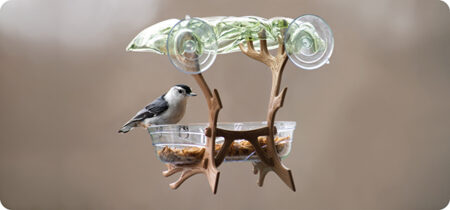
The initiative aligns with broader conservation efforts that aim to increase public engagement with nature. By making bird feeding accessible and enjoyable, WBU fosters a deeper connection between people and their environment. This connection can, in turn, inspire greater awareness of conservation issues and encourage more active participation in protecting natural habitats. The emphasis on "tricks" and "treats" serves as an accessible entry point for individuals new to birdwatching, demystifying the practice and highlighting its rewarding aspects.
For those seeking further enlightenment on the subject, WBU offers a dedicated resource: the "Nature Centered" podcast. Episode 78, titled "Treats for Birds. No Tricks.," features hosts John and Brian discussing the most effective methods for treating birds. This podcast episode, along with the extensive resources available on the WBU website, underscores the organization’s commitment to educating the public about backyard birding and wildlife conservation. The podcast format provides an engaging and informative platform for sharing expert advice, making complex topics accessible to a wide audience.
The longevity and success of Wild Birds Unlimited, with over 350 locations across the United States and Canada, is a testament to the enduring appeal of connecting with nature. Their franchise model, which focuses on specialty retail and expert advice, has cultivated a community of dedicated bird enthusiasts. The organization’s commitment to "bringing people and nature together" is evident in their product selection, educational events, and their continuous efforts to promote responsible and beneficial wildlife feeding practices. The company’s franchise information website, wbufranchise.com, further highlights their role as a significant player in the nature-based retail sector.

In conclusion, the playful reinterpretation of "Trick or Treat" by Wild Birds Unlimited offers a valuable perspective on how seasonal traditions can be harmonized with ecological stewardship. By understanding and implementing simple yet effective strategies, individuals can transform their backyards into havens for birds, providing them with essential sustenance and attractive environments. This approach not only enriches the lives of our feathered neighbors but also deepens our own connection to the natural world, reminding us that sometimes, the most delightful treats are those we share with the birds. The implication for the future is a growing awareness of the human role in supporting local ecosystems, demonstrating that even seemingly small actions can contribute to larger conservation goals. Halloween, traditionally a time of human indulgence, can thus become a season of genuine generosity towards the avian community, proving that "trick or treat" can indeed be a delightful experience for all, especially for the birds.