
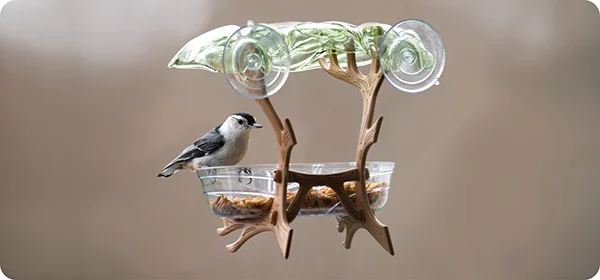
The crisp autumn air, the vibrant foliage, and the looming specter of Halloween all signal a time of change and anticipation. While many human communities prepare for an evening of costumed revelry and sweet indulgence, the natural world offers its own unique interpretations of seasonal festivities. For enthusiasts of avian life, October presents an opportune moment to engage with backyard birds, not through candy and costumes, but through thoughtful provision and observation. This season, the familiar call of "trick or treat" can be reinterpreted as a guide to attracting and delighting feathered visitors, offering them both novel experiences and essential sustenance.
The "Trick": Enhancing Bird Attraction Through Strategic Placement and Sensory Appeal
The adage "it’s not nice to fool Mother Nature" often underscores a respect for natural processes. However, in the context of backyard bird feeding, certain "tricks" can effectively enhance the appeal of a habitat, making it more inviting to a wider array of species. One of the most potent attractants for birds is the sound of moving water. Incorporating a water feature with a circulating pump or a dripper can act as a powerful beacon, drawing birds from afar. This auditory cue mimics natural water sources, signaling safety and availability to thirsty or bathing birds. The presence of a reliable water source can significantly increase the diversity of species visiting a yard, as many birds rely on these for drinking and preening, essential activities for maintaining their health and plumage. Data suggests that bird baths with aeration or moving water can attract up to three times more species than still water sources, highlighting the efficacy of this simple yet impactful addition.
Introducing new feeders or food types can sometimes be a slow process for birds, as they are creatures of habit and can be wary of unfamiliar offerings. A clever trick to expedite this discovery phase is to strategically scatter a small amount of the new seed on top of or directly beneath the feeder. Birds are primarily visual foragers, and this simple act makes the food more conspicuous, increasing the likelihood of immediate discovery. This technique is particularly useful when introducing specialized seed mixes or premium blends that might appeal to less common species. By providing a visible cue, human caretakers can bridge the gap between the introduction of a new food source and its adoption by the local bird population, thereby accelerating the benefits for both the birds and the observers.
Furthermore, understanding bird behavior can inform these "tricks." For instance, many birds are attracted to areas with abundant natural perching opportunities. Strategically placing feeders near shrubs or trees can provide birds with a sense of security and a place to rest before and after feeding. This not only makes the feeder more accessible but also contributes to the overall habitat value of the backyard. The presence of diverse vegetation, offering a variety of food sources like berries, seeds, and insects, complements artificial feeding efforts, creating a more holistic ecosystem that supports avian life year-round.
The "Treat": Elevating Avian Diets with Premium and Specialized Foods
Beyond the basic seeds and suet that form the staple diet for many backyard birds, offering a variety of "treats" can significantly enhance their nutritional intake and enjoyment. These are not the sugary confections that humans associate with Halloween, but rather high-quality, energy-rich foods that cater to specific avian preferences and needs.
One such exceptional treat is Jim’s Birdacious Bark Butter. This proprietary blend is a spreadable suet formulated with a unique combination of ingredients that has proven to be a powerful attractant for a wide spectrum of bird species, including those that may not typically frequent traditional feeders. Its success lies in its palatability and versatility. Documented sightings have confirmed its ability to attract over 155 different bird species across North America, a testament to its broad appeal. The "trick" to maximizing its effectiveness, as mentioned earlier, is to smear it onto the bark of a favorite tree or atop an active feeder. This allows birds to access it easily, and its rich, fatty content provides a valuable energy boost, especially as temperatures begin to drop and foraging becomes more challenging. The popularity of Bark Butter underscores the importance of diversifying food offerings beyond standard seed mixes, recognizing that different birds have distinct dietary requirements and preferences.
Peanuts, in their various forms, are another highly prized treat for a multitude of bird species. These legumes are packed with protein and healthy fats, making them an excellent source of sustained energy. Woodpeckers, titmice, nuthatches, chickadees, and bushtits are among the many birds that relish peanuts. However, it is the energetic antics of jays that often steal the show when peanuts are offered. Blue jays and Steller’s jays, in particular, have a well-documented habit of caching food for later consumption. When provided with peanuts, especially those still in their shells, these intelligent birds will actively collect and bury them, often storing upwards of 100 peanuts in a single day. This behavior can quickly deplete a tray feeder, showcasing the birds’ appreciation for this nutritious treat. Their remarkable memory allows them to recall the locations of their caches, ensuring a food supply throughout the lean months. This natural behavior highlights how providing a readily available, high-energy food source like peanuts can directly support the survival strategies of these birds.

Beyond peanuts, a diverse array of specialized treats caters to the specific dietary needs of different bird groups. For instance, mealworms are a highly sought-after delicacy for bluebirds, providing them with essential protein and fats. These protein-rich insects are often a crucial food source for nesting birds and their young, and their availability in autumn can be a welcome supplement. Similarly, orioles, known for their preference for sweet fruits, will readily consume offerings of fruit, such as oranges or grapes. For hummingbirds, the vibrant allure of nectar remains paramount. Providing high-quality nectar, free from artificial dyes and preservatives, ensures that these tiny marvels receive the energy they need for their rapid metabolism. The careful selection and provision of these specialized treats can transform a backyard into a vibrant avian buffet, supporting a wider range of species and their unique nutritional requirements.
Historical Context and the Evolution of Bird Feeding
The practice of intentionally feeding wild birds has a rich history, evolving from simple acts of charity to a sophisticated hobby supported by a dedicated industry. Early forms of bird feeding likely began with individuals leaving out scraps for local wildlife, a practice that gained traction in the late 19th and early 20th centuries as an appreciation for nature grew. The development of specialized bird feeders and commercially produced birdseed in the mid-20th century marked a significant shift, making the hobby more accessible to the general public.
The establishment of organizations like Wild Birds Unlimited (WBU) in the late 1970s further professionalized and popularized bird feeding. WBU pioneered the concept of specialty stores dedicated to backyard bird feeding and nature appreciation, emphasizing education and expert advice. This shift moved bird feeding from a casual pastime to an informed engagement with local ecosystems. The company’s philosophy centers on "bringing people and nature together," underscoring the symbiotic relationship between human provision and avian well-being.
The Halloween-themed approach to bird feeding, as presented by WBU, reflects a modern trend of integrating seasonal celebrations with established hobbies. This strategy aims to make bird feeding more relatable and engaging for a broader audience, particularly families. By drawing parallels between human traditions and avian needs, it encourages a deeper connection with nature. The timing of these offerings is also significant; as the natural abundance of insects and berries diminishes with the onset of colder weather, supplemental feeding becomes increasingly crucial for many bird species. Providing high-energy foods like suet, nuts, and specialized blends during the autumn and winter months can directly contribute to bird survival rates.
Data and Scientific Insights on Avian Nutrition
Scientific research consistently highlights the critical role of nutrition in supporting bird populations. Studies on avian diets reveal that different species have vastly different nutritional requirements based on their size, metabolism, and life stage. For instance, insectivorous birds, like bluebirds, require a diet rich in protein and specific amino acids found in insects. When natural insect populations decline in autumn, the availability of protein-rich alternatives like mealworms becomes vital.
Fat content is another crucial nutritional component, particularly for migratory birds and those that overwinter in colder climates. Suet, a rendered animal fat, is an excellent source of calories and is highly digestible for many birds. Its energy density makes it an ideal food for birds facing prolonged periods of cold weather and reduced foraging opportunities. Research published in ornithological journals often details the caloric needs of various species and the nutritional profiles of common bird foods. For example, a study might analyze the fatty acid composition of different suet blends or the protein content of various seed types, providing empirical evidence for their efficacy in supporting avian health.
The "treats" discussed, such as Bark Butter and peanuts, are scientifically recognized for their high energy and nutrient density. Bark Butter’s formulation typically includes a blend of fats, proteins, and carbohydrates, making it a well-rounded food source. Peanuts, while technically legumes, are rich in fats and proteins, providing a substantial caloric intake. The attraction of these specific foods is not accidental; it is rooted in the birds’ innate ability to seek out nutrient-dense options to fuel their metabolic processes.
Broader Implications and Community Engagement
The practice of bird feeding, especially when enhanced with thoughtful "tricks" and "treats," extends beyond mere hobbyism. It plays a significant role in conservation efforts, albeit on a localized scale. By providing reliable food sources, individuals can help support bird populations, particularly during challenging environmental conditions. This can lead to increased biodiversity in urban and suburban areas, contributing to healthier local ecosystems.

Furthermore, bird feeding fosters a deeper connection between humans and nature. The act of observing birds, understanding their behaviors, and contributing to their well-being can cultivate a sense of stewardship and environmental responsibility. This is particularly relevant for younger generations, who can learn valuable lessons about ecology and the importance of wildlife conservation through hands-on engagement.
The WBU Nature Centered Podcast episode, "Treats for Birds. No Tricks.," exemplifies this commitment to education and engagement. By offering informative and entertaining content, WBU aims to empower individuals with the knowledge to become more effective backyard conservationists. Such initiatives are crucial for building a broader base of support for wildlife conservation and promoting a more harmonious coexistence between human communities and the natural world. The analysis of implications suggests that these seemingly small acts of providing food and water can have cumulative positive effects on local bird populations, contributing to broader conservation goals by maintaining healthy and resilient avian communities within human-dominated landscapes. The Halloween theme serves as an accessible entry point, demonstrating that environmental stewardship can be both enjoyable and impactful.