
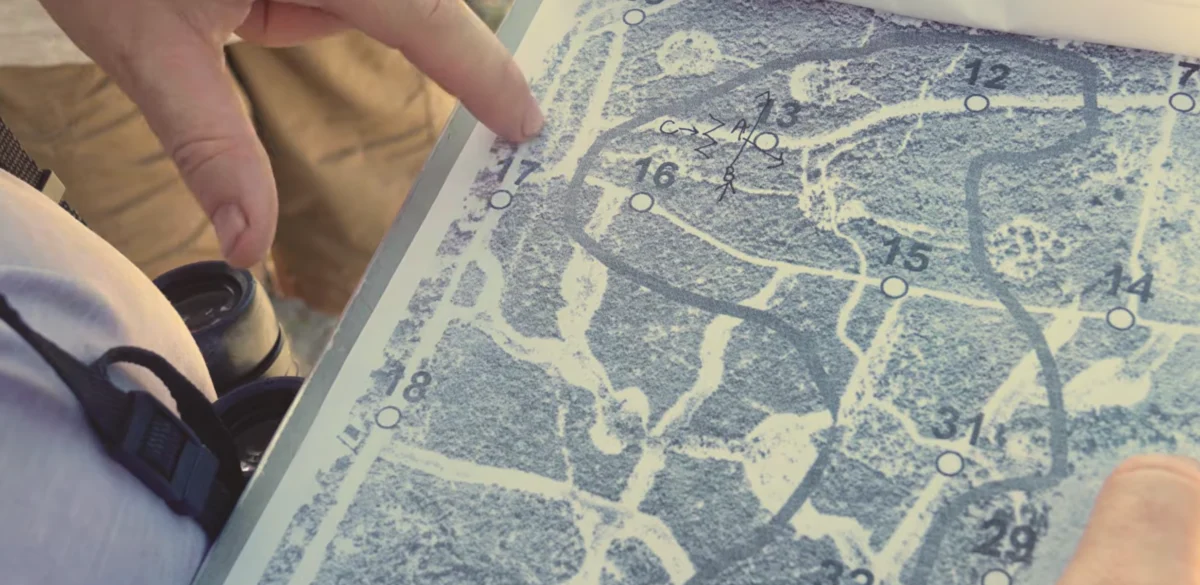
A quarter-century of dedicated volunteer effort through the Jay Watch community science program has culminated in a substantial body of data, demonstrably shaping management decisions that have positively impacted the populations of the endemic Florida Scrub-Jay. This significant milestone underscores the program’s unique success in contributing to the recovery of this threatened species, leveraging the invaluable contributions of trained community scientists coordinated statewide by Audubon Florida. These volunteers meticulously conduct scientific surveys, tracking annual nesting success and counting total Florida Scrub-Jay populations across more than 45 sites in 19 counties, providing critical insights into the health and trends of these iconic birds.
The Endemic Florida Scrub-Jay: A Species Under Threat
The Florida Scrub-Jay ( Aphelocoma coerulescens ) holds a unique position in North American ornithology as the only bird species endemic to Florida. This means it exists nowhere else in the world, making its survival intrinsically linked to the fate of its specific habitat within the Sunshine State. These intelligent, social birds are federally listed as a Threatened species under the Endangered Species Act, a designation reflecting significant population declines over the past century.
Their existence is intimately tied to Florida’s ancient scrub ecosystem—a distinct habitat characterized by sandy soils, low-growing oak species (such as myrtle oak, sand live oak, and scrub oak), scattered pines, and a natural dependence on periodic wildfires. This unique landscape, a remnant of ancient sand dunes, provides the specific structural complexity and food resources that scrub-jays require for nesting, foraging, and predator avoidance. Unlike many bird species that prefer dense canopy, scrub-jays thrive in open, patchy areas within the scrub, where they can spot predators from low perches and bury acorns, their primary winter food source.
The primary driver of their decline has been habitat loss and fragmentation. Florida’s rapid human population growth has led to the conversion of vast expanses of scrubland for agricultural, residential, and commercial development. The remaining scrub habitats are often isolated "islands" surrounded by urban sprawl, making it difficult for jays to disperse and establish new territories, leading to inbreeding and reduced genetic diversity. Furthermore, fire suppression efforts, historically common practice, have altered the natural fire regime crucial for maintaining healthy scrub. Without periodic fires, the scrub becomes overgrown and dense, making it unsuitable for scrub-jays. They are cooperative breeders, with offspring often staying with their parents for several years to help raise subsequent broods, a social structure that makes them particularly vulnerable to population disruptions and habitat loss.
The Genesis of Jay Watch: A Call to Action
Recognizing the escalating threats to the Florida Scrub-Jay and the need for comprehensive, long-term monitoring, Audubon Florida, in collaboration with state and federal agencies, launched the Jay Watch program in 1998. The initiative was born out of a critical gap in available resources for monitoring a widely dispersed and often cryptic species across a vast and increasingly fragmented landscape. Professional biologists and land managers faced significant challenges in conducting the extensive, consistent surveys needed to track population trends effectively across numerous sites.
The program was designed to harness the power of community involvement, empowering ordinary citizens to become vital contributors to scientific research and conservation. The initial goal was clear: establish a robust, volunteer-driven monitoring system that could provide reliable, annual data on scrub-jay populations and reproductive success. This data would then serve as an essential tool for land managers, conservation organizations, and governmental agencies to make informed decisions regarding habitat management, prescribed burning schedules, land acquisition priorities, and overall recovery strategies for the species. Over its initial years, the program meticulously developed standardized protocols for data collection, ensuring scientific rigor and consistency across all survey sites.
Methodology and Scientific Rigor: The Data Backbone
The success of Jay Watch lies in its commitment to scientific methodology and the thorough training of its community scientists. Volunteers undergo rigorous instruction covering scrub-jay identification, behavior, habitat requirements, and precise data collection techniques. This training ensures that the data gathered is accurate, consistent, and scientifically credible.
- Nesting Success and Population Counts: Jay Watch volunteers primarily focus on two critical metrics: annual nesting success and total population counts. During the breeding season (typically March through July), volunteers meticulously survey designated territories. They locate nests, monitor incubation, track hatching success, and count the number of fledglings produced. This data provides vital insights into the reproductive health of the population and factors influencing nesting outcomes. Simultaneously, volunteers conduct thorough counts of individual scrub-jays within their assigned sites. Because many jays are banded with unique color combinations by biologists, volunteers can often identify specific individuals, providing even more granular data on survival rates, dispersal, and territory occupancy. For unbanded jays, keen observation of distinguishing features and behavior aids in accurate counting.
- Volunteer Training and Data Quality: Audubon Florida’s expert staff and seasoned volunteers conduct workshops and field training sessions. Participants learn how to navigate scrub habitat, use GPS devices for accurate site mapping, recognize different scrub-jay vocalizations, and record observations meticulously on standardized data sheets or through digital platforms. Emphasis is placed on minimizing disturbance to the birds while maximizing data integrity. This rigorous approach ensures that despite being volunteers, the data collectors adhere to professional scientific standards, making the output highly reliable for conservation planning. The data collected is then compiled, reviewed, and analyzed by Audubon Florida scientists, often in collaboration with university researchers and state agencies, to identify trends and inform management recommendations.
Shaping Policy and Land Management Decisions
The wealth of data amassed by Jay Watch volunteers over two and a half decades has proven indispensable in shaping critical policy and land management decisions across Florida. The program provides the long-term ecological data necessary to understand population dynamics, identify critical habitat areas, and assess the effectiveness of various conservation interventions.
- Informing Prescribed Burns: Perhaps one of the most direct impacts of Jay Watch data is its influence on prescribed fire management. Scrub-jays require scrub habitat that is neither too young nor too old, ideally a mosaic of successional stages maintained by periodic fire. Jay Watch data helps land managers identify specific areas where scrub is becoming too dense and overgrown, indicating a need for prescribed burns. Conversely, it can highlight areas that have been recently burned and are still recovering, ensuring jays are not inadvertently displaced during critical breeding periods. By understanding where jays are present, nesting, or dispersing, fire managers can optimize burn plans to benefit the species, ensuring the right fire at the right time in the right place.
- Guiding Habitat Restoration and Acquisition: The detailed population maps and trend analyses generated by Jay Watch are crucial for prioritizing habitat restoration efforts. Data can pinpoint areas where scrub-jay populations are declining, indicating a need for habitat enhancement, such as mechanical thinning of overgrown vegetation or targeted replanting of preferred scrub oak species. Furthermore, this data informs land acquisition strategies by state and federal conservation programs (like Florida Forever and the Land and Water Conservation Fund). Knowing precisely where viable scrub-jay populations exist and where critical corridors are needed allows conservation planners to target purchases of land that will best connect existing habitats, expand protected areas, and reduce fragmentation, directly contributing to the species’ long-term survival.
Voices from the Field: Partners and Volunteers
The enduring success of Jay Watch is a testament to the collaborative spirit of numerous stakeholders, from leading conservation organizations to dedicated individuals.
- Audubon Florida’s Vision: Julie Wraith, Executive Director of Audubon Florida, would likely emphasize the profound impact of citizen science. "Jay Watch embodies the power of community engagement in conservation," she might state. "For 25 years, our volunteers have been the eyes and ears on the ground, providing an unparalleled dataset that directly translates into tangible conservation outcomes for the Florida Scrub-Jay. Their dedication is not just about counting birds; it’s about safeguarding a piece of Florida’s unique natural heritage for future generations. We are immensely proud of this program and grateful for every volunteer who has contributed their time and passion."
- Government Agencies Acknowledge Value: Officials from the Florida Fish and Wildlife Conservation Commission (FWC) and the U.S. Fish and Wildlife Service (USFWS) consistently acknowledge the critical role of Jay Watch data. A spokesperson for FWC might comment, "The robust, long-term data provided by Jay Watch is an indispensable resource for our state’s conservation efforts. It directly informs our species management plans, habitat restoration projects, and prescribed fire schedules. This partnership with Audubon Florida and its volunteers significantly augments our capacity to monitor and protect the Florida Scrub-Jay, a keystone species of our scrub ecosystems."
- The Dedication of Community Scientists: The heart of Jay Watch lies with its volunteers. Many have participated for years, some even for decades, developing deep expertise and a profound connection to the jays and their habitat. A hypothetical veteran volunteer, perhaps named Sarah Jenkins, who has been with the program for 15 years, might share, "It’s incredibly rewarding to know that the hours I spend in the scrub, enduring heat and mosquitoes, are directly contributing to the survival of these amazing birds. You see the changes over time, you witness their struggles and their triumphs. It’s more than just a hobby; it’s a vital contribution to science and a testament to what ordinary people can achieve when united for a cause." Their firsthand observations often reveal subtle changes in habitat or behavior that might otherwise go unnoticed by less frequent professional surveys.
Broader Implications: A Model for Conservation
Jay Watch serves as a powerful model for community science initiatives globally, demonstrating several profound implications beyond direct scrub-jay conservation.
- Cost-Effectiveness and Reach: Implementing a professional monitoring program of this scale would require immense financial and human resources, likely beyond the capacity of any single agency or organization. By relying on trained volunteers, Jay Watch achieves a broad geographical reach and consistent, long-term data collection at a fraction of the cost. This economic efficiency makes conservation efforts more sustainable and scalable.
- Fostering Stewardship: The program actively engages the public in conservation, transforming passive observers into active participants. Volunteers gain a deeper understanding of ecological principles, the challenges facing endangered species, and the importance of habitat preservation. This direct involvement cultivates a sense of ownership and stewardship, creating a more informed and engaged citizenry that is more likely to support broader conservation policies and advocate for environmental protection. Many Jay Watch volunteers become outspoken advocates for scrub-jay conservation in their communities.
- Scientific Validation of Community Science: The 25-year track record of Jay Watch provides compelling evidence that well-designed and rigorously managed community science programs can produce high-quality, scientifically valid data comparable to that collected by professionals. This validation encourages the development of similar programs for other species and ecosystems, expanding the capacity for ecological monitoring worldwide.
Challenges Ahead and the Future of Jay Watch
Despite its successes, the Florida Scrub-Jay and the Jay Watch program face ongoing challenges. The relentless pace of development in Florida continues to chip away at remaining scrub habitats, making every acre conserved even more critical. Climate change introduces new variables, including altered fire regimes, increased intensity of hurricanes impacting coastal scrub, and potential shifts in food availability.
The future of Jay Watch will likely involve adapting to these evolving threats. This may include expanding monitoring efforts to newly acquired conservation lands, integrating new technologies like remote sensing for habitat analysis, and enhancing public outreach to build even broader support for scrub-jay conservation. Continued collaboration with state and federal agencies, universities, and private landowners will be paramount. The long-term vision for Jay Watch remains steadfast: to continue providing the essential data needed to guide the recovery of the Florida Scrub-Jay, ultimately working towards a future where this charismatic, endemic species thrives in its native habitat, no longer teetering on the brink of extinction. The commitment of its volunteers ensures that the next 25 years will be as impactful as the last.