
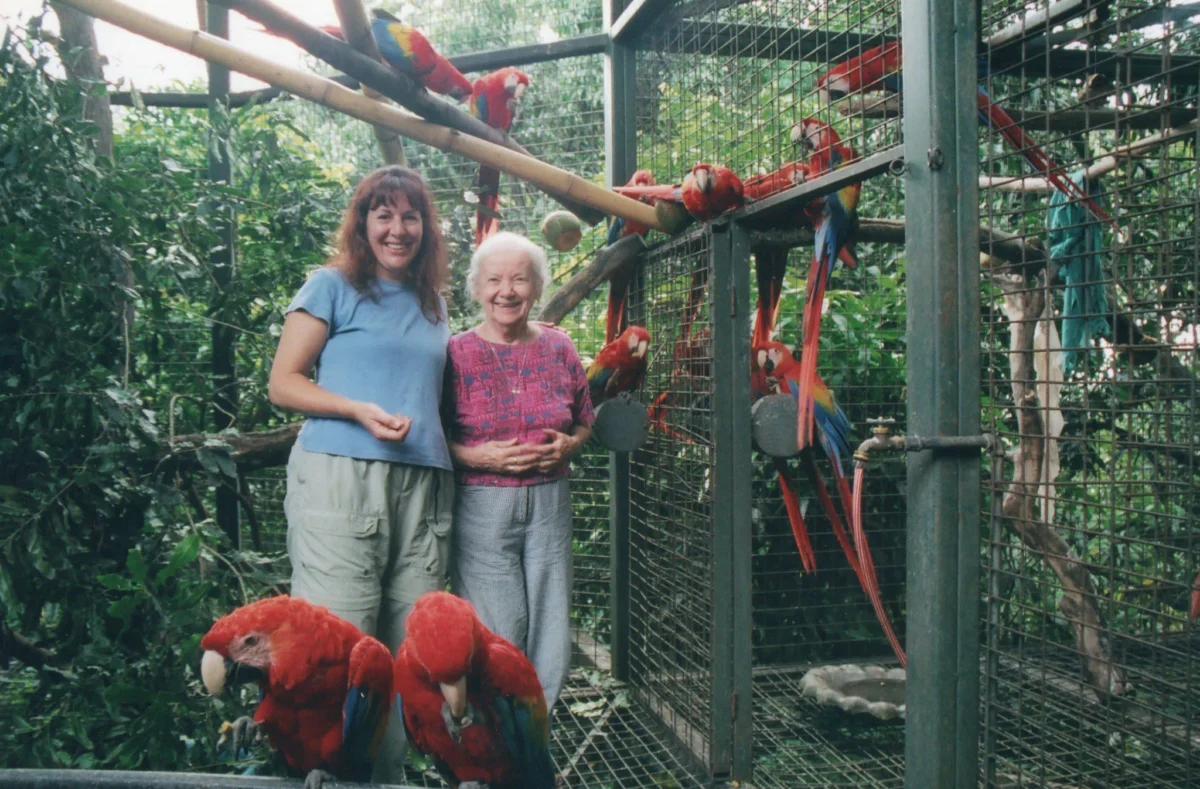
The Toucan Rescue Ranch has marked its twentieth year of operation, transitioning from a localized avian rescue initiative into one of Central America’s most sophisticated wildlife rehabilitation and conservation organizations. Established in 2004, the center has become a cornerstone of Costa Rican biodiversity efforts, specializing in the rescue, rehabilitation, and eventual release of iconic species ranging from toucans and macaws to sloths and howler monkeys. As the organization enters 2025, it stands as a model for how private conservation initiatives can integrate veterinary science, community education, and international fundraising to address the escalating threats facing tropical wildlife.
The Genesis of a Conservation Powerhouse (2004–2007)
The history of Toucan Rescue Ranch (TRR) began in 2004 when founders Leslie Howle and Jorge Murillo established the facility with a primary focus on rescued birds. At the time, Costa Rica was seeing an increased need for specialized avian care due to habitat fragmentation and the illegal pet trade. The founders’ commitment to wildlife was tested early on, leading to a trajectory of rapid growth that would soon encompass a much broader range of the nation’s fauna.
A pivotal shift occurred in 2007 when the ranch accepted its first mammal, a two-fingered sloth named Millie. This event was more than a single rescue; it represented the expansion of the ranch’s mission to include the diverse mammalian species of the Costa Rican rainforest. That same year, TRR achieved a significant scientific milestone by becoming the first facility in Costa Rica and only the second in the world to successfully captive-breed Emerald Toucanets. This success established the ranch’s reputation not just as a sanctuary, but as a center for biological excellence and conservation research.
Strategic Infrastructure and Legal Expansion (2008–2013)
By 2008, the limitations of a single site became apparent as the number of successful rehabilitations grew. The organization invested in a 25-acre property in Sarapiquí, a region known for its dense tropical forests and high biodiversity. This acquisition was strategic, providing a location far removed from urban development where animals could be reintroduced to their natural habitats under controlled conditions.
The year 2013 marked a transformative era for the organization’s professional capabilities. TRR established a dedicated veterinary hospital at its headquarters in San Isidro, Heredia. This facility allowed the ranch to provide immediate, high-level medical care, including surgeries and diagnostic testing, which significantly increased the survival rates of critically injured animals. Concurrently, the organization achieved 501(c)3 non-profit status in the United States, a move that opened doors to international grants, tax-deductible donations from a global donor base, and partnerships with North American zoological institutions.
The Science of "Soft Release" and Specialized Partnerships (2015–2018)
As the volume of rescues increased, TRR refined its "soft-release" methodology. In 2015, a 16-acre farm in Sarapiquí was converted into a specialized release site. Unlike "hard releases," where animals are simply set free, soft release involves acclimating rehabilitated animals to the sights, sounds, and food sources of the forest within large pre-release enclosures. This gradual transition is essential for hand-raised orphans who must learn survival skills before full independence.
In 2017, TRR deepened its focus on one of Costa Rica’s most vulnerable species by partnering with The Sloth Institute to form the "Saving Sloths Together" (SST) program. This collaboration combined TRR’s expertise in medical rehabilitation with The Sloth Institute’s research on sloth behavior and post-release monitoring. The impact of this partnership was bolstered in 2018 when the ranch acquired advanced tracking equipment, allowing researchers to monitor released sloths via VHF radio collars. This data has been instrumental in understanding the long-term success of rehabilitated sloths in the wild.
Furthermore, 2018 saw a significant push into habitat restoration. In partnership with Café Britt, TRR oversaw the planting of over 2,000 native trees. This reforestation effort aimed to restore fragmented rainforest canopies, creating vital "biological corridors" that allow wildlife to move safely between protected areas without encountering human-related hazards like roads or power lines.
Modernization, Digital Outreach, and Pandemic Resilience (2019–2021)
The lead-up to the ranch’s 15th anniversary in 2019 was defined by technological modernization. The implementation of specialized animal care software allowed the clinical team to track medical histories, dietary needs, and rehabilitation progress with digital precision. This period also saw the construction of new pre-release aviaries and expanded clinic facilities, funded by aggressive international capital campaigns.
When the global COVID-19 pandemic struck in 2020, TRR faced an unprecedented crisis as tourism—a primary source of funding—evaporated overnight. However, the organization pivoted with remarkable agility. By launching virtual tours and university-level courses, TRR became the top-rated virtual experience on Amazon’s Virtual Experiences platform. This digital shift not only secured the ranch’s financial survival but also expanded its educational reach to a global audience that might never visit Costa Rica in person. The ranch’s commitment to safety and excellence during this time was recognized by the World Travel and Tourism Council’s "Safe Travels" certification.
A New Decade of Conservation Milestones (2023–2024)
As the organization approached its 20th anniversary, it continued to diversify its species-specific programs. In 2023, the ranch launched "Saving Howler Monkeys Together," a program dedicated to the rewilding of howler monkeys, which frequently fall victim to electrocution on uninsulated power lines and dog attacks. The completion of a new Education Center at the Sarapiquí release site also underscored the organization’s belief that conservation is impossible without community buy-in and education.
The 20th anniversary in 2024 served as a celebration of these two decades of growth. The year was marked by several landmark achievements:
- Medical Upgrades: The wildlife hospital received critical equipment upgrades, including a new blood analysis machine and an advanced X-ray unit, further elevating the standard of care for injured wildlife.
- International Recognition: TRR hosted its inaugural U.S. fundraiser, "Wildlife Wonders," at the Nashville Zoo. This event secured TRR’s first Association of Zoos and Aquariums (AZA) conservation partner and a $25,000 donation, signaling a new level of institutional support from the global zoo community.
- Record-Breaking Fundraising: The "Sloth Ironman Games," an annual social media-driven fundraising event that educates the public about sloth behavior through "athletic" challenges, raised over $30,000.
- Brand Evolution: A comprehensive brand refresh was implemented to modernize the organization’s media presence, ensuring that its message of conservation remains compelling in an increasingly digital world.
Broader Implications and the Future of Costa Rican Wildlife
The success of the Toucan Rescue Ranch provides a fact-based blueprint for the future of wildlife conservation. Experts note that as climate change and urban expansion continue to pressure tropical ecosystems, the role of specialized rescue centers becomes increasingly vital. TRR’s history demonstrates that successful conservation requires a multi-pronged approach: clinical excellence, long-term post-release monitoring, habitat restoration, and aggressive public education.
The organization’s shift toward corporate volunteering and local alliances suggests a growing trend in "philanthropic tourism," where businesses and individuals seek meaningful, hands-on engagement with environmental causes. By integrating these stakeholders into the daily operations of the ranch, TRR has fostered a sense of shared responsibility for Costa Rica’s natural heritage.
As 2025 begins, the Toucan Rescue Ranch continues to expand its impact. The organization remains focused on its core mission while exploring new research frontiers in wildlife medicine and genetics. With twenty years of experience as a foundation, the ranch is no longer just a local rescue center; it is a global leader in the fight to preserve the biodiversity of the neotropics. The "To be Continued…" status of their mission is a testament to the ongoing challenges of conservation, but also to the enduring resilience of the staff, volunteers, and supporters dedicated to giving Costa Rican wildlife a second chance at life in the wild.