
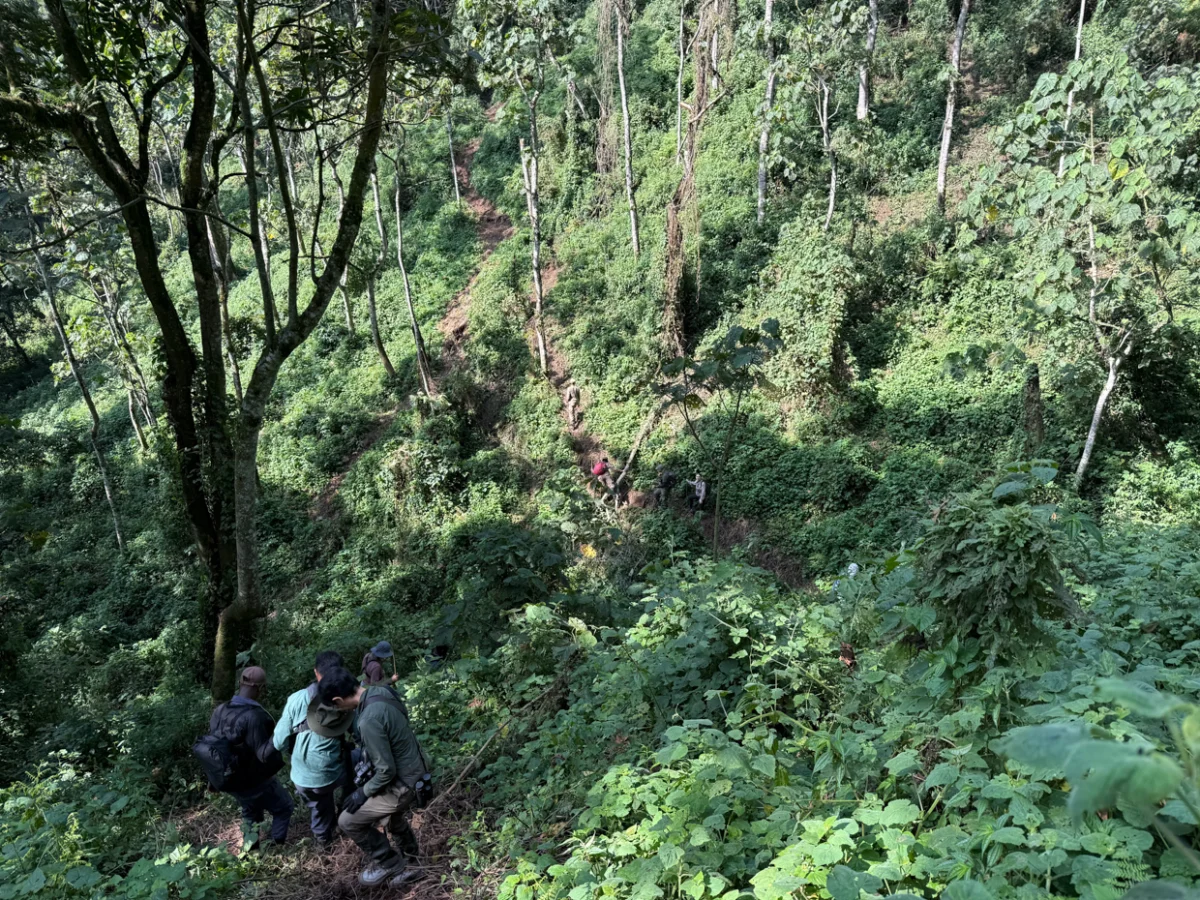
The 2026 biological survey and ecotourism expedition across Uganda has concluded, documenting an extraordinary breadth of biodiversity that underscores the country’s status as a premier global destination for naturalists and conservationists. Over the course of a 17-day itinerary, researchers and participants traversed a diverse array of ecosystems, ranging from the papyrus-dominated wetlands of the Lake Victoria basin to the montane forests of the Albertine Rift. The expedition successfully recorded 514 distinct bird species, the traditional "Big Five" mammalian species, and more than a dozen primate species, including the critically important Eastern Chimpanzee and the Mountain Gorilla. This comprehensive journey highlights the intersection of Uganda’s rich ecological capital and the ongoing challenges of conservation in an increasingly populated landscape.

The Ecological Context of the Pearl of Africa
Uganda’s geographical position astride the Equator, bordering the northern shores of Lake Victoria (Victoria-Nyanza), places it at a unique crossroads of African ecosystems. Historically dubbed the "Pearl of Africa" by Winston Churchill in the early 20th century, the nation serves as a transition zone between the East African savanna and the West African rainforest. This convergence creates a "necklace" of protected areas that harbor high levels of endemism, particularly within the Albertine Rift.
The Albertine Rift is one of the most biodiverse regions on the continent, containing more endemic vertebrate species than any other region in mainland Africa. For the modern naturalist, Uganda represents a compact, accessible microcosm of tropical Africa’s wild character. Despite supporting a human population exceeding 50 million, the Ugandan government has maintained a network of national parks and sanctuaries that function as critical refuges for "Big Nature," protecting species that have been extirpated in other parts of their historical ranges.

Chronology of the 2026 Expedition
The expedition commenced on January 12, 2026, in Entebbe, a town situated on the lush, timbered shores of Lake Victoria. The initial phase focused on the aquatic ecosystems of the Mabamba Swamp. Utilizing narrow-bottomed boats to navigate the dense papyrus and sedge, the team located the Shoebill (Balaeniceps rex), a large, prehistoric-looking bird of significant conservation interest due to its specialized habitat requirements and vulnerable status.
Moving northward, the itinerary transitioned into the savanna woodlands of the Ziwa Rhino Sanctuary. This sanctuary represents a cornerstone of Uganda’s wildlife restoration efforts, providing a secure environment for the White Rhinoceros, a species that was previously extinct in the wild in Uganda due to poaching and civil unrest. The expedition confirmed the presence of a healthy family unit of four rhinoceroses, alongside other key species such as the Northern Ground Hornbill.

The middle phase of the journey involved an intensive study of the northern and western forest systems. In Masindi, the team utilized the historic base frequented by figures such as Ernest Hemingway to access the Budongo Forest. A key focus was the "Royal Mile," a stretch of forest road renowned for its avian density. The expedition then proceeded to Murchison Falls National Park, where the Nile River is forced through a seven-meter-wide gorge. Here, the team observed the unique Guinea savanna ecology and the concentrated wildlife populations along the riverbanks, including Nile Crocodiles and large pods of Hippopotamus.
By the second week, the expedition shifted to the western Rift Valley escarpment. Based near Fort Portal, the team conducted surveys in Kibale National Park and the Bigodi Wetland Sanctuary. Kibale is globally recognized for having the highest density and diversity of primates in Africa. The team successfully trekked and observed the Eastern Chimpanzee (Pan troglodytes schweinfurthii). Furthermore, the expedition extended into the Semliki National Park, a lowland extension of the Congolian rainforest, where rare ornithological sightings were recorded, including the Bates’s Nightjar and the Rufous-sided Broadbill.

The final leg of the expedition focused on the southwestern highlands and the Bwindi Impenetrable Forest National Park. This region is the primary stronghold for the Mountain Gorilla (Gorilla beringei beringei). Following successful gorilla habituation protocols, the team spent an hour with the Bitukura family. The journey concluded with a survey of Lake Mburo National Park, where the team recorded the elusive African Finfoot, before returning to Entebbe.
Avian Diversity and Specialized Habitats
The recording of 514 bird species within 17 days is a testament to Uganda’s habitat diversity. The expedition categorized sightings into several key ecological zones:

- Wetland Specialists: Beyond the Shoebill, the expedition noted a "pageant of waders" in Queen Elizabeth National Park. This included the African Skimmer, which utilizes sandbars for nesting, and a variety of herons ranging from the Little Bittern to the Goliath Heron.
- Forest Endemics: The Albertine Rift endemics were a primary focus in Bwindi and Kibale. Despite the difficulty of observing species within the "Impenetrable Forest," the team identified several range-restricted species. Notable sightings included the Great Blue Turaco and various smaller turaco species, distinguished by the presence of turacin, a unique red copper-based pigment found only in this family of birds.
- Rare and Commensal Species: In the "shamba" agricultural plots—traditional Bantu smallholdings—near Budongo, the team observed how traditional farming methods support high numbers of commensal birds, such as Twinspots and Olivebacks. In the more remote Semliki valley, the team documented the Red-billed Dwarf Hornbill and the Eastern Little Hornbill.
Primate Conservation and Great Ape Encounters
The successful tracking of both Chimpanzees and Mountain Gorillas highlights the efficacy of Uganda’s primate tourism model. These encounters are strictly regulated by the Uganda Wildlife Authority (UWA) to minimize human impact and disease transmission.
The Mountain Gorilla, once on the brink of extinction, has seen its population rise to over 1,000 individuals globally, with roughly half residing in Bwindi. The expedition’s report emphasizes that the revenue generated from these "high-value, low-impact" tourism encounters is the primary driver for habitat protection. Without the economic incentive provided by international naturalists, these forests would likely face conversion into agricultural land for staple crops like the "Irish potato," which is vital for the local highland communities.

The expedition also documented 12 other diurnal primate species, including the Black-and-White Colobus (Guereza), the Patas Monkey, and various guenons. The presence of these primates indicates a relatively healthy forest structure, though the report notes that these habitats are "forever shrinking" due to anthropogenic pressures.
Socio-Economic Context and Conservation Challenges
A critical component of the expedition’s analysis involves the tension between human development and wildlife preservation. Uganda’s population density is among the highest in East Africa. The "shamba" system, while more biodiversity-friendly than industrial monocultures, still requires land that was historically forested.

Data from the expedition suggests that conservation in Uganda is increasingly dependent on "community-run eco-lodges," such as the Bakiga lodge in Ruhija. By integrating local communities into the tourism value chain, conservationists aim to reduce poaching and illegal timber harvesting. However, the report warns that the demand for high-tech gadgets, advanced weaponry, and global exports continues to exert pressure on these remote corners of the Earth.
Broader Impact and Implications for Regional Ecotourism
The findings of the 2026 expedition suggest that Uganda remains a vital "ecological capital" for the planet. The high number of species recorded in a relatively short timeframe confirms that the "necklace of pearls"—the string of national parks—is still functionally intact.

For the global scientific community, the observation of rare species like the Bates’s Nightjar and the Chocolate-backed Kingfisher provides updated data on species distribution in the face of climate change. For the tourism sector, the expedition proves that Uganda can offer a more comprehensive wildlife experience than many larger African nations, particularly for those interested in the intersection of savanna and rainforest biology.
The expedition concluded that the preservation of Uganda’s "Big Nature" is not merely a local concern but one of inestimable global significance. The continued survival of the Mountain Gorilla and the Shoebill serves as a barometer for the health of the planet’s most sensitive ecosystems. The report ends with a call for continued international patronage, asserting that the economic contribution of visiting naturalists remains the most viable tool for securing the future of these "gentle jungle denizens" in the 21st century.
Summary of Expedition Findings
- Total Bird Species: 514 (including Shoebill, African Finfoot, and Great Blue Turaco).
- Mammalian Highlights: The Big Five (Lion, Leopard, Elephant, Buffalo, Rhino).
- Primate Count: 14 species (including Mountain Gorilla and Eastern Chimpanzee).
- Total Distance Covered: 1,400 kilometers.
- Key Habitats: Papyrus swamps, Guinea savanna, lowland rainforest, and montane forest.
- Conservation Status: High levels of biodiversity maintained despite extreme human population pressure, largely supported by regulated ecotourism.