
An extensive 17-day wildlife expedition across Uganda has successfully documented one of the most comprehensive cross-sections of African biodiversity in recent years, recording 514 bird species and a vast array of mammalian life. The journey, which traversed habitats ranging from the papyrus swamps of Lake Victoria to the montane forests of the Albertine Rift, highlights Uganda’s standing as a premier destination for ecological research and high-end ecotourism. Led by seasoned naturalists, the tour provided a detailed survey of the country’s "ecological capital," reinforcing the enduring relevance of the "Pearl of Africa" moniker first popularized by Winston Churchill over a century ago.

The expedition’s findings come at a critical time for East African conservation. Despite a burgeoning human population of over 50 million, Uganda continues to maintain viable refuges for some of the world’s most endangered species, including the Mountain Gorilla and the Eastern Chimpanzee. The tour’s success in documenting the "Big Five"—lion, leopard, elephant, buffalo, and rhinoceros—alongside more than a dozen primate species, underscores the effectiveness of Uganda’s protected area network, managed by the Uganda Wildlife Authority (UWA).
Chronology of the Expedition: From Lake Victoria to the Northern Savanna
The journey commenced in Entebbe, a town situated on the northern shores of Lake Victoria, Africa’s largest freshwater lake. The initial survey began at the Entebbe Botanical Gardens, providing an introductory look at the region’s timber-land and swamp-dwelling avian species. On the second day, the team moved to the Mabamba Swamps, a globally recognized Ramsar site. Utilizing narrow boats to navigate the dense papyrus and sedge, researchers located the Shoebill (Balaeniceps rex), an avian species often described as a "living dinosaur" due to its prehistoric morphology.

Moving northward from the Equator, the expedition transitioned into the tranquil savanna woodlands of the Ziwa Rhino Sanctuary. This sanctuary represents a cornerstone of Uganda’s conservation efforts, serving as the only home to wild rhinoceros in the country following their local extinction during the civil unrest of the 1980s. The team recorded successful sightings of a family of four White Rhinoceros and a pair of Northern Ground Hornbills. The leg concluded in Masindi, a historic town that serves as a gateway to the Budongo Forest and Murchison Falls National Park.
The Nile Basin and the Murchison Falls Ecosystem
In the Budongo Forest, the expedition focused on the "Royal Mile," a stretch of road renowned among global birders for its exceptional avian density. Here, the team identified the Uganda Woodland Warbler and the Chocolate-backed Kingfisher, the latter being a significant find for the expedition’s taxonomic record.

The journey then proceeded to Murchison Falls National Park, where the Nile River is forced through a narrow seven-meter gap, creating the world’s most powerful surge of water. The survey of the dry Guinea savanna landscapes in the park’s northwest revealed a high concentration of large mammals foraging along the riverbanks. Boat excursions on the Nile allowed for close-range observation of Nile Crocodiles and Hippopotamuses, as well as a diverse array of waterbirds. The park remains a vital stronghold for the Rothschild’s giraffe and the African elephant, both of which were documented during the stay at Pakuba.
Central Highlands and the Albertine Rift Endemism
The expedition shifted focus to the western Rift Valley escarpment, climbing into the densely populated agricultural highlands of central Uganda. The base of operations moved to the Kibale National Park region, specifically the Guereza Canopy View Lodge. Kibale is widely regarded as the "Primate Capital of the World," hosting 13 different species of primates.

A primary objective in this region was the tracking of Eastern Chimpanzees (Pan troglodytes schweinfurthii). The team spent an hour observing a community of these great apes, noting their social structures and foraging habits. This was supplemented by a survey of the Bigodi Wetland Sanctuary, a community-led conservation project that protects a lush swamp ecosystem adjacent to the park.
Furthermore, the team undertook a specialized excursion to Semliki National Park, an area that represents the easternmost extension of the Great Ituri Forest of the Democratic Republic of Congo (DRC). This lowland forest is a hotspot for "Congolian" bird species rarely found elsewhere in East Africa. Notable sightings included the Rufous-sided Broadbill, the Bates’s Nightjar, and both the Red-billed Dwarf and Eastern Little Hornbill.

Queen Elizabeth National Park and the Kazinga Channel
The expedition then moved south to Queen Elizabeth National Park (QENP), Uganda’s most popular tourist destination. The park’s geography is defined by volcanic craters, grassy plains, and the Kazinga Channel, which connects Lake George and Lake Edward.
During a motorized launch trip along the channel, the team recorded an extraordinary density of African Skimmers. These birds are known for their unique foraging behavior, "skimming" the water’s surface with their elongated lower mandibles. The survey also noted a variety of herons, ranging from the common Little Egret to the massive Goliath Heron. The terrestrial survey of the park’s savanna yielded sightings of a lioness and a leopard, completing the "Big Five" checklist for the journey. The presence of these apex predators indicates a healthy prey base of Uganda Kob, Topi, and Cape Buffalo within the park’s boundaries.

The Impenetrable Forest: High-Altitude Conservation
The final major phase of the tour took place in the Bwindi Impenetrable Forest National Park, a UNESCO World Heritage site in the southwestern highlands. Bwindi is home to approximately half of the world’s remaining Mountain Gorilla population.
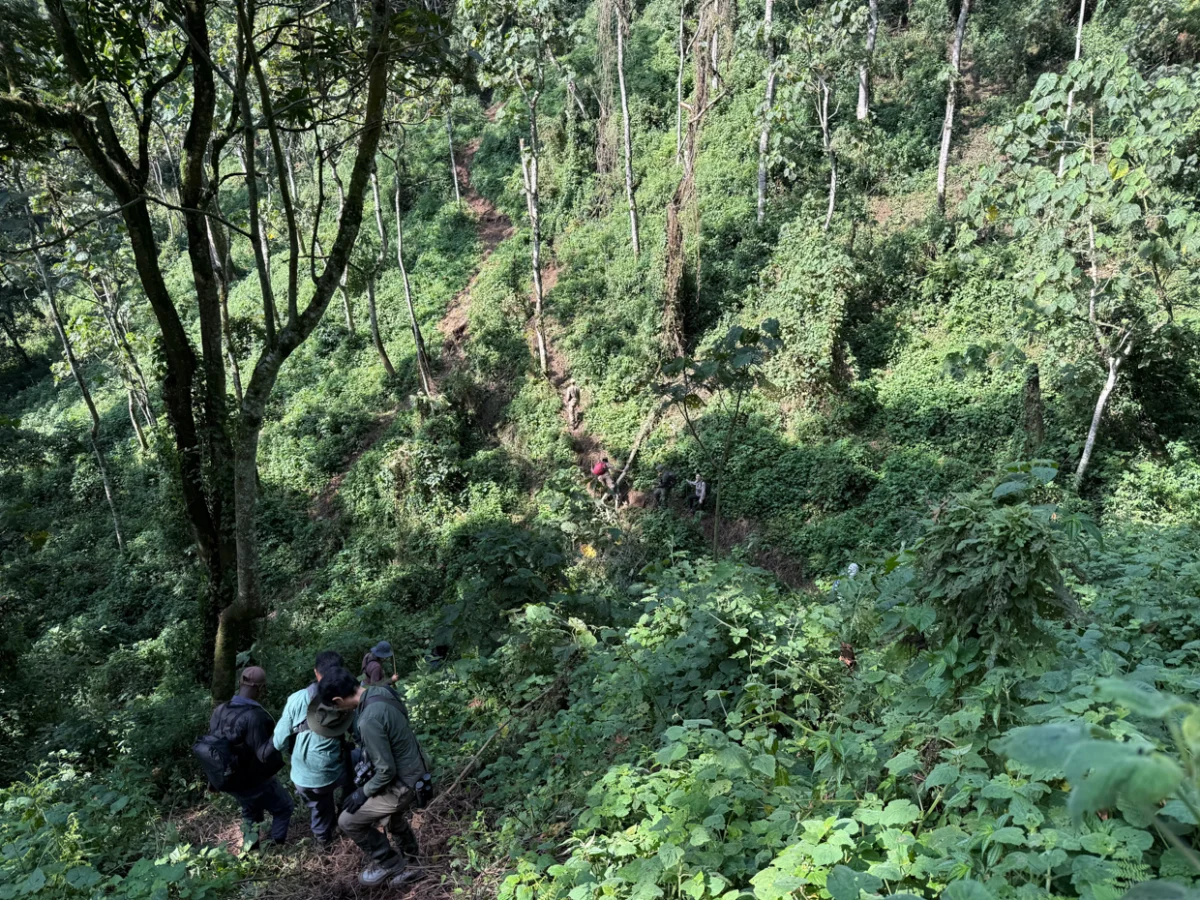
Operating from the Ruhija sector, the expedition team trekked into the montane forest to locate the Bitukura gorilla family. This encounter provided a profound look at the "gentle giants" of the forest. Observers noted the silverback’s role in troop protection and the playful interactions of the juveniles.

Beyond primates, Bwindi is a critical site for Albertine Rift endemics—species found only in this specific mountain range. Despite the challenging terrain and the "darkness" of the dense canopy (from which the name "Mubwindi" is derived), the team recorded numerous rare butterflies and birds, including those specialized for the hidden highland swamps.
Supporting Data and Conservation Analysis
The expedition’s record of 514 bird species represents roughly half of the total bird species found in Uganda, a remarkable feat for a 17-day window. This high count is attributed to the country’s unique position at the convergence of the East African savanna, the West African rainforest, and the north-temperate and south-temperate bird migration routes.

Species Documentation Summary:
- Birds: 514 species (including Shoebill, African Finfoot, and Great Blue Turaco).
- Primates: 14 species (including Mountain Gorilla, Eastern Chimpanzee, and Patas Monkey).
- Large Mammals: The Big Five (Lion, Leopard, Elephant, Buffalo, Rhino).
- Distance Covered: Approximately 1,400 kilometers by land and water.
Analysis of the expedition’s data suggests that while Uganda’s national parks are currently stable, they face ongoing pressure from human encroachment and the demand for agricultural land. The "shamba" system—traditional small-scale farming—was observed to support a surprising variety of commensal bird species, such as Bulbuls and Waxbills. However, the survival of specialist species like the Mountain Gorilla remains entirely dependent on the revenue generated by ecotourism and the continued vigilance of the UWA.

Broader Implications and Official Perspectives
The results of this tour reinforce the economic argument for conservation in Uganda. Ecotourism is a leading foreign exchange earner for the nation, and the high success rate of wildlife sightings on such expeditions is a key driver for international investment in the sector.
The expedition concluded at Lake Mburo National Park, where the team documented seven African Finfoots, including a mother with chicks. This sighting is particularly significant as the African Finfoot is a shy, elusive species whose presence indicates a healthy, undisturbed riparian environment.

As the team returned to Entebbe for departure, the final reflections centered on the Grey Crowned Crane, Uganda’s national bird. Symbolizing peace and harmony, the crane serves as a reminder of the delicate balance required to maintain "The Wild" in a modernizing world. For the global scientific and birding community, Uganda remains an "inestimable" asset, providing a sanctuary for species that have been lost elsewhere on the continent. The 17-day journey confirms that with continued international patronage and robust local management, Uganda’s "necklace of pearls" will remain a vital link in the chain of global biodiversity.