
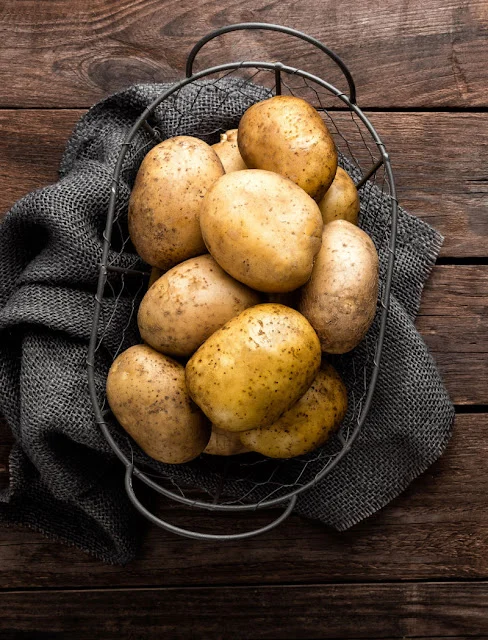
The classification of common root vegetables significantly impacts their suitability as feed for backyard poultry, as the chemical compositions of white potatoes, sweet potatoes, and yams vary according to their distinct botanical families. While these vegetables are often grouped together in culinary contexts, their physiological effects on chickens range from highly nutritious to potentially toxic. Avian nutritionists and experienced poultry keepers emphasize that understanding the biological differences between the Solanaceae, Convolvulaceae, and Dioscoreaceae families is essential for maintaining flock health and ensuring optimal egg production.

The Nightshade Risk: Chemical Composition of White Potatoes
White potatoes, along with red and yellow varieties (Solanum tuberosum), belong to the nightshade family, or Solanaceae. This botanical group also includes tomatoes, peppers, and eggplants. The primary concern regarding these plants is the presence of solanine, a bitter glycoalkaloid that serves as a natural pesticide and neurotoxin for the plant.
In poultry, solanine is not easily metabolized and can lead to cumulative toxicity. The highest concentrations of this toxin are found in the green portions of the potato, specifically the skin of sun-exposed tubers, the "eyes" or sprouts, and the vines, flowers, and leaves. Even in unblemished potatoes, the flesh contains trace amounts of the toxin.

The Mechanism of Solanine Toxicity
Solanine acts as an acetylcholinesterase inhibitor. In avian physiology, this interference with neurotransmitters can lead to a variety of clinical symptoms. While a single ingestion of a small amount of potato may not be immediately fatal, the toxin can accumulate in the bird’s system over time, leading to chronic health issues or sudden death in vulnerable individuals.
Symptoms of solanine poisoning in chickens include:

- Gastrointestinal distress, including severe diarrhea and vomiting.
- Neurological impairment, characterized by lethargy, paralysis, or lack of coordination.
- Respiratory distress and labored breathing.
- Potential damage to internal organs, particularly the liver and kidneys.
Agricultural data suggests that while healthy adult birds may show higher resistance to glycoalkaloids, the very young (chicks), the elderly, and birds with compromised immune systems are at significantly higher risk.
Thermal Stability of Glycoalkaloids
A common misconception in poultry management is that cooking renders all vegetables safe. Scientific analysis of solanine reveals that the toxin is highly heat-stable. While baking or frying at temperatures exceeding 400 degrees Fahrenheit can partially degrade solanine, standard boiling has a negligible effect on toxin levels. Consequently, boiled white potato scraps remain a potential hazard for backyard flocks. Expert recommendations suggest that if poultry owners insist on feeding white potatoes, they should only use fully ripened, peeled, and high-heat-cooked tubers, though many veterinarians advise avoiding the Solanaceae family entirely to eliminate risk.

Sweet Potatoes: The Nutritional Superfood for Poultry
In contrast to the risks associated with white potatoes, sweet potatoes (Ipomoea batatas) offer a safe and highly nutritious alternative. Belonging to the morning glory family (Convolvulaceae), sweet potatoes do not contain solanine. This makes every part of the plant—including the tubers, skins, vines, and leaves—safe for avian consumption in both raw and cooked forms.
Comparative Nutritional Analysis
Sweet potatoes are frequently categorized as a "superfood" due to their dense nutrient profile. For chickens, these nutrients support various physiological functions:

- Beta-carotene and Vitamin A: Essential for immune health and respiratory membrane integrity. High levels of beta-carotene in the diet can also contribute to deeper, more vibrant orange egg yolks.
- Vitamin C: Acts as an antioxidant, helping birds manage heat stress and environmental changes.
- Potassium and Manganese: Critical for bone development and heart function.
- Fiber: Aids in digestive health, though it must be balanced to prevent crop impaction.
From a caloric perspective, sweet potatoes provide a steady source of energy with fewer simple carbohydrates than white potatoes, making them a superior choice for maintaining a healthy weight in a flock.
Yams and the Importance of Preparation
The term "yam" is often used interchangeably with sweet potatoes in North American markets, but true yams (Dioscorea) belong to the lily family (Dioscoreaceae). While they are safe for chickens, they require specific preparation to neutralize antinutrients.

Oxalic Acid and Eggshell Quality
Yams contain varying levels of oxalic acid, a compound also found in spinach and beet greens. In high quantities, oxalic acid binds with calcium, creating calcium oxalate. For laying hens, this can interfere with the calcium absorption necessary for eggshell formation, potentially leading to soft-shelled or "rubber" eggs.
Furthermore, raw yams contain specific plant proteins that can be toxic to birds. Therefore, yams must always be peeled and thoroughly cooked before being offered to a flock. When prepared correctly, yams provide beneficial fiber, Vitamin B5, and manganese, supporting the bird’s antioxidant defenses and skeletal health.

Chronology of Dietary Management and Best Practices
The evolution of backyard poultry feeding has shifted from "table scrap disposal" to a more scientific, nutrition-focused approach. Historically, farm flocks were often fed whatever kitchen waste was available. However, as the understanding of avian toxicology has advanced, the guidelines for supplemental feeding have become more stringent.
The 10 Percent Rule
Modern poultry science dictates that a balanced commercial feed should constitute at least 90% of a chicken’s daily intake. These feeds are formulated with precise ratios of protein, calcium, and minerals. Supplemental "treats," including safe vegetables like sweet potatoes, should be limited to roughly 10% of the total diet. This equates to approximately one tablespoon of supplemental food per hen per day. Overfeeding treats, even nutritious ones, can dilute the essential nutrients found in primary feed, leading to deficiencies.

Avoiding Mycotoxins
A critical safety factor in feeding any root vegetable—white potato, sweet potato, or yam—is the presence of mold. Moldy vegetables can harbor mycotoxins, such as aflatoxin, which are highly toxic to poultry. Mycotoxin poisoning can cause acute liver failure, suppressed immune function, and a precipitous drop in egg production. Journalistic investigations into flock die-offs often point to moldy kitchen scraps as a primary culprit. Poultry keepers are advised to follow the "if you wouldn’t eat it, don’t feed it" rule regarding the freshness of scraps.
Broader Impact and Implications for Sustainable Agriculture
The practice of feeding garden surplus and kitchen scraps to poultry is a cornerstone of the circular economy and sustainable homesteading. By diverting vegetable waste from landfills and converting it into high-quality protein (eggs and meat), backyard keepers reduce their environmental footprint.

Economic Benefits for Small-Scale Producers
Switching from white potatoes to sweet potatoes in a household diet can have a positive secondary effect on poultry production costs. Because sweet potato vines and leaves are edible and highly prolific, they provide a "free" source of green forage during the summer months. This reduces the reliance on expensive store-bought greens and provides environmental enrichment for confined birds, reducing stress-related behaviors like feather picking.
Impact on Egg Quality and Consumer Perception
Data from agricultural studies suggest that the inclusion of carotenoid-rich vegetables like sweet potatoes in a hen’s diet significantly improves the aesthetic and nutritional quality of the eggs. Consumers increasingly favor "pasture-raised" or "supplemented" eggs that feature dark yolks, which are perceived as a hallmark of bird health and superior flavor. By choosing safe, nutrient-dense tubers over potentially toxic ones, producers can meet these market demands while ensuring the longevity of their flock.

Summary of Recommendations for Poultry Owners
The consensus among avian experts and agricultural researchers provides a clear framework for the inclusion of tubers in a poultry diet. To ensure the safety and productivity of a backyard flock, keepers should adhere to the following guidelines:
- Eliminate or Minimize White Potatoes: Avoid feeding raw white potatoes, green skins, or any part of the potato plant. If cooked white potatoes are used, they must be fully ripe, peeled, and prepared at high temperatures.
- Prioritize Sweet Potatoes: Utilize all parts of the sweet potato plant as a safe, nutrient-rich supplement. Both raw and cooked tubers are acceptable.
- Prepare Yams with Caution: Always peel and cook yams to neutralize toxic proteins and manage oxalic acid levels.
- Enforce Strict Rationing: Maintain the 10% treat limit to prevent nutritional imbalances.
- Quality Control: Rigorously inspect all scraps for mold or decay before offering them to the flock.
By applying these botanical and nutritional distinctions, poultry keepers can optimize the health of their birds, improve the quality of their produce, and mitigate the hidden risks associated with common garden vegetables. The transition toward a more informed feeding strategy represents a significant step forward in the management of domestic avian welfare.