
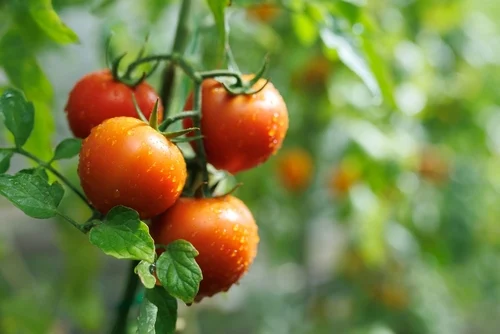
The intersection of horticulture and animal husbandry often presents complex challenges for backyard farmers, particularly regarding the dietary safety of common garden produce for poultry. Tomatoes, a staple of the summer garden, belong to the Solanaceae family, commonly known as nightshades. While these fruits are a prized source of nutrition for humans, their inclusion in a chicken’s diet requires a nuanced understanding of botanical toxins and nutritional balance. Recent agricultural assessments highlight that while ripe tomatoes offer significant health benefits, the plant’s stems, leaves, and unripe fruit contain glycoalkaloids that can be detrimental, or even fatal, to avian health. To maintain a productive and healthy flock, poultry keepers must distinguish between the beneficial nutrients found in the mature fruit and the chemical defenses the plant employs during its growth cycle.
The Chemical Composition of Nightshades: Solanine and Tomatine
The primary concern regarding tomatoes and poultry involves two specific glycoalkaloids: solanine and tomatine. These compounds serve as natural pesticides for the plant, deterring insects and herbivores from consuming the foliage or immature fruit. Solanine is a bitter-tasting steroidal alkaloid found throughout the Solanaceae family, which includes potatoes, eggplants, and peppers. In chickens, solanine acts as a neurotoxin and a gastrointestinal irritant. It inhibits the enzyme acetylcholinesterase, leading to a breakdown in nervous system communication.

Tomatine, while similar to solanine, is more specific to the tomato plant (Solanum lycopersicum). It is found in high concentrations in the green tissues of the plant and the green, unripe fruit. As the tomato matures and changes color—transitioning from green to yellow, orange, or red—the concentration of tomatine significantly diminishes. By the time a tomato is fully ripe, the levels of these alkaloids are generally considered negligible for healthy adult humans and, in controlled amounts, safe for mature poultry. However, the stems and leaves remain toxic throughout the plant’s life cycle, posing a persistent risk to foraging birds.
Identifying Symptoms of Glycoalkaloid Poisoning in Avian Species
Veterinary observations and toxicological reports indicate that the severity of poisoning in chickens depends on the quantity of toxin ingested relative to the bird’s body mass. Because chickens are opportunistic foragers, they may accidentally ingest fallen leaves or peck at unripe fruit if they have access to a garden.
Symptoms of solanine poisoning in poultry are often systemic and can escalate rapidly. Clinical signs include a significantly slowed pulse, which indicates cardiovascular distress, and a noticeable drop in body temperature. Affected birds may exhibit signs of abdominal pain, characterized by a hunched posture or reluctance to move. Digestive upset, including severe diarrhea and vomiting, is common as the body attempts to expel the toxins. In severe cases, the neurological impact can lead to paralysis or respiratory failure.

Tomatine poisoning, while often less lethal than acute solanine toxicity, still causes significant morbidity. The primary symptoms include nausea, visible lethargy, and intestinal cramping. These issues can lead to a temporary cessation of egg production as the hen’s body redirects energy toward detoxification and metabolic recovery. For young chicks, whose immune systems and metabolic pathways are not fully developed, even small amounts of these toxins can be fatal, leading to the general recommendation that tomatoes be excluded entirely from the diets of birds under 12 weeks of age.
The Nutritional Profile of Ripe Tomatoes: Benefits for the Flock
When the risks of toxicity are managed through proper ripeness and portion control, tomatoes serve as a powerhouse of avian nutrition. They are rich in antioxidants, which play a crucial role in cellular health and the prevention of oxidative stress. One of the most significant components is lycopene, a carotenoid responsible for the red pigment of the fruit. In poultry, lycopene and other carotenoids contribute to the vibrancy of egg yolk color, a trait often prized by consumers of backyard eggs.
Beyond pigments, tomatoes provide an essential array of vitamins and minerals:

- Vitamin A: Essential for maintaining the integrity of mucosal membranes and supporting vision health.
- Vitamin C: While chickens can synthesize their own Vitamin C, supplemental intake during heat stress or illness supports immune function.
- Vitamin K: Critical for blood clotting and bone metabolism.
- Potassium: An important electrolyte that aids in heart function and fluid balance.
- Fiber: Supports the digestive system, though excessive amounts can interfere with the absorption of other nutrients.
These nutrients collectively support the skeletal system, enhance the bird’s natural immune response to common pathogens like coccidiosis, and contribute to the overall luster of the plumage.
Feeding Protocols and the Ten Percent Rule
Agricultural experts and avian nutritionists emphasize that treats, including ripe tomatoes, should never replace a balanced commercial feed. A standard layer pellet or crumble is formulated to provide the exact ratio of protein, calcium, and phosphorus required for egg production. Deviating from this balance can lead to nutritional deficiencies.
The "Ten Percent Rule" is the industry standard for supplemental feeding. This guideline suggests that treats should comprise no more than 10% of a chicken’s total daily caloric intake. For an average adult hen, this equates to approximately one to two tablespoons of supplemental food per day. When feeding tomatoes, they should be sliced or mashed to ensure the birds can consume them easily without wasting the fruit. Furthermore, any tomatoes provided should be "table-ripe"—meaning they are soft and fully colored—to ensure the alkaloid content is at its absolute minimum.

Chronology of Tomato Growth and Risk Management
Managing a flock’s exposure to tomatoes requires a seasonal approach aligned with the plant’s life cycle.
- Spring Planting: During the early growth phase, tomato starts are highly concentrated in solanine. Chickens should be fenced away from garden beds to prevent them from stripping the young leaves.
- Summer Maturation: As the plants grow and produce green fruit, the risk of tomatine poisoning is at its peak. It is during this time that most accidental poisonings occur, often when heavy rains or wind knock unripe fruit to the ground where foraging chickens can access them.
- Harvest Season: This is the safest window for feeding. Excess "seconds" or overripe tomatoes that are not suitable for human consumption can be gathered. However, the vines must be disposed of in a location inaccessible to the birds, as the wilted leaves remain toxic.
- Post-Harvest Cleanup: Once the garden is finished, many owners are tempted to let the chickens "till" the soil. This practice is dangerous if tomato vines are still present. All nightshade plant matter must be removed and composted (ideally in a hot compost pile to break down alkaloids) before the flock is allowed into the garden space.
Expert Perspectives and Veterinary Consensus
The consensus among veterinary toxicologists is one of "cautious inclusion." Dr. Emily Roberts, an avian specialist, notes that "the primary danger is not the tomato fruit itself, but the lack of discernment in a free-ranging environment." Veterinary clinics frequently report an uptick in gastrointestinal distress in backyard flocks during the peak of the gardening season, often attributed to the ingestion of garden waste.
Poultry experts suggest that the "moderation" mentioned in traditional husbandry guides is not merely a suggestion but a physiological necessity. Because chickens have a relatively short digestive tract, they are sensitive to rapid changes in diet. Introducing a large quantity of watery, acidic fruit like tomatoes can shift the pH of the crop and gizzard, potentially leading to conditions like "sour crop" or disrupting the beneficial gut flora required for efficient digestion.

Broader Implications for Sustainable Homesteading
The discussion regarding tomatoes and chickens reflects a larger trend in sustainable agriculture: the integration of livestock and crop production. While using chickens to manage garden pests and utilize food waste is an hallmark of permaculture, it requires a sophisticated understanding of plant biology.
The economic implications of flock health are significant for small-scale producers. A sudden loss of birds due to preventable poisoning or a drop in egg production caused by dietary distress can undermine the viability of a backyard farm. Therefore, education on the chemical properties of common plants—moving beyond "safe" or "unsafe" labels to understand "parts" and "stages"—is essential for the modern homesteader.
Furthermore, as the backyard chicken movement continues to grow in urban and suburban environments, the reliance on garden scraps as a primary food source is increasing. This trend necessitates clearer labeling and educational resources from hatcheries and agricultural extensions regarding the risks of the Solanaceae family. By adhering to strict feeding protocols and ensuring that only ripe fruits are provided in limited quantities, poultry keepers can harness the nutritional benefits of the tomato while shielding their flocks from the hidden toxins of the nightshade family. The key to a healthy flock lies in the transition from opportunistic feeding to a structured, informed nutritional strategy.