
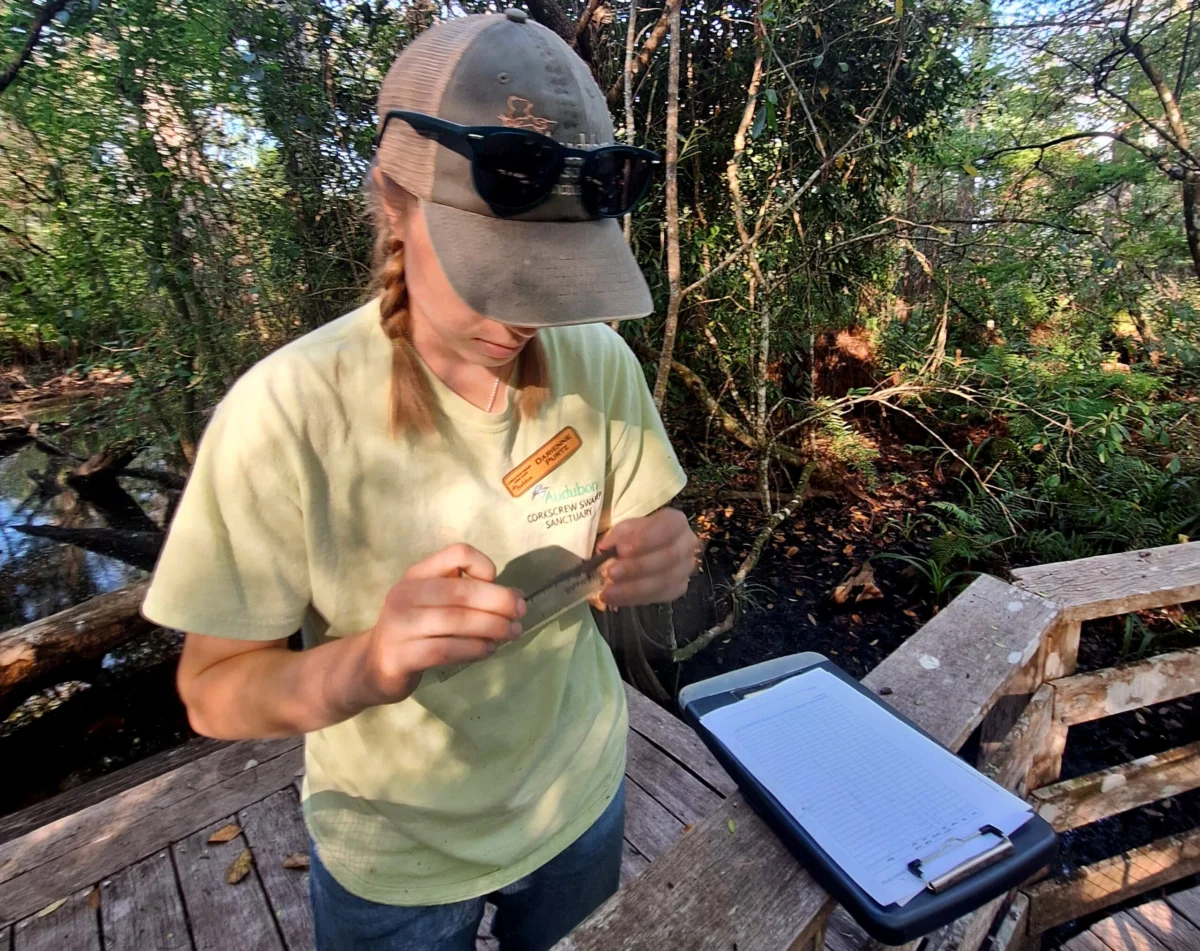
Monitoring aquatic life stands as a cornerstone of the Audubon Society’s comprehensive strategy for assessing environmental conditions and safeguarding biodiversity. At the heart of Florida’s Western Everglades, Audubon’s Corkscrew Swamp Sanctuary exemplifies this commitment through a rigorous aquatic surveying program that provides invaluable insights into the health of one of the state’s most iconic and vulnerable wetland ecosystems. This detailed monitoring, conducted by dedicated research associates like Darienne Purtz, serves as an early warning system, highlighting the subtle yet profound impacts of environmental change and burgeoning human development on a delicate natural balance.
The Sanctuary’s Enduring Mission and Unique Ecosystem
Audubon’s Corkscrew Swamp Sanctuary, a pristine expanse of ancient bald cypress forest and diverse wetlands, is a testament to conservation efforts dating back to its establishment in 1954. Spanning approximately 13,000 acres, it protects the largest remaining old-growth cypress forest in North America, a critical habitat for a vast array of wildlife, including numerous endangered and threatened species. The Sanctuary’s mission is multifaceted: to protect birds, other wildlife, and people from the unintended consequences of rapid development and associated human activity in the surrounding region. This protection extends beyond its boundaries, influencing conservation strategies across the wider Western Everglades, a vital hydrological basin that feeds into the greater Everglades ecosystem. The sanctuary’s unique position, nestled amidst agricultural lands and expanding urban areas, makes its ecological monitoring efforts particularly urgent and relevant.
The Western Everglades, a sprawling mosaic of wetlands, pine flatwoods, and cypress swamps, is defined by its intricate hydrological patterns—a dynamic interplay of wet and dry seasons that dictate the life cycles of its flora and fauna. This natural rhythm, however, is increasingly disrupted by human alterations to water flow, nutrient pollution, and habitat fragmentation. Understanding how these changes manifest at the foundational level of aquatic communities is paramount, and this is precisely where Corkscrew’s monitoring program plays a critical role.
The Aquatic Surveying Program: A Window into Wetland Vitality
The aquatic surveying program at Corkscrew Swamp Sanctuary is meticulously designed to track populations of small aquatic animals—a diverse group encompassing fish, amphibians, and insects. These species are not merely inhabitants of the water; they are keystone indicators of wetland health and form the essential prey base for larger predators, including wading birds, alligators, otters, and various reptiles. Their presence, abundance, and diversity directly reflect the quality of water, the duration of inundation, and the overall ecological integrity of the wetland.
"We have survey sites in five different areas of the Sanctuary, where we collect data three times a year," explains Darienne Purtz, a research associate whose work often takes her deep into the sanctuary’s backcountry. Four of these sites are strategically located within areas undergoing wetland restoration activities, allowing researchers to gauge the efficacy of these interventions. The fifth site, uniquely, is situated along the CLASS loop of the boardwalk, a location primarily accessed during educational programs. This specific site offers a valuable opportunity for public engagement, allowing visitors to witness scientific research firsthand and connect with the sanctuary’s conservation mission. The visibility of such work helps foster appreciation and understanding among the public regarding the delicate balance of wetland ecosystems and the threats they face.
The monitoring schedule is synchronized with the swamp’s distinct seasonal hydrological shifts: sampling occurs in the late-wet season (October-November), the early-dry season (December), and the mid-dry season (January-February). This tripartite approach is crucial because the swamp undergoes dramatic transformations over the course of a year. During the wet season, vast areas are inundated, providing expansive habitats for aquatic life. As the dry season progresses, water levels recede, concentrating aquatic organisms into smaller, often isolated pools, which in turn become critical foraging grounds for wading birds. By sampling across these distinct periods, biologists can observe how aquatic animal populations respond to varying water depths, temperatures, and resource availability, providing a dynamic picture of ecosystem resilience and vulnerability.
Methodology: Trapping, Identification, and Data Collection
At each designated study site, Purtz employs a standardized methodology involving the deployment of six wire mesh minnow traps. These traps, designed to capture small aquatic organisms without causing harm, are carefully placed at water depths of at least 10 centimeters (approximately 4 inches) to ensure sufficient water for the animals to move and remain active. The design of these traps, typically cylindrical with funnel entrances, allows small fish and invertebrates to enter easily but makes exiting difficult, ensuring a representative sample.
Roughly twenty-four hours after deployment, Purtz returns to check the traps. This process involves meticulous collection of the captured animals, which are then carefully transported back to the sanctuary’s laboratory. In the lab, a detailed analysis begins: each captured animal is identified to species level, sexed (for species where this is discernable and relevant), and measured. This precise data collection allows researchers to track population demographics, species diversity, and individual growth rates over time. The identification process is critical, as the presence or absence of certain species can be a strong indicator of specific environmental conditions, such as water quality or the duration of flooding. For instance, species adapted to longer hydroperiods (the length of time an area is flooded) might disappear if the water recedes too quickly or too often due to human interference.
The effectiveness of minnow trapping is inherently linked to environmental conditions. "Minnow trapping only works if there is enough water for fish and other species to move around, and if that water is warm enough that they are active," Purtz notes. Cold water can reduce metabolic rates and activity levels, leading to underrepresentation in trap catches, while insufficient water simply prevents the traps from functioning. These considerations highlight the importance of the seasonal sampling schedule and the need for consistent methodology to ensure data comparability over time.
A Glimpse into the Catch: Today’s Discoveries
On a recent monitoring expedition to the CLASS loop site, Purtz demonstrated the hands-on nature of the research. Rolling her wheeled cart, laden with a clipboard, boots, and other essential gear, she navigated the boardwalk, occasionally pausing to engage with curious visitors. This public interaction is an important aspect of the sanctuary’s outreach, allowing visitors to appreciate the scientific rigor behind conservation efforts.
Upon reaching the site, Purtz meticulously recorded the time the traps were pulled and the current water depth – critical metadata that contextualizes the catch. Opening the first trap, she prepared her ruler, ready to measure the squirming inhabitants. Amidst the usual flurry of small fish, a particularly exciting discovery emerged: a peninsula newt, Notophthalmus viridescens piaropicola. This species of amphibian is a fascinating resident of Florida’s freshwater systems, relying on calm, vegetated waters for survival. From their larval stage, when they are fully aquatic, through their adult form, they seek refuge in dense vegetation, protected from predators. Interestingly, peninsula newts possess skin toxins that render them unpalatable to many fish, though crayfish, turtles, and wading birds are known to consume them. The co-occurrence of these newts with slough crayfish, which Purtz also recorded in the traps, provides valuable ecological information about predator-prey dynamics and habitat preferences within the swamp.
Commonly caught fish species in the traps include flagfish (Jordanella floridae), golden topminnow (Fundulus chrysotus), and Eastern mosquitofish (Gambusia holbrooki). These small fish are crucial components of the wetland food web, acting as primary consumers of algae and detritus, and in turn, serving as a primary food source for larger aquatic and avian predators. Beyond fish, the traps frequently yield a variety of other aquatic fauna, such as crayfish, a significant food source for many animals; amphibians, both adult and larval forms, which bridge the aquatic and terrestrial environments; and a fascinating array of aquatic insects, including predaceous diving beetles, which are apex predators in their microhabitats. Each species contributes a piece to the larger puzzle of wetland health.
Once all trap contents are carefully removed, identified, and recorded, Purtz systematically loads the empty traps back onto her cart. The journey back to the lab marks the transition from field collection to data processing, where the raw observations are transformed into actionable scientific data. This data is then meticulously entered into databases, forming part of a long-term dataset that allows for robust trend analysis and scientific publication.
Why This Is Important: Ecological Indicators and Broader Implications
Aquatic fauna sampling is far more than an academic exercise; it is one of the many indispensable tools Audubon staff utilize to monitor wildlife populations and inform the conservation and restoration of natural ecosystems throughout the Western Everglades. The data collected provides immediate feedback on environmental conditions and serves as a critical bellwether for the wider ecosystem.
"The presence and absence of some species indicate how long the site has been flooded and water quality conditions," Purtz emphasizes. This concept is central to the field of bioindication. For example, certain species thrive only in pristine, oxygen-rich waters, while others can tolerate more polluted or stagnant conditions. Changes in species composition or abundance can therefore signal shifts in water quality, hydrological patterns, or even the introduction of contaminants. The variation in species caught and the numbers of individuals across different seasons further inform biologists about the dynamic responses of these communities to the annual rise and fall of water levels, which are increasingly impacted by human water management practices.
The comprehensive data on fish, insect, amphibian, and reptile populations provides biologists with a crucial understanding of how the ecosystem responds to wetland water levels. Critically, this data also offers invaluable insight into the food available for predators, such as the numerous species of wading birds that flock to the sanctuary, as well as alligators and otters. If the prey base diminishes due to habitat degradation or altered hydroperiods, it directly impacts the reproductive success and survival rates of these higher trophic level species. This interconnectedness underscores the profound ripple effects of even subtle environmental changes.
These aquatic prey species are key indicators, and the data collected from a variety of surveys—including those of animals in the water and on land, combined with detailed vegetation surveys—enables the research team to connect the dots. By integrating these diverse datasets, researchers can build a holistic picture, linking the annual hydrological cycle to the overall health and productivity of the entire Corkscrew Swamp ecosystem. This integrated approach allows for a deeper understanding of cause-and-effect relationships and empowers evidence-based conservation strategies.
Challenges and Broader Implications of Development
The "unintended consequences of burgeoning development and associated human activity nearby" are not abstract threats but tangible pressures on the Corkscrew Swamp Sanctuary. Rapid urbanization and agricultural expansion in southwest Florida lead to significant alterations in natural hydrology. Ditching, draining, and impounding water for human use can drastically change the timing, duration, and extent of wetland inundation, directly impacting aquatic life. For instance, shortened hydroperiods can prevent fish and amphibians from completing their life cycles, leading to population declines. Furthermore, runoff from agricultural lands and urban areas introduces pollutants such as pesticides, herbicides, and excess nutrients (nitrogen and phosphorus), which can degrade water quality, trigger harmful algal blooms, and directly poison aquatic organisms. Habitat fragmentation, another consequence of development, isolates wetland patches, preventing genetic exchange and making populations more vulnerable to local extinctions.
The data gathered from aquatic monitoring is thus instrumental in demonstrating these impacts and advocating for more sustainable land and water management practices. By quantifying changes in aquatic communities, Audubon can provide robust evidence to policymakers and stakeholders, urging for more stringent environmental protections and comprehensive restoration initiatives.
Conservation, Restoration, and Public Engagement
The information gleaned from aquatic surveys directly informs the Sanctuary’s conservation and restoration efforts. For instance, data showing a decline in certain sensitive aquatic species might prompt investigations into localized water quality issues or changes in water flow, leading to targeted restoration projects. These projects might include re-establishing natural hydrological connections, removing invasive species that outcompete native aquatic life, or implementing buffer zones to reduce pollutant runoff.
The CLASS loop boardwalk, where Purtz occasionally conducts her work, serves a dual purpose: it is a research site and a vital educational platform. The opportunity for visitors to observe scientists at work, to ask questions, and to learn about the intricate lives of wetland creatures fosters a deeper appreciation for conservation. This public engagement is crucial for garnering support for environmental policies and encouraging responsible stewardship of natural resources. Visitors’ expressions of "appreciation for the work underway" underscore the value of transparency and public involvement in scientific endeavors.
Future Outlook: Sustaining a Legacy
The long-term nature of the aquatic monitoring program at Corkscrew Swamp Sanctuary is a testament to Audubon’s commitment to understanding and protecting this critical ecosystem. Decades of consistent data collection provide an unparalleled historical baseline against which future environmental changes, including those driven by climate change, can be assessed. Rising sea levels and altered precipitation patterns are projected to significantly impact freshwater wetlands like Corkscrew, making long-term monitoring even more imperative.
The ongoing work of research associates like Darienne Purtz, supported by the broader Audubon team, ensures that the sanctuary remains a beacon of conservation in a rapidly changing world. By meticulously documenting the lives of the smallest aquatic inhabitants, they are charting the health of an entire ecosystem, providing the essential scientific foundation for its continued protection and restoration for generations to come. The interconnectedness of the swamp’s aquatic and terrestrial realms, from the tiniest fish to the majestic wading birds, underscores a profound ecological truth: the health of one element invariably reflects the health of the whole. And it is in these hidden depths that the true story of the Western Everglades is continuously being told.