
Washington State, a biodiverse region renowned for its stunning landscapes ranging from rugged coastlines to dense forests and arid eastern plains, hosts a vibrant calendar of bird festivals annually. These events, far exceeding mere recreational gatherings, serve as critical platforms for avian conservation, environmental education, and sustainable ecotourism, drawing thousands of participants each year. Organizations such as the National Audubon Society and its local chapters play a pivotal role in organizing and promoting these festivals, leveraging both physical presence and digital engagement strategies to foster a deeper connection between the public and the natural world. The act of signing up for updates, as indicated by recent online interactions, underscores a growing public interest in these initiatives and the broader conservation movement.
Washington is strategically located along the Pacific Flyway, a major north-south migratory route for birds in the Americas, making it a crucial stopover and breeding ground for an astonishing array of avian species. With over 400 species recorded within its borders, from iconic raptors like the Bald Eagle to delicate shorebirds and vibrant neotropical migrants, the state offers unparalleled birdwatching opportunities. The festivals capitalize on this natural wealth, strategically timed to coincide with peak migration periods or significant breeding events, thereby maximizing the chances for attendees to witness spectacular avian displays.
A Flourishing Tradition: The History and Evolution of Washington’s Bird Festivals
The tradition of organized birdwatching events in Washington dates back several decades, evolving from informal local gatherings into structured, multi-day festivals. Early initiatives were often driven by passionate local birding clubs and Audubon chapters, recognizing the unique avian diversity in their respective regions. These nascent events primarily focused on guided bird walks and identification workshops, aiming to introduce novices to the joys of birdwatching and provide seasoned birders with opportunities to explore new habitats.
Over time, as environmental awareness grew and the threats to bird populations became more apparent, the scope of these festivals expanded significantly. They transformed into comprehensive conservation events, incorporating scientific presentations, habitat restoration projects, youth education programs, and art exhibitions. The shift reflected a broader understanding that engaging the public on multiple levels—intellectual, emotional, and experiential—was essential for building a robust conservation ethic. The establishment of formal partnerships between local communities, state agencies like the Washington Department of Fish and Wildlife (WDFW), and non-profit organizations like Audubon further solidified their impact and reach. This collaborative model has allowed festivals to access broader funding, volunteer networks, and scientific expertise, enhancing their ability to deliver meaningful conservation outcomes.
Seasonal Spectacles: A Chronology of Washington’s Premier Bird Festivals
Washington’s bird festivals are meticulously scheduled to coincide with specific avian phenomena, offering a year-round calendar of engagement for enthusiasts. Each festival highlights the unique ecological characteristics of its host region and the particular species that frequent it during different seasons.
Spring Migrations: Welcoming Back the Birds
Spring in Washington marks the return of millions of migratory birds, transforming the state’s wetlands, coastlines, and forests into bustling avian highways. Festivals during this period are often focused on the spectacular movements of shorebirds and waterfowl.
- Grays Harbor Shorebird Festival (Grays Harbor): Typically held in late April or early May, this festival celebrates the arrival of tens of thousands of shorebirds, including Western Sandpipers, Dunlin, and Dowitchers, as they refuel in the rich mudflats of Grays Harbor on their journey north. Established in 1997, it provides crucial educational opportunities about the importance of estuarine habitats. Activities include guided field trips to prime viewing areas, workshops on bird identification and photography, and expert lectures on shorebird ecology and conservation. The festival also often includes citizen science projects, engaging participants in data collection that aids long-term monitoring efforts.
- Olympic BirdFest (Sequim, Olympic Peninsula): Occurring in March, this festival leverages the unique rain shadow climate of the Sequim-Dungeness Valley, which provides crucial wintering and migratory habitat. Participants explore diverse ecosystems from marine waters to mountain foothills, observing a wide range of species including Brant geese, Harlequin Ducks, and various raptors. The festival, which began in 2004, often features boat trips into the Strait of Juan de Fuca for pelagic birding, guided walks in the Dungeness National Wildlife Refuge, and a series of educational presentations from renowned ornithologists and naturalists. It also highlights the region’s strong indigenous heritage, sometimes incorporating cultural elements into its programming.
Summer Breeding Grounds: Life Along the Coast
As spring transitions to summer, many species settle into their breeding grounds, offering opportunities to observe nesting behaviors and fledgling birds. Marine bird festivals are particularly prominent during this season.
- Puffin Festival (Port Townsend/Protection Island): Usually held in late May or early June, this festival focuses on the charismatic Tufted Puffin, which nests on Protection Island National Wildlife Refuge, a critical breeding site in the Salish Sea. Although direct access to the island is restricted to protect nesting birds, the festival offers boat tours that provide excellent views of puffins and other marine birds like Rhinoceros Auklets and Black Oystercatchers. Beyond the puffins, the festival educates attendees about the broader marine ecosystem of the Salish Sea and the conservation challenges faced by its inhabitants. It also includes art shows, family activities, and presentations on marine biology and conservation. This festival began in 2008 and has steadily grown in popularity.
Autumn & Winter Gatherings: Migrants and Winter Residents
Autumn brings southbound migrants, and winter sees the arrival of vast numbers of waterfowl, raptors, and other species that choose Washington’s mild climate as their wintering grounds.
- Wings Over Water Northwest Birding Festival (Bellingham/Whatcom County): Typically held in March, though often featuring events throughout the colder months, this festival celebrates the abundance of wintering waterfowl and raptors in the estuarine and agricultural landscapes of Whatcom County. Key species include Snow Geese, Trumpeter Swans, and various species of ducks and raptors. The festival, which commenced in the early 2000s, offers guided field trips to prime viewing locations such as the Skagit Flats and Lummi Island, educational workshops, and family-friendly activities designed to connect people with the natural heritage of the Pacific Northwest.
- Skagit Valley Winter Birding Events: While not a single consolidated festival, the Skagit Valley hosts a series of focused birding events and open days from November through February, drawing immense crowds to witness the spectacle of tens of thousands of Snow Geese, Trumpeter Swans, and Tundra Swans. These birds blanket agricultural fields, offering breathtaking sights. Local organizations, often in partnership with Audubon, provide viewing stations, educational materials, and guided tours, emphasizing the delicate balance between agriculture and wildlife conservation in the valley.
Beyond Birdwatching: The Economic and Conservation Impact
The impact of Washington’s bird festivals extends far beyond the immediate enjoyment of birdwatching. They are significant contributors to local economies, powerful engines for conservation, and vital platforms for environmental education.
Economic Engine: Fueling Ecotourism
Ecotourism, with birdwatching at its forefront, is a rapidly growing sector of Washington’s economy. The festivals generate substantial revenue for local communities through accommodation bookings, dining, retail sales, and guided tour services. A 2011 study by the U.S. Fish and Wildlife Service indicated that wildlife watching activities, including birding, generated over $41 billion in economic output nationally. In Washington, this translates to millions of dollars annually, supporting numerous small businesses and creating jobs in often rural areas. For instance, a festival attracting 2,000 attendees, each spending an average of $200-$300 on lodging, food, and local purchases, can inject hundreds of thousands of dollars into the local economy over a weekend. This sustainable form of tourism provides an incentive for communities to protect the natural assets that attract visitors.
Conservation Initiatives: Protecting Avian Futures
A core mission of these festivals is to advance avian conservation. A portion of registration fees, donations, and merchandise sales often directly funds local conservation projects. These projects range from habitat restoration in critical wetlands and estuaries to scientific research on endangered species. Many festivals also incorporate citizen science initiatives, such as the annual Audubon Christmas Bird Count, which collects valuable data on bird populations, migration patterns, and habitat use. Participants contribute directly to scientific understanding, helping researchers and policymakers make informed decisions about conservation strategies.
"These festivals are indispensable," states a representative from Audubon Washington, whose organization frequently partners with local groups for these events. "They don’t just celebrate birds; they actively protect them. By bringing thousands of people to these critical habitats, we raise awareness, inspire action, and generate essential resources for conservation work. The data collected by citizen scientists during these events is incredibly valuable for long-term monitoring and informing our advocacy efforts."
Educational Outreach: Fostering Environmental Stewardship
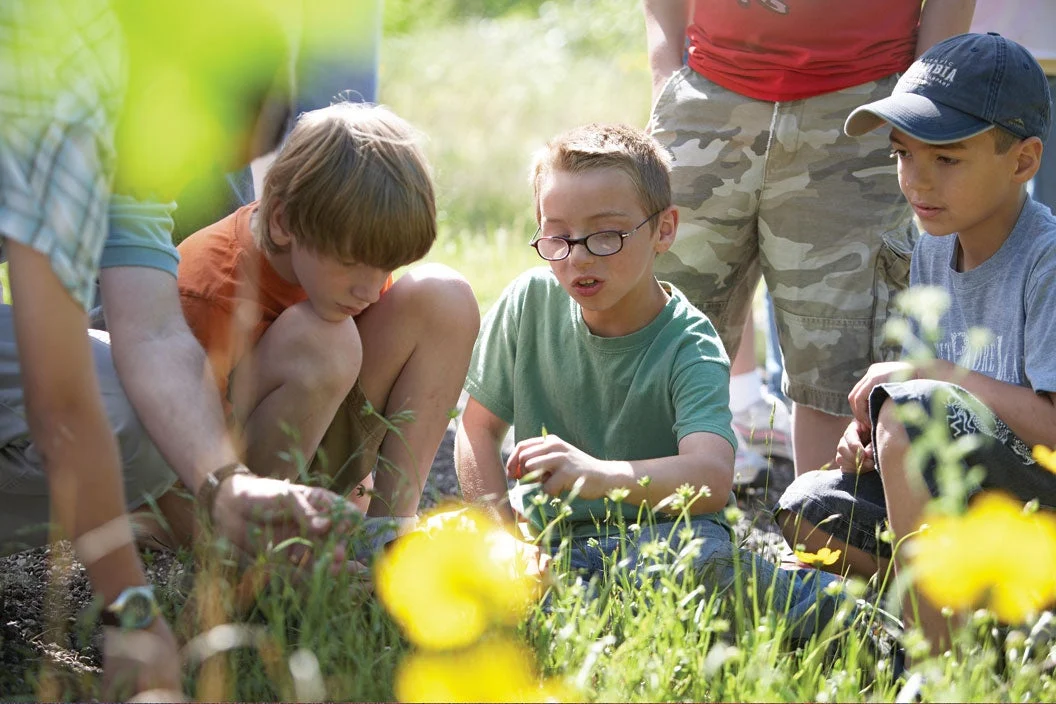
Education is a cornerstone of every bird festival. Programs are designed for all ages, from interactive children’s activities that introduce basic bird identification to advanced workshops for experienced birders. Expert-led field trips provide practical skills in observation and identification, while presentations from ornithologists, biologists, and Indigenous cultural leaders offer deep insights into avian ecology, conservation challenges, and the cultural significance of birds. This comprehensive educational approach helps to cultivate a new generation of environmental stewards, instilling a sense of responsibility for the natural world.
Voices from the Field: Stakeholder Perspectives
The success of Washington’s bird festivals is a testament to the collaborative spirit among various stakeholders.
From the Audubon Society: "Our commitment to connecting people with birds is at the heart of everything we do," an Audubon spokesperson might emphasize. "These festivals are vital touchpoints, transforming abstract concepts of conservation into tangible, awe-inspiring experiences. The ‘Thank you for signing up!’ message received by our subscribers is more than just an acknowledgement; it’s an invitation to join a community dedicated to protecting these precious creatures and their habitats. We see it as a direct line to individuals who are ready to learn, engage, and advocate for birds." The organization highlights how digital platforms, including newsletters and text message alerts, extend the reach of these festivals beyond their physical dates, keeping supporters informed about conservation victories, urgent calls to action, and opportunities to donate.
From Local Government and Tourism Boards: "Ecotourism, particularly birding, is a cornerstone of sustainable development for many of our rural communities," states a representative from a county tourism office. "Festivals like [specific festival name] bring visitors who appreciate our natural beauty and contribute directly to our local economies. It’s a win-win: visitors get to experience incredible wildlife, and our communities gain economic vitality while reinforcing the importance of preserving these natural treasures." These officials often point to the low environmental footprint of birdwatching compared to other forms of tourism, making it an ideal model for sustainable growth.
From Festival Organizers: "Organizing these festivals is a monumental effort, driven by the dedication of hundreds of volunteers," says a long-time festival coordinator. "Their passion, combined with the support from our community partners and the enthusiasm of attendees, is what makes these events so special. We aim to create an inclusive environment where everyone, regardless of their prior birding experience, feels welcome and inspired to learn more about birds and their protection."
From Wildlife Biologists: "The data gathered through citizen science initiatives at these festivals is invaluable for long-term ecological monitoring," explains a wildlife biologist with the WDFW. "When thousands of eyes are out observing and reporting, it provides a much broader and more frequent snapshot of bird populations than professional scientists could ever achieve alone. This information helps us track population trends, identify emerging threats, and assess the effectiveness of our conservation management strategies."
Challenges and the Path Forward: Safeguarding Avian Futures
Despite the successes of these festivals and the growing public engagement, Washington’s bird populations face numerous and escalating threats. Habitat loss due to urban development and agricultural expansion, climate change impacting migratory patterns and food sources, and the pervasive use of pesticides continue to exert immense pressure on avian species. Marine birds face additional threats from plastic pollution, oil spills, and ocean acidification.
The bird festivals serve as crucial platforms for raising awareness about these challenges. They provide opportunities for experts to present the latest scientific findings and for conservation organizations to advocate for policy changes. By showcasing the beauty and fragility of avian life, the festivals aim to galvanize public support for more robust environmental protections, sustainable land-use practices, and climate action. The continued engagement of the public, facilitated through various channels including digital subscriptions, is critical for mobilizing the collective action needed to address these complex issues.
Digital Engagement and the Future of Conservation
The integration of digital platforms, as exemplified by the subscription form that initiated this discussion, represents a vital evolution in conservation outreach. Organizations like Audubon understand that while physical festivals create powerful, immersive experiences, sustained engagement requires ongoing communication. Newsletters, email alerts, text messages (with appropriate consent), and social media campaigns allow these organizations to:
- Disseminate Information: Share news about conservation successes, urgent threats, and scientific discoveries.
- Mobilize Action: Call for support on legislative issues, recruit volunteers for habitat projects, or solicit donations for critical programs.
- Extend Education: Provide supplementary educational content, virtual field trips, and online workshops beyond the festival dates.
- Build Community: Foster a sense of belonging among subscribers, creating a network of informed and engaged advocates.
The very act of signing up for updates signifies a personal commitment to the cause, transforming a casual observer into a potential participant, donor, or advocate. This digital bridge ensures that the inspiration sparked at a bird festival can translate into sustained, year-round action for conservation. Furthermore, the use of reCAPTCHA and adherence to privacy policies and terms of service, as noted on the subscription page, underscores the commitment of these organizations to secure and ethical data management, building trust with their audience.
In conclusion, Washington State’s bird festivals are far more than mere events; they are dynamic, multifaceted initiatives that embody the spirit of conservation, education, and community engagement. From the intricate dances of shorebirds on Grays Harbor to the majestic presence of Trumpeter Swans in the Skagit Valley, these festivals offer profound opportunities to connect with nature’s wonders. By combining immersive field experiences with scientific insight, economic benefit, and robust digital outreach, they form a critical pillar in the ongoing effort to protect Washington’s extraordinary avian biodiversity for generations to come. The growing public interest, reflected in increasing attendance and digital subscriptions, signals a hopeful future where collective action continues to make a tangible difference in safeguarding our feathered friends.