
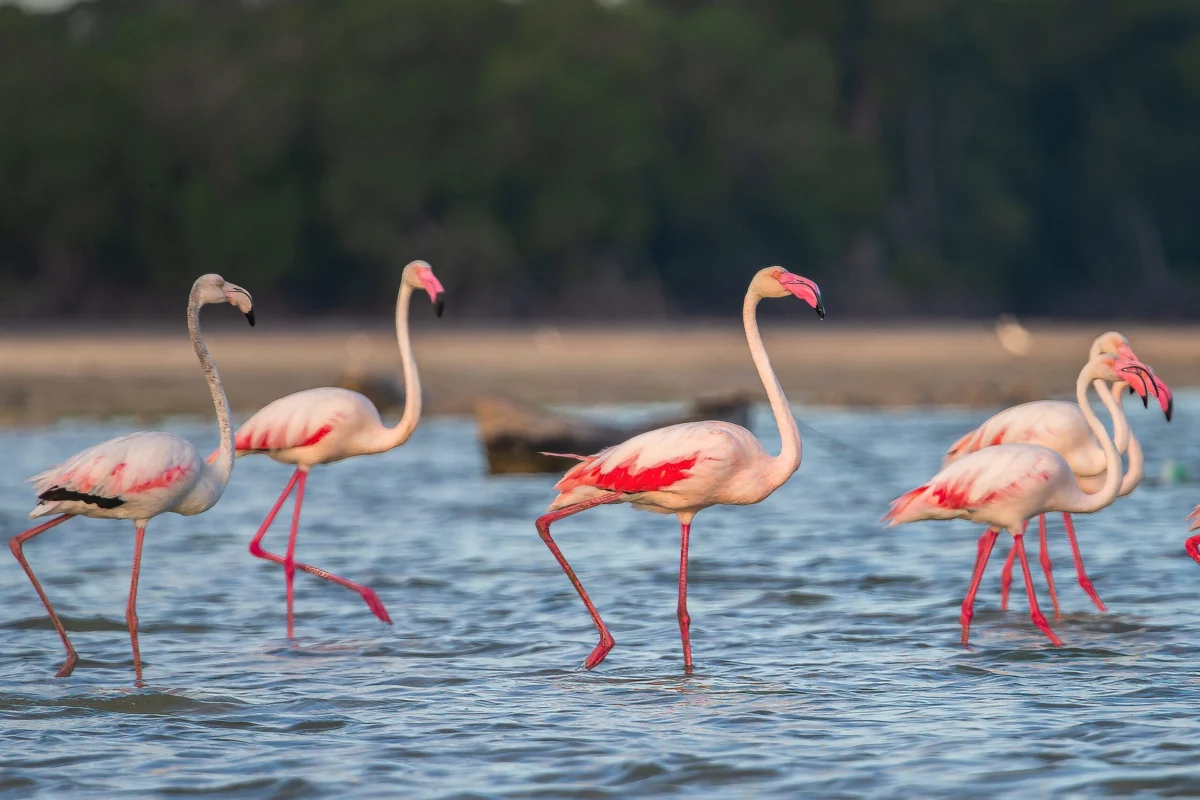
Wetlands International is proud to announce its role as an official campaign partner of the European Association of Zoos and Aquaria (EAZA)’s Wetlands for Life Conservation Campaign, running from 2026 to 2027. This significant collaboration will leverage the collective reach of the EAZA community and Wetlands International’s global expertise to amplify the crucial message of wetland conservation across Europe and on a broader international stage. The campaign aims to harness the power of hundreds of zoos and aquariums, reaching millions of visitors annually, to underscore the indispensable value of wetlands and to galvanize concerted action for their protection, restoration, and creation.
A Unified Vision for Wetlands and Human Well-being
The European Association of Zoos and Aquaria (EAZA), established in 1992, stands as the world’s largest regional association of zoos and aquariums. Guided by its ambitious vision, "Progressive zoos and aquariums saving species together with you," EAZA fosters collaborative efforts among its more than 400 member institutions spanning 47 countries. This collaboration is multifaceted, encompassing critical areas such as animal population management, animal care and welfare, science-based species conservation, education, research, and advocacy. Membership in EAZA is contingent upon adherence to stringent accreditation standards, ensuring a high level of commitment and operational excellence.
Wetlands International, as the sole global not-for-profit organization exclusively dedicated to the conservation and restoration of wetlands, brings a unique and vital perspective to this partnership. Operating through an extensive network of offices across Europe, Africa, Asia, and Latin America, Wetlands International collaborates with a diverse array of partners. These include local communities, civil society organizations, businesses, and governmental bodies, all united in the mission to safeguard wetlands for both biodiversity and human societies.
Wetlands, encompassing diverse environments from peatlands and marshes to mangroves and floodplains, are foundational to ecological health. They are indispensable for sustaining biodiversity, acting as significant carbon sinks, mitigating disaster risks, and supporting the livelihoods of countless communities. Despite their profound importance, wetlands are alarmingly among the most threatened ecosystems globally. The urgency of their plight, exacerbated by climate change and anthropogenic pressures, necessitates collaborative and impactful initiatives. By joining forces with EAZA, Wetlands International aims to significantly accelerate public understanding of wetland values and to catalyze tangible conservation outcomes.
Coenraad Krijger, CEO of Wetlands International, expressed his enthusiasm for the partnership, stating, "We are thrilled to partner with EAZA on the Wetlands for Life campaign. Healthy wetlands underpin our societies and economies, and are central to reversing nature loss and tackling climate change. Together, we will campaign with EAZA to raise awareness about these extraordinary ecosystems and inspire wetland action for the benefit of people, nature and climate in Europe and across the globe." This sentiment underscores the strategic alignment of both organizations’ core objectives and their shared commitment to addressing pressing environmental challenges.
Synergistic Strengths for Amplified Impact
The collaboration between Wetlands International and EAZA is poised to generate a powerful synergy, combining EAZA’s extensive public engagement capabilities with Wetlands International’s deep-rooted global expertise and practical field experience. This partnership will manifest through coordinated communication strategies and shared campaign initiatives designed to maximize reach and impact.
Key components of this collaborative effort will include:
- Joint Educational Initiatives: Developing and disseminating engaging educational materials about wetland ecosystems, their ecological functions, and the threats they face. This will likely involve leveraging the unique platforms of zoos and aquariums to connect with diverse audiences, from school children to adult visitors.
- Public Awareness Campaigns: Launching targeted campaigns across various media channels to highlight the critical importance of wetlands for biodiversity, climate regulation, and human well-being. These campaigns will aim to foster a greater appreciation for these often-overlooked landscapes.
- Citizen Science and Engagement Programs: Encouraging public participation in wetland monitoring, restoration activities, and advocacy efforts. This could involve developing frameworks for local communities and visitors to contribute to real-world conservation projects.
- Policy Advocacy: Working collaboratively to inform and influence policy decisions at local, national, and international levels to ensure stronger protection and more effective management of wetland resources.
- Showcasing Success Stories: Highlighting successful wetland conservation and restoration projects undertaken by EAZA members and Wetlands International, demonstrating the positive impact of concerted action and inspiring further efforts.
The overarching goal is to transform public perception, moving wetlands from the periphery of environmental concern to a central position in conservation dialogues. By effectively communicating the multifaceted benefits of wetlands – from their role in flood control and water purification to their capacity for carbon sequestration and support of vital food webs – the campaign seeks to cultivate a sense of urgency and inspire widespread commitment to their preservation.
Myfanwy Griffith, Executive Director of the European Association of Zoos and Aquaria, articulated the significance of this alliance: "This collaboration reflects what EAZA campaigns do best: unite our community, engage the public, and support credible, impactful conservation in the field." Her statement emphasizes EAZA’s established track record in mobilizing its network for conservation purposes and highlights the alignment of this partnership with the association’s strategic priorities.
Catherine King, Chair of the EAZA Wetlands for Life Campaign, further elaborated on the synergistic potential: "The partnership with Wetlands International will employ our complementary strengths as organisations to have a synergetic impact on wetland conservation and community engagement. We look forward to this opportunity!" This forward-looking statement underscores the anticipation and strategic intent behind the collaboration, aiming for outcomes that surpass the sum of individual efforts.
A Strategic Timeline for Wetland Action
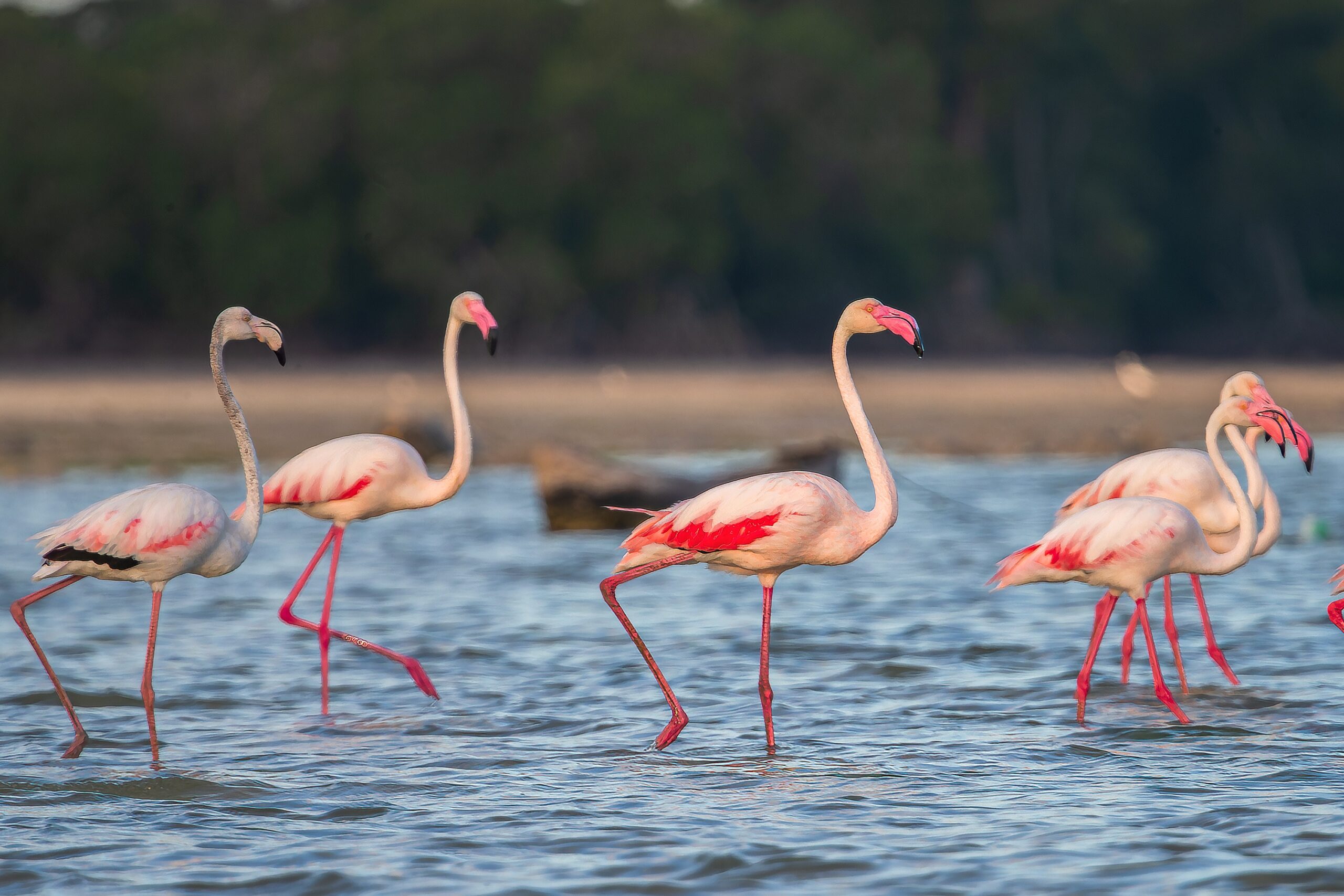
The "Wetlands for Life" campaign, spanning 2026 and 2027, is strategically designed to build momentum and deliver sustained impact. The initial phase will likely focus on establishing a strong foundation through extensive research, data collection, and the development of a comprehensive campaign toolkit for EAZA members. This period will also involve significant outreach to foster buy-in and active participation from zoos and aquariums across Europe.
As the campaign progresses into mid-2026, the focus will shift towards public engagement. This will involve the launch of coordinated media outreach, public events at EAZA institutions, and the dissemination of educational resources. The aim will be to create a visible and engaging narrative around wetlands, making their importance accessible and relatable to a broad audience. Simultaneously, Wetlands International will leverage its expertise to guide EAZA members in implementing on-the-ground conservation actions, potentially including habitat restoration projects within or near zoo facilities, or supporting larger-scale initiatives in their operational regions.
The latter half of 2026 and into 2027 will likely see an intensification of advocacy efforts. By gathering data on wetland status and the impact of conservation actions, the campaign will be well-positioned to engage with policymakers. This could involve presenting findings at relevant conferences, submitting policy briefs, and participating in public consultations related to environmental legislation. The campaign will also aim to document and share best practices, creating a lasting legacy of knowledge and actionable strategies for wetland conservation.
A crucial element of the campaign’s success will be its ability to demonstrate measurable outcomes. This could involve tracking metrics such as increased public awareness (through surveys), the number of restoration sites established or improved, the amount of habitat protected or created, and policy changes influenced. The campaign’s conclusion in late 2027 will ideally mark not an end, but a transition to sustained engagement and ongoing commitment to wetland conservation by both EAZA and Wetlands International.
The Ecological and Economic Imperative of Wetlands
Wetlands are often described as the "kidneys of the planet" due to their critical role in filtering water and maintaining water quality. Globally, wetlands provide essential ecosystem services valued at trillions of dollars annually. For instance, peatlands, a significant type of wetland, store twice as much carbon as all the world’s forests combined, making them vital allies in the fight against climate change. The Ramsar Convention on Wetlands, an intergovernmental treaty established in 1971, highlights the global importance of these ecosystems and has designated over 2,400 Ramsar sites worldwide, covering more than 250 million hectares.
The economic benefits derived from healthy wetlands are substantial and diverse. They support fisheries, provide raw materials for industries, offer recreational opportunities, and serve as natural buffers against floods and storm surges, thereby reducing infrastructure damage and safeguarding communities. The degradation or loss of wetlands, conversely, incurs significant economic costs, including increased water treatment expenses, greater vulnerability to natural disasters, and diminished natural resources.
A report by the World Wildlife Fund (WWF) in 2020 revealed that the world has lost 35% of its wetlands since 1970, with the rate of loss accelerating in recent decades. This alarming trend underscores the urgency of the "Wetlands for Life" campaign. By raising public awareness and mobilizing action, the partnership aims to reverse this decline and secure the future of these invaluable ecosystems.
Broader Implications and Future Outlook
The collaboration between Wetlands International and EAZA represents a powerful model for inter-sectoral cooperation in addressing complex environmental challenges. By bridging the gap between scientific expertise and public engagement, the "Wetlands for Life" campaign has the potential to create a ripple effect, inspiring similar partnerships and initiatives across other regions and for other critical ecosystems.
The campaign’s focus on Europe is particularly significant, given the continent’s diverse wetland types and the growing recognition of their importance in achieving climate and biodiversity targets. From the coastal salt marshes and estuaries to inland fens, bogs, and riverine floodplains, European wetlands are rich in biodiversity and provide essential services to millions of people. However, many of these habitats are under significant pressure from agricultural intensification, urban development, pollution, and climate change impacts such as sea-level rise and altered precipitation patterns.
The "Wetlands for Life" campaign’s emphasis on "protecting, restoring, and creating" wetlands acknowledges the multifaceted approach required for effective conservation. Protection efforts aim to prevent further degradation of existing wetlands, while restoration focuses on rehabilitating degraded sites to their former ecological function. The concept of "creating" wetlands, often through re-wetting drained peatlands or constructing artificial wetlands for specific purposes like wastewater treatment, offers additional opportunities for enhancing wetland cover and functionality.
As the campaign unfolds throughout 2026 and 2027, it is anticipated that Wetlands International and EAZA will actively engage with a wide spectrum of stakeholders. This will include not only the EAZA member institutions and their visitors but also local communities living near wetlands, national and regional governments responsible for environmental policy, businesses that rely on or impact wetland resources, and the broader scientific community.
The success of the "Wetlands for Life" campaign will ultimately be measured by its ability to foster a lasting cultural shift in how wetlands are perceived and valued. By empowering individuals and institutions with knowledge and opportunities for action, the campaign seeks to ensure that these extraordinary ecosystems continue to sustain life and provide essential services for present and future generations, contributing significantly to a healthier planet and more resilient societies.