
AMSTERDAM/GENEVA – March 17, 2026 – Wetlands International, a leading global organization dedicated to wetland conservation, has announced a significant strategic partnership with SHOAL, a dynamic initiative focused on the conservation of freshwater ecosystems and their imperiled species. This collaboration aims to amplify global efforts to protect and restore the world’s critically important, yet increasingly threatened, freshwater environments. The alliance underscores a shared commitment to addressing the escalating biodiversity crisis within these vital habitats.
The partnership, formalized on March 17, 2026, builds upon Wetlands International’s long-standing belief that collaborative action is paramount to effective conservation. The organization has consistently advocated for a multi-faceted approach, engaging local communities and Indigenous Peoples in co-creating sustainable solutions, while also pursuing strategic global partnerships to bolster awareness, influence policy, and accelerate tangible conservation outcomes for people, nature, and climate.
SHOAL, described as a "global ecosystem of partners and collaborators," shares this vision by working collectively to preserve the health of Earth’s freshwater habitats and champion the conservation of its most vulnerable freshwater species. This synergistic alliance is poised to leverage the unique strengths and extensive networks of both organizations.
A Deepening Crisis in Freshwater Ecosystems
Freshwater ecosystems, encompassing rivers, lakes, wetlands, and groundwater systems, are facing an unprecedented crisis. Decades of neglect, coupled with mounting pressures from pollution, habitat degradation, over-extraction of water, and the impacts of climate change, have pushed countless freshwater species to the brink of extinction. Scientific reports consistently highlight the dire state of these environments.
A landmark 2020 report by the World Wildlife Fund (WWF), the Living Planet Report, revealed an average decline of 84% in freshwater vertebrate populations between 1970 and 2016 – a steeper decline than observed in terrestrial or marine ecosystems. Freshwater fish and amphibians are particularly vulnerable, representing the most threatened vertebrate groups globally. This alarming trend not only signifies a catastrophic loss of biodiversity but also jeopardizes the essential ecosystem services that billions of people rely on for their livelihoods, food security, and well-being.
The implications of this crisis extend far beyond ecological concerns. Freshwater ecosystems are vital for regulating water cycles, purifying water, mitigating floods and droughts, and supporting a vast array of biodiversity. The decline of these systems directly impacts human health, agricultural productivity, and economic stability, particularly in regions heavily dependent on freshwater resources for sustenance and income.
Strategic Pillars of the Collaboration
Under the terms of this new strategic partnership, Wetlands International and SHOAL will focus on several key areas of collaboration. These include:
- Accelerating Global Conservation Action: The partnership will work to galvanize and coordinate efforts to scale up conservation initiatives for threatened freshwater species and their habitats.
- Policy Influence and Advocacy: Joint efforts will be directed towards influencing national and international policies to better protect freshwater ecosystems and species. This includes advocating for stronger legislation, improved water management practices, and increased investment in freshwater conservation.
- Research and Knowledge Sharing: The collaboration will foster the exchange of scientific knowledge, data, and best practices related to freshwater conservation, aiming to fill critical knowledge gaps and inform effective conservation strategies.
- Raising Public Awareness: Joint campaigns and communication initiatives will be launched to highlight the importance of freshwater ecosystems and the urgent need for their protection, engaging a wider audience in conservation efforts.
- Project Development and Implementation: The partners will collaborate on the development and implementation of on-the-ground conservation projects, focusing on areas with high biodiversity and significant threats.
Leveraging Existing Expertise and Networks
Wetlands International brings to the partnership a wealth of experience and an extensive global network, honed over decades of work in protecting and restoring freshwater ecosystems. Their ongoing initiatives span a diverse range of interventions, including dam and barrier removal projects in Europe, aimed at restoring river connectivity; water governance initiatives in Ethiopia, focusing on sustainable water resource management; and the development of alternative sustainable livelihoods in Latin America, designed to reduce pressure on freshwater resources.
The organization’s new 10-year strategy signals an intensified focus on rivers, lakes, and peatlands, adopting a landscape-level approach that moves beyond site-specific actions to influence broader environmental management. This strategy also includes continued support for two critical global initiatives: the Freshwater Challenge, which aims to restore 300,000 kilometers of rivers and 350 million hectares of wetlands by 2030, and the Peatland Breakthrough, focused on the global restoration of peatlands.
A New Focus on Migratory Freshwater Fish
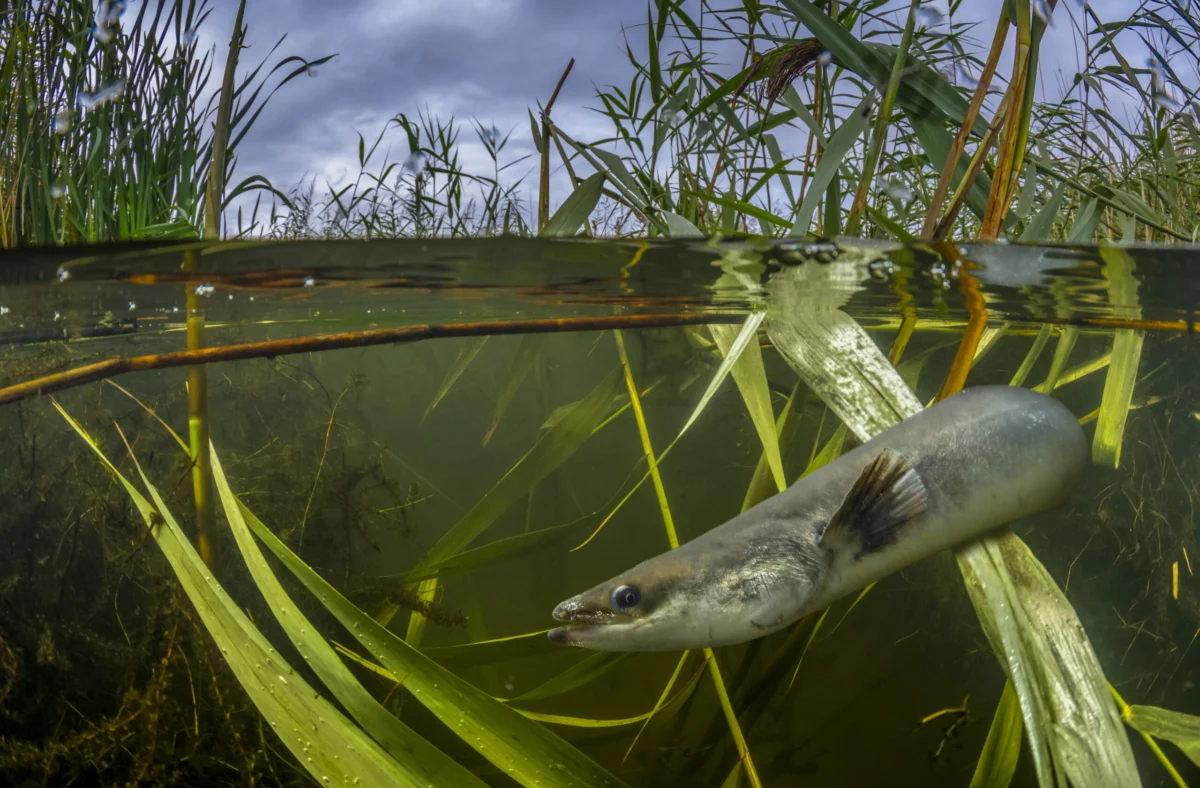
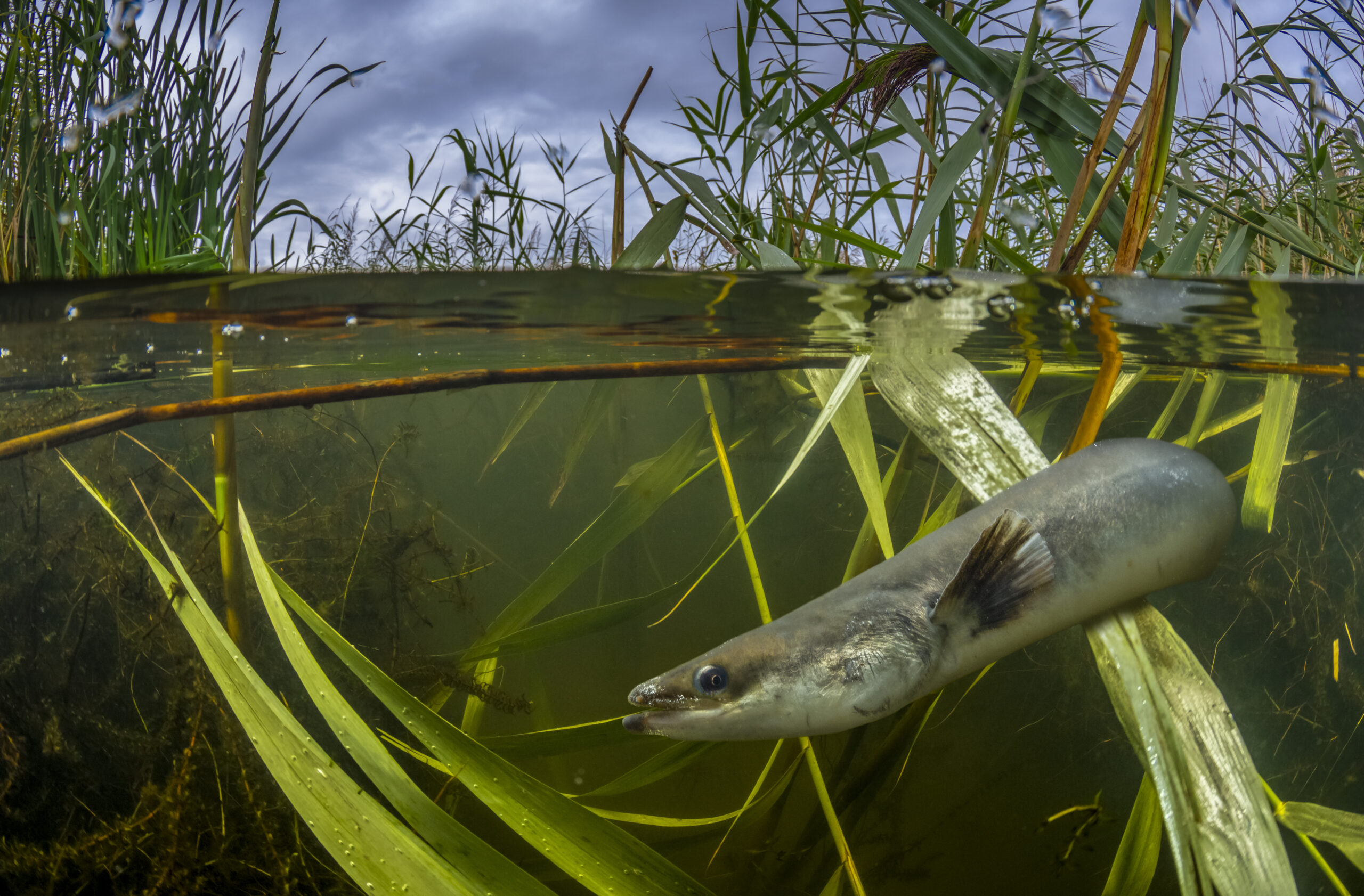
A significant development emerging from this partnership is Wetlands International’s strategic decision to focus on migratory freshwater fish and their "Swimways" – the interconnected aquatic pathways they traverse for breeding, feeding, and migration. This is a first for the organization and represents a critical step in addressing the conservation needs of these highly mobile and often overlooked species.
"Under our new strategy, Wetlands International will focus strategically on migratory freshwater fish and their Swimways for the first time," stated Coenraad Krijger, CEO of Wetlands International. "Our new partnership with SHOAL is a key step towards delivering on this priority. Together, we can do far more to save threatened freshwater species and safeguard their freshwater wetlands – wetlands that underpin societies and economies."
Migratory freshwater fish are particularly vulnerable to habitat fragmentation caused by dams, weirs, and other barriers, as well as to pollution and overfishing. Their conservation requires a holistic approach that considers entire river systems and their connectivity.
SHOAL’s Collaborative Model

SHOAL’s operational model is built on mobilizing, coordinating, and catalyzing a diverse range of partners to escalate and accelerate action for freshwater species, habitats, and communities. The organization categorizes its partners into two primary types:
- Strategic Partners: These are organizations that commit to significant, long-term collaboration across multiple initiatives, contributing expertise, resources, and network reach. Wetlands International’s elevated status as a Strategic Partner signifies a deep and integrated commitment to shared goals.
- Action Partners: This category includes a broader network of organizations and individuals actively contributing to specific projects and initiatives, ranging from research institutions and NGOs to local community groups and government agencies.
This tiered partnership structure allows SHOAL to foster both deep, impactful collaborations with key players and a wide, inclusive network of contributors, ensuring a comprehensive approach to freshwater conservation.
Building on Past Successes
The alliance is not starting from scratch. Wetlands International and SHOAL have already collaborated on significant publications, including "Africa’s Forgotten Fishes," a testament to their shared commitment to shedding light on neglected aspects of freshwater biodiversity. This existing foundation provides a strong basis for scaling up their joint efforts and achieving greater collective impact.
"We are proud to partner with SHOAL to accelerate global efforts to protect and restore freshwater ecosystems and the astonishing biodiversity within them," added Coenraad Krijger. "We’ve already joined forces on publications such as Africa’s Forgotten Fishes and are looking forward to ramping up our collaboration to deliver greater impact together."
The Broader Impact and Future Outlook
The implications of this strategic partnership are far-reaching. By pooling resources, expertise, and networks, Wetlands International and SHOAL are creating a powerful force for freshwater conservation. The focus on threatened species has direct benefits for water quality and human health. Conserving these species can catalyze broader ecosystem restoration, leading to improved water purification, flood control, and carbon sequestration, while also enhancing food security for millions who depend on freshwater fish as a primary protein source.
The sentiment within the conservation community is one of cautious optimism. As SHOAL itself articulates, "We firmly believe that the bigger and broader the SHOAL, the stronger it becomes, and the greater our shared impact will be." This philosophy of collective strength is at the heart of the partnership, aiming to create a ripple effect of positive change across the globe’s vital freshwater systems.
The success of this alliance will depend on sustained commitment, effective coordination, and the ability to adapt to evolving challenges. However, with organizations like Wetlands International and SHOAL joining forces, there is a renewed hope for the future of Earth’s freshwater ecosystems and the incredible diversity of life they sustain. The coming years will be critical in translating this partnership into measurable conservation gains, safeguarding these essential lifeblood systems for generations to come.