
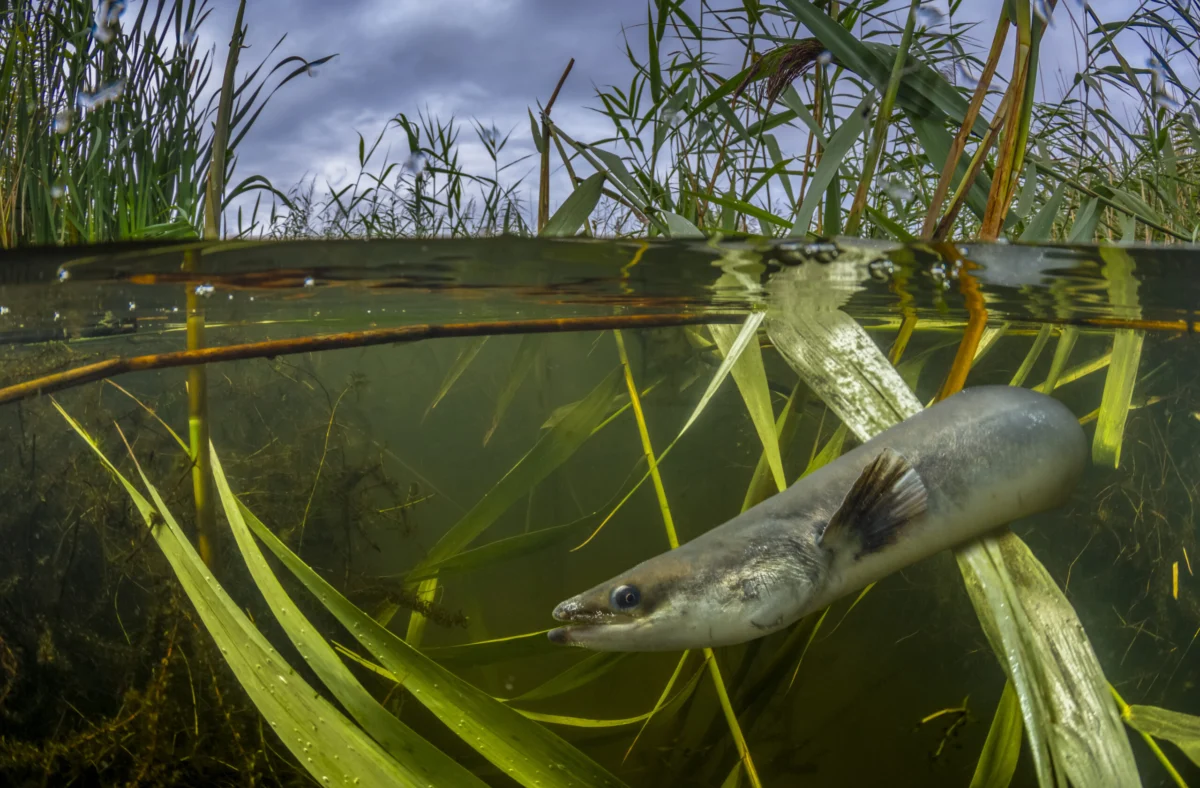
March 17, 2026 – Wetlands International, a leading global organization dedicated to the conservation and restoration of wetlands, today announced a significant strategic partnership with SHOAL, a global collective committed to the protection of freshwater habitats and their critically endangered species. This collaboration marks a pivotal moment in the fight to address the escalating biodiversity crisis impacting Earth’s vital freshwater systems.
The partnership is founded on a shared belief that collaborative action is the most effective strategy for conserving wetlands and the myriad life they support. Wetlands International’s extensive experience in co-creating solutions with local communities and Indigenous Peoples, coupled with its global advocacy for policy change, will be synergistically combined with SHOAL’s network of partners and collaborators working to protect freshwater ecosystems worldwide.
A Shared Vision for Freshwater Conservation
Coenraad Krijger, CEO of Wetlands International, expressed his enthusiasm for the new alliance. "We are proud to partner with SHOAL to accelerate global efforts to protect and restore freshwater ecosystems and the astonishing biodiversity within them," Krijger stated. "We’ve already joined forces on publications such as Africa’s Forgotten Fishes and are looking forward to ramping up our collaboration to deliver greater impact together."
This sentiment is echoed by SHOAL, which emphasizes the urgent need for coordinated action. The organization operates as a global ecosystem, bringing together diverse stakeholders to amplify conservation efforts. Their approach focuses on mobilizing, coordinating, and catalyzing partners to escalate and accelerate action for freshwater species, habitats, and the communities that depend on them.
The Dire State of Freshwater Biodiversity
Freshwater ecosystems, encompassing rivers, lakes, wetlands, and groundwater, are under unprecedented threat. Decades of neglect, pollution, habitat destruction, and over-extraction have pushed these environments to the brink. Scientific studies consistently highlight the severity of this crisis. For instance, the World Wildlife Fund’s Living Planet Report has repeatedly indicated that freshwater species populations have declined more dramatically than those in terrestrial or marine environments. Freshwater fish and amphibians, in particular, are identified as the most threatened vertebrate groups globally, with thousands of species facing imminent extinction.
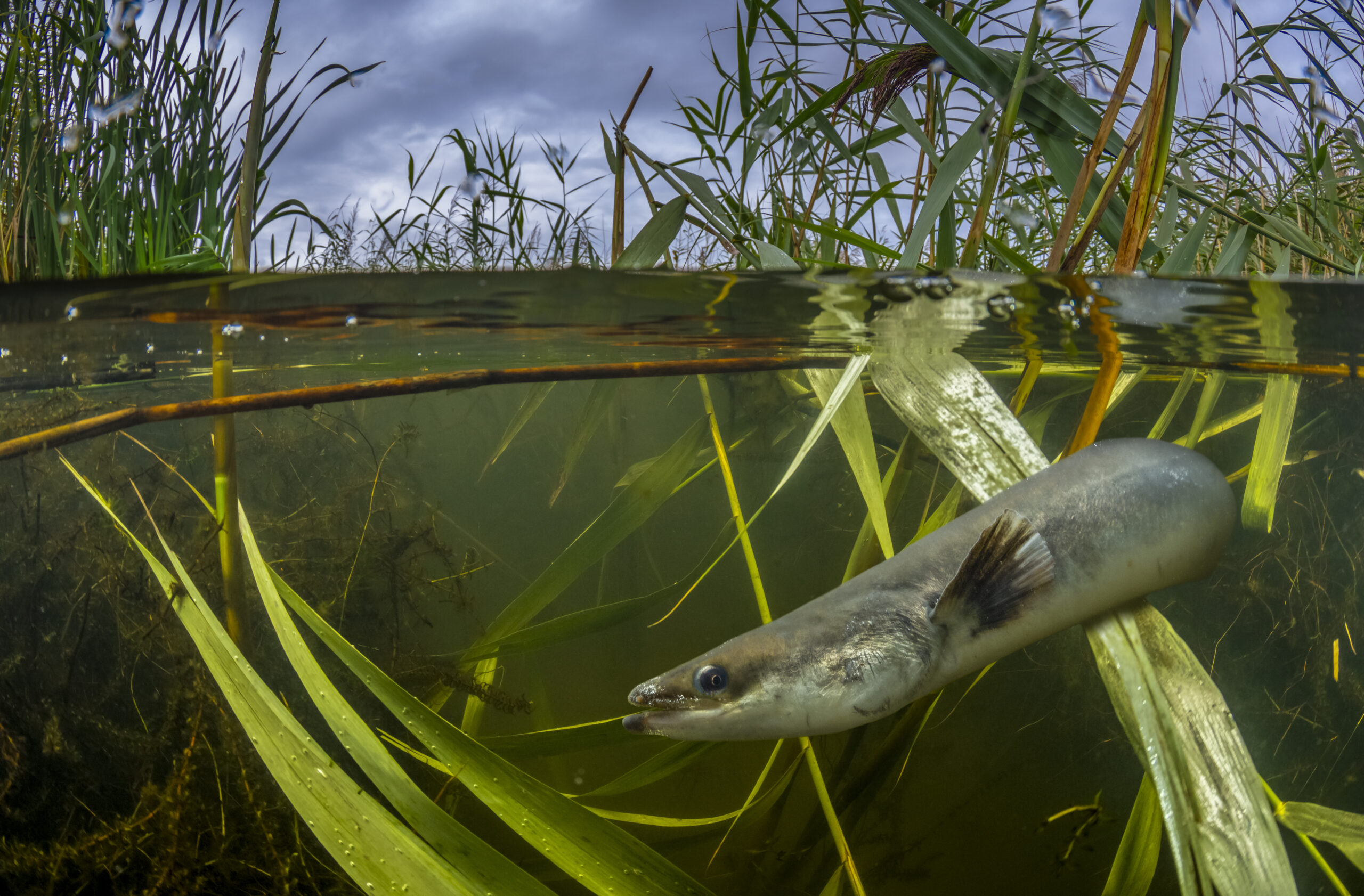
The implications of this biodiversity loss extend far beyond the intrinsic value of these species. Healthy freshwater ecosystems are crucial for maintaining water quality, supporting human health, and providing essential ecosystem services. These services include regulating water cycles, mitigating floods and droughts, and supporting fisheries that are a primary source of protein and livelihoods for millions of people worldwide. Conserving these highly threatened species is not merely an environmental imperative; it is an investment in human well-being and food security.
Strategic Pillars of the Partnership
Under this new strategic partnership, Wetlands International and SHOAL will focus on several key areas to maximize their collective impact. These include:
- Joint Advocacy and Policy Influence: Leveraging their combined networks and expertise to advocate for stronger national and international policies that protect freshwater ecosystems and species. This will involve engaging with governments, intergovernmental bodies, and other influential stakeholders to drive meaningful legislative and regulatory change.
- Knowledge Sharing and Capacity Building: Facilitating the exchange of best practices, research findings, and conservation strategies among their respective networks. This will involve developing and disseminating resources, organizing training programs, and fostering a community of practice for freshwater conservation professionals.
- Project Development and Implementation: Collaborating on the design and execution of innovative conservation projects at the local, regional, and global levels. This could include initiatives focused on habitat restoration, species recovery programs, sustainable water management, and community-based conservation efforts.
- Resource Mobilization: Working together to secure funding and other resources necessary to support their ambitious conservation goals. This will involve exploring diverse funding streams, including grants, corporate partnerships, and philanthropic contributions.
- Public Awareness and Engagement: Raising public awareness about the critical importance of freshwater ecosystems and the threats they face. This will involve developing compelling communication materials, engaging with media outlets, and organizing public events to foster greater understanding and support for freshwater conservation.
Wetlands International’s Deep-Rooted Commitment to Freshwater
Wetlands International brings a wealth of experience and a unique global network to this alliance. For decades, the organization has been at the forefront of efforts to protect and restore freshwater ecosystems across diverse landscapes. Their ongoing freshwater work spans a wide spectrum of interventions.
Examples of their impactful work include:
- Dam and Barrier Removal in Europe: Wetlands International has been instrumental in advocating for and facilitating the removal of obsolete dams and barriers in European rivers. These structures often fragment habitats, impede fish migration, and alter natural flow regimes. Initiatives like the one celebrated in Europe, which saw over 500 barrier removals in a single year, are crucial for restoring river connectivity and ecological health.
- Water Governance in Ethiopia: In regions like Ethiopia, where water resources are vital for both human development and ecological integrity, Wetlands International has been working to improve water governance frameworks. This involves promoting integrated water resource management, ensuring equitable access to water, and safeguarding the ecological functions of river basins.
- Alternative Sustainable Livelihoods in Latin America: Recognizing that conservation efforts must be integrated with the socio-economic realities of local communities, Wetlands International has supported the development of alternative sustainable livelihoods in Latin America. This approach aims to reduce pressure on natural resources by providing communities with viable economic alternatives that are compatible with conservation objectives.
Under its new 10-year strategy, Wetlands International is set to significantly scale up its work on rivers, lakes, and peatlands. The organization is shifting from a site-level focus to a more holistic landscape-level approach. This ambitious strategy includes influencing global fora to embed freshwater conservation into broader development agendas and continuing its support for key global initiatives such as the Freshwater Challenge and the Peatland Breakthrough.
A New Focus on Migratory Freshwater Fish

A significant development within Wetlands International’s new strategy is a dedicated focus on migratory freshwater fish and their "Swimways." These are critical corridors that these species use to move between feeding, breeding, and nursery grounds. Protecting these Swimways is essential for the survival of many fish populations, some of which undertake extraordinary migrations.
Krijger elaborated on this new strategic direction: "Under our new strategy, Wetlands International will focus strategically on migratory freshwater fish and their Swimways for the first time. Our new partnership with SHOAL is a key step towards delivering on this priority. Together, we can do far more to save threatened freshwater species and safeguard their freshwater wetlands – wetlands that underpin societies and economies."
This focus aligns perfectly with SHOAL’s mission, as migratory species often rely on interconnected freshwater systems, making their conservation inherently collaborative and transboundary.
The Power of Collective Action: The SHOAL Model
SHOAL’s operational model is built on the principle that "the bigger and broader the SHOAL, the stronger it becomes, and the greater our shared impact will be." This philosophy underscores the necessity of a unified and expansive approach to tackling the complex challenges facing freshwater biodiversity. SHOAL categorizes its partners into two distinct types, fostering a tiered engagement that allows for tailored collaboration and impact:
- Strategic Partners: These are organizations that commit to a deep and long-term collaboration, aligning their resources and strategic priorities with SHOAL’s overarching goals. Wetlands International’s elevated partnership status signifies a commitment to co-leading initiatives and jointly shaping the future direction of freshwater conservation efforts.
- Collaborating Partners: This category includes a broader network of organizations, research institutions, governmental agencies, and individuals who contribute to specific projects, share expertise, or provide support in various capacities. This inclusive approach ensures a wide reach and diverse range of contributions.
The partnership between Wetlands International and SHOAL represents a powerful synergy. Wetlands International’s global reach and extensive experience in on-the-ground conservation, policy advocacy, and community engagement, when combined with SHOAL’s ability to mobilize and coordinate a diverse network of conservation actors, creates a formidable force for change. This alliance is poised to drive significant progress in reversing the alarming trend of freshwater biodiversity loss, ensuring the health of these vital ecosystems for generations to come. The success of this collaboration will not only benefit aquatic life but also contribute to the resilience of human societies that depend on clean and abundant freshwater resources.