
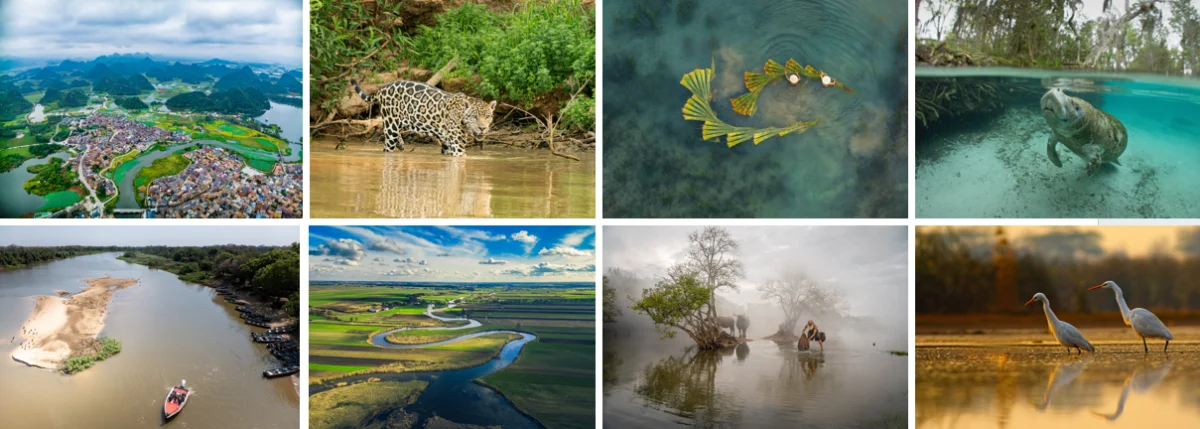
Wetlands International has been prominently featured in Giving Green’s latest research report, "Reducing Biodiversity Loss," earning recognition as a top nonprofit organization for its impactful work in conserving and restoring these vital ecosystems. The report, published on February 25, 2026, highlights Giving Green’s mission to empower donors by identifying and analyzing the most effective solutions for maximizing their philanthropic impact on climate change and biodiversity. This acknowledgment from Giving Green underscores Wetlands International’s decades-long commitment and strategic approach to addressing the critical threats facing the world’s wetlands.
The Indispensable Role of Wetlands in a Changing World
Wetlands, often overlooked, are among the planet’s most productive and yet most imperiled ecosystems. Their significance extends far beyond their ecological value, playing a crucial role in climate regulation, biodiversity preservation, and human well-being. Coastal wetlands, such as mangroves and seagrass meadows, are powerful natural defenses, acting as formidable carbon sinks that sequester vast amounts of greenhouse gases and provide an essential buffer against rising sea levels and storm surges. Inland, peatlands represent an even larger reservoir of stored carbon, contributing significantly to the regulation of hydrological cycles, thereby mitigating the severity of floods and droughts.
These water-rich environments are also unparalleled biodiversity hotspots, providing essential habitats for an astonishing array of flora and fauna, including numerous species teetering on the brink of extinction. The health of wetlands is intrinsically linked to the resilience of our societies and economies. They are the bedrock of water security, underpinning agricultural productivity, supporting vital industries, and providing livelihoods for over one billion people globally. The economic value derived from wetlands is staggering, with estimates placing the annual worth of water and freshwater ecosystems at a colossal USD 58 trillion, a figure equivalent to 60% of global Gross Domestic Product. Beyond their economic contributions, wetlands are indispensable for food security, with fish harvested from these areas serving as the primary protein source for more than a billion people, and rice paddies feeding an additional 3.5 billion annually. Furthermore, urban wetlands offer invaluable green spaces, fostering a connection with nature that is increasingly recognized for its positive impact on citizens’ mental and physical health.
The Alarming Decline of Global Wetlands
Despite their multifaceted importance, the world’s wetlands are facing unprecedented threats. Since 1970, an estimated 22% of the planet’s wetlands have vanished, and this destructive trend continues at an alarming rate. Human activities are the primary drivers of this catastrophic loss. The relentless pursuit of development has led to the fragmentation and degradation of vital wetland connectivity through the construction of dams, dykes, drainage systems, and extensive deforestation.
The consequences of wetland loss and degradation are far-reaching and interconnected, creating a domino effect that exacerbates existing environmental challenges. This loss directly fuels biodiversity decline, placing immense pressure on food and water supplies. Moreover, it amplifies the impacts of climate change, increasing the frequency and intensity of extreme weather events such as devastating floods, prolonged droughts, and destructive wildfires. The ecological equilibrium is disrupted, threatening the very foundations of life on Earth.
Bridging the Funding Gap for Wetland Conservation
The scientific community and conservation organizations have long understood the necessity of wetland restoration and protection. Solutions and the knowledge required to revive degraded wetlands already exist. However, a significant and persistent chasm remains in the financing available for these critical actions. To achieve ambitious global biodiversity targets, such as the commitment to protect 30% of the planet’s land and sea by 2030, an estimated annual funding gap of $700 billion is required for nature conservation efforts, according to reports from institutions like the Paulson Institute. This substantial financial shortfall represents a major impediment to implementing effective conservation and restoration programs on the scale required.
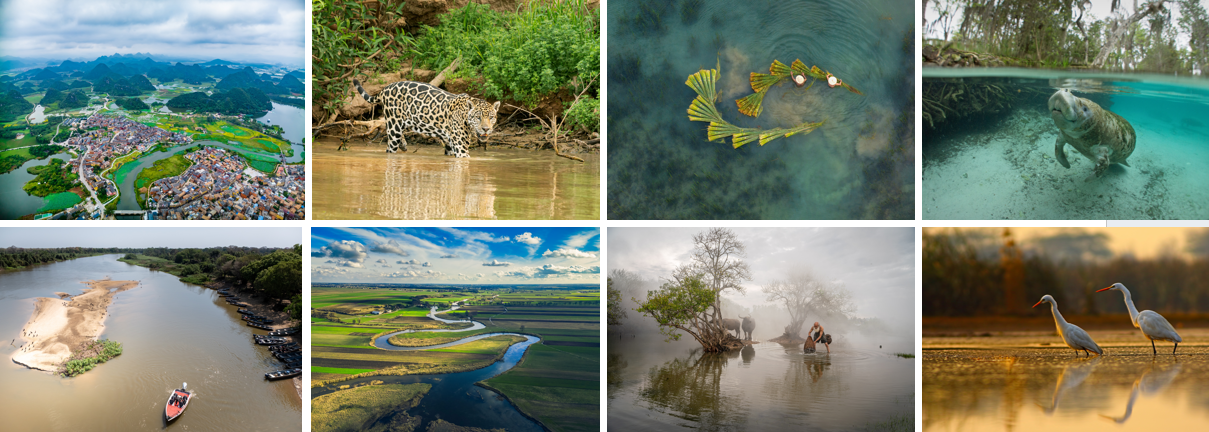
Wetlands International’s Strategic Vision for the Future
In response to these challenges, Wetlands International has outlined its strategic vision for the next decade in its publication, "Wetlands for Life 2026-2035." This comprehensive strategy details the organization’s plans to conserve and restore a diverse range of wetlands globally, including rivers, lakes, peatlands, and mangroves. The initiative aims to drive transformational change by influencing policies, reshaping business practices, and redirecting financial flows to prioritize the health of wetlands. The ultimate goal is to ensure the enduring benefits of these ecosystems for people, biodiversity, and the climate.
Coenraad Krijger, CEO of Wetlands International, expressed his gratitude for the recognition by Giving Green: "Wetlands have been undervalued and underfunded – and are under ever-increasing pressure. Giving Green’s research identifying wetlands conservation as a high-impact strategy to tackle biodiversity loss and climate change is a fantastic vote of confidence in our thirty years of work with communities, partners and governments across the globe." This statement underscores the long-standing dedication and collaborative approach that has characterized Wetlands International’s operations.
Broader Implications and Future Outlook
The recognition of Wetlands International by Giving Green is more than just an endorsement; it is a significant catalyst for increased attention and investment in wetland conservation. In an era defined by escalating climate change and biodiversity crises, the report’s findings serve as a critical call to action for donors and policymakers alike. By highlighting wetlands as a high-impact strategy, Giving Green is helping to shift the narrative from viewing these ecosystems as mere environmental concerns to recognizing them as essential infrastructure for a sustainable future.
The implications of this report extend to national and international policy frameworks. As governments worldwide strive to meet their commitments under agreements like the Kunming-Montreal Global Biodiversity Framework, which includes the target to protect 30% of terrestrial and marine areas by 2030, understanding where to direct financial resources for maximum impact becomes paramount. Wetlands, with their inherent capacity to deliver multiple benefits – carbon sequestration, flood control, water purification, and habitat provision – represent a highly efficient investment.
The ongoing work of organizations like Wetlands International, supported by informed philanthropic efforts such as those facilitated by Giving Green, is crucial for bridging the identified funding gap. Their projects, often implemented in partnership with local communities and indigenous peoples who possess invaluable traditional knowledge, demonstrate that effective conservation is achievable. The success of these initiatives hinges on sustained financial support and a broader societal understanding of the indispensable value of wetlands.
The future of global biodiversity and climate resilience is inextricably linked to the fate of our wetlands. The insights provided by Giving Green, coupled with the robust strategic planning and on-the-ground efforts of organizations like Wetlands International, offer a hopeful pathway forward. Continued research, increased investment, and a collective commitment to protecting and restoring these vital ecosystems are essential to securing a healthy planet for generations to come. The data presented in the "Reducing Biodiversity Loss" report, and the spotlight it shines on Wetlands International, serves as a powerful reminder of the urgent need for strategic and impactful action in the critical fight against biodiversity loss and climate change.