
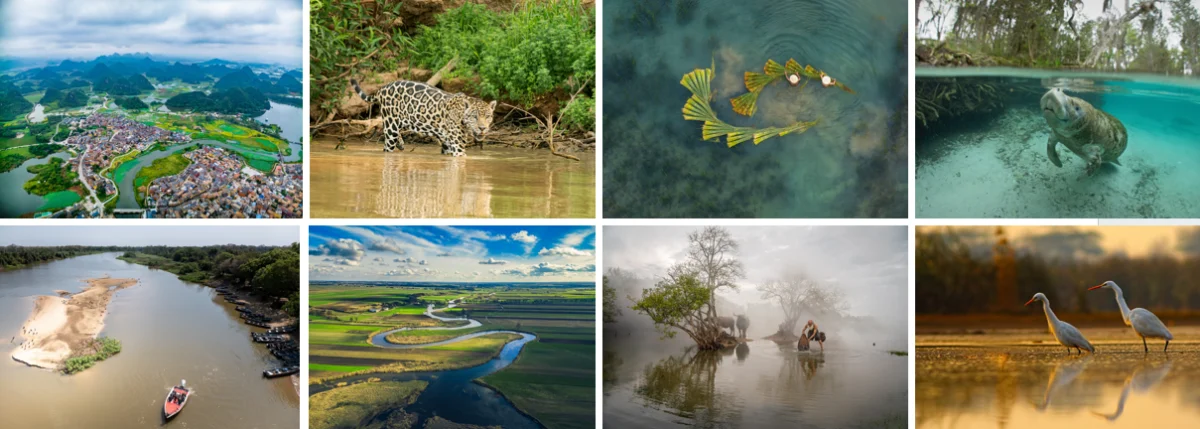
Wetlands International has been identified as a leading nonprofit organization in the critical fight against biodiversity loss by Giving Green, a philanthropic research and advisory firm dedicated to maximizing the impact of climate donations. The recognition, detailed in Giving Green’s latest strategy report, "Reducing Biodiversity Loss," highlights Wetlands International’s significant contributions to conservation and restoration efforts worldwide. The announcement, published on February 25, 2026, underscores the urgent need for enhanced funding and strategic interventions to protect these vital ecosystems.
The Critical Role of Wetlands in a Changing World
Wetlands, often referred to as the "kidneys of the planet," are among Earth’s most productive yet increasingly threatened ecosystems. Their multifaceted importance spans environmental, social, and economic spheres, making their preservation a cornerstone of global sustainability efforts. Coastal wetlands, such as mangroves and seagrass meadows, play an indispensable role in climate adaptation and mitigation. They act as natural carbon sinks, sequestering vast amounts of atmospheric carbon dioxide, thereby contributing significantly to climate change mitigation. Simultaneously, these coastal ecosystems provide a crucial buffer against the intensifying impacts of sea-level rise and storm surges, protecting vulnerable shorelines and communities.
Inland, peatlands represent an even more significant reservoir of stored carbon, holding an estimated two-thirds of the world’s terrestrial carbon stock. Their degradation not only releases this stored carbon but also disrupts critical hydrological cycles, exacerbating both flood and drought conditions. Beyond their climate regulation functions, wetlands are unparalleled biodiversity hotspots. They provide essential habitats for an astonishing array of flora and fauna, including numerous species teetering on the brink of extinction. The intricate web of life sustained by wetlands is fundamental to maintaining ecological balance and resilience.
The indispensable services provided by healthy wetlands extend directly to human societies and economies. They are the foundation of water security, ensuring a reliable supply of freshwater for consumption, agriculture, and industry. Globally, over one billion livelihoods are directly supported by wetland-dependent activities, including aquaculture, crop production, transportation, and tourism. The fisheries sustained by wetland ecosystems are a primary source of protein for more than a billion people, while rice paddies, often integrated into wetland landscapes, feed approximately 3.5 billion people annually. The economic valuation of water and freshwater ecosystems is staggering, estimated at USD 58 trillion per year, which is equivalent to 60% of global Gross Domestic Product (GDP). Furthermore, urban wetlands offer invaluable green spaces, providing opportunities for citizens to connect with nature, thereby enhancing mental and physical well-being.
The Alarming Rate of Wetland Loss and the Urgent Need for Action
Despite their profound ecological and economic significance, wetlands are disappearing at an alarming rate. Since 1970, an estimated 22% of the world’s wetlands have been lost, and this degradation continues unabated. Human activities are the primary drivers of this loss. The construction of dams, dykes, drains, and ditches, coupled with extensive deforestation, has fragmented and destroyed vital wetland connectivity. This destruction triggers a cascading effect, leading to widespread biodiversity loss, jeopardizing food and water security, and amplifying the devastating impacts of climate change, including more frequent and intense floods, prolonged droughts, and increased wildfire risks.
The consequences of this ongoing wetland degradation are far-reaching. The loss of coastal wetlands, for instance, directly increases the vulnerability of coastal communities to extreme weather events. The decline in freshwater availability due to wetland degradation threatens agricultural productivity and can lead to social unrest and displacement. The extinction of species that rely on wetland habitats diminishes the planet’s natural resilience and impoverishes its biological heritage.
Bridging the Funding Gap for Wetland Conservation
The scientific understanding and practical knowledge required to restore degraded wetlands are readily available. However, a significant and persistent chasm exists in the financial resources allocated to wetland conservation and restoration initiatives. Meeting global biodiversity targets, such as the commitment to protect 30% of land and sea by 2030 (the "30×30" target), necessitates a substantial increase in conservation finance. Current estimates indicate an annual biodiversity financing gap of approximately $700 billion. This shortfall poses a formidable challenge to effectively safeguarding and revitalizing wetland ecosystems worldwide.
Giving Green’s recognition of Wetlands International as a top nonprofit in biodiversity loss mitigation directly addresses this funding challenge by identifying organizations that can effectively deploy donor capital for maximum impact. Their research methodology involves rigorous analysis of the evidence base for different conservation strategies and the track record of organizations implementing them.
Wetlands International’s Vision for the Future
Wetlands International, with a history spanning over thirty years of dedicated work with communities, partners, and governments across the globe, is strategically positioned to address the critical funding gap. Coenraad Krijger, CEO of Wetlands International, expressed his perspective on the recognition: "Wetlands have been undervalued and underfunded – and are under ever-increasing pressure. Giving Green’s research identifying wetlands conservation as a high-impact strategy to tackle biodiversity loss and climate change is a fantastic vote of confidence in our thirty years of work with communities, partners and governments across the globe."
The organization’s forward-looking strategy, "Wetlands for Life 2026-2035," articulates a comprehensive plan to conserve and restore a diverse range of wetland types, including rivers, lakes, peatlands, and mangroves. This ambitious strategy aims to not only protect and revitalize these crucial ecosystems but also to catalyze transformative change in policy frameworks, business practices, and financial flows. The ultimate goal is to ensure that the multifaceted benefits of healthy wetlands – for people, biodiversity, and the climate – are fully realized and sustained for future generations.
Broader Implications and Future Outlook
The endorsement by Giving Green carries significant implications for the future of wetland conservation. It signals to philanthropic foundations, individual donors, and governmental agencies the critical importance of investing in wetland restoration and protection as a high-impact strategy for addressing both the biodiversity crisis and the climate emergency. This recognition is expected to attract increased attention and financial support to organizations like Wetlands International, enabling them to scale up their efforts and achieve greater conservation outcomes.
The "Reducing Biodiversity Loss" report by Giving Green serves as a crucial guide for donors seeking to make informed decisions about where their contributions can have the most significant impact. By highlighting Wetlands International, the report validates the organization’s evidence-based approach and its proven ability to deliver tangible results on the ground.
The interconnectedness of wetlands, biodiversity, and climate change means that investing in wetlands is a triple-win strategy. It safeguards irreplaceable natural heritage, enhances the resilience of human communities to environmental shocks, and contributes substantially to global climate mitigation and adaptation efforts. As the world grapples with escalating environmental challenges, the spotlight on organizations like Wetlands International, and the vital ecosystems they protect, offers a beacon of hope and a clear pathway towards a more sustainable and resilient future. The successful implementation of strategies like "Wetlands for Life" will be crucial in determining the health of our planet and the well-being of its inhabitants for decades to come.