
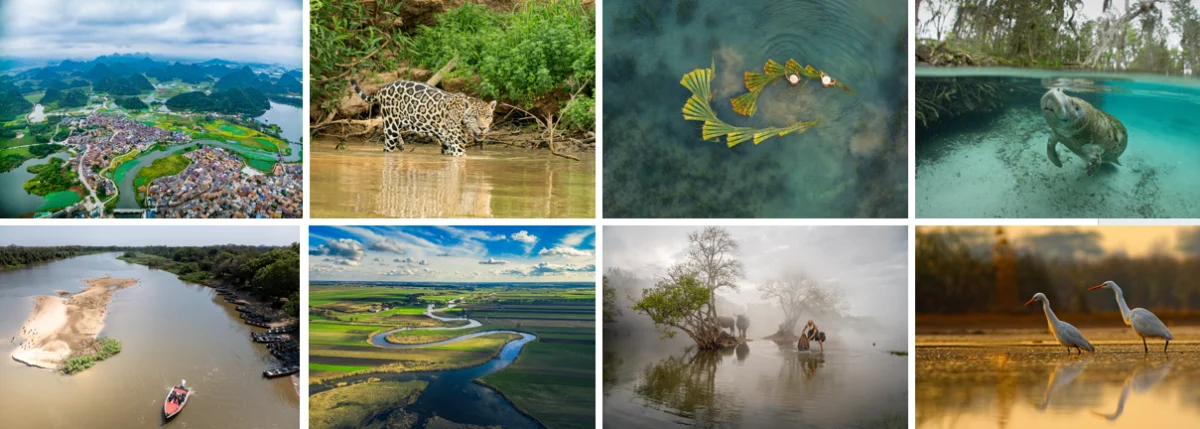
Wetlands International has been highlighted by Giving Green, a leading organization dedicated to optimizing philanthropic impact in the climate sector, as a top nonprofit in their recent research report titled "Reducing Biodiversity Loss." This recognition underscores Wetlands International’s significant contributions to conserving and restoring the world’s vital wetland ecosystems, which are increasingly threatened by human activity and climate change. Giving Green’s rigorous analysis aims to guide donors toward the most effective solutions for maximizing their contributions to environmental protection.
The Crucial Role of Wetlands in Global Ecosystems
Wetlands, encompassing a diverse range of habitats such as mangroves, seagrass meadows, peatlands, rivers, and lakes, are among the planet’s most productive and ecologically significant environments. Despite their immense value, they are also critically endangered. These ecosystems serve as indispensable "climate superheroes," playing a multifaceted role in mitigating and adapting to the escalating climate crisis. Coastal wetlands, for instance, are exceptional carbon sinks, sequestering vast quantities of atmospheric carbon dioxide and simultaneously acting as natural barriers that protect shorelines from the destructive forces of sea-level rise and storm surges. Peatlands, often referred to as the "lungs of the planet," are even more potent carbon reservoirs than forests, holding an estimated one-third of all terrestrial carbon. Their role extends beyond carbon sequestration; they are also instrumental in regulating hydrological cycles, acting as natural sponges that absorb excess water during floods and release it gradually during droughts, thereby enhancing water security and resilience.
Beyond their climate regulation functions, wetlands are unparalleled biodiversity hotspots. They provide essential habitats for an astonishing array of flora and fauna, many of which are endemic or endangered. The intricate web of life supported by healthy wetlands is fundamental to maintaining global biodiversity. These ecosystems are not merely environmental assets; they are foundational to human societies and economies worldwide. Over one billion livelihoods globally are directly or indirectly dependent on wetlands, through industries such as aquaculture, agriculture, transportation, and tourism. The fish stocks harvested from wetland environments provide a primary source of protein for more than one billion people, while rice paddies, a form of managed wetland, are a staple food source, feeding an estimated 3.5 billion people annually. The economic value of water and freshwater ecosystems alone is staggering, estimated at USD 58 trillion annually, a figure equivalent to 60% of global Gross Domestic Product (GDP). Furthermore, urban wetlands offer invaluable green spaces for citizens, fostering connections with nature and contributing significantly to mental and physical well-being.
The Alarming Rate of Wetland Loss and its Consequences
The profound importance of wetlands stands in stark contrast to their precarious state. Global data reveals a devastating trend: since 1970, an estimated 22% of the world’s wetlands have disappeared, and the rate of loss continues to be alarming. This degradation is overwhelmingly driven by human activities. The construction of dams, dykes, drains, ditches, and extensive deforestation have fragmented and destroyed vital wetland connectivity, disrupting natural processes and ecological integrity. The consequences of this loss and degradation are far-reaching and interconnected, creating a cascading effect that exacerbates other environmental crises. Wetland loss is a primary driver of biodiversity decline, placing immense pressure on food and water supplies. Moreover, it amplifies the impacts of climate change, increasing vulnerability to floods, droughts, and wildfires, as natural buffer zones and water regulation systems are eroded.
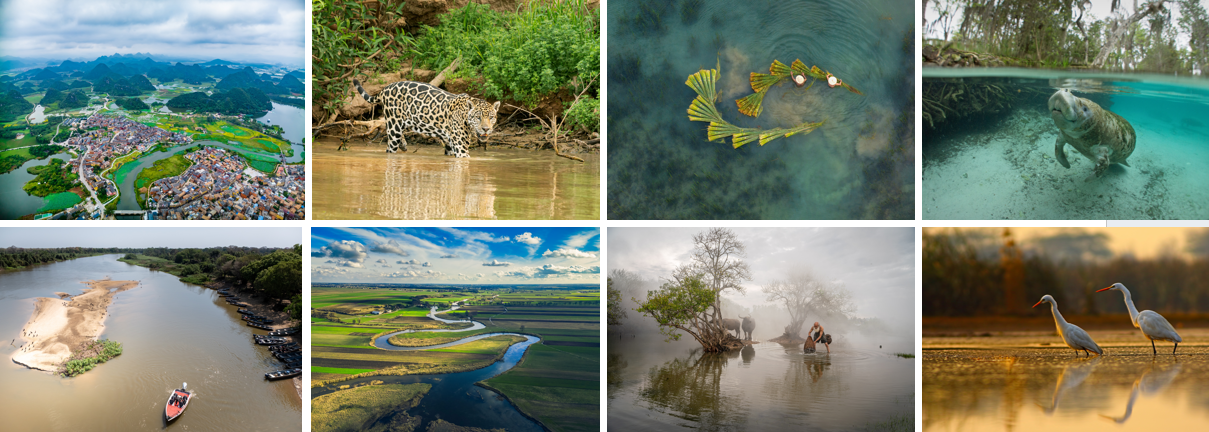
Bridging the Funding Gap for Wetland Conservation
Despite the clear and present danger to wetland ecosystems and the established knowledge base for their restoration, a significant chasm exists in the financial resources dedicated to wetland conservation efforts. This funding deficit poses a substantial barrier to achieving global environmental targets. For example, the ambitious goal set by the Kunming-Montreal Global Biodiversity Framework, which aims to protect 30% of the planet’s land and sea by 2030, requires an estimated USD 700 billion per year in conservation financing. This figure highlights the immense scale of investment needed to safeguard critical ecosystems like wetlands and halt the biodiversity crisis.
Wetlands International’s Strategic Vision and Giving Green’s Endorsement
Wetlands International, with its extensive thirty-year history of working collaboratively with communities, partners, and governments across the globe, is at the forefront of addressing these challenges. The organization’s strategic roadmap for the next decade, titled "Wetlands for Life," outlines a comprehensive plan to conserve and restore a wide array of wetland types, from rivers and lakes to peatlands and mangroves. This strategy is not only focused on on-the-ground restoration but also on catalyzing systemic change in policies, business practices, and financial flows to ensure the long-term benefits of wetlands for people, biodiversity, and the climate.
Coenraad Krijger, CEO of Wetlands International, expressed his appreciation for Giving Green’s recognition. "Wetlands have been undervalued and underfunded – and are under ever-increasing pressure," Krijger stated. "Giving Green’s research identifying wetlands conservation as a high-impact strategy to tackle biodiversity loss and climate change is a fantastic vote of confidence in our thirty years of work with communities, partners and governments across the globe." This endorsement from Giving Green, known for its data-driven approach to philanthropic giving, validates Wetlands International’s long-standing commitment and its proven track record in delivering impactful conservation outcomes.
Broader Implications for Climate Philanthropy and Global Conservation Efforts
The recognition of Wetlands International by Giving Green signals a positive shift in how climate philanthropy is being directed. By highlighting the critical role of wetlands and the organizations dedicated to their protection, Giving Green is enabling donors to make more informed and impactful decisions. This focus is particularly timely as the world grapples with the dual crises of biodiversity loss and climate change. The "Reducing Biodiversity Loss" report serves as a vital resource for individuals and institutions looking to allocate their resources effectively towards solutions that offer multiple benefits.
The strategic importance of wetlands extends beyond their ecological functions. They represent a powerful, yet often overlooked, tool for achieving global development goals. By investing in wetland conservation and restoration, we are not only protecting invaluable natural heritage but also securing essential resources for human well-being, bolstering climate resilience, and fostering sustainable economic development. The continued support for organizations like Wetlands International, validated by independent research from entities like Giving Green, is crucial for ensuring a healthier planet and a more sustainable future for all. The ongoing efforts to bridge the significant funding gap for nature-based solutions are paramount, and the success of initiatives like the "Wetlands for Life" strategy will depend on sustained and increased investment from both public and private sectors.