
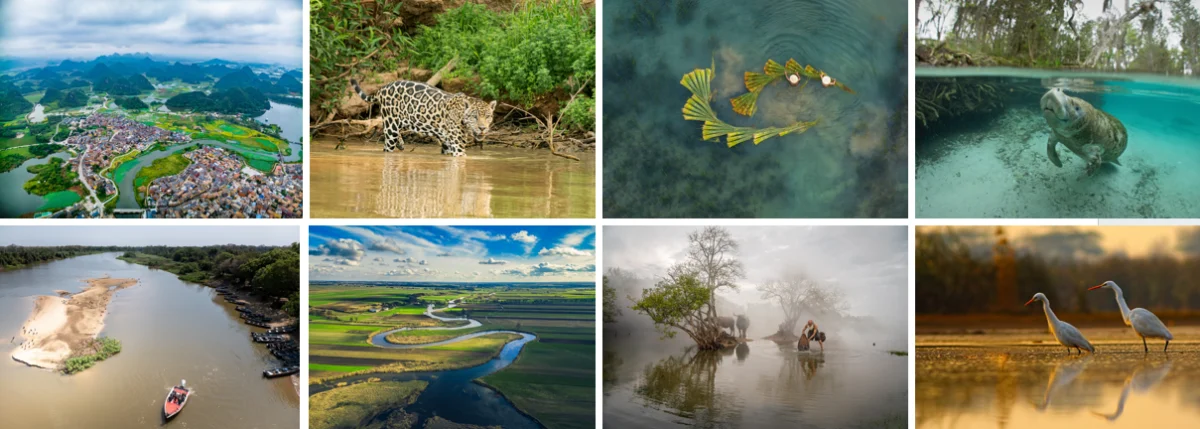
Wetlands International has been identified as a leading nonprofit organization in the critical area of biodiversity loss reduction, according to the latest research report published by Giving Green. The report, titled "Reducing Biodiversity Loss," highlights organizations and strategies that offer the greatest potential for impact in addressing the global biodiversity crisis. This recognition from Giving Green, an initiative dedicated to maximizing philanthropic impact on climate solutions, underscores Wetlands International’s extensive and effective work in conserving and restoring the world’s vital wetland ecosystems.
The announcement, made on February 25, 2026, by Wetlands International, signifies a significant endorsement of the organization’s thirty-year commitment to wetland conservation. Giving Green’s rigorous research and analysis aim to guide donors toward the most effective solutions for their contributions, filling a crucial gap in climate philanthropy by providing data-driven insights into impactful environmental initiatives. Wetlands International’s inclusion in this report suggests that their approach to wetland conservation and restoration is considered a high-impact strategy by leading climate philanthropy evaluators.
The Indispensable Role of Wetlands in Global Ecosystems
Wetlands, often overlooked and undervalued, are among the planet’s most productive yet critically threatened ecosystems. Their multifaceted importance extends across environmental, economic, and social spheres, positioning them as indispensable components of a healthy planet. These dynamic landscapes, encompassing diverse habitats like mangroves, seagrass meadows, peatlands, marshes, and floodplains, serve as crucial ecological engines.
Climate Superheroes: Wetlands are increasingly recognized for their pivotal role in climate change adaptation and mitigation. Coastal wetlands, such as mangrove forests and seagrass beds, are exceptionally effective at sequestering and storing vast quantities of carbon, often at rates significantly higher than terrestrial forests. This carbon sequestration capability makes them powerful allies in the fight against rising atmospheric greenhouse gas concentrations. Furthermore, these coastal ecosystems act as natural buffers, providing essential protection for shorelines against the escalating impacts of sea-level rise, storm surges, and coastal erosion. Inland wetlands, particularly peatlands, are immense carbon sinks, holding an estimated one-third of the world’s terrestrial carbon. Their preservation is vital for preventing the release of this stored carbon into the atmosphere. Beyond carbon storage, peatlands play a crucial role in regulating water cycles, mitigating both floods and droughts by absorbing excess water and releasing it gradually during drier periods.
Biodiversity Havens: Wetlands are unparalleled in their support for biodiversity, providing essential habitats for an extraordinary array of flora and fauna. They are critical nurseries for countless species, supporting complex food webs and sustaining populations of both common and endangered wildlife. Many species, including numerous migratory birds, amphibians, reptiles, fish, and insects, depend entirely on wetland ecosystems for their survival throughout their life cycles. The intricate balance of these ecosystems directly influences the health and resilience of broader ecological networks, making their degradation a direct driver of biodiversity loss on a global scale.
Foundations of Water Security and Livelihoods: The health of wetland ecosystems is inextricably linked to human well-being, underpinning water security and providing essential resources for billions of people. Wetlands act as natural water filters, improving water quality by removing pollutants and sediments. They are vital for replenishing groundwater reserves and maintaining the flow of rivers and streams, ensuring a consistent supply of freshwater. Globally, wetlands support more than one billion livelihoods through a variety of economic activities. Aquaculture and fisheries, heavily reliant on wetland productivity, provide the primary source of protein for over one billion people worldwide. Rice paddies, a type of wetland, are a staple crop that feeds 3.5 billion people annually. Beyond food security, wetlands facilitate transportation, support tourism, and are integral to agricultural productivity. The estimated annual economic value of water and freshwater ecosystems is staggering, reaching USD 58 trillion, which is equivalent to 60% of global Gross Domestic Product (GDP). This highlights the profound economic dependence of societies on healthy wetland systems.
Urban Oases and Human Well-being: In urban environments, wetlands offer invaluable green spaces that allow citizens to connect with nature. These areas provide opportunities for recreation, relaxation, and education, contributing significantly to the mental and physical health of urban populations. Their presence can also help mitigate the urban heat island effect and improve air quality.
The Alarming Rate of Wetland Loss and its Consequences
Despite their profound importance, wetlands are disappearing at an alarming rate. The Global Wetland Outlook, a comprehensive assessment of the state of wetlands, reports that approximately 22% of the world’s wetlands have been lost since 1970, and this degradation continues unabated. The primary drivers of this loss are anthropogenic, stemming from human activities that fundamentally alter wetland hydrology and ecosystems.
The construction of dams, dykes, drains, and ditches, along with widespread deforestation and unsustainable land-use practices, have fragmented and destroyed vital wetland connectivity. This loss and degradation trigger a cascade of negative consequences, exacerbating existing environmental challenges and creating new ones. The decline of wetlands directly fuels biodiversity loss, pushing numerous species towards extinction. It places immense stress on food and water supplies, jeopardizing global food security and exacerbating water scarcity in many regions. Furthermore, the degradation of wetlands intensifies the impacts of climate change, making communities more vulnerable to floods, droughts, and wildfires. For instance, the loss of coastal wetlands diminishes natural defenses against storm surges, leading to increased damage and displacement during extreme weather events. Similarly, the degradation of peatlands can transform them from carbon sinks into carbon sources, contributing to climate change.
Bridging the Funding Gap for Wetland Conservation
The scientific understanding of wetland functions and the knowledge required to restore degraded wetlands have advanced significantly. Solutions and best practices for conservation and restoration are readily available. However, a substantial and persistent gap exists in the financial resources allocated to wetland action. This funding deficit is a major impediment to achieving global conservation targets, including the ambitious goal set forth in the Kunming-Montreal Global Biodiversity Framework to protect 30% of the planet’s land and sea by 2030.
Estimates indicate that the annual financing gap for biodiversity conservation, which includes wetlands, requires approximately $700 billion. This immense shortfall highlights the urgent need for increased investment and innovative financing mechanisms to support wetland restoration and protection efforts.
A Vote of Confidence from Giving Green
The recognition by Giving Green as a top nonprofit in the "Reducing Biodiversity Loss" report serves as a powerful endorsement of Wetlands International’s strategy and operational effectiveness. Coenraad Krijger, CEO of Wetlands International, expressed his gratitude and emphasized the significance of this acknowledgment:
"Wetlands have been undervalued and underfunded – and are under ever-increasing pressure. Giving Green’s research identifying wetlands conservation as a high-impact strategy to tackle biodiversity loss and climate change is a fantastic vote of confidence in our thirty years of work with communities, partners and governments across the globe."
This statement underscores the long-standing dedication of Wetlands International and highlights the critical need to elevate the profile and funding of wetland conservation initiatives. The organization’s thirty-year history of engagement with diverse stakeholders, from local communities to international governments, demonstrates a comprehensive and collaborative approach to achieving tangible conservation outcomes.
Wetlands International’s Strategic Vision: "Wetlands for Life 2026-2035"
In response to the urgent challenges and opportunities in wetland conservation, Wetlands International has outlined its strategic vision for the next decade in its publication, "Wetlands for Life 2026-2035." This comprehensive strategy details the organization’s ambitious plans to conserve and restore a wide range of wetland ecosystems globally, including rivers, lakes, peatlands, and mangroves.
The strategy emphasizes a multi-pronged approach that goes beyond on-the-ground conservation efforts. It aims to trigger transformational change in policies, business practices, and financial flows that impact wetlands. By advocating for policy reforms, promoting sustainable business models, and mobilizing increased financial investments, Wetlands International seeks to create an enabling environment for the long-term survival and recovery of wetland ecosystems. The ultimate goal is to ensure that wetlands can continue to deliver their essential benefits for people, biodiversity, and the climate.
The "Wetlands for Life" strategy acknowledges that achieving its objectives requires a concerted global effort. It calls for enhanced collaboration among governments, the private sector, civil society organizations, and local communities. By leveraging scientific expertise, community engagement, and policy advocacy, Wetlands International aims to build a future where wetlands are recognized, valued, and protected as the vital life-support systems they are.
The report from Giving Green serves as a catalyst, drawing attention to the critical importance of wetlands and the effectiveness of organizations like Wetlands International. As the world grapples with the twin crises of biodiversity loss and climate change, investments in wetland conservation and restoration are not merely an environmental imperative but a fundamental necessity for global sustainability and human well-being. The recognition by Giving Green provides a powerful impetus for increased donor engagement and financial support, essential for bridging the funding gap and securing the future of these invaluable ecosystems.