
The recent winter in the Boston area has presented a formidable challenge for a dedicated research laboratory, pushing its staff and feathered subject to their limits. What began as a series of typically harsh New England winters, manageable with established protocols and resilient infrastructure, has escalated into a testing ground of scientific stamina and logistical prowess. The current season, characterized by relentless blizzards, prolonged sub-zero wind chills, and persistent drafts within the laboratory space, has necessitated extraordinary measures to ensure the well-being of both the human researchers and Griffin, a highly intelligent African Grey parrot integral to ongoing cognitive studies.
The laboratory, previously situated on the Harvard campus, benefited from generator-protected facilities and meticulously cleared pathways, ensuring consistent access for animal care even during severe weather events. However, a recent relocation to an apartment building has introduced a new layer of vulnerability. This year’s weather, marked by a combination of intense snowstorms and prolonged periods of wind chills significantly below zero Fahrenheit, has created a challenging environment. The lack of snowmelt and the inability of roads to be cleared effectively have compounded issues, while drafts within the apartment further compromised the controlled conditions required for the research.
The Critical Need for Consistent Warmth and Care
At the forefront of the laboratory’s concerns is maintaining an optimal temperature for Griffin. As an avian subject with a documented history of arthritis, Griffin’s comfort and health are directly impacted by ambient temperatures. Exposure to conditions below 68°F (20°C) can exacerbate his arthritic flare-ups, necessitating constant vigilance. This challenge is amplified by the logistical hurdles of ensuring Research Assistants (RAs) can reach the lab to provide essential daily care, including feeding, general husbandry, and the timely administration of medication. Griffin’s current treatment regimen, which includes a course of antibiotics for an intestinal issue, has unfortunately coincided with this period of extreme weather, adding a critical layer of urgency to the daily operations.
The visual impact of the weather, as depicted in photographs, belies the true extent of the operational difficulties. Plans meticulously put in place to mitigate such scenarios have been tested by the sheer ferocity and duration of the current winter conditions.
Innovative Adaptations: Shielding the Sanctuary
Faced with the immediate threat of fluctuating temperatures, the research team implemented a series of adaptive measures to insulate the laboratory space. The building’s older windows, known for their draftiness, became a primary focus. Unable to procure the standard plastic sheeting typically used for winterizing, the team ingeniously utilized quilting batting to cover the windows. While this solution slightly reduces natural light, the laboratory is equipped with full-spectrum lighting, which compensates for the diminished natural illumination. The batting proved effective in blocking a significant portion of the drafts, a measure further enhanced by the strategic deployment of light-shielding window curtains overnight. These curtains, a welcome bonus, also contribute to draft reduction. Additionally, the emergency exit was temporarily sealed with gaffer’s tape – a reversible solution – to eliminate further air infiltration.
A Night of Vigilance: The Blizzard’s Onslaught
The most critical phase of the winter’s challenges began with the first major snowstorm. The assistant lab manager, departing at her usual time of 8 PM, found her vehicle already buried, necessitating the assistance of a stranger with a borrowed shovel. Earlier that day, the senior lab manager had proactively brought an inflatable bed to the experiment room, anticipating the need to stay overnight to monitor essential space heaters. Her car had been strategically parked in a reserved spot prior to the storm’s arrival, with the expectation of a later walk back to her residence. This proved to be an unrealistic assumption, requiring an Uber for her return to the lab. By 10 PM, the space heaters were operational, and she remained on alert throughout the night, making intermittent checks to maintain the required temperature.
The Marathon of Care: Navigating Unprecedented Conditions
The morning RA managed to reach the lab via public transportation. While she attended to Griffin’s needs, the lab manager and a postdoctoral researcher focused on excavating the assistant lab manager’s snowbound vehicle. At this point, the streets were barely passable, with parked cars completely obscured by snowdrifts. The postdoctoral researcher, whose all-wheel-drive vehicle offered a significant advantage and who resides in a neighboring town, embarked on a challenging hour-long journey to collect the afternoon/evening RA, who otherwise would have been unable to reach the lab. This round trip was necessary to ensure continuous care coverage, as a second significant snowfall, adding another 4-6 inches on top of the initial nearly 2 feet, made travel even more perilous. The senior lab manager once again opted to stay overnight, meticulously managing the space heaters to combat the biting cold. Amidst these logistical battles, Griffin’s essential care continued, including his meals, antibiotic administration, supplements, physical therapy, and efforts to maintain his overall well-being and happiness. The principal investigator, Dr. Irene Pepperberg, found herself unexpectedly sidelined, having departed for a conference in New York City the night before the storm’s onset. Her return journey was itself a testament to the disruptive impact of the weather, narrowly accomplished with the assistance of her airline status.
Escalating Challenges and a Yearning for Spring
The severity of the weather continued to escalate. Streets in Somerville remained unplowed as another storm was forecasted, one that was initially predicted to deliver only 1-3 inches of snow but ultimately dropped a substantial 8 inches. This was accompanied by overnight wind chills plummeting to -16°F (-27°C). Despite these arduous conditions, the team persevered, though the human element of the research team reported significant exhaustion and stress. Their hopes are now pinned on the weekend forecast predicting a "trivial" amount of snow, a stark contrast to the cumulative snowfall that has already tested their resilience. The entire team expresses a profound eagerness for the arrival of spring.
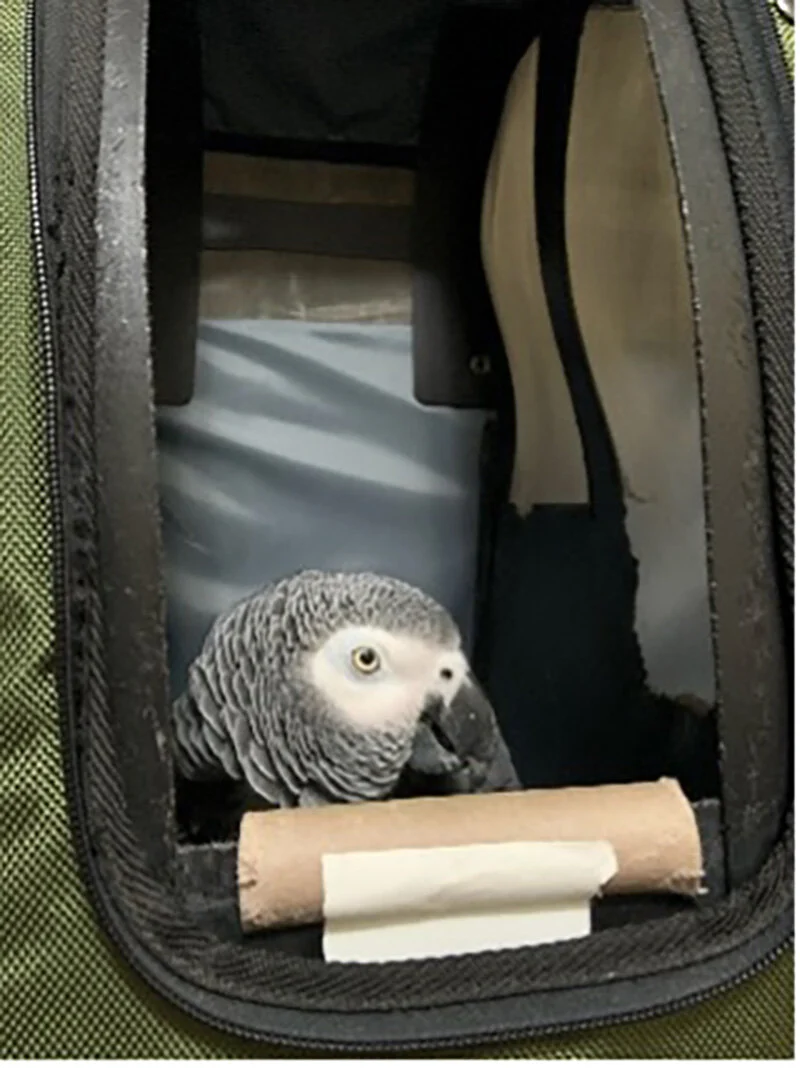
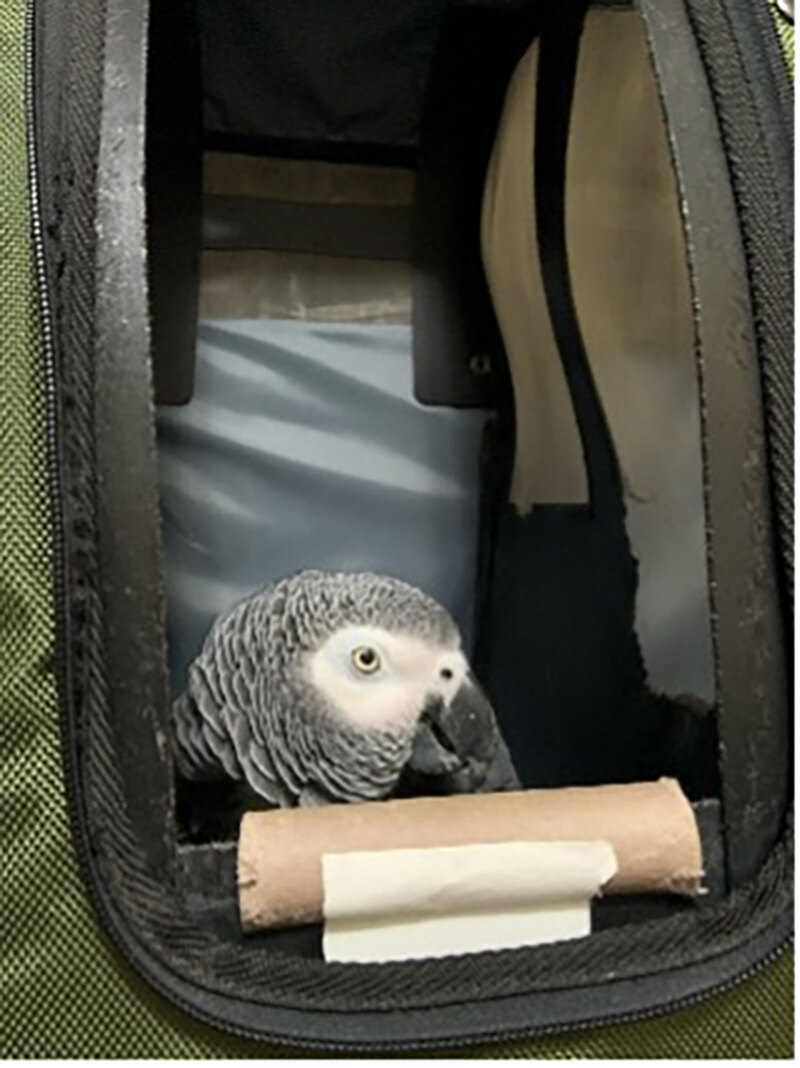
Remarkably, through these trials, Griffin appears to be adapting with surprising composure. As captured in accompanying imagery, the African Grey parrot, nestled comfortably in his specialized overnight sleeping backpack before it is fully secured, seems to be weathering the storm with a stoic demeanor, a testament to the dedication of his caretakers and the careful planning that, despite the overwhelming circumstances, has ensured his continued comfort and care. The resilience of both the animal subject and the human researchers highlights the critical importance of animal welfare even in the face of extreme environmental challenges. This ongoing situation underscores the complex interplay between scientific research, animal care, and the unpredictable forces of nature, demanding constant innovation and unwavering commitment from those involved. The laboratory’s experience serves as a compelling case study in the logistical and emotional demands placed upon research facilities during periods of extreme weather.