
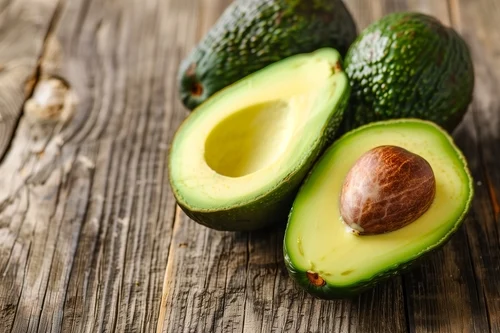
The consumption of avocado by poultry and various livestock species represents a significant veterinary concern due to the presence of persin, a fungicidal toxin naturally occurring throughout the plant. While the avocado (Persea americana) is celebrated globally as a nutrient-dense "superfood" for human consumption, its chemical composition is inherently dangerous to birds, including chickens and turkeys, as well as several mammalian species. Veterinary experts and agricultural specialists warn that every component of the avocado plant—the flesh, the pit, the skin, and particularly the leaves—contains varying concentrations of this toxin. For a small bird, consuming even a minute amount of the fruit can lead to rapid physiological decline, respiratory failure, and death within a 48-hour window. As backyard chicken keeping continues to rise in popularity across urban and suburban environments, understanding the specific toxicological profile of common kitchen scraps is becoming a critical component of responsible animal husbandry.
The Chemical Profile of Persin Toxicity
Persin is a fat-soluble compound structurally similar to a fatty acid, which the avocado plant produces as a natural defense mechanism against fungal attacks. In humans, persin is generally harmless because the human digestive system and metabolic pathways are capable of breaking down the compound without adverse effects. However, in susceptible animal species, the toxin targets the heart muscle (myocardium) and the mammary glands.
According to the Merck Veterinary Manual, the primary authority on animal health, the concentration of persin varies depending on the part of the plant and the specific variety of avocado. Research indicates that the leaves of the avocado tree contain the highest concentration of the toxin, followed by the pit and the skin. While the flesh contains lower levels than the leaves, it remains sufficiently toxic to pose a lethal threat to avian species. The Guatemalan varieties of avocado are frequently cited in veterinary literature as having higher toxicity levels compared to Mexican varieties, though all types should be strictly excluded from an animal’s diet to prevent accidental poisoning.

Chronology of Persin Poisoning: From Ingestion to Fatality
The progression of avocado toxicosis in birds and mammals follows a swift and devastating timeline. Because birds have high metabolic rates, the absorption of persin occurs rapidly, often leaving owners with little time for medical intervention.
The First 12 Hours: Initial Ingestion and Absorption
Immediately following the ingestion of avocado, there may be no visible symptoms. The toxin begins to interfere with the cellular function of the heart. In birds, the initial signs are often subtle, including a slight decrease in activity or a reluctance to forage.
12 to 24 Hours: Onset of Clinical Signs
As the toxin accumulates in the myocardial tissue, the animal begins to experience respiratory distress. In chickens, this manifests as "gaping" or open-beak breathing. The heart’s inability to pump blood efficiently leads to the accumulation of fluid around the lungs (pulmonary edema) and the heart (pericardial effusion). Birds may appear lethargic, with ruffled feathers and a drooping posture.
24 to 48 Hours: Critical Failure and Death
In the final stages of toxicosis, the lack of oxygen—caused by both heart failure and fluid in the chest cavity—leads to cyanosis, where the comb and wattles may turn a dark, dusky blue or purple. Most birds succumb to heart failure within 48 hours of ingestion. Veterinary data suggests that as little as 5% of a single avocado fruit can be fatal to a small bird, emphasizing that there is no "safe" amount of this fruit for poultry.

Supporting Toxicological Data and Affected Species
The susceptibility to persin is not limited to chickens. A wide array of domestic and wild animals are at risk, making the presence of avocado trees or the disposal of avocado waste a broader agricultural safety issue.
- Avian Species: In addition to chickens, turkeys, ostriches, and caged pet birds like canaries and parrots are highly sensitive. In ostriches, the toxin causes severe heart failure and has been linked to mass mortality events in regions where they have access to avocado orchards.
- Small Mammals: Mice, rats, and guinea pigs are frequently used in toxicological studies involving persin, showing high rates of myocardial necrosis (death of heart tissue) after exposure.
- Livestock: Sheep and goats are particularly vulnerable. In these ruminants, the toxin not only affects the heart but also causes severe inflammation of the mammary glands (non-infectious mastitis), which can lead to a total cessation of milk production.
- Aquatic Life: Certain species of fish have shown sensitivity to avocado runoff, suggesting that the toxin can persist in water sources near avocado processing or growing sites.
Interestingly, while dogs and cats are often listed as sensitive to avocados, they are generally more resistant to the lethal effects of persin than birds or ruminants. In canines, the primary risk associated with avocados is often gastrointestinal blockage caused by swallowing the large pit, rather than the chemical toxicity of persin itself.
Expert Reactions and Veterinary Recommendations
Veterinary professionals emphasize that prevention is the only effective strategy against avocado poisoning, as there is no specific antidote for persin toxicosis. Treatment is purely supportive, focusing on oxygen therapy and diuretics to remove fluid from the lungs, which is often unsuccessful once severe symptoms appear.
Dr. Lisa Steele, a prominent expert in backyard poultry and author of several books on natural chicken keeping, has long advocated for a "zero-tolerance" policy regarding avocados in the coop. Her guidelines suggest that chicken owners should not only avoid feeding the fruit but also ensure that compost bins containing avocado skins or pits are securely covered. "Avocados are bad news for chickens," Steele notes, highlighting that the concentration of the toxin in the leaves makes them the most dangerous part of the plant.

Agricultural extension services also recommend that farmers who keep mixed livestock be cautious of the landscaping around their property. In regions like California or Florida, where avocado trees are common in residential yards, falling leaves or wind-blown fruit can land in pastures, leading to accidental ingestion by sheep or goats.
Broader Implications for Sustainable Agriculture and Waste Management
The danger of avocado toxicity carries implications for the "zero-waste" movement and the practice of feeding kitchen scraps to livestock. While recycling food waste through poultry is an environmentally friendly practice that reduces landfill contributions and provides chickens with a varied diet, it requires a high degree of literacy regarding animal nutrition and toxicology.
The Risk of "Treat Culture"
The trend of viewing backyard chickens as pets has led to an increase in "treat culture," where owners offer a wide variety of human foods to their flocks. This increases the statistical likelihood of accidental poisoning. Educational campaigns by veterinary associations aim to remind owners that chickens are not "living garbage disposals" and that their digestive systems are optimized for specific grains, proteins, and safe vegetation.
Orchard Management and Multi-Use Land
For commercial and small-scale farmers, the toxicity of Persea americana necessitates careful land management. Avocado orchards are generally unsuitable for silvopasture (the practice of integrating trees and livestock) if the livestock includes sheep, goats, or poultry. The economic loss of a flock or a herd due to accidental poisoning can be devastating for smallholders. Furthermore, the risk of non-infectious mastitis in dairy sheep and goats poses a direct threat to the productivity and welfare of the animals.

Impact on the Compost Cycle
Many backyard gardeners use chicken manure to enrich their soil and use chickens to turn their compost. If avocado pits and skins are present in the compost, they may remain toxic for a period as they decompose. While the exact half-life of persin in a composting environment is not widely documented, the physical presence of the pit remains a choking hazard and a potential source of concentrated toxin if broken open by a curious bird.
Conclusion and Safety Guidelines
The lethal nature of avocados to chickens and other livestock serves as a vital reminder of the biological differences between humans and the animals we raise. While the avocado remains a staple of the human diet, its presence in the barnyard or the coop is a hazard that can lead to rapid and irreversible heart failure.
To ensure the safety of backyard flocks and farm animals, owners should adhere to the following safety protocols:
- Strict Exclusion: Never feed any part of an avocado—flesh, skin, pit, or leaf—to poultry or livestock.
- Secure Composting: Ensure that all avocado waste is disposed of in a manner that is inaccessible to animals.
- Environmental Scanning: Regularly check pastures and coops for fallen leaves or fruit if avocado trees are located on or near the property.
- Symptom Awareness: Recognize the signs of respiratory distress and cyanosis, and consult a veterinarian immediately if ingestion is suspected, although the prognosis for avian persin poisoning remains poor.
By maintaining a rigorous standard for what enters the poultry run, owners can protect their birds from this silent and fast-acting toxin, ensuring the health and longevity of their backyard flocks.