
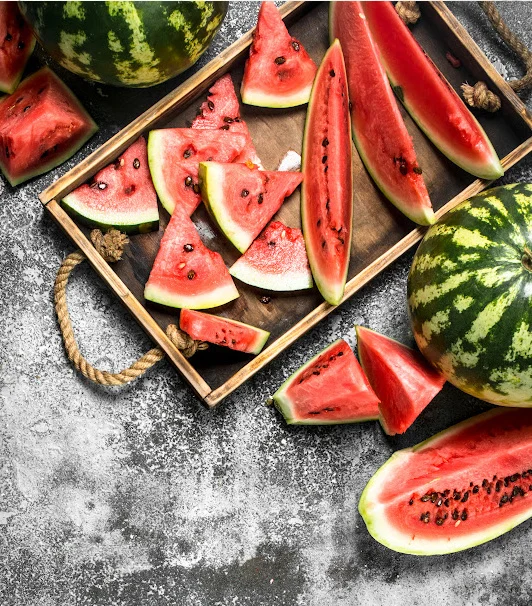
The rising global temperatures and the increasing frequency of summer heatwaves have presented significant challenges for backyard poultry enthusiasts, making the management of flock hydration and nutrition a top priority for sustainable agriculture. As temperatures climb above the 85-degree Fahrenheit threshold, chickens begin to experience physiological stress, leading to decreased egg production, weakened immune systems, and, in extreme cases, mortality. Amidst these environmental challenges, watermelon has emerged as a critical supplemental resource for poultry owners. While often viewed as a simple summer treat, the fruit provides a sophisticated combination of hydration, essential vitamins, and bioactive compounds that serve as a primary defense against heat-induced illness in avian populations.
The Nutritional Architecture of Watermelon for Avian Health
Watermelon, scientifically known as Citrullus lanatus, is composed of approximately 92 percent water, making it one of the most efficient biological delivery systems for hydration. For chickens, who do not possess sweat glands and must rely on respiratory evaporation (panting) to cool themselves, maintaining high internal fluid levels is a matter of survival. However, the benefits of watermelon extend far beyond simple moisture.
According to nutritional analysis, watermelon is a dense source of Vitamin A, Vitamin B6, and Vitamin C. Vitamin A is essential for maintaining the integrity of mucosal membranes and respiratory health, which are often taxed during periods of heavy panting. Vitamin B6 plays a pivotal role in protein metabolism and the functioning of the nervous system, while Vitamin C acts as a potent anti-stress agent. Research in avian science suggests that supplemental Vitamin C can significantly mitigate the negative effects of heat stress by lowering corticosterone levels in the blood, thereby stabilizing the bird’s metabolic rate.
.jpg)
Furthermore, watermelon provides essential minerals such as magnesium and potassium. These electrolytes are frequently depleted when birds are under heat stress. Potassium, in particular, is vital for maintaining the osmotic pressure within cells and preventing the condition known as respiratory alkalosis—a pH imbalance in the blood caused by excessive panting and the loss of carbon dioxide.
Impact on Egg Quality and Carotenoid Enrichment
One of the most noticeable benefits of incorporating watermelon into a flock’s diet is the impact on egg yolk pigmentation. Consumers and small-scale farmers often use yolk color as a metric for egg quality and hen health. Watermelon is rich in carotenoids, the organic pigments that provide the fruit with its vibrant red hue. When ingested by chickens, these carotenoids are synthesized and deposited into the yolk, resulting in a deep, rich orange color.
Beyond aesthetics, these carotenoids serve as antioxidants that protect the developing embryo in fertile eggs and provide nutritional benefits to human consumers. The presence of lycopene in watermelon—at levels higher than those found in raw tomatoes—further enhances this antioxidant profile. Lycopene is associated with heart health and the prevention of cellular damage, providing a long-term wellness benefit for the birds that goes beyond immediate heat relief.
The Role of Cucurbitacin as a Natural Anthelmintic
A significant point of interest for organic and natural-leaning poultry keepers is the presence of cucurbitacin in watermelon. Found in various members of the Cucurbitaceae family, including cucumbers and squash, cucurbitacin is a biochemical compound that plants use as a defense mechanism against herbivores. In the context of poultry management, there is a long-standing tradition of using these compounds as a natural "wormer" or anthelmintic.
.jpg)
While scientific consensus continues to evolve regarding the efficacy of cucurbitacin compared to synthetic dewormers, many experts, including Lisa Steele, the founder of Fresh Eggs Daily, advocate for its use as part of a preventative health strategy. By creating an environment in the digestive tract that is inhospitable to internal parasites, watermelon contributes to the overall biosecurity of the flock without the withdrawal periods often required by chemical interventions.
Chronology of Seasonal Poultry Management
The integration of watermelon into poultry diets typically follows a specific seasonal chronology designed to maximize bird resilience.
- Pre-Heat Conditioning (Late Spring): As temperatures begin to fluctuate, poultry keepers introduce small amounts of watermelon to acclimate the birds’ digestive systems to the high water and sugar content.
- Peak Summer Maintenance (June – August): During the hottest months, watermelon is served daily or every other day. This coincides with the period when chickens are most likely to reduce their intake of dry layer crumbles due to heat-induced lethargy.
- Late Season Recovery (September): As the birds enter the molting season, the vitamins found in watermelon assist in the energy-intensive process of feather regrowth and the rebuilding of nutrient stores before winter.
Strategic Feeding Methods and Waste Reduction
From a practical management perspective, watermelon is highly versatile and minimizes agricultural waste. Unlike some supplemental treats that require preparation, watermelon can be served in various forms depending on the flock’s needs.
- Whole and Raw: Cutting a melon in half and placing it in the run allows chickens to engage in natural pecking behaviors, which provides mental stimulation and prevents boredom-induced feather picking.
- The Rind Benefit: Chickens are capable of consuming the entire fruit, including the green rind and the seeds. The rind is particularly high in citrulline, an amino acid that supports vascular health.
- Frozen Solutions: During extreme heat spikes, many keepers provide "watermelon slushies" or frozen chunks. These serve as a literal internal ice pack, rapidly lowering the bird’s core body temperature.
This "zero-waste" approach aligns with the principles of circular economy in small-scale farming, as the chickens convert what might otherwise be compost into high-value protein in the form of eggs.

Expert Analysis and Industry Response
The shift toward utilizing fresh produce like watermelon as a staple of poultry care reflects a broader trend in the agricultural industry. As the cost of commercial feed rises and consumer demand for organic, "pastured" products increases, farmers are looking for ways to supplement diets naturally.
Lisa Steele, a fifth-generation chicken-keeping expert and author, has been a vocal proponent of these traditional, "old-timer" methods. Her research and practical experience suggest that a flock provided with a variety of fresh, moisture-rich supplements is more resilient than one kept on a strictly grain-based diet. This sentiment is echoed by veterinary experts who note that the primary cause of summer flock loss is often a failure to maintain electrolyte balance, a problem that watermelon is uniquely suited to solve.
Broader Implications for Sustainable Agriculture
The use of watermelon in poultry farming also highlights the intersection of animal husbandry and climate adaptation. As global weather patterns become more unpredictable, the ability of small-scale producers to use local, seasonal crops to protect their livestock is crucial. Watermelon is a drought-tolerant crop in many regions, making it a sustainable choice for supplemental feed.
Furthermore, the antioxidant properties of the fruit address a growing concern in avian medicine: the long-term effects of oxidative stress on high-production laying hens. By mitigating this stress through diet, keepers can potentially extend the productive life of their birds, leading to better economic outcomes for the farm.

Conclusion and Final Safety Considerations
While the benefits of watermelon are extensive, experts remind poultry keepers that it should be viewed as a supplement, not a replacement for a balanced layer feed. Standard poultry feed is formulated to provide the exact calcium and protein ratios required for eggshell formation and muscle maintenance. Most guidelines suggest that treats and supplements, including watermelon, should comprise no more than 10 percent of a chicken’s total caloric intake to avoid nutritional imbalances or obesity.
Additionally, while the sugar in watermelon is natural, excessive amounts can lead to digestive upset or diarrhea in birds. Observation is key; a healthy flock should have firm droppings, and any sign of prolonged digestive distress should result in a temporary reduction of fruit intake.
In summary, watermelon stands as more than just a seasonal indulgence for backyard chickens. It is a scientifically backed, nutritionally dense tool that addresses the most pressing needs of poultry during the summer months: hydration, electrolyte balance, and stress reduction. As the backyard chicken movement continues to grow, the humble watermelon is likely to remain a cornerstone of natural flock management, ensuring that hens remain healthy, hydrated, and productive even in the face of a changing climate.