
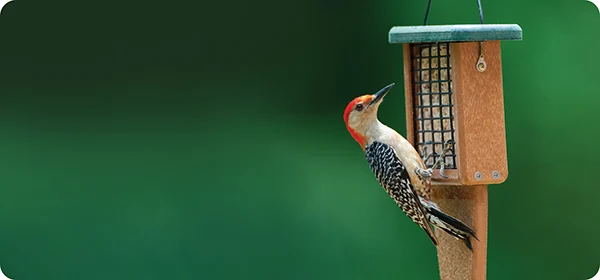
Woodpeckers are truly wonderful, often gracing our backyards with their presence and providing an engaging spectacle of activity. Beyond their aesthetic appeal and the entertainment they provide, these avian marvels possess an extraordinary suite of adaptations that allow them to thrive in an environment that would be incredibly challenging, if not impossible, for most other bird species. Their ability to withstand the punishing nature of their existence, characterized by what can only be described as a life of relentless hard labor, earns them the designation of "wondrous." This article delves into the remarkable biological and evolutionary mechanisms that enable woodpeckers to not only survive but flourish in their unique ecological niche.
The Punishing Reality of a Woodpecker’s Life
The primary method of foraging and nest excavation for woodpeckers involves a repetitive and forceful impact of their beaks against wood. This action, while essential for their survival, subjects their heads to extreme forces. Studies have revealed that during the process of excavating a cavity, a woodpecker’s head can strike a tree’s surface at speeds reaching up to 13 miles per hour. The resultant force of this impact, estimated to be approximately 10 G’s, is significant. To put this into perspective, such an impact would be catastrophic for most other birds, leading to severe brain damage. Even for humans, whose brains are considerably larger and more complex, experiencing such a force repeatedly could easily result in a concussion. Imagine, for a moment, the physical sensation and potential for injury if a human were to run head-first into a solid tree trunk at full speed.
Evolutionary Marvels: Anatomical Adaptations for Survival
Scientists have long been fascinated by how woodpeckers manage to endure this seemingly brutal activity without suffering debilitating injuries. Extensive research has pointed to a series of remarkable adaptations, primarily centered around their unique skull structure.
A Reinforced and Cushioned Skull
One of the most crucial adaptations is the woodpecker’s skull, which is distinct from that of other avian species. It is characterized by being lightweight yet incredibly strong, composed of spongy, air-filled bone. This unique composition is further reinforced by an intricate meshwork of bony support struts, providing exceptional structural integrity.
Furthermore, a critical aspect of their cranial anatomy is the relatively small size of the brain in proportion to the overall skull size. This anatomical feature creates a limited amount of space within the skull for the brain to move or "rattle" during severe impacts. By minimizing this internal space, the brain is effectively cushioned and protected from the violent jolts experienced during pecking. This contrasts sharply with the brains of many other animals, where a larger cranial cavity could allow for more significant displacement and, consequently, a higher risk of injury.
The Enduring and Self-Sharpening Bill
The question naturally arises: how does a woodpecker’s bill, subjected to such constant and forceful abrasion, avoid wearing down to a useless stub? The answer lies in a continuous and efficient regenerative process. While the bill does experience wear and tear, specialized cells located at the tip are constantly at work, replacing the lost material. This biological mechanism ensures that the bill remains strong, resilient, and remarkably, self-sharpening. Each forceful blow against wood not only aids in excavation but also effectively hones the chisel-like point of the bill, maintaining its effectiveness for its intended purpose.
Built-in Protective Gear: The "Dust Mask" and "Safety Glasses"
Beyond cranial and bill adaptations, woodpeckers have evolved ingenious solutions to protect their sensory organs from the debris generated during their work. When a woodpecker excavates a tree, it creates a significant amount of fast-flying wood chips and dust. To mitigate the risks associated with this airborne debris, they possess specialized adaptations that function as a "dust mask" and "safety glasses."
The "dust mask" is composed of tufts of stiff feathers that grow strategically over their nostrils. These specialized feathers act as a filter, preventing small particles of wood from entering the respiratory system and causing irritation or damage.

Complementing this is their equivalent of "safety glasses." Woodpeckers possess a unique, transparent nictitating membrane, often referred to as a third eyelid. This membrane can be rapidly drawn across the eye, providing a protective barrier against flying debris while still allowing for a degree of vision. This allows them to continue their work with reduced risk of eye injury.
The Wondrous Woodpecker: A Backyard Attraction
The remarkable resilience and specialized adaptations of woodpeckers make them a fascinating subject of study and a delightful addition to any backyard ecosystem. Their ability to thrive in challenging environments and their unique behaviors offer a constant source of wonder for observers.
Attracting Woodpeckers to Your Backyard
For those wishing to observe these incredible birds more closely, providing the right food sources can significantly increase their presence in a backyard. Wild Birds Unlimited (WBU) offers a variety of specialized foods known to attract a diverse range of woodpecker species. These include:
- WBU Suet and No-Melt Dough: These high-energy food sources are particularly attractive to woodpeckers, especially during colder months. The no-melt formulation ensures that the suet remains palatable and accessible even in warmer weather.
- Bark Butter Products: Developed by WBU, Bark Butter is a high-fat, high-protein food that mimics the natural diet of many woodpeckers, providing essential nutrients.
- Shelled Peanuts: Peanuts are a favorite of many woodpecker species, offering a rich source of protein and fat.
- TreeNutty® Plus Blend: This seed and nut blend is specifically formulated to appeal to a wide variety of woodland birds, including woodpeckers.
- Woodpecker Cylinder: This specialized seed cylinder is designed to provide a consistent and accessible food source for woodpeckers, allowing for extended feeding opportunities.
By offering these carefully selected food options, backyard enthusiasts can create an inviting habitat that encourages woodpeckers to visit regularly. This provides an unparalleled opportunity for close-up observation of their impressive foraging techniques and their remarkable physical attributes.
Further Exploration and Understanding
To deepen the appreciation and understanding of these extraordinary birds, resources such as the Nature Centered Podcast by WBU Inc. offer valuable insights. Episode 75, titled "Wonderful Woodpeckers," delves further into the captivating world of these avian acrobats, providing additional context and detailed information about their biology, behavior, and ecological significance. This podcast serves as an excellent educational tool for anyone interested in ornithology and backyard wildlife.
The Broader Ecological Significance of Woodpeckers
The impact of woodpeckers extends beyond their individual marvels of adaptation. As ecosystem engineers, they play a crucial role in forest health and biodiversity.
Habitat Creation and Maintenance
Through their excavating activities, woodpeckers create cavities in trees. These cavities are not only essential for their own nesting and roosting but also become vital microhabitats for a multitude of other species. Once abandoned by woodpeckers, these cavities are often utilized by secondary cavity nesters, including various species of birds, mammals like squirrels and bats, and even insects. This process of creating and modifying habitat contributes significantly to the structural complexity of forests and woodland environments.
Insect Population Control
Woodpeckers are voracious insectivores, feeding on a wide array of insects, including many that are considered pests to trees. By actively foraging on bark and wood, they help to regulate insect populations, thereby contributing to the overall health and longevity of trees. This natural pest control service is invaluable for forest ecosystems and can have significant economic implications in managed forests.

Seed Dispersal
While not their primary food source, some woodpecker species do consume fruits and berries. In the process of consuming these fruits, they can aid in seed dispersal, helping to propagate plant species across their territories.
A Legacy of Resilience and Wonder
The woodpecker, a bird often seen but perhaps not fully appreciated for its extraordinary adaptations, stands as a testament to the power of evolution. Their ability to thrive in the face of extreme physical challenges, coupled with their significant ecological contributions, solidifies their status as truly wonderful and wondrous creatures. By understanding and supporting these birds, we not only enrich our own lives with their presence but also contribute to the health and vitality of the natural world around us. The ongoing research and public outreach efforts, such as those provided by organizations like Wild Birds Unlimited, are instrumental in fostering a deeper appreciation for these resilient avian architects. Their existence serves as a powerful reminder of the intricate and often astonishing ways in which life adapts and flourishes on our planet.