

The global pigeon racing community is witnessing a significant transformation in how specialized knowledge and competitive strategies are disseminated among hobbyists and professional fanciers. Pigeon Insider, a prominent digital resource for avian racing enthusiasts, has officially launched a new initiative to consolidate its elite training techniques and strategic insights through a dedicated Facebook VIP program. This move highlights a broader trend within niche sporting communities to bypass traditional broadcast methods in favor of high-engagement social media funnels. By implementing a specific five-step digital onboarding process, the organization aims to ensure that its most critical data—ranging from nutritional protocols to advanced navigation training—reaches its core audience despite the increasingly restrictive nature of social media algorithms.
As the sport of pigeon racing becomes more data-driven and financially competitive, the demand for "exclusive" content has surged. The Pigeon Insider initiative is designed to address the "algorithmic noise" that often buries specialized content in a standard social media feed. According to digital engagement analysts, niche communities are increasingly forced to adopt manual "See First" and notification-priority settings to maintain the integrity of their information sharing. The five-step protocol introduced by Pigeon Insider provides a roadmap for users to override automated filtering, ensuring that updates regarding breeding cycles, race results, and health management strategies are delivered in real-time.

The Historical Context of Pigeon Racing Knowledge Exchange
To understand the significance of this digital shift, one must examine the history of pigeon racing, often referred to as "the poor man’s horse racing." For over a century, the sport was characterized by local club meetings and physical newsletters. Knowledge was often guarded within specific families or regional guilds. In the mid-20th century, the sport saw a boom in the United Kingdom, Belgium, and Germany, where the "Belgian strain" of racing pigeons became the gold standard for speed and endurance.
The transition to the internet era began in the late 1990s with the advent of message boards and forums. However, these platforms often lacked the real-time visual capabilities required to demonstrate complex techniques, such as loft ventilation designs or the "widowhood" system of motivation. The rise of video-sharing platforms and social media groups has democratized this knowledge, but it has also created a saturated market where high-quality, verified strategies are often drowned out by unverified advice. The Pigeon Insider VIP list represents a formal attempt to curate and protect the quality of information flowing to serious competitors.
Technical Breakdown of the Strategic Onboarding Process
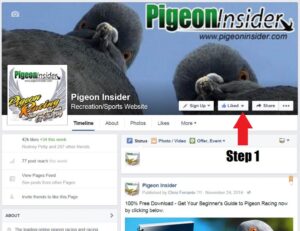
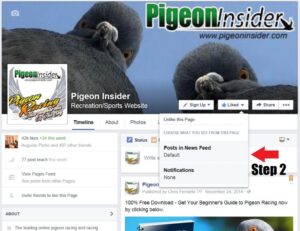
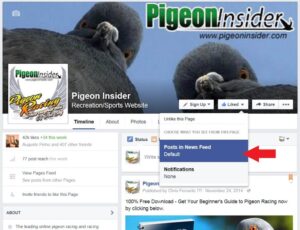
The strategy employed by Pigeon Insider involves a meticulous five-step configuration for its followers, which serves as a case study in modern community management. The process begins with a primary engagement action—the "Like" and "Follow" functions—but extends into the deeper architecture of the Facebook interface. By instructing users to hover over the engagement buttons and manually select "See First" within their news feed preferences, the organization is effectively carving out a priority lane for its content.

Furthermore, the requirement for users to enable "All Posts" under the notification settings ensures a direct-to-consumer link that mimics the reliability of the old-fashioned "pigeon post" itself. From a technical perspective, this maneuver is a response to the "Edgerank" algorithm, which typically prioritizes personal connections and high-ad-spend content over organic educational material. For the pigeon fancier, these technical adjustments are the digital equivalent of ensuring a clear flight path for their birds; without them, the "signal" of expert advice is lost in the "static" of the general internet.
The Economic Stakes of Modern Pigeon Racing
The push for exclusive strategies is not merely a matter of hobbyist pride; it is driven by the escalating economic value of the sport. In recent years, the market for elite racing pigeons has reached unprecedented heights. In 2020, a racing pigeon named "New Kim" was sold at auction in Belgium for a record-breaking 1.6 million euros (approximately $1.9 million). The buyer, a Chinese businessman, highlighted the shift in the sport’s center of gravity toward the Asian market, where high-stakes "one-loft" racing has become a multi-billion dollar industry.
With such significant capital at stake, the "tips, tricks, and techniques" mentioned by Pigeon Insider take on a professional urgency. Information regarding avian influenza prevention, the use of GPS tracking rings, and the optimization of mitochondrial function through specific grain blends can be the difference between a podium finish and a total loss of investment. The VIP content offered through social media channels often includes deep dives into these scientific and logistical aspects of the sport, providing a competitive edge that is not available in the public domain.
Chronology of Digital Integration in Avian Sports
The timeline of pigeon racing’s digital integration reflects the broader evolution of the 21st-century internet:
- 1995–2005: Emergence of regional websites and basic result-tracking software.
- 2006–2012: The "YouTube Era," where fanciers began filming their lofts and sharing visual evidence of training tosses.
- 2013–2018: The rise of Facebook Groups as the primary hub for global community interaction, replacing traditional forums.
- 2019–Present: The "Algorithm Era," necessitating the type of VIP prioritization strategies currently deployed by Pigeon Insider.
This chronology shows a move away from static information toward dynamic, interactive content. The current phase is defined by "active participation," where the user must take deliberate steps to stay informed, rather than passively waiting for information to appear.
Scientific and Strategic Implications of "Insider" Knowledge
The content prioritized in these VIP lists often focuses on the cutting edge of columbary science. Modern pigeon racing is no longer just about releasing birds and waiting for their return; it involves complex aerodynamic theories and biological hacking. For instance, "insider" strategies often discuss the "darkness system," a method of manipulating a bird’s molting cycle by controlling light exposure in the loft. This allows the birds to maintain their "prime" feathers for the duration of the racing season.
Another area of intense focus is "magnetoreception"—the biological mechanism that allows pigeons to sense the Earth’s magnetic field. Advanced strategies shared within exclusive groups often include data on solar flares and geomagnetic storms, which can interfere with a bird’s ability to navigate. By receiving real-time alerts through a prioritized Facebook feed, a fancier can decide whether or not to "toss" (release for training) their birds on a day when the risk of "fly-aways" is high due to atmospheric conditions.
Reactions from the Racing Community
While some traditionalists argue that the move toward digital exclusivity undermines the "clubhouse" spirit of the sport, many younger and more tech-savvy fanciers have welcomed the shift. "The old ways of learning through trial and error are too expensive in the modern era," says one veteran fancier from the North West of England. "Having a direct line to expert strategies through your phone is like having a master trainer in your pocket 24/7."
Digital marketing experts also view the Pigeon Insider model as a sophisticated way to build brand loyalty. By offering a "free" VIP list that only requires a few clicks of engagement, the organization builds a highly targeted database of users who are most likely to invest in future products, such as specialized feed supplements or timing systems. It is a symbiotic relationship where the user gains valuable knowledge and the platform gains a dedicated, high-retention audience.
Broader Impact on the Future of Niche Hobbies
The success of the Pigeon Insider VIP model may serve as a blueprint for other niche hobbies—such as falconry, rare plant breeding, or vintage watch restoration—that struggle to maintain visibility in a world of "big-box" social media content. The transition from general public posts to "See First" prioritized content marks a new era of digital tribalism, where the quality of the network is valued more than the quantity of followers.
As we look toward the future, the integration of artificial intelligence and more advanced data analytics into these VIP groups is inevitable. We may soon see "insider" groups that provide AI-generated flight path predictions or automated health diagnostics based on photos uploaded by members. For now, the focus remains on the human element: the sharing of hard-earned wisdom from one generation of fanciers to the next, facilitated by the very technology that once threatened to obscure it.
In conclusion, the Pigeon Insider’s five-step guide to joining their Facebook VIP list is more than just a promotional tactic; it is a strategic response to the changing landscape of the digital world. By securing a prioritized position in the news feeds of thousands of fanciers, the organization ensures that the ancient sport of pigeon racing remains a sophisticated, data-rich, and highly competitive pursuit in the 21st century. The birds may still fly by the same instincts they have used for millennia, but the men and women who fly them are now guided by a complex web of social media strategy and real-time information exchange.
