

By WBU Inc | Birds
The arrival of hummingbirds each spring is a highly anticipated event for nature enthusiasts across North America. After enduring arduous migratory journeys, these diminutive avian jewels return to grace backyards and natural habitats with their vibrant presence. The period of waiting, while sometimes testing patience, is ultimately rewarded by the sheer spectacle and delight these energetic creatures bring. This article delves into the intricacies of hummingbird migration, their remarkable biology, and how individuals can best support and observe these fascinating birds.
The Epic Journey of Hummingbirds
Hummingbirds undertake some of the most extraordinary migrations for their size in the avian world. Many species, particularly the Ruby-throated Hummingbird in the eastern United States, travel distances of up to 2,000 miles from their wintering grounds in Central America to their breeding territories. This incredible feat of endurance requires significant physiological adaptations and a reliance on readily available food sources along their route.
The migration typically begins in late winter or early spring. Birds depart from warmer climates, often in Mexico and Central America, when insect populations and flowering plants start to bloom. Their journey is not a continuous flight; rather, it is a series of flights interspersed with stops to refuel. These refueling stops are critical and are primarily at nectar-producing flowers and insect-rich areas. Scientists estimate that hummingbirds can fly at speeds of up to 30 miles per hour, with their wings beating at an astonishing rate of 50 to 80 times per second, allowing them to cover vast distances.
Chronology of Spring Arrival
The timing of hummingbird arrival varies geographically. Generally, the earliest arrivals are observed in the southern United States in late February or early March. As spring progresses northward, so do the hummingbirds. By April, they can be seen in the mid-Atlantic and Midwestern states, and by May, they reach the northernmost breeding grounds in Canada. This staggered arrival ensures that the birds arrive in areas where their food sources are also becoming abundant.
For observers in the western United States, the migratory patterns can be more complex, involving different species with their own unique migratory strategies. Species like the Black-chinned, Rufous, and Broad-tailed Hummingbirds undertake migrations that can be just as impressive, though their specific routes and timing may differ. The Rufous Hummingbird, in particular, is known for its exceptionally long migration, traveling from as far north as Alaska to wintering grounds in Mexico.
Supporting Hummingbird Visitors
Creating a welcoming environment for hummingbirds involves more than just placing feeders. While feeders are crucial, especially during migration when natural food sources may be scarce, a holistic approach that includes native plants is essential for their long-term well-being and successful breeding.
Nectar Feeders: A Vital Resource
The most common method for attracting hummingbirds is through nectar feeders. A simple mixture of four parts water to one part granulated white sugar is the recommended recipe. It is crucial to avoid red dye, honey, or artificial sweeteners, as these can be harmful to hummingbirds. Regular cleaning of feeders is paramount to prevent the growth of mold and bacteria, which can sicken the birds. Ideally, feeders should be cleaned every two to three days during hot weather and every four to five days in cooler temperatures.
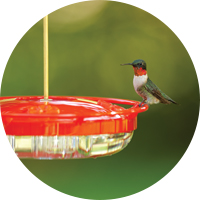
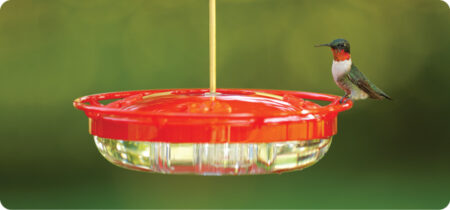
Wild Birds Unlimited (WBU) offers specialized hummingbird feeders designed to facilitate observation. Their feeders often feature clear plastic bases, allowing enthusiasts to witness the intricate feeding mechanisms of these birds. Similarly, window hummingbird feeders can provide an exceptionally close and intimate viewing experience, bringing the marvel of hummingbird feeding right to a home’s interior.
The Importance of Native Plants
Beyond feeders, planting native flowers that provide natural nectar is a cornerstone of supporting hummingbird populations. Different hummingbird species have preferences for flower shapes and colors, but generally, they are attracted to brightly colored, tubular flowers.

For Eastern U.S. residents, key native plants include:
- Bee Balm (Monarda spp.): Known for its vibrant red or pink flowers and fragrant foliage.
- Cardinal Flower (Lobelia cardinalis): Features striking scarlet blooms that are irresistible to hummingbirds.
- Trumpet Vine (Campsis radicans): A vigorous climber with large, trumpet-shaped orange-red flowers.
- Columbine (Aquilegia spp.): Offers delicate, nodding flowers in various colors, often with spurs that hold nectar.
In the Western U.S., popular choices include:
- California Fuchsia (Epilobium canum): Abundant scarlet to orange tubular flowers that bloom in late summer and fall.
- Penstemon (Penstemon spp.): A diverse genus with many species featuring tubular flowers in a range of colors.
- Fuchsia-flowered Gooseberry (Ribes speciosum): A native shrub with distinctive, dangling red flowers.
- Salvia species (e.g., Hummingbird Sage, Cleveland Sage): Many varieties offer fragrant foliage and nectar-rich flower spikes.
Providing a succession of blooms throughout the spring and summer ensures a continuous food supply for both migrating and resident hummingbirds.
Resident Hummingbirds: A Different Kind of Joy
While many hummingbirds are migratory, certain species are year-round residents in the milder climates of the far West. In these regions, individuals may be fortunate enough to host families of hummingbirds, such as Costa’s, Anna’s, and Allen’s Hummingbirds, who are already engaged in raising their young. This presents a different, yet equally rewarding, opportunity for observation: witnessing the emergence of newly fledged hummingbirds making their tentative first visits to feeders and flowers.
These young birds, often identifiable by their less vibrant plumage and sometimes clumsy flight, are embarking on their own journey of learning and survival. Observing their development and their interactions with their parents and the environment adds another layer of fascination to the hummingbird experience.
The Remarkable Biology of Hummingbirds
Watching hummingbirds is an education in itself, revealing a suite of astonishing biological adaptations. Their seemingly erratic flight patterns are in fact highly controlled aerial maneuvers, allowing them to hover, fly backward, and even upside down for brief periods. This agility is essential for navigating dense vegetation and accessing nectar from flowers.
Feeding Mechanism: A Tongue of Wonder
A common misconception is that hummingbirds suck nectar through their bills like a straw. In reality, their feeding method is far more complex and ingenious. Hummingbirds use their long, slender tongues, which are forked and grooved, to draw nectar into their mouths. The tongue extends and retracts rapidly, lapping up nectar up to 12 times per second. This rapid lapping action, combined with capillary action, efficiently collects the sweet liquid.
The clear bases of WBU feeders provide an exceptional vantage point to observe this rapid tongue movement, offering an unparalleled glimpse into this remarkable feeding behavior.
Pollen Transfer: Accidental Architects of Pollination
As hummingbirds forage for nectar, they inadvertently become vital pollinators. Tiny yellow pollen grains from flowers often adhere to their heads and beaks. When they visit the next flower, some of this pollen is transferred, facilitating plant reproduction. This symbiotic relationship is crucial for the survival of many plant species, underscoring the ecological importance of hummingbirds.
The Broader Impact and Implications
The presence of hummingbirds in our backyards and natural landscapes signifies a healthy ecosystem. Their dependence on specific food sources and their migratory patterns make them sensitive indicators of environmental change. Declines in hummingbird populations can signal issues such as habitat loss, pesticide use, and climate change impacting flowering times and insect availability.

The act of attracting and observing hummingbirds fosters a deeper connection with nature. For many, it sparks an interest in conservation and the broader challenges facing wildlife. Organizations like Wild Birds Unlimited play a significant role in educating the public and promoting practices that support bird populations. Their "Nature Centered" podcast, including an episode titled "Hooray for Hummingbirds," serves as a valuable resource for learning more about these captivating birds and enhancing backyard bird-feeding experiences.
The continued return of hummingbirds each year is a testament to their resilience and the enduring allure they hold for humans. Their vibrant colors, energetic flights, and delicate nature offer moments of pure joy and wonder, making the anticipation of their arrival a well-justified and deeply rewarding experience. By understanding their needs and providing suitable habitats, we can ensure that these miniature marvels continue to grace our world for generations to come.
The ongoing efforts to conserve habitats and reduce pesticide use are critical for the long-term survival of hummingbird populations. As climate change continues to alter natural cycles, understanding and adapting to these shifts will be paramount in ensuring that these migratory wonders can continue their incredible journeys. The simple act of planting native flowers or maintaining a clean nectar feeder can contribute to a larger conservation effort, making each backyard a potential haven for these precious birds.
