

The act of "feasting" traditionally conjures images of elaborate meals shared during special occasions, often accompanied by entertainment and a sense of communal celebration. For many, this definition immediately brings to mind Thanksgiving, a holiday synonymous with abundant food, cherished company, and cherished traditions. This year, as families gather to partake in their own festive meals, there’s an emerging perspective that encourages extending this spirit of generosity and shared experience to the avian inhabitants of our backyards.
Expanding the Definition of a Feast: Beyond Human Tables
While human feasts often involve meticulously set tables adorned with special china and a bounty of seasonal delicacies, the concept can be broadened to include the simple yet profound act of providing for our feathered neighbors. This perspective, championed by organizations like Wild Birds Unlimited (WBU), suggests that the entertainment and joy derived from observing birds at feeders can be significantly enhanced by treating them as honored guests at their own celebratory "table."
The core of this inclusive approach lies in recognizing that a well-maintained bird feeder can be as significant to a bird as a holiday spread is to a human. This translates to ensuring feeders are impeccably clean, a constant supply of fresh water is available, and the food offerings are of the highest quality and variety. This meticulous attention to detail transforms a simple bird feeder into a sophisticated dining establishment, capable of attracting a diverse and engaging array of avian visitors.
A Menu Designed for Avian Palates
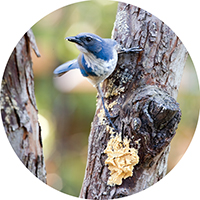
The "menu" for these feathered friends, as suggested by WBU, begins with foundational offerings that form the cornerstone of a healthy avian diet. High-quality seed blends, a staple for many backyard bird enthusiasts, provide essential nutrients. Complementing these are suet cakes, particularly valuable during colder months for their high fat content, offering vital energy. Nyjer® seed, a small, oil-rich seed, is a particular favorite of finches and other small birds, drawing them to feeders with its irresistible appeal.
Beyond these staples, the culinary offerings can be elevated to create a true "feast." The inclusion of peanuts, either whole or shelled, provides a protein-rich treat that appeals to a wide range of species, from jays and woodpeckers to chickadees and titmice. Bark Butter® products, a unique WBU offering, are highly palatable and can attract insectivorous birds that might otherwise be overlooked. Specialty seed blends, such as the Winter SuperBlend®, are formulated to provide a balanced and energy-dense diet specifically tailored for the challenges of colder weather, ensuring birds have the sustenance they need to survive and thrive.
The implication of such a diverse and high-quality menu is not merely about sustenance; it’s about creating an environment that fosters robust bird populations and provides unparalleled opportunities for observation and enjoyment. As WBU suggests, "With a feast like this… your birds are sure to provide some of the best entertainment of the day." This highlights the symbiotic relationship between the feeder and the observer – a well-fed bird is an active and visible bird, contributing to the overall richness of the backyard ecosystem.
The Broader Context: Thanksgiving Traditions and Environmental Stewardship
The timing of this "feasting with feathered friends" initiative often coincides with the Thanksgiving holiday season. Thanksgiving, with its emphasis on gratitude and the bounty of the harvest, provides a natural backdrop for considering our role in the wider natural world. The tradition of gathering and sharing is intrinsically linked to the concept of generosity, and extending this to the animal kingdom aligns with a growing awareness of environmental responsibility and interconnectedness.
Historically, Thanksgiving celebrations have evolved from early harvest festivals to a national holiday marked by specific customs. While the exact origins are debated, the concept of a day of thanksgiving has roots in colonial America, with the 1621 harvest feast shared by the Pilgrims and the Wampanoag people often cited as a foundational event. Over centuries, these gatherings have become a significant cultural touchstone, reflecting themes of family, community, and gratitude for sustenance.

In contemporary times, the holiday also serves as a period for reflection on our relationship with the environment. The "feasting with feathered friends" concept taps into this broader consciousness, suggesting that true gratitude extends to the natural world that sustains us. By providing for birds, especially during periods of scarcity like winter, individuals participate in a form of ecological stewardship that benefits both the birds and the broader ecosystem.
Coffee Break with a Conscience: Shade-Grown Coffee and Migratory Birds
An intriguing and impactful suggestion embedded within the "feasting" narrative is the inclusion of shade-grown, bird-friendly coffee. This seemingly simple addition carries significant environmental weight. Shade-grown coffee farms, characterized by their preservation of forest canopies, offer crucial habitat for a multitude of bird species, including over 42 species of North American migratory songbirds that overwinter in tropical regions.
The practice of shade-grown coffee cultivation stands in stark contrast to sun-grown coffee plantations, which often involve clear-cutting forests, leading to habitat loss and fragmentation. By choosing shade-grown coffee, consumers directly support a more sustainable agricultural model that benefits migratory birds on their long journeys. This conscious consumer choice transforms a personal indulgence, like enjoying a cup of coffee with a slice of pie, into an act of conservation. It’s a powerful reminder that even everyday decisions can have far-reaching positive impacts on biodiversity.
Data and Supporting Evidence: The Importance of Backyard Bird Feeding
The practice of backyard bird feeding is not merely a hobby; it’s a significant contributor to bird populations, particularly in urban and suburban environments where natural food sources may be limited. Studies have highlighted the crucial role of bird feeders in providing supplemental nutrition, especially during harsh weather conditions.
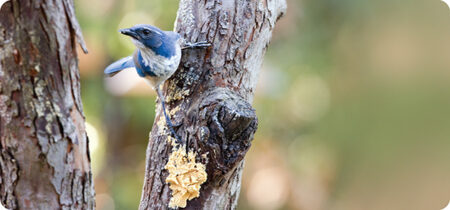
For instance, research has shown that during winter, feeders can provide a vital energy source for birds, helping them survive cold nights and periods of snow cover. A study published in the Journal of Wildlife Management indicated that supplemental feeding can increase the survival rates of certain bird species, particularly smaller ones that are more vulnerable to starvation.
Furthermore, the diversity of food offered at feeders directly influences the variety of species attracted. Data from organizations like the Cornell Lab of Ornithology consistently shows that specialized seeds and foods like suet and peanuts attract a broader spectrum of birds, contributing to richer backyard biodiversity. The popularity of bird feeding is substantial; surveys have indicated that millions of households across North America engage in this activity annually, collectively spending significant amounts on bird feed and feeders. This widespread participation underscores the tangible impact of backyard bird feeding on bird populations.
A Call to Action: Simple Steps for Bird Welfare
Beyond providing an enriched menu, the concept of "feasting with feathered friends" encourages a holistic approach to bird welfare. WBU directs readers to resources like the Cornell Lab of Ornithology’s "7 Simple Actions" to help birds. These actions often include:
- Providing clean water: A consistent source of fresh water, especially during dry spells or freezing temperatures, is as critical as food.
- Reducing pesticide use: Pesticides can harm birds directly or indirectly by reducing insect populations, a vital food source for many species.
- Keeping cats indoors: Domestic cats are a significant predatory threat to birds.
- Creating bird-friendly habitats: Planting native trees, shrubs, and flowers provides natural food, shelter, and nesting sites.
- Using bird-safe windows: Reflective or transparent windows can cause deadly collisions; solutions like decals or screens can help.
- Disposing of trash properly: Litter can entangle or be ingested by birds.
- Supporting conservation efforts: Donating to or volunteering with organizations dedicated to bird conservation amplifies individual impact.
These simple, actionable steps, when adopted by many individuals, contribute to a larger collective effort to support avian populations and their habitats.
Expert Insights: The WBU Nature Centered Podcast

To further explore the nuances of "feasting with feathered friends," WBU offers a dedicated episode on their "Nature Centered" podcast. Hosted by experts John and Brian, this podcast episode delves into practical strategies for attracting a wider variety of birds to backyard feeders. The discussion likely covers not only food selection but also feeder placement, habitat enhancement, and understanding bird behavior, providing listeners with a comprehensive guide to maximizing their backyard bird-feeding experience. The podcast serves as an auditory extension of the article’s message, offering in-depth knowledge and engaging discussion for those seeking to deepen their connection with nature.
Analysis and Implications: A Growing Trend in Human-Wildlife Interaction
The "feasting with feathered friends" initiative represents a growing trend in human-wildlife interaction, moving beyond passive observation to active participation in supporting local ecosystems. This approach has several key implications:
- Enhanced Citizen Science: Backyard bird feeding can contribute to citizen science initiatives, where individuals report bird sightings and populations, providing valuable data for researchers. Organizations like eBird, a project of the Cornell Lab of Ornithology, rely on such data to track bird populations, migration patterns, and habitat changes.
- Increased Environmental Awareness: Engaging with birds on a daily basis fosters a deeper appreciation for nature and an increased awareness of environmental issues. This personal connection can motivate individuals to adopt more sustainable practices in other areas of their lives.
- Community Building: Bird feeding often becomes a shared interest, fostering connections between neighbors and within communities. Local bird feeding groups or online forums can emerge, creating spaces for sharing knowledge and experiences.
- Economic Impact: The bird feeding industry represents a significant economic sector, supporting manufacturers, retailers, and associated services. The WBU franchise model itself is a testament to the commercial viability of connecting people with nature.
The concept of extending the spirit of feasting to birds is more than just a whimsical idea; it’s a practical and engaging way to foster a deeper connection with the natural world, promote environmental stewardship, and contribute to the well-being of avian populations. As the days grow shorter and the season of giving approaches, embracing this inclusive definition of "feasting" offers a unique opportunity to celebrate both human traditions and the enduring beauty of our feathered companions.
