
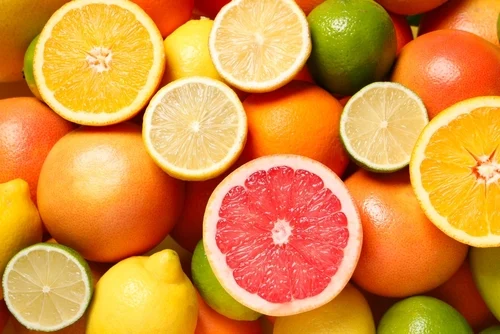
As backyard poultry keeping continues to surge in popularity across suburban and rural landscapes, owners are increasingly focused on optimizing the nutritional intake of their flocks. A recurring question among novice and experienced keepers alike concerns the inclusion of kitchen scraps in chicken feed, specifically regarding the safety and efficacy of citrus fruits. While chickens are opportunistic foragers capable of consuming a wide variety of plant matter, current avian nutrition research suggests that citrus fruits—including oranges, lemons, limes, and grapefruits—should be excluded from a chicken’s regular diet.
The Nutritional Physiology of Poultry
To understand why citrus is generally discouraged in a poultry diet, one must first look at the biological requirements of the chicken. Unlike humans, who rely on external dietary sources to meet their Vitamin C requirements, chickens possess the physiological ability to synthesize their own Vitamin C within their kidneys. Consequently, the high concentrations of ascorbic acid found in citrus provide no measurable nutritional advantage to a bird’s metabolic health.
Furthermore, the chemical composition of citrus fruit poses a potential risk to the delicate calcium balance required for optimal egg production. Avian nutritionists have long observed that excessive consumption of acidic fruits can interfere with the bird’s ability to absorb calcium. Calcium is the primary building block of the avian eggshell, and it is also essential for maintaining skeletal integrity.

The Calcium-Citrus Correlation
The link between citrus consumption and poor shell quality is rooted in the metabolic pathways of egg-laying hens. When a hen is in a state of active production, her demand for calcium is extraordinarily high. If her dietary intake of calcium is compromised—either through a lack of available minerals or through the interference of other dietary components that inhibit absorption—the bird will prioritize the integrity of her eggs over her own structural health.
In this scenario, the hen’s body begins to mobilize calcium stores directly from her medullary bones. While this allows the hen to continue producing an egg, it comes at a significant physiological cost. Over time, this depletion leads to several negative outcomes:
- Shell Abnormalities: The production of soft-shelled, thin-shelled, or rubbery eggs, which are prone to breakage and bacterial infiltration.
- Skeletal Fragility: An increased risk of osteoporosis, brittle bones, and mobility issues, which can significantly shorten the productive lifespan of the hen.
- Reduced Fecundity: A measurable decline in the overall rate of egg production as the hen’s physiological systems become stressed.
Comparative Analysis of Dietary Scraps
When analyzing the broader landscape of backyard poultry management, the trend of using kitchen scraps as a supplemental feed source has gained traction as a sustainable waste-reduction practice. However, this practice requires a sophisticated understanding of what constitutes "safe" versus "nutritionally inert" food.
Poultry nutritionists categorize food waste into three tiers: high-value supplements (such as leafy greens and vegetable trimmings), neutral fillers, and potential irritants. Citrus falls firmly into the category of potential irritants. While an occasional piece of fruit is unlikely to cause acute toxicity—chickens are generally adept at self-regulating their intake and often avoid highly acidic foods when given a choice—the consistent inclusion of these rinds and pulps creates a cumulative metabolic burden.

Historically, the standard for commercial poultry feed has focused on a balanced ratio of proteins, fats, and essential minerals, specifically calcium and phosphorus. When backyard keepers introduce significant quantities of citrus, they inadvertently dilute the nutrient density of the scientifically formulated feed, creating a caloric intake that is high in simple sugars but devoid of the necessary minerals to sustain egg-laying performance.
A Chronological Perspective on Poultry Nutrition
The evolution of poultry husbandry over the last century has shifted from farmyard scavenging to evidence-based nutrition. In the early 20th century, chickens were often left to forage freely, with owners providing minimal supplemental feed. As the understanding of avian physiology grew, particularly during the mid-1900s, researchers identified the critical role of Vitamin D3 and calcium in eggshell formation.
During the 1970s and 1980s, large-scale studies on commercial layer nutrition solidified the guidelines currently used by backyard enthusiasts. These studies established that while birds are remarkably resilient, their digestive systems are optimized for grains, grasses, and insects. The introduction of modern "urban farming" in the 2010s saw a renewed interest in these guidelines, as a new generation of keepers sought to bridge the gap between "natural" diet and maximum health. The consensus remains unchanged: if a food item does not provide a biological benefit, its inclusion in the diet is unnecessary and potentially counterproductive.
Broader Implications for Flock Management
The implications of poor dietary management extend beyond egg production. A flock experiencing chronic calcium deficiency is more susceptible to secondary health issues, including reproductive tract infections and immune system suppression.

Experts in the field of avian veterinary science emphasize that the most effective way to maintain a healthy flock is to provide a consistent, high-quality layer ration that constitutes at least 90% of the birds’ daily intake. Treats, when offered, should represent no more than 10% of the total diet and should consist of nutrient-dense items such as kale, spinach, or cracked corn, rather than acidic fruits.
Industry and Expert Recommendations
Industry experts often compare the digestive systems of chickens to those of small ruminants in terms of their sensitivity to diet changes. A sudden shift to high-acid content can disrupt the gut microbiome, leading to loose droppings and increased stress.
For keepers looking to enrich their chickens’ lives, the focus should remain on variety without compromising safety. The following hierarchy of dietary management is recommended by seasoned poultry experts:
- Primary Feed: A balanced layer crumble or pellet formulated for the specific age of the bird.
- Calcium Supplementation: Free-choice oyster shell or crushed eggshells provided in a separate feeder to ensure birds can self-regulate their calcium intake according to their individual laying cycles.
- Safe Treats: Vegetables like broccoli, cucumbers, and carrots, or protein-rich sources like mealworms.
- Avoidance List: Citrus, raw beans, nightshade greens (such as tomato or potato leaves), and moldy produce, which can harbor mycotoxins dangerous to poultry.
Conclusion
While the occasional piece of orange or lemon rind is unlikely to result in an immediate medical emergency for a healthy flock, it is fundamentally an unnecessary addition that risks long-term health complications. The scientific evidence regarding calcium absorption and the lack of nutritional requirement for supplemental Vitamin C makes it clear: citrus fruit does not belong in the standard poultry diet.

By adhering to a diet that prioritizes the physiological needs of the bird—rather than simply repurposing all household food scraps—backyard keepers can ensure the long-term vitality, skeletal health, and reproductive consistency of their flocks. In the pursuit of sustainable, backyard-to-table food production, informed dietary choices remain the most effective tool in the kit of the responsible poultry steward. Following these established guidelines minimizes the risk of nutrient deficiencies and ensures that the backyard ecosystem remains both productive and healthy for years to come.
