
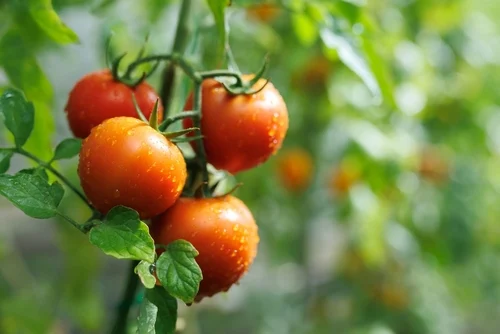
The inclusion of tomatoes in the diet of backyard poultry has long been a subject of debate among avian health experts and small-scale farmers. While tomatoes—a member of the Solanaceae or nightshade family—offer a variety of nutritional benefits, they simultaneously harbor potent glycoalkaloids that can pose significant health risks to domestic chickens. Understanding the chemical composition of these plants and the physiological limitations of poultry is essential for those tasked with managing the health and longevity of a backyard flock.

The Botanical Context and Chemical Risks
Tomatoes, much like their botanical relatives such as peppers, eggplants, and potatoes, produce a natural defense mechanism in the form of alkaloids. The primary toxin found in these plants is solanine, a glycoalkaloid that serves as a natural pesticide, protecting the plant from fungal and bacterial attacks, as well as consumption by herbivores.
In addition to solanine, unripe or green tomatoes contain a specific glycoalkaloid known as tomatine. These compounds are distributed throughout the plant’s anatomy, but concentrations are significantly higher in the vegetative portions—specifically the leaves and stems—as well as in the fruit before it has reached full maturation. As a tomato ripens, the concentration of these alkaloids typically decreases to levels that are generally considered safer for consumption by various species. However, for avian digestive systems, which are highly sensitive to certain plant-based toxins, even trace amounts can lead to adverse clinical reactions.

Chronology of Toxicity: From Seedling to Harvest
The risk profile of a tomato plant changes as it progresses through its life cycle. In the early stages of growth, the plant concentrates its alkaloids to ensure survival. As the fruit sets and begins the ripening process, the plant redirects energy and chemical composition, effectively diluting the concentration of solanine.
- Seedling and Flowering Stage: During this phase, all parts of the plant, including the stems and developing leaves, possess the highest concentrations of solanine. Consumption by poultry at this stage is highly dangerous and can result in acute poisoning.
- Green Fruit Stage: Immature, green tomatoes contain both solanine and high levels of tomatine. Poultry keepers are strictly advised to prevent flock access to these fruits, as the chemical load remains concentrated enough to cause digestive distress.
- Ripening Stage: As the fruit transitions from green to its final color—red, yellow, or orange—the tomatine content drops significantly. While the fruit becomes safer for consumption, the leaves and stems remain potentially hazardous and should be strictly excluded from the chicken run at all times.
Clinical Manifestations of Alkaloid Poisoning
Veterinary research indicates that chickens are particularly susceptible to the neurotoxic and gastrointestinal effects of glycoalkaloids. When a chicken consumes parts of a nightshade plant containing high levels of solanine, the toxin interferes with the animal’s nervous system and digestive tract.

Symptoms of solanine poisoning in poultry are multi-faceted and often appear rapidly. Initial indicators include severe gastrointestinal distress, characterized by vomiting, abdominal pain, and diarrhea. As the toxins are absorbed into the bloodstream, the bird may exhibit neurological or cardiovascular impairment, such as a markedly slowed pulse rate and a drop in body temperature.
Tomatine poisoning presents a similar, though distinct, clinical picture. Birds affected by excessive tomatine consumption often display persistent nausea, severe cramping, and liquid droppings. Because the avian digestive system is highly efficient, these toxins are processed quickly, often leading to rapid systemic failure if the dose is sufficiently high. Poultry owners are urged to consult with an avian veterinarian immediately if these symptoms manifest, as mortality rates for untreated glycoalkaloid poisoning can be high.

Nutritional Value and Dietary Integration
Despite the inherent risks, tomatoes are not devoid of nutritional merit. When provided in a controlled, mature, and moderate state, tomatoes offer a profile of vitamins and minerals that can support avian health. Tomatoes are rich in antioxidants, which help combat cellular oxidative stress in older birds. They also provide essential potassium, which is critical for nerve and muscle function, and carotenoids, which contribute to healthy feather pigmentation and improved vision.
Furthermore, the presence of vitamins A, C, and K in tomatoes supports the immune system, bone density, and blood clotting mechanisms in healthy, adult chickens. However, nutritionists emphasize that these benefits do not negate the risk of toxicity. Therefore, tomatoes should never be a primary food source. They should be classified as a supplemental treat, limited strictly to no more than 10% of the bird’s total daily caloric intake. This equates to approximately one to two tablespoons per bird per day.

Best Practices for Flock Management
To mitigate the risks associated with nightshade plants, flock managers should adopt a strict "clean garden" policy. This involves:
- Segregation of Crops: Backyard poultry should be kept in areas where nightshade plants are either absent or physically fenced off to prevent accidental foraging.
- Strict Disposal Protocols: Stems, leaves, and unripe fruit pulled during garden maintenance must be disposed of in a compost bin or waste container that is completely inaccessible to chickens. Many owners mistakenly throw garden debris into the run, unaware that they are providing a concentrated dose of toxins.
- Age-Appropriate Feeding: Baby chicks have significantly lower tolerance levels for environmental toxins than mature, healthy adult birds. Under no circumstances should chicks be offered tomatoes or any other member of the nightshade family, as their developing organs are far more likely to suffer permanent damage or failure.
- Ripeness Verification: If feeding tomatoes to adult birds, ensure the fruit is fully ripe. Any sign of green, particularly around the stem or internal core, necessitates the removal of that portion of the fruit before it is offered to the flock.
Broader Implications for Sustainable Poultry Keeping
The trend toward sustainable, self-sufficient backyard farming has brought a renewed focus on the integration of garden waste into livestock feed. While the "zero-waste" philosophy is commendable, it must be balanced with biological reality. The practice of feeding "kitchen scraps" or "garden leftovers" requires a sophisticated understanding of the specific botanical hazards associated with various food groups.

From a regulatory and educational standpoint, agricultural extension offices and poultry science departments consistently emphasize that not all organic waste is suitable for poultry consumption. The potential for solanine poisoning serves as a pertinent case study in the necessity of agricultural literacy. As urban and suburban poultry keeping continues to grow in popularity, the need for standardized safety guidelines becomes increasingly apparent.
Ultimately, the decision to incorporate tomatoes into a chicken’s diet is a matter of calculated risk versus benefit. While ripe tomatoes can serve as a supplemental treat, the potential for error—such as accidentally feeding a bird an unripe fruit or allowing access to toxic foliage—is a persistent concern. For the novice keeper, the safest approach remains the exclusion of all nightshade plants from the poultry diet entirely. For the experienced keeper, absolute vigilance regarding the maturity of the fruit and the total exclusion of the plant’s vegetative parts is the only way to ensure the ongoing health and productivity of the flock. By prioritizing scientific understanding over the desire to provide "natural" treats, keepers can maintain a safe and thriving environment for their birds, avoiding the pitfalls that have caused preventable illness in backyard flocks across the country.
