
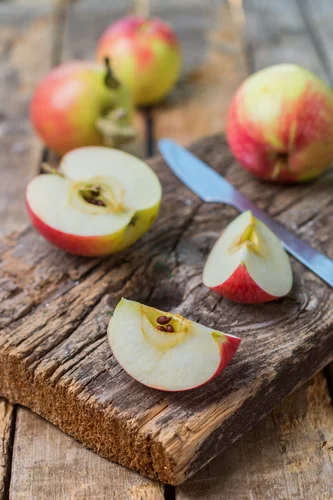
Apples are a common fruit found in households worldwide, and for backyard chicken keepers, they often serve as a convenient and readily available source of supplemental nutrition. While the fruit itself—including the flesh and the skin—is rich in dietary fiber, antioxidants, and essential vitamins that can support overall avian health, the inclusion of apple seeds introduces a specific physiological risk that keepers must manage. The presence of amygdalin in seeds, which acts as a precursor to hydrogen cyanide, necessitates strict adherence to preparation protocols to ensure the safety of the flock.
Nutritional Profile and Avian Health Benefits
Apples (Malus domestica) are primarily composed of carbohydrates, water, and fiber, with trace amounts of vitamins such as Vitamin C and various phytochemicals that provide antioxidant properties. In the context of poultry nutrition, fiber contributes to digestive regularity, while antioxidants assist in mitigating oxidative stress within the bird’s biological systems.
When provided in moderate amounts, apples serve as an enrichment activity rather than a staple food source. The physical act of pecking at a sliced or halved apple, or even a whole fruit suspended in the coop, provides mental stimulation, which is a critical component of welfare for confined or backyard birds. This "tetherball" style of feeding encourages natural foraging behaviors, helping to reduce boredom-induced pecking or aggression within the flock.

The Biological Mechanism of Toxicity in Apple Seeds
The primary concern regarding the feeding of apples to poultry lies within the seeds, which contain a cyanogenic glycoside known as amygdalin. While the pulp of the fruit is perfectly safe, the seeds represent a potential chemical hazard if consumed in sufficient quantities and if the seed coat is breached.
When an apple seed is crushed or chewed, the amygdalin within the seed comes into contact with enzymes present in the bird’s digestive tract, specifically beta-glucosidase. This chemical reaction triggers the hydrolysis of amygdalin, resulting in the release of hydrogen cyanide (HCN). Cyanide is a potent metabolic inhibitor; it functions by binding to the ferric iron (Fe3+) in cytochrome c oxidase, an enzyme essential for the electron transport chain in cellular respiration. By blocking this enzyme, the body is effectively prevented from utilizing oxygen at the cellular level, regardless of how much oxygen is present in the bloodstream.
The progression of cyanide poisoning in poultry is rapid. Symptoms typically manifest as respiratory distress, manifested through gasping or labored breathing, followed by cardiovascular irregularities such as tachycardia (rapid heart rate) or, in severe cases, cardiac arrest. Observable physiological indicators often include a darkening or blue-tinted comb—a sign of cyanosis caused by the lack of oxygenated blood—as well as loss of coordination, seizures, and eventual death due to respiratory failure.
Risk Assessment and Vulnerability
While the occasional consumption of a few seeds may not prove fatal to a healthy, mature hen, the risks are significantly magnified for specific segments of the flock. Younger chicks, whose systems are still developing, are far more susceptible to toxin accumulation. Similarly, elderly birds or those with existing health conditions, such as compromised liver or kidney function, may lack the metabolic capacity to neutralize the toxins effectively.

It is important to contextualize this risk. While the toxicity is real, it is often exaggerated in anecdotal reports; a bird would need to consume a significant volume of crushed seeds to reach a lethal threshold. However, from a best-practice perspective, the precautionary principle should always be applied. Because there is no medical benefit to allowing chickens to consume the seeds, the removal of the core is the only logical standard for responsible husbandry.
Comparative Risk: Stone Fruits and Cyanogenic Glycosides
The risk associated with apple seeds is shared by other common fruits belonging to the Rosaceae family. These include cherries, peaches, plums, and apricots. In these stone fruits, the cyanogenic glycosides are primarily concentrated within the hard, inner kernel of the pit.
The logistical reality for a chicken is that the hard endocarp (the "pit" or "stone") is often too difficult for a bird to break through, meaning the dangerous kernel inside remains protected. Nevertheless, the presence of these toxins in the fruit family necessitates a consistent approach to feeding. Whether dealing with an apple core or a peach pit, the removal of the seed-bearing components is a standard safety measure that prevents accidental ingestion during the digestive process.
Established Guidelines for Supplemental Feeding
Nutritionists and poultry experts generally agree that treats should represent no more than 10% of a chicken’s total caloric intake. Exceeding this limit can result in nutritional imbalances, as the birds may prioritize calorie-dense treats over their formulated, nutritionally complete feed.

For the average chicken, this equates to roughly one to two tablespoons of supplemental food per day. If owners wish to incorporate apples into this 10% allowance, they should follow a rigid preparation protocol:
- Selection: Choose fresh, high-quality apples. Avoid fruit that is visibly moldy or fermented, as these can harbor mycotoxins or cause alcohol poisoning in the flock.
- Coring: The core must be removed entirely to ensure that no seeds are present. This can be done with a standard coring tool or by slicing the fruit and removing the center manually.
- Serving: The remaining flesh and skin can be chopped into bite-sized pieces for ease of consumption, or left as large segments to encourage the natural pecking behaviors that contribute to flock enrichment.
Historical Context and Modern Husbandry
The shift toward a more scientific understanding of backyard poultry nutrition has occurred alongside the "backyard farming" movement, which has gained significant traction over the last two decades. As more urban and suburban residents began maintaining flocks for egg production, the demand for clear, safety-oriented information regarding supplemental feeding increased.
Historically, the practice of "feeding the scraps" was standard, yet it often resulted in inconsistent health outcomes for the flock. Modern husbandry, influenced by research into avian physiology, emphasizes that while chickens are opportunistic omnivores capable of digesting a wide variety of human-grade foods, their specific biological constraints must be respected. The move to standardize the removal of apple seeds is a direct result of this improved understanding of the chemical interactions between common plants and avian metabolic processes.
Broader Implications for Flock Management
The management of dietary hazards, such as cyanide in seeds or solanine in nightshades (like tomato or potato foliage), is part of a holistic approach to disease prevention. Poultry owners who prioritize these preventative measures are less likely to encounter acute toxicity events.

When considering the broader implications of these dietary habits, it becomes clear that environmental management is as important as nutrition. By ensuring the coop and run are free of toxic plants and ensuring that all introduced treats are thoroughly screened, owners can significantly lower the risk of morbidity.
Furthermore, the documentation of these risks serves as an essential resource for the growing community of novice poultry keepers. By identifying the specific toxins associated with common household foods, experts provide a roadmap for avoiding unnecessary veterinary emergencies.
Conclusion
Apples remain a high-value treat that provides both nutritional and behavioral benefits to a backyard flock. They are a safe, accessible way to supplement a diet, provided that the necessary steps are taken to mitigate the risks associated with the seeds. By consistently removing the core of the apple, owners can leverage the fiber and antioxidant content of the fruit while eliminating the threat of cyanide exposure. As with all supplemental feeding, the key to success is moderation and the adherence to established safety protocols, ensuring that the flock remains both healthy and well-nourished throughout their productive lifespan.
