
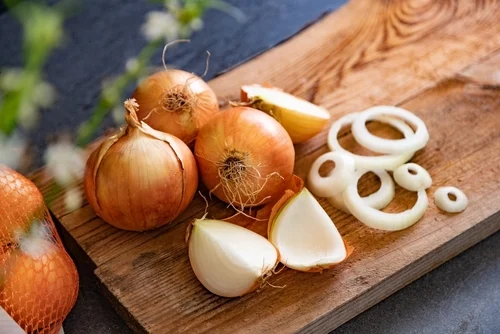
The inclusion of common kitchen scraps in the diets of backyard poultry has long been a subject of debate among avian health experts, particularly regarding members of the Allium family. While vegetable scraps are often promoted as a cost-effective and sustainable supplement for chicken feed, the physiological impact of onions on avian biology is significant and potentially fatal. Scientific consensus and veterinary data consistently categorize onions as a hazardous substance for chickens due to the presence of specific organosulfur compounds.
The Biological Mechanism of Onion Toxicity
At the heart of the health risk posed by onions is an organosulfur compound known as thiosulphate. When ingested by chickens, this compound acts as an oxidative agent. In the digestive tract, thiosulphate is metabolized and eventually enters the bloodstream, where it interferes with the integrity of red blood cells.

The primary mechanism of injury is the induction of Heinz body anemia. Thiosulphate causes the hemoglobin within the red blood cells to oxidize, leading to the formation of Heinz bodies—precipitates of denatured hemoglobin. These damaged cells are recognized as abnormal by the spleen and the liver, which then remove them from circulation at a rate faster than the bird’s bone marrow can replace them. Consequently, the bird suffers from a diminished oxygen-carrying capacity, resulting in systemic weakness, jaundice, and potential organ failure.
Historical Context and Avian Toxicology
The toxicological profile of the Allium genus—which includes onions, garlic, shallots, chives, and leeks—has been documented in veterinary literature for decades. Historically, this risk was first extensively studied in mammalian species, such as dogs and cats, where it is well-established that onions cause hemolytic anemia. Poultry researchers have applied these findings to avian physiology, observing similar pathological responses.
According to data from avian veterinary databases, such as ChickenDVM, the ingestion of any part of the onion plant—including the bulb, leaves, and stems—triggers a rapid physiological decline. There is no established "safe" threshold for raw onion consumption in poultry. Unlike some dietary toxins that require large, chronic exposures to cause damage, the oxidative stress triggered by thiosulphate can occur even with moderate ingestion, particularly if the bird’s nutritional baseline is already compromised.

Symptoms and Clinical Presentation
Poultry owners must remain vigilant for clinical signs that may indicate accidental ingestion of toxic vegetation. Because the symptoms of onion toxicity are often non-specific, they can be easily misidentified by inexperienced keepers. Key indicators include:
- Respiratory Distress: Increased respiratory rate and labored breathing as the body attempts to compensate for reduced oxygen levels.
- Lethargy and Depression: A sudden decrease in activity levels and a failure to thrive.
- Gastrointestinal Distress: Diarrhea and, in some cases, a refusal to consume feed.
- Jaundice: A yellowing of the skin, beak, and shanks, resulting from the excessive breakdown of red blood cells and the subsequent release of bile pigments.
- Pale Combs and Wattles: A direct reflection of the underlying anemic state.
If these symptoms appear, the chronology of the illness typically progresses from acute lethargy to severe weakness within 24 to 48 hours. Without intervention, severe cases of hemolytic anemia can lead to death.
The Distinction Between Onions and Garlic
While both onions and garlic belong to the genus Allium, their toxicological profiles differ significantly in practice. Garlic does contain small amounts of thiosulphate, but the concentrations are substantially lower than those found in bulb onions. Furthermore, the bioavailability of these compounds changes during processing.

Many agricultural experts and backyard poultry keepers advocate for the use of garlic as a health supplement, citing its potential immune-supporting and respiratory-health benefits. When garlic is dried, powdered, or infused into water, the concentration of active organosulfur compounds is often negligible, posing little to no threat to the bird. However, this is a critical distinction: garlic is generally considered safe when used in moderation and in specific preparations, whereas raw onions should be strictly excluded from the poultry diet under all circumstances.
Industry Guidelines and Nutritional Management
The shift toward self-sufficient, backyard poultry keeping has underscored the need for standardized nutritional guidelines. Professional poultry science associations emphasize that a bird’s diet should primarily consist of formulated layer feed, which is scientifically balanced to meet all caloric and nutritional requirements.
Treats, if offered, should constitute no more than 5% to 10% of a chicken’s total daily intake. When diversifying these treats, owners are encouraged to prioritize safe alternatives such as leafy greens (kale, spinach), certain fruits (blueberries, melon), and seeds. The "toxic list" for poultry is extensive, and onions, leeks, and chives remain at the top of the prohibited items category.

Broader Implications for Poultry Health
The prevalence of onion toxicity cases in backyard flocks often highlights a lack of public awareness regarding avian biology. As urbanization increases the number of small-scale chicken keepers, the potential for accidental poisoning via kitchen waste increases.
Public health experts and veterinarians emphasize that the responsibility lies with the flock owner to curate a safe foraging environment. Implications for the broader poultry industry include:
- Feed Safety Standards: Increased education on the chemical composition of common human vegetables.
- Veterinary Oversight: A need for more accessible diagnostic testing for Heinz body anemia in avian patients.
- Regulatory Awareness: Ensuring that literature regarding "backyard homesteading" clearly distinguishes between safe kitchen scraps and known toxic hazards.
Conclusion and Recommendations
The health of a backyard flock is a direct result of the nutritional and environmental management provided by the owner. While the temptation to share leftovers is understandable, the biological risk associated with thiosulphate in onions is far too high to justify the inclusion of these vegetables in any amount.

Owners should audit their feeding practices to ensure that no members of the Allium family are reaching the flock. If there is any doubt regarding the safety of a food item, the most responsible course of action is to err on the side of caution. Poultry, much like other livestock, rely on the informed stewardship of their keepers to avoid common, preventable toxicities. By adhering to science-based feeding protocols and avoiding high-risk vegetation, owners can ensure the long-term health, productivity, and welfare of their flocks.
For those seeking to supplement their chickens’ diet with beneficial botanical agents, garlic—when used sparingly and in appropriate forms—remains a researched option, provided it does not replace a balanced, nutritionally complete feed. Always consult with a local avian veterinarian before introducing new supplements to ensure they align with the specific health needs of your flock. Through diligent observation and a commitment to safe dietary practices, the risk of accidental poisoning can be virtually eliminated, fostering a thriving and resilient backyard environment.
