
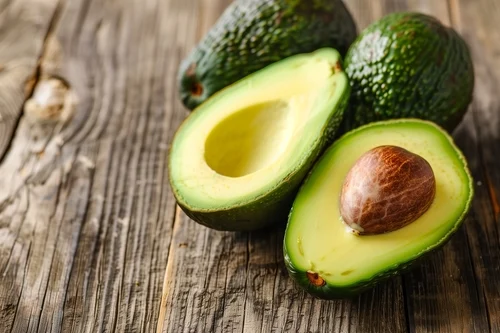
For many backyard poultry enthusiasts, the practice of providing kitchen scraps as a supplement to commercial feed is common. While many fruits and vegetables are excellent sources of nutrients for chickens, the avocado—a staple in many modern kitchens—presents a lethal risk. According to the Merck Veterinary Manual and extensive toxicological research, all parts of the avocado plant (Persea americana) contain a fungicidal toxin known as persin. For birds, including chickens, turkeys, and pet parrots, ingestion of this compound is not merely a digestive concern; it is a life-threatening emergency that can lead to rapid respiratory failure and death within 48 hours.
The chemical composition of the avocado is complex, but its primary danger to avian species lies in the diffusion of persin throughout the plant’s tissues. While concentrations vary depending on the specific cultivar, the toxin is found in the leaves, stems, bark, skin, and flesh, with the highest concentrations typically localized in the leaves and pits. Because birds possess a unique respiratory and cardiovascular anatomy that is highly sensitive to toxins, even minor exposure can have catastrophic consequences.

The Mechanism of Persin Toxicity
Persin is a fat-soluble toxin, which is a significant factor in how it affects the body. When a bird consumes any part of an avocado, the persin is absorbed into the bloodstream. In avian species, the toxin is known to cause myocardial necrosis—the death of heart muscle tissue. As the heart muscle begins to fail, the bird experiences severe cardiovascular distress.
Clinical observations of persin poisoning in birds often reveal a rapid onset of symptoms. Initially, a bird may appear lethargic or ruffled, followed by a noticeable difficulty in breathing. As the heart loses its ability to pump blood effectively, the bird may suffer from fluid accumulation around the heart and lungs, leading to a fatal lack of oxygen. Because the toxin directly affects the cardiac muscle, the decline is often swift and irreversible. Veterinary experts emphasize that there is no effective antidote for persin poisoning in birds, making prevention the only viable strategy for flock management.
Scope of the Threat Across Species
While the focus remains on poultry, the danger posed by avocado ingestion extends to a wide array of domestic and wild animals. The Merck Veterinary Manual categorizes the toxicosis as a systemic issue for various mammals and birds. Clinical reports have documented that mice, rats, rabbits, guinea pigs, and even sheep can experience toxic reactions. In larger mammals, the reaction may manifest as mastitis, cardiovascular distress, or gastrointestinal upset, depending on the dosage and species sensitivity.

For the poultry owner, the risk is particularly high due to the scavenging nature of chickens. Unlike some animals that may instinctively avoid toxic plants, chickens often exhibit curiosity toward new food items. If an avocado pit is discarded in a backyard or compost heap accessible to the flock, the birds may peck at the skin or the fruit remnants, unknowingly ingesting a lethal dose. Given that as little as five percent of an avocado can be enough to kill a small bird, the margin for error is effectively non-existent.
A Chronology of Veterinary Awareness
The identification of avocado toxicity in animals has been a subject of veterinary study for decades. Historically, agricultural and veterinary researchers noted that livestock kept in areas where avocado trees were grown experienced unexplained cardiac issues. By the late 20th century, laboratory analysis confirmed the presence of persin as the causative agent.
Throughout the 1990s and early 2000s, as the popularity of backyard chicken keeping surged in North America and Europe, veterinary organizations began formalizing warnings. In 2010, the increased availability of diverse avocado cultivars led to updated studies on the concentration of persin across different varieties. It was determined that while some varieties might have slightly lower levels of the toxin, the inherent risk remains high across all species of the Persea genus. Consequently, veterinary medical associations have maintained a consistent advisory: avocado is strictly prohibited from the diet of avian species.

Supporting Data and Risk Factors
To understand the severity of this risk, one must consider the avian metabolic rate. Birds maintain higher body temperatures and faster heart rates than most mammals, which facilitates a more rapid uptake and distribution of toxins throughout their systems.
Research data indicates the following critical points for flock managers:
- Dosage Sensitivity: There is no "safe" amount of avocado for birds. Toxicity is dose-dependent, but because birds have small body masses, a "nibble" represents a significant percentage of their body weight.
- Toxin Distribution: The leaves and bark are considered the most dangerous due to the highest concentration of persin. However, the flesh of the fruit, often perceived by humans as safe, retains enough of the toxin to be fatal to smaller birds.
- Timeframe: Symptoms typically manifest within 12 to 24 hours of ingestion, with mortality occurring between 24 and 48 hours.
Implications for Backyard Poultry Management
The rise of the "farm-to-table" movement and the increase in urban homesteading have brought more attention to the necessity of nutritional education for poultry owners. The primary implication of these findings is the need for rigorous biosecurity and feed management within the coop.

For the modern chicken keeper, the following protocols are recommended:
- Waste Management: Kitchen scraps must be thoroughly vetted. Avocado remnants should be disposed of in a bin that is completely inaccessible to the flock, such as a secure, lidded compost system or a municipal waste container.
- Vegetation Audit: If living on or near property where avocado trees grow, owners must ensure that leaves and fallen fruit are raked and removed daily. The wind can easily transport leaves into the run, posing a persistent threat.
- Owner Education: New poultry keepers should be provided with lists of toxic plants. While many owners know to avoid chocolate or onions, the prevalence of avocado in human diets makes it a uniquely dangerous "hidden" risk.
Official Stance and Expert Consensus
Leading avian veterinarians and poultry science experts from organizations like the American Veterinary Medical Association (AVMA) emphasize that the accidental ingestion of toxic plants is a leading cause of preventable mortality in backyard flocks. The consensus is clear: when in doubt, exclude the item. There are hundreds of safe, nutrient-dense treats available for chickens—including various berries, leafy greens like kale or spinach, and specific seeds—that do not carry the risk of cardiac failure.
The responsibility of the flock owner extends beyond basic sustenance to the prevention of accidental poisoning. By excluding avocado entirely from the premises of the coop and the range area, owners can mitigate one of the most severe and rapid health threats faced by their birds.

Conclusion: The Prudence of Avoidance
In the context of animal husbandry, "safe" is the baseline for all dietary considerations. The avocado, while a nutritional powerhouse for humans, serves as a poignant reminder of the physiological differences between species. The chemical defenses developed by the avocado plant to deter fungi are fundamentally incompatible with the avian cardiac system.
As the trend of raising backyard chickens continues to grow, the dissemination of accurate, science-based information regarding avian nutrition remains critical. By maintaining strict control over the environment and ensuring that no trace of the avocado plant reaches the flock, owners can ensure the longevity and health of their birds. The message from veterinary professionals is categorical: the risk of sudden, painful death is far too high to justify the inclusion of even the smallest amount of avocado in a bird’s diet. Proactive vigilance is not merely a recommendation; it is an essential component of responsible poultry guardianship.
