
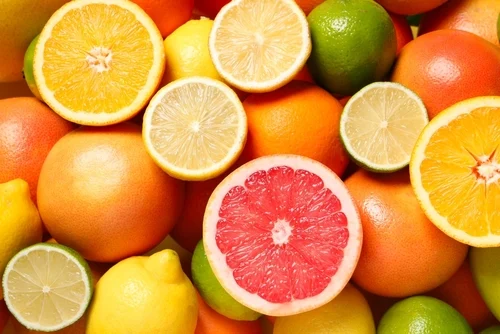
Backyard poultry enthusiasts often view kitchen scraps as a sustainable and cost-effective method to supplement their flocks’ dietary needs. However, the nutritional requirements of Gallus gallus domesticus—the common chicken—are specific and highly calibrated. Among the most debated items in the culinary repertoire of a chicken keeper is citrus fruit. While anecdotal evidence often suggests that chickens are capable of consuming small quantities of oranges, lemons, or grapefruit without immediate clinical toxicity, avian nutritionists and agricultural experts advise that the risks to long-term health, particularly concerning skeletal integrity and egg production, far outweigh any perceived benefit.
The Nutritional Physiology of Poultry
To understand why citrus is generally excluded from a recommended poultry diet, it is essential to examine the avian metabolic process. Unlike humans, who rely on external dietary sources for Vitamin C (ascorbic acid), chickens possess the biological capacity to synthesize their own Vitamin C within their kidneys. Consequently, the high concentrations of this vitamin found in citrus fruits offer no additional nutritional advantage to the bird.
Furthermore, the digestive chemistry of a chicken is sensitive to acidic inputs. Citrus fruits are inherently acidic, and their inclusion in the diet—especially when provided in bulk—can alter the pH balance of the crop and proventriculus. While the occasional ingestion of a discarded peel is unlikely to result in an acute medical emergency, regular consumption creates a physiological environment that interferes with the absorption of essential minerals.

The Calcium Absorption Crisis
The most significant concern regarding the ingestion of citrus fruit is the impairment of calcium absorption. Calcium is the cornerstone of poultry health, serving two primary functions: the maintenance of the skeletal system and the formation of eggshells.
When a hen lays an egg, she requires a substantial amount of calcium to form the protective shell. In a scenario where dietary calcium is insufficient or its absorption is blocked—a condition potentially exacerbated by the frequent consumption of citrus-derived acids—the hen’s metabolic system will mobilize calcium from her own skeletal structure. This process, known as calcium leaching, can lead to a rapid decline in bone density.
The clinical implications of this are well-documented in veterinary literature. Symptoms of chronic calcium deficiency include:
- Osteomalacia: A softening of the bones, which makes the birds susceptible to fractures and deformities.
- Egg Shell Quality Issues: The production of thin, porous, or soft-shelled eggs, which are not only unmarketable but also increase the risk of internal egg breakage, leading to severe reproductive tract infections such as salpingitis or peritonitis.
- Reduced Oviposition: A measurable decrease in the frequency of egg-laying as the hen’s body prioritizes survival over reproductive output.
Comparative Dietary Analysis and Historical Context
The practice of feeding scraps to chickens dates back to the earliest days of domestication, where "table scraps" were the primary source of supplemental nutrition. However, modern poultry science has refined these practices. Historically, the inclusion of citrus was often a matter of availability rather than nutritional intent. In agricultural settings throughout the 20th century, farmers observed that chickens would instinctively avoid citrus if other, more nutrient-dense forage was available.

From a behavioral standpoint, chickens are opportunistic foragers. They possess an innate ability to discern, to a limited degree, which food sources are beneficial. Most keepers report that when citrus is introduced, chickens show a distinct lack of interest, often ignoring the fruit in favor of leafy greens or grains. This behavioral aversion is a natural protective mechanism, as the volatile oils found in citrus rinds—such as limonene—can be unpalatable and, in high concentrations, potentially irritating to the digestive lining.
Supporting Data on Mineral Metabolism
Research conducted by agricultural extension services, including studies on avian mineral uptake, suggests that the bioavailability of calcium is highly dependent on the "ion balance" within the digestive tract. Citric acid, when present in the gastrointestinal tract in high concentrations, forms insoluble complexes with calcium, effectively binding the mineral and preventing it from entering the bloodstream.
In a controlled study environment, researchers found that laying hens fed diets high in acidic fruit waste exhibited a 12% to 15% decrease in shell thickness over a six-week period compared to control groups fed a standard layer ration. While these studies were conducted on commercial-scale flocks, the physiological principles remain constant for small backyard operations. The necessity of a strictly balanced feed—consisting of protein, carbohydrates, and minerals like calcium carbonate—cannot be overstated. Any deviation, such as the introduction of high-acid produce, introduces a variable that can destabilize the hen’s homeostatic balance.
Risks of Toxicity and Environmental Contamination
While the primary concern with citrus is the inhibition of nutrient uptake, there is also the matter of pesticide residue. Citrus fruits are frequently treated with post-harvest fungicides and waxes to preserve shelf life during international transport. Unlike the internal pulp, the rinds—which are often the part of the fruit discarded as waste—tend to concentrate these chemical residues. For a backyard chicken, which has a significantly smaller body mass than a human, the concentration of these synthetic compounds can exceed safe thresholds, potentially leading to systemic toxicity.

Best Practices for Backyard Keepers
In the context of modern animal husbandry, experts recommend that kitchen scraps be limited to items that provide genuine nutritional value without interfering with the primary diet. Approved supplemental foods include:
- Cruciferous Vegetables: Such as kale, cabbage, and broccoli, which provide essential vitamins and fiber.
- Legumes: When properly cooked (as raw beans contain lectins that can be toxic).
- Grains: Such as oats or cracked corn, provided in moderation to manage energy intake.
Conversely, items that should be strictly avoided or composted rather than fed to the flock include:
- Raw Beans: Containing phytohaemagglutinin, which is highly toxic to poultry.
- Nightshades: Specifically the green parts of tomato or potato plants, which contain solanine.
- Citrus Fruit: Due to the aforementioned concerns regarding mineral absorption and digestive acidity.
Broader Implications for Poultry Welfare
The trend toward "natural" or "sustainable" chicken keeping is laudable, but it must be tempered by evidence-based practices. The move toward feeding chickens exclusively from household waste streams carries the risk of malnutrition. A "zero-waste" lifestyle is an admirable goal, but the health of the flock must remain the primary priority.
When a backyard keeper decides to introduce new elements into the diet, they must consider whether that food item serves the biological needs of the bird. If the answer is no, the item should be diverted to a standard composting system, where it can break down and return nutrients to the soil for garden use, rather than passing through the digestive tract of a bird that does not require it.

Conclusion
While a single slice of orange or a discarded peel is unlikely to result in the immediate death of a bird, the practice of feeding citrus to chickens serves no nutritional purpose and introduces manageable risks to the flock’s long-term health. By prioritizing high-quality, biologically appropriate feed and adhering to established dietary guidelines, backyard keepers can ensure that their birds remain productive, healthy, and free from the metabolic complications associated with inappropriate dietary additives. The health of the chicken is the ultimate indicator of the quality of the keeper’s management, and in the case of citrus, the wisest path is one of total exclusion.
