
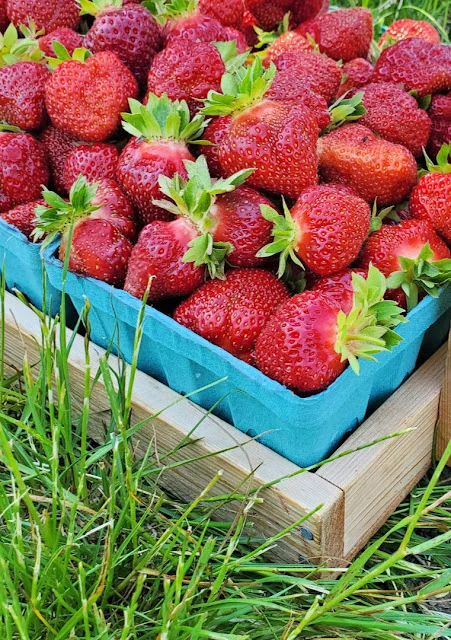
The integration of fresh produce into the diets of backyard poultry has become a focal point for enthusiasts seeking to optimize flock health through natural supplementation. Among the most popular additions to a chicken’s diet are strawberries, a fruit widely celebrated for its dense nutrient profile and palatability among domestic fowl. While poultry keepers have long utilized kitchen scraps as a cost-effective method to provide variety, scientific consensus emphasizes that such additions must be strictly managed to avoid nutritional imbalances. Understanding the physiological impact of strawberries on avian health requires an examination of their chemical composition, the necessary limitations on consumption, and the safety protocols required to prevent the introduction of harmful agricultural residues.
The Nutritional Composition of Strawberries for Avian Consumption
Strawberries (Fragaria × ananassa) are categorized as an antioxidant-rich snack that provides a spectrum of essential vitamins and minerals. From a nutritional standpoint, these berries are high in water content, fiber, and significant concentrations of Vitamin C, Vitamin K, and various B-complex vitamins. For chickens, these nutrients serve specific biological functions: Vitamin C is instrumental in mitigating heat stress—a critical concern for poultry during summer months—while Vitamin K is essential for blood coagulation and bone metabolism.

Furthermore, the fruit contains manganese, folate, and potassium, which contribute to healthy skeletal development and metabolic efficiency. Unlike some garden plants, such as nightshades, which contain solanine and are toxic to birds, the entire strawberry plant is considered safe. This includes the fruit, the caps (calyx), the stems, and the leaves. The green tops of the berry, often discarded by human consumers, are particularly beneficial; they contain tannins and iron, which can act as mild digestive aids. However, despite these benefits, the high fructose and glucose content of strawberries necessitates strict portion control.
Chronology of Dietary Best Practices in Poultry Husbandry
The evolution of backyard chicken keeping, particularly over the last two decades, has shifted from a purely utilitarian approach—focused solely on egg production—to a holistic model that prioritizes the longevity and welfare of the birds. Historically, poultry were fed exclusively on formulated commercial rations. As the hobbyist market expanded, researchers and veterinarians began to categorize "treats" into safe and unsafe tiers.
In the early 2000s, the introduction of widespread information sharing via digital forums led to a standardized understanding of treat limitations. It became widely accepted that treats, regardless of their nutritional density, should not constitute more than 10% of a chicken’s total daily caloric intake. This 10% rule, supported by agricultural extensions and avian veterinary guidelines, ensures that the bird does not forgo its primary, balanced feed in favor of high-sugar, low-protein supplements. When chickens consume an excess of fruit, the resulting high sugar intake can disrupt their gut flora, often leading to osmotic diarrhea and subsequent dehydration.

Supporting Data and Quantitative Dietary Requirements
To maintain a healthy flock, poultry keepers must translate nutritional guidelines into actionable measurements. An average laying hen requires approximately 100 to 120 grams of formulated feed per day to meet its protein, calcium, and energy requirements. Consequently, the 10% allowance for treats equates to roughly 10 to 12 grams of supplemental food.
In practical terms, this limit is equivalent to approximately one to two tablespoons of chopped strawberries per bird per day. Exceeding this threshold does not provide a linear increase in health benefits; rather, it introduces the risk of metabolic overload. Because strawberries are composed of approximately 91% water, they are an excellent hydrating agent, but they provide negligible amounts of the protein (typically 16–20%) required for consistent egg production and feather maintenance. If a flock owner provides excessive fruit, the birds may experience a reduction in total nutrient intake, as they fill their crops with water-dense, sugar-heavy material rather than the essential amino acids found in commercial layer pellets or crumbles.
Safety Protocols and Environmental Considerations
The primary concern regarding the introduction of strawberries into a coop environment is not the fruit itself, but the potential for chemical contamination. Commercial strawberries are frequently cited in agricultural reports as having high levels of pesticide residue. For poultry, which have significantly higher metabolic rates and different detoxification pathways than humans, even trace amounts of systemic herbicides or organophosphate insecticides can prove problematic.

Industry experts recommend three primary sourcing strategies to mitigate these risks:
- Organic Certification: Purchasing berries labeled as USDA Organic ensures the produce has been cultivated without the use of prohibited synthetic pesticides.
- Home Cultivation: Growing strawberries in a controlled, home-based environment eliminates the risk of unknown chemical exposure.
- Rigorous Sanitation: If berries are sourced from conventional farms, they must be thoroughly washed to remove surface residues. However, it should be noted that systemic pesticides, which are absorbed into the plant’s vascular system, cannot be removed through simple washing.
Official Perspectives on Avian Nutrition
Avian health specialists emphasize that while fruit provides enrichment and behavioral stimulation—allowing birds to perform natural foraging behaviors—it should never replace a balanced diet. The "Fresh Eggs Daily" philosophy, often cited by experts in the field, advocates for a "natural, old-timer" approach that utilizes kitchen scraps as a supplement rather than a staple. This methodology aligns with modern veterinary nutrition, which stresses that the biological needs of a bird are best met through high-quality, fortified grain rations.
When strawberries are introduced, they should be offered in a clean environment. Because the fruit is perishable and high in sugar, it is susceptible to rapid fermentation and the growth of mold. Any uneaten fruit must be removed from the coop within a few hours to prevent the attraction of rodents, flies, and the development of Aspergillus spores, which can lead to respiratory infections in chickens.

Broader Impact and Implications for Sustainable Farming
The trend of feeding garden-grown produce to backyard flocks represents a broader shift toward self-sufficiency and closed-loop systems. By utilizing berry tops, bruised fruit, and garden waste, poultry keepers reduce household food waste while simultaneously improving the quality of life for their birds.
However, the implications of this practice extend to the health of the broader environment. When homeowners use pesticides in their own gardens to protect their strawberry patches, they risk exposing their flocks to the very toxins they seek to avoid in store-bought produce. Therefore, the adoption of organic gardening practices in conjunction with backyard poultry keeping is essential for the long-term health of the flock.
Furthermore, the psychological benefits of foraging cannot be ignored. Providing strawberries—particularly when hung or scattered to encourage movement—stimulates the birds’ natural instincts. This physical activity is essential for preventing obesity in confined flocks and reducing stress-related behaviors such as feather pecking.

Conclusion
Strawberries represent an excellent, nutrient-dense treat for chickens when integrated into a well-managed dietary plan. By adhering to the 10% rule, prioritizing organic or home-grown sources, and ensuring that the fruit is provided in a sanitary manner, owners can support their flock’s immune, bone, and metabolic health. While the nutritional benefits—including the antioxidant properties and vitamin content—are clear, they must be balanced against the risks of sugar-induced digestive issues and potential chemical exposure. As the practice of backyard poultry keeping continues to grow, the emphasis on informed, evidence-based supplementation will remain a cornerstone of responsible animal husbandry, ensuring that the integration of "human foods" into the avian diet remains a safe and beneficial endeavor.
