
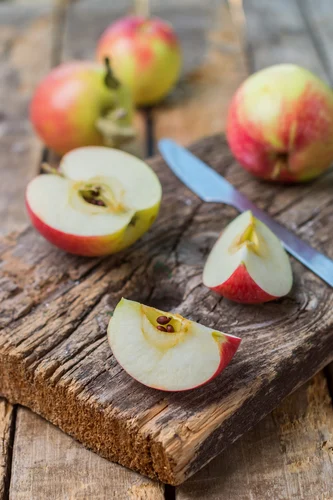
Backyard poultry enthusiasts often seek to diversify their flocks’ diets with kitchen scraps and garden produce, viewing these additions as both cost-effective and enriching for their birds. Among the most popular produce items introduced to coop environments are apples. While apples are indeed a nutritious, fiber-rich supplement that can provide essential antioxidants, their inclusion in a chicken’s diet requires a nuanced understanding of botanical chemistry—specifically regarding the presence of cyanogenic glycosides found within the fruit’s core and seeds.
Botanical Composition and Nutritional Benefits
Apples are considered a safe and beneficial treat for domestic chickens when prepared correctly. From a nutritional perspective, apples provide a variety of micronutrients, including vitamin C, potassium, and pectin, which is a type of soluble fiber that supports healthy gastrointestinal flora. The physical act of pecking at a hanging apple or foraging for sliced fruit also serves as an effective environmental enrichment tool, helping to mitigate boredom-induced behavioral issues like feather picking or excessive aggression within the coop.

However, the safety profile of the apple is bifurcated between the flesh and the seeds. The flesh, which makes up the bulk of the fruit, is entirely safe for avian consumption. The risk arises from the seeds, which contain a compound known as amygdalin. When these seeds are crushed, chewed, or digested, the amygdalin is metabolized into hydrogen cyanide, a potent toxin that interferes with the cellular respiration process.
The Mechanism of Cyanide Toxicity in Poultry
Hydrogen cyanide acts as a metabolic inhibitor, specifically binding to the iron within cytochrome c oxidase, an enzyme essential for the electron transport chain in mitochondria. By blocking this enzyme, the toxin prevents cells from utilizing oxygen, effectively causing internal asphyxiation at the cellular level.
While a chicken’s digestive system is robust, small, younger, or immunocompromised birds are significantly more susceptible to the effects of cyanide. Although the concentration of amygdalin in a few apple seeds is rarely fatal to a mature, healthy hen, the cumulative effect of a high-volume intake—or the accidental ingestion of a large quantity of crushed seeds—can lead to severe physiological distress.

Clinical signs of acute cyanide poisoning in poultry are rapid and alarming. Owners should monitor for symptoms such as dyspnea (shortness of breath), respiratory distress, a notable change in the color of the comb and wattles to a bluish or purple hue (cyanosis), tachycardia (rapid heart rate), ataxia (loss of coordination), and in extreme cases, cardiac arrest and coma.
Comparative Risks: Apples and Stone Fruits
The threat posed by apple seeds is not an isolated phenomenon in the botanical world. Similar risks exist with the seeds and pits of other common stone fruits frequently found in agricultural settings, including peaches, plums, apricots, and cherries. These pits contain varying concentrations of cyanogenic compounds.
In a natural, free-range setting, it is unlikely that a chicken would be able to breach the hard endocarp (the wooden shell) of a peach or plum pit to reach the kernel inside. However, the risk remains a factor in domestic settings where fruit is processed. If a homeowner is disposing of kitchen waste, they may inadvertently provide crushed pits or broken seeds to their flock. The industry standard, therefore, remains the total removal of all cores and pits before offering fruit to poultry. This precautionary measure effectively eliminates the risk of ingestion entirely.

Nutritional Guidelines and Dietary Balance
The integration of treats into a poultry diet is a practice governed by the "10 percent rule." Nutritionists and avian veterinarians emphasize that treats, including apples, should never constitute more than 10 percent of a chicken’s total daily caloric intake. An excessive reliance on fruit can lead to an imbalance in the bird’s nutritional profile, potentially leading to obesity, fatty liver syndrome, or a decrease in the consumption of nutritionally complete commercial layer feed.
For an average-sized laying hen, a safe serving of apples equates to approximately one to two tablespoons per bird per day. Feeding beyond this threshold can disrupt the delicate balance of vitamins and minerals required for consistent egg production and skeletal health.
Timeline of Best Practices in Flock Management
The history of backyard poultry keeping has evolved significantly over the last two decades. In the early 2000s, there was limited formal guidance on specific dietary prohibitions for hobbyist flocks. As the "backyard chicken movement" gained momentum in North and Central America, agricultural extension offices and poultry experts—such as researchers and educators like Lisa Steele—began formalizing dietary standards.

- 2010–2015: Increased professionalization of hobbyist poultry keeping. Guidelines were established regarding the toxicity of nightshade plants (tomatoes, potatoes) and the dangers of raw bean consumption, alongside the caution regarding cyanide-containing seeds.
- 2016–2020: Integration of avian wellness studies into mainstream agricultural extension advice. Focus shifted toward preventative care, emphasizing the importance of core and seed removal as standard husbandry.
- 2021–Present: Current focus emphasizes environmental enrichment. Providing hanging apples for "tetherball" style play is now recommended, provided the owner has performed the necessary preparation of the fruit to remove seeds and cores.
Implications for Backyard Safety
The broader implication for those keeping poultry is that safety is intrinsically linked to food preparation. Because chickens lack the sophisticated taste discrimination of humans, they are prone to consuming whatever is presented to them. Consequently, the responsibility of ensuring a "toxin-free" diet falls entirely on the keeper.
Beyond apples and stone fruits, keepers are advised to maintain a strict inventory of other known toxic agents. Foods such as raw, dried beans (which contain phytohaemagglutinin), chocolate (theobromine), and onion/garlic (thiosulfate) are frequently cited by veterinary experts as items that should be strictly excluded from the coop.
Official Guidance and Expert Consensus
Agricultural experts consistently advocate for a "clean-plate" approach to feeding. If a flock owner intends to provide apples, the fruit should be washed to remove pesticide residues—which can be more dangerous to small birds than the fruit itself—and then cored.

The consensus among avian experts is clear: the benefits of providing apples, which include vitamin intake and behavioral enrichment, far outweigh the risks, provided the owner exercises due diligence. There is no requirement to avoid apples entirely, as they are a staple treat in many high-performing, healthy flocks. The primary takeaway for the modern poultry keeper is that intentionality in preparation is the key to minimizing risk.
Conclusion: A Balanced Approach
In summary, while apples are an excellent dietary addition for backyard chickens, they must be served as part of a curated, balanced diet. The physiological risk of cyanide poisoning from apple seeds is scientifically documented, but it is also entirely preventable through simple mechanical preparation. By cored, slicing, or hanging apples—and strictly limiting the quantity provided—keepers can safely enhance the lives of their birds while avoiding the potential pitfalls of toxicity. As the hobby of raising backyard poultry continues to grow, maintaining these high standards of nutritional care will remain essential for ensuring the longevity and health of flocks nationwide.
