
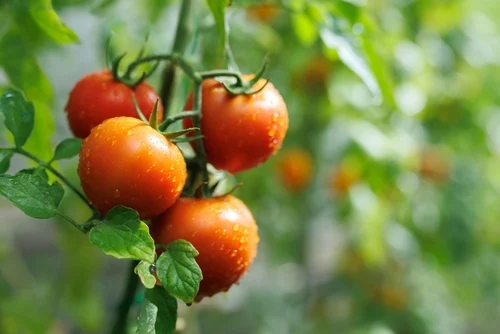
The question of whether tomatoes are a safe dietary addition for backyard poultry involves a nuanced understanding of plant biology, toxicology, and avian physiology. While ripe tomatoes offer a range of essential vitamins and minerals, the botanical family to which they belong—Solanaceae, or the nightshade family—presents significant health risks if specific plant parts or growth stages are mismanaged. Poultry owners must distinguish between the nutrient-dense flesh of a mature fruit and the potentially lethal concentrations of glycoalkaloids found in the leaves, stems, and unripe fruit.

The Botanical Context of the Solanaceae Family
Tomatoes, alongside eggplants, potatoes, and peppers, belong to the Solanaceae family. This botanical group is characterized by the production of secondary metabolites known as glycoalkaloids, which serve as a natural defense mechanism for the plant against herbivores and fungal pathogens. In the tomato plant, the two primary toxins of concern are solanine and tomatine.
Solanine is a toxic glycoalkaloid found throughout the plant, but it is most highly concentrated in the green tissues, including the leaves and stems. Tomatine is a related glycoalkaloid found specifically in the green fruit of the tomato plant. As the fruit undergoes the ripening process, the concentration of these compounds diminishes significantly, rendering the red, fully mature fruit safe for consumption in moderation. However, in the immature, green state, the concentration of these alkaloids remains high enough to potentially induce clinical toxicity in chickens.

Chronology of Toxic Exposure and Biological Impact
When a chicken ingests toxic parts of a nightshade plant, the onset of symptoms can vary based on the quantity consumed and the individual bird’s body weight and health status. The progression of glycoalkaloid poisoning generally follows a predictable timeline:
- Initial Ingestion: The bird consumes leaves, stems, or green tomatoes.
- Absorption Phase: The glycoalkaloids are absorbed through the digestive tract. These compounds function by disrupting cellular membranes and inhibiting the enzyme acetylcholinesterase, which is vital for proper nervous system function.
- Symptomatic Onset: Within hours, the bird may exhibit signs of gastrointestinal distress, including vomiting, abdominal pain, and diarrhea.
- Systemic Deterioration: As the toxin affects the central nervous system and cardiac function, the bird may display a lowered body temperature, a slowed pulse, and overall lethargy.
Veterinary toxicologists note that juvenile birds—chicks—are at a significantly higher risk than mature adults. Their smaller body mass means that even a minimal intake of leaves or green fruit can reach a toxic threshold quickly. Furthermore, birds with pre-existing digestive or immune deficiencies may struggle to process these alkaloids, leading to higher mortality rates following exposure.

Supporting Data and Nutritional Benefits
When handled correctly, the ripe fruit of the tomato provides tangible nutritional benefits. Clinical studies on avian nutrition suggest that tomatoes can serve as a supplemental source of key antioxidants and vitamins. The nutritional profile of a ripe tomato includes:
- Vitamin A: Essential for immune function and ocular health.
- Vitamin C: A critical antioxidant that helps mitigate oxidative stress.
- Vitamin K: Necessary for blood clotting and bone health.
- Potassium: Supports electrolyte balance and muscle function.
- Carotenoids: These pigments are vital for maintaining the vibrancy of egg yolks and supporting the bird’s overall immune response.
Despite these benefits, the "10% rule" serves as a standard industry guideline for backyard poultry keepers. Treats, including fruit and vegetables, should never constitute more than 10% of a chicken’s total daily caloric intake. For an average-sized hen, this equates to roughly one to two tablespoons of tomato flesh per day. Exceeding this amount can lead to nutritional imbalances, as the high water content of the fruit may displace more essential, nutrient-dense feed, leading to a caloric deficit over time.

Analysis of Implications for Poultry Keepers
The implications for backyard flock management are clear: environmental control is the primary method of prevention. Because tomatoes are a common garden crop, the risk of accidental exposure is high. Poultry keepers who maintain "free-range" systems must ensure that their vegetable patches are securely fenced or netted. Allowing chickens to forage near tomato plants increases the likelihood that they will peck at the leaves or green fruit, particularly during mid-summer when the plants are in their most active growth phase.
From a diagnostic perspective, if a poultry keeper suspects solanine or tomatine poisoning, the immediate action should be to isolate the affected bird and remove all access to the suspected food source. Providing clean water and electrolytes can help manage the dehydration caused by diarrhea. However, due to the rapid systemic effects of glycoalkaloids, professional veterinary intervention is recommended if the bird displays severe neurological symptoms, such as tremors or loss of coordination.

Official Guidelines and Best Practices
To ensure the safety of a flock, poultry experts and veterinary nutritionists advise a standardized protocol for the inclusion of tomatoes:
- Verification of Ripeness: Only deep-red, fully ripened tomatoes should be offered. Any fruit that retains a green or yellowish hue should be discarded or composted in an area inaccessible to the birds.
- Removal of Green Matter: Gardeners should ensure that when clearing out old tomato plants at the end of the season, all foliage and stems are removed from the run area immediately. These parts of the plant remain toxic even after they have wilted or dried.
- Portion Control: Treats should be served as a supplement, not a primary food source. Consistency is key to preventing digestive upset.
- Flock Assessment: Only healthy adult birds should be given these treats. Chicks and birds showing signs of illness should be kept on a strict, balanced commercial diet to ensure their immune systems are not compromised by secondary toxins.
Comparative Risk Assessment within the Garden
While tomatoes are the most commonly discussed nightshade, the risks associated with other garden crops cannot be overlooked. Peppers and eggplants, both members of the Solanaceae family, pose similar risks. Poultry owners should apply the same vigilance to these plants as they do to their tomatoes.

The toxicity of these plants is not limited to the fruit. As established in the botanical literature, the foliage of the entire nightshade family contains alkaloids that do not break down through the ripening process of the fruit. Therefore, regardless of whether a gardener is growing bell peppers or cherry tomatoes, the leaves and stems must remain entirely outside the chicken’s diet.
Conclusion
The inclusion of tomatoes in a chicken’s diet is a practice that requires careful, informed management. While the fruit provides a valuable boost of antioxidants and vitamins that contribute to a healthy flock, the inherent risks associated with the plant’s foliage and immature fruit necessitate strict preventative measures. By adhering to a protocol of limiting treats to 10% of the total diet, ensuring the total exclusion of green plant matter, and monitoring flock health during the growing season, keepers can safely incorporate this garden staple without endangering their birds. Ultimately, the health of the flock depends on the owner’s ability to treat the garden as both a resource and a potential source of chemical hazards. Vigilance, combined with a basic understanding of plant chemistry, remains the most effective tool in maintaining a thriving and healthy backyard poultry operation.
