
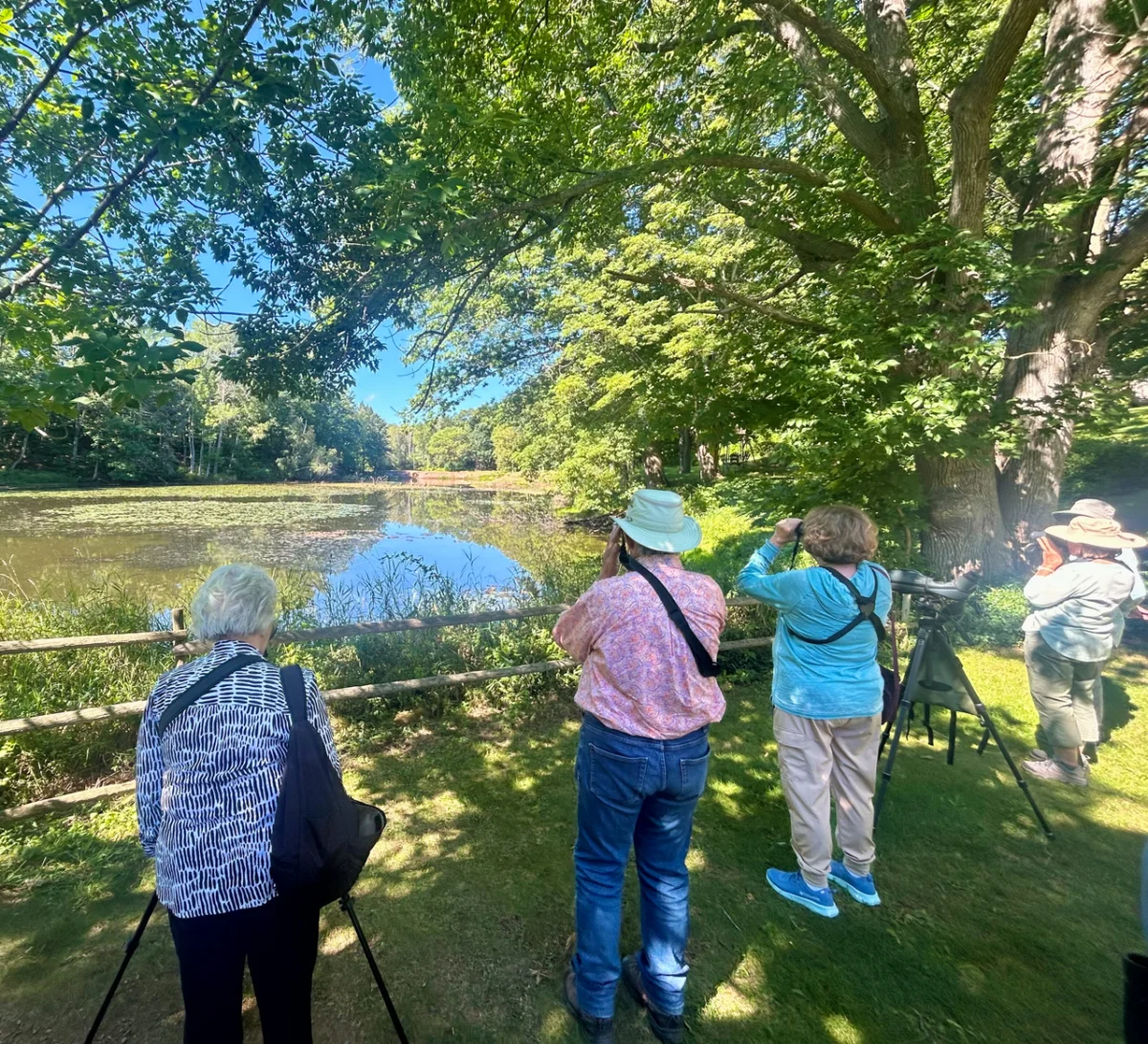
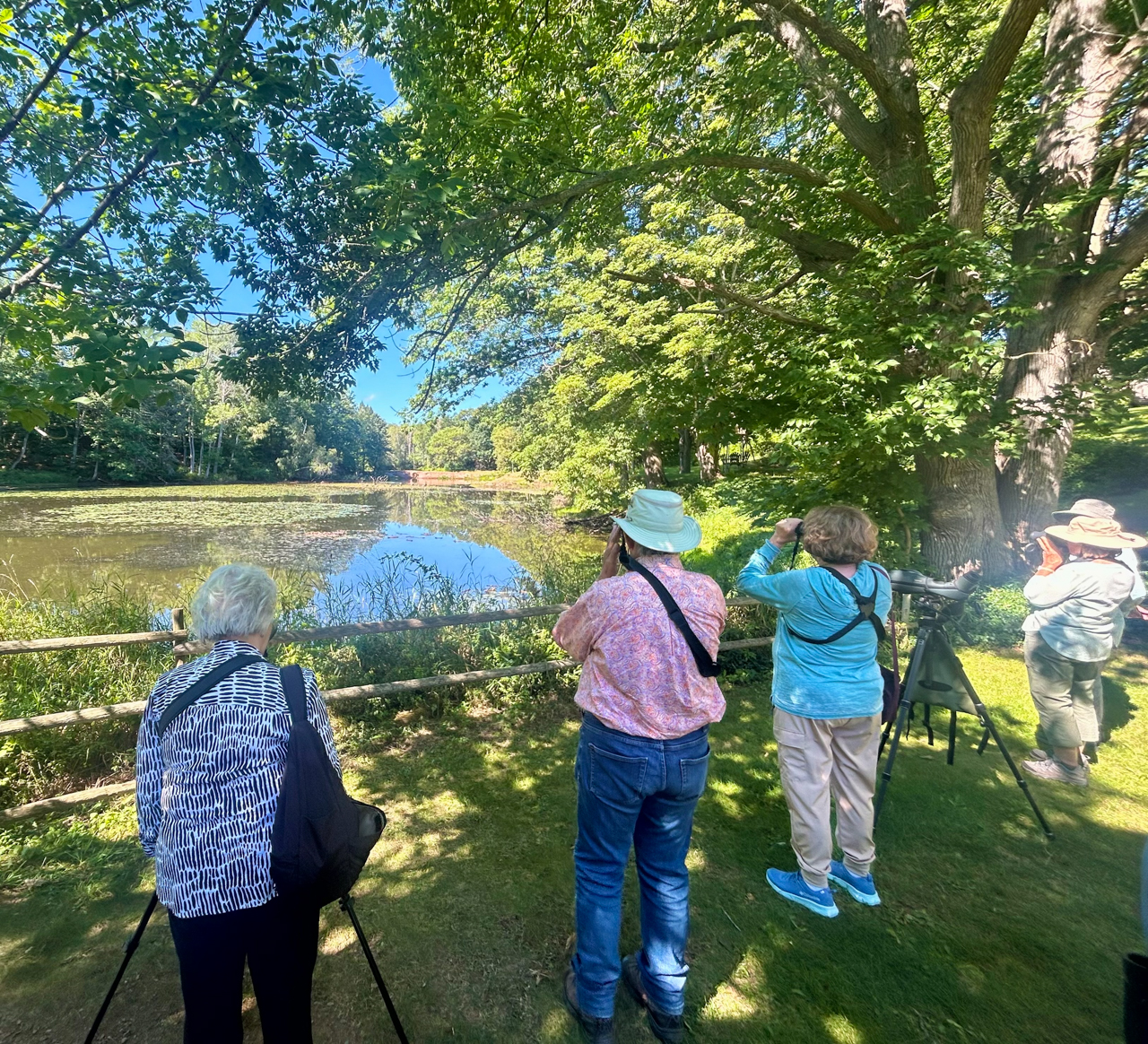
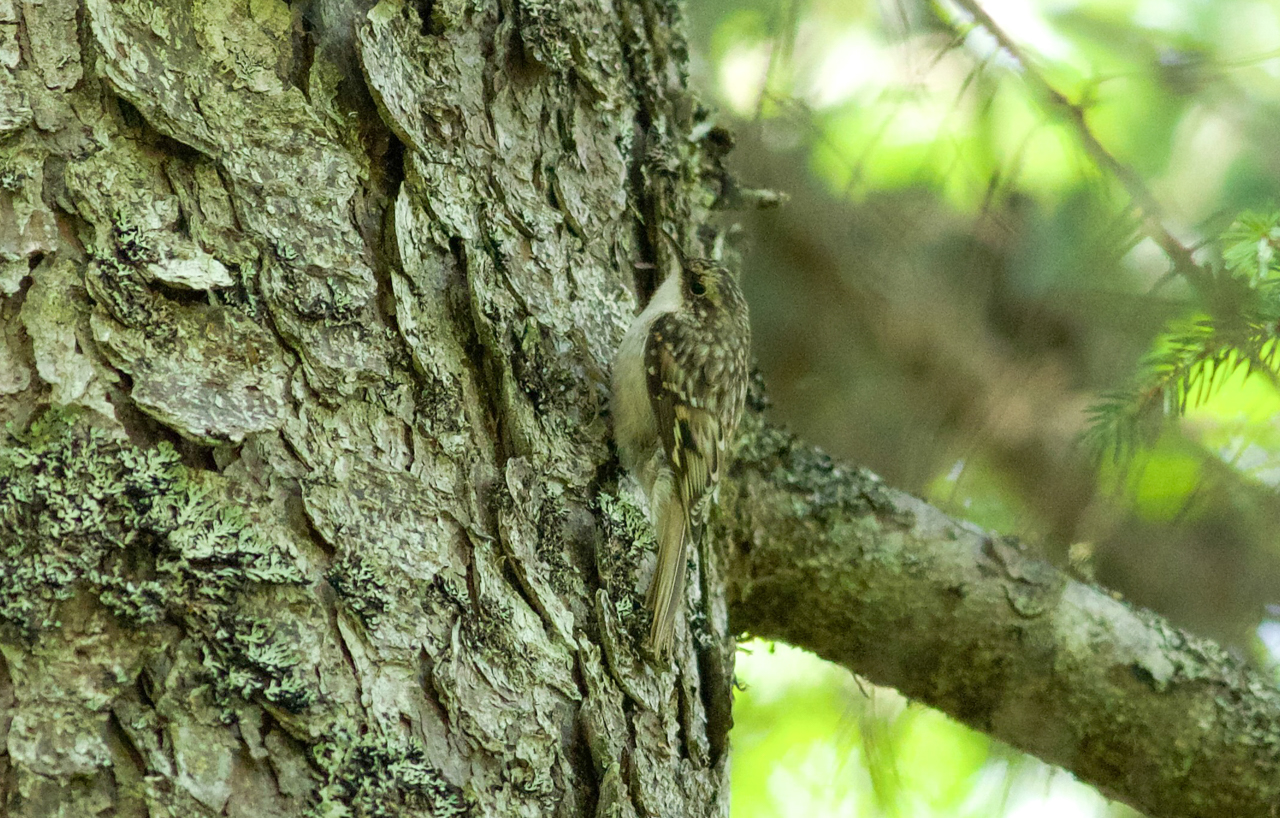
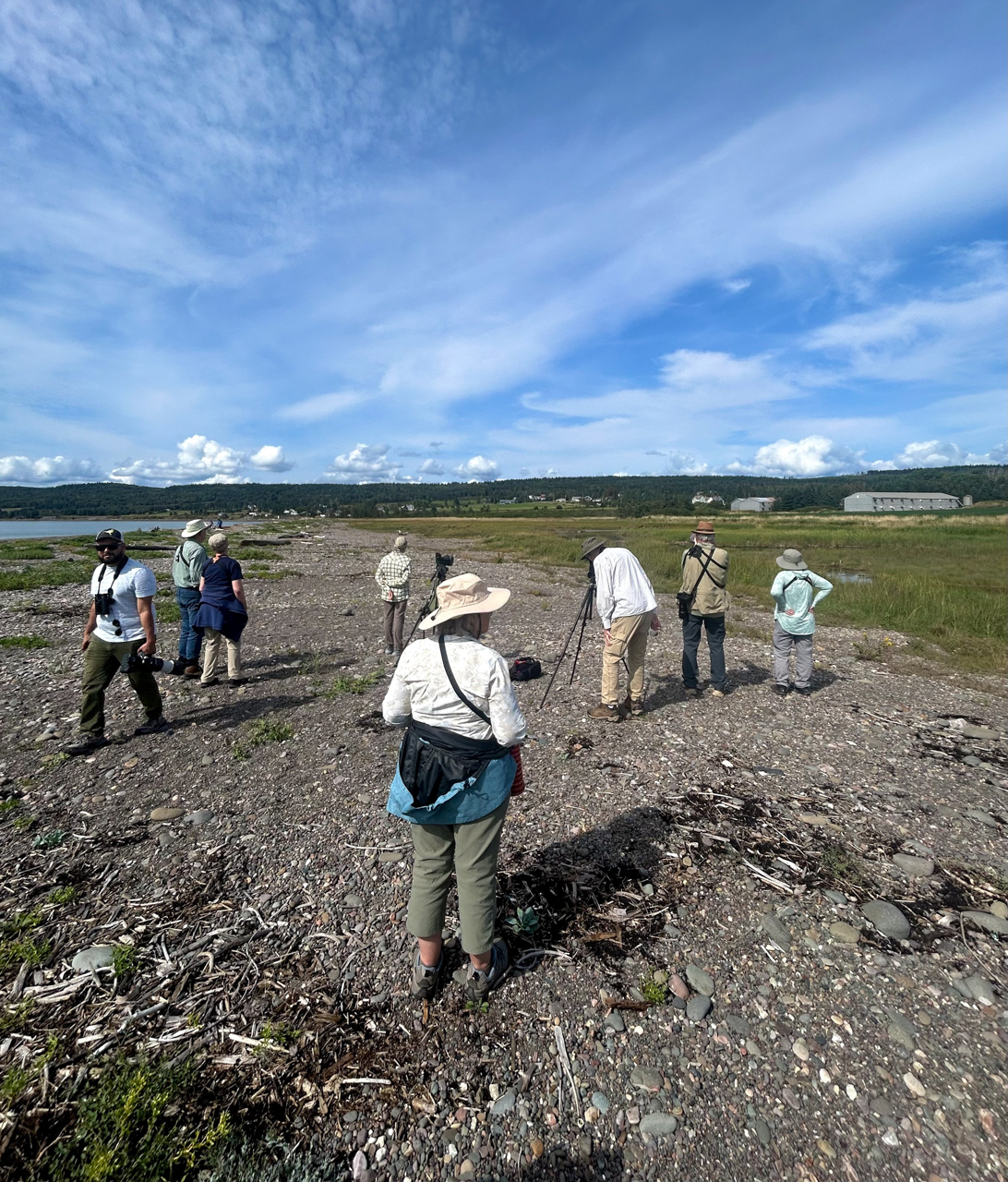
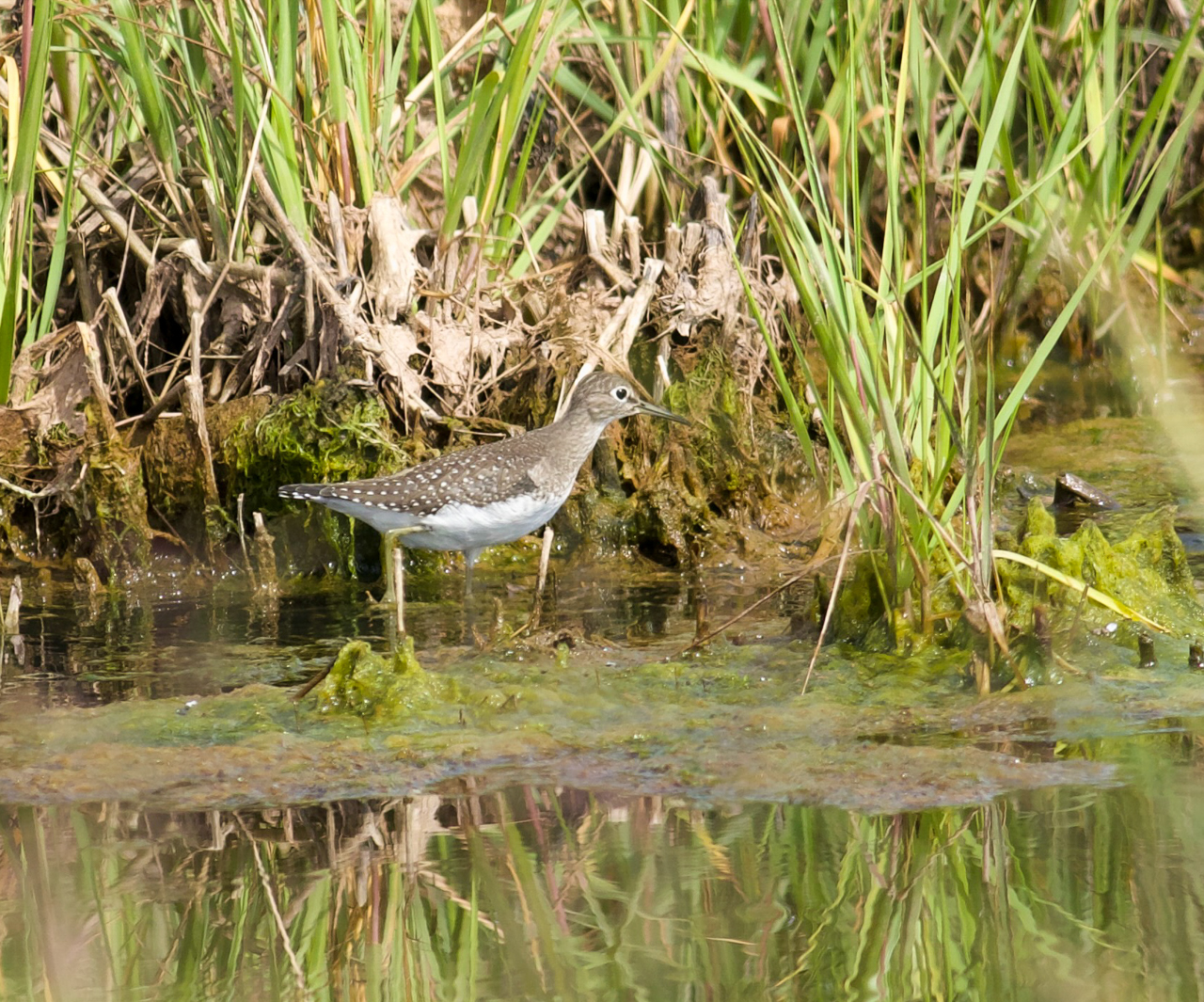
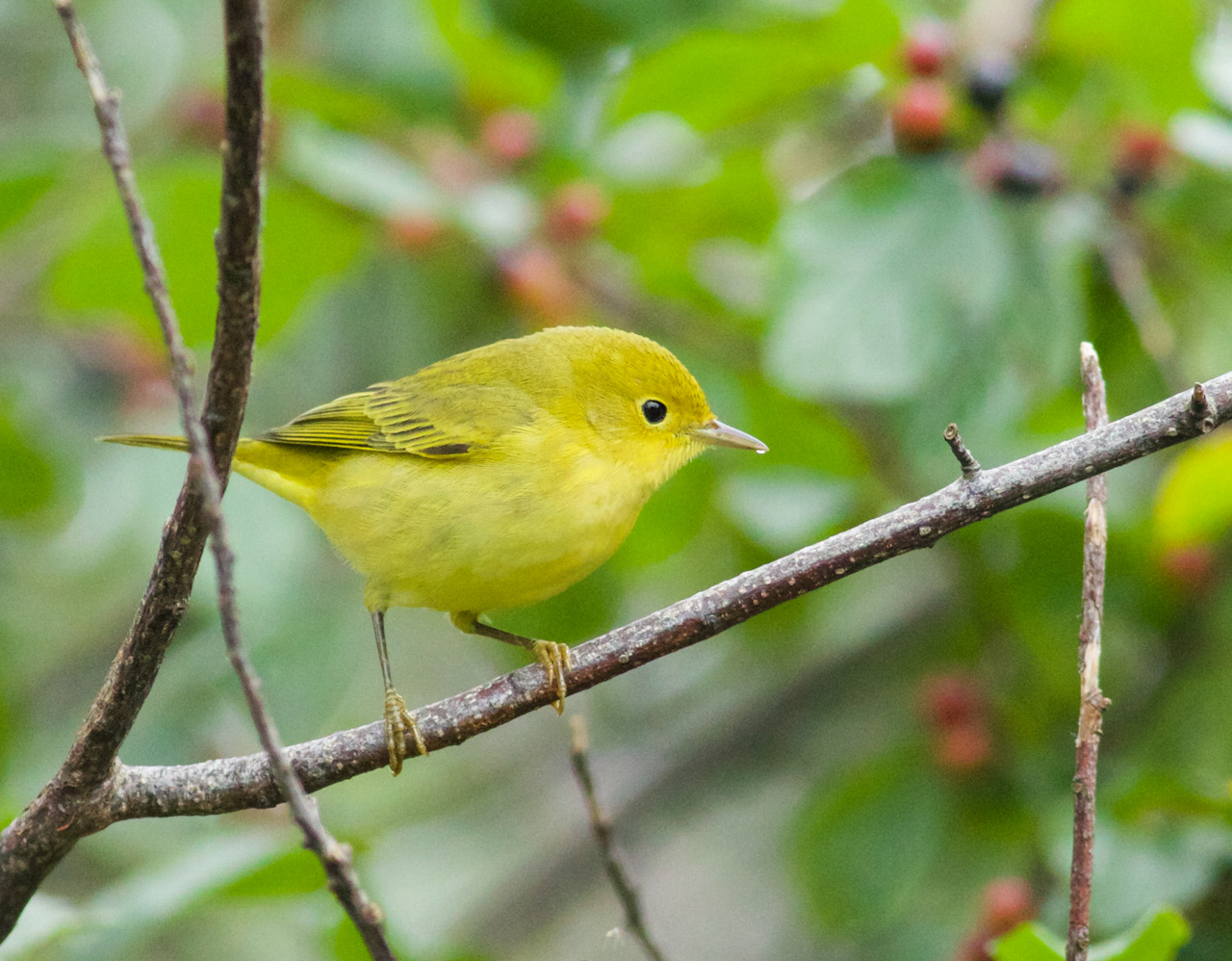
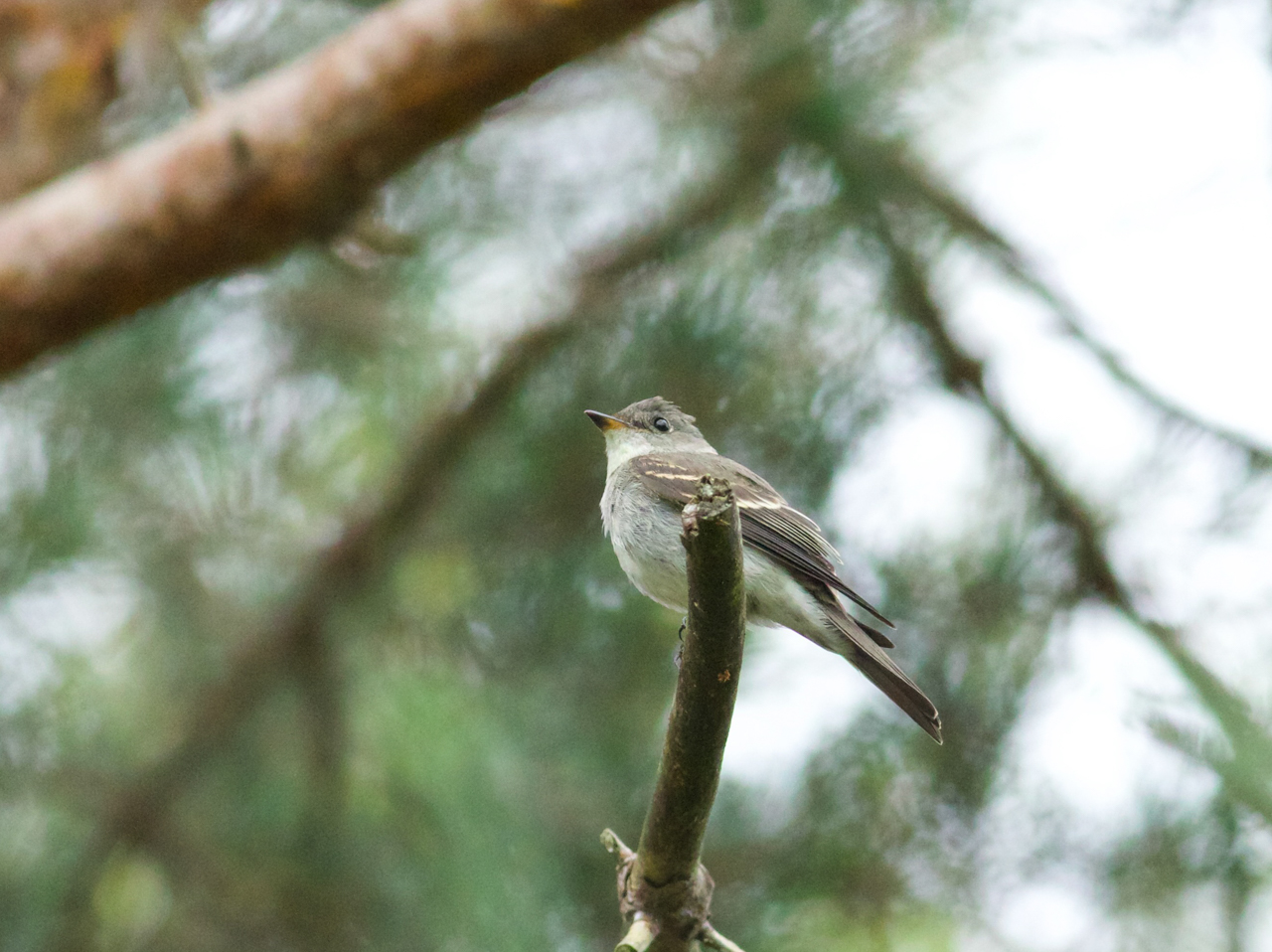
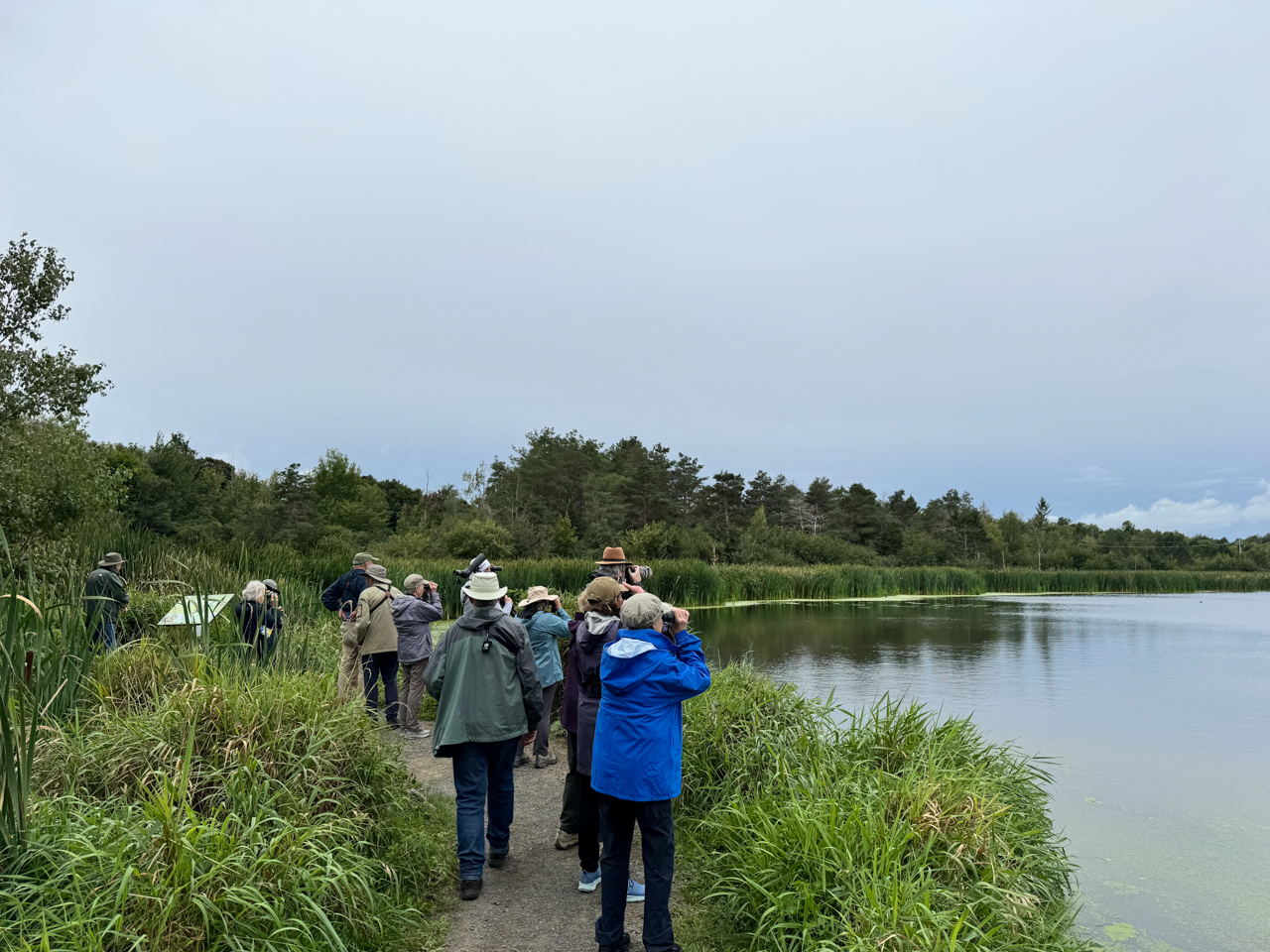
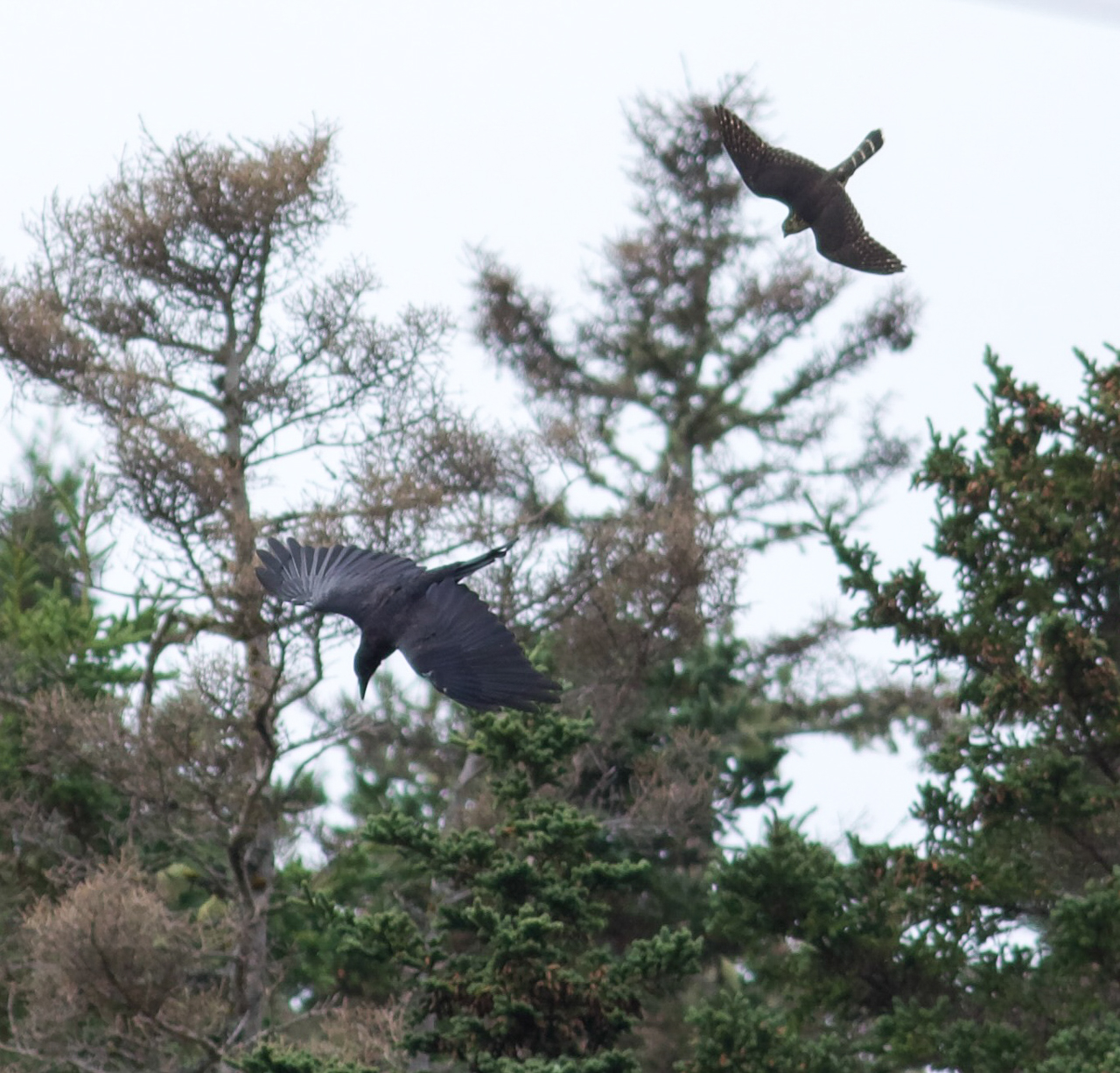
Fourteen dedicated birding and nature enthusiasts recently completed an immersive nine-day expedition across southern Nova Scotia, a region internationally recognized as a critical corridor for migratory avian species. The tour, organized as a Birds Canada supporters’ initiative, served dual purposes: providing participants with rare sightings of migratory birds while generating essential funding for regional conservation efforts. Throughout the journey, the group documented 144 avian species, including several rare sightings that underscore the province’s importance in global migratory flyways.
The expedition followed a strategic route designed to capture the peak of the fall migration. From the nutrient-rich mudflats of the Bay of Fundy to the isolated, mist-shrouded outcroppings of Brier Island and the southern reaches of Cape Sable Island, the itinerary was mapped to intersect with the movement of shorebirds, raptors, and pelagic species.
Chronology of the Expedition
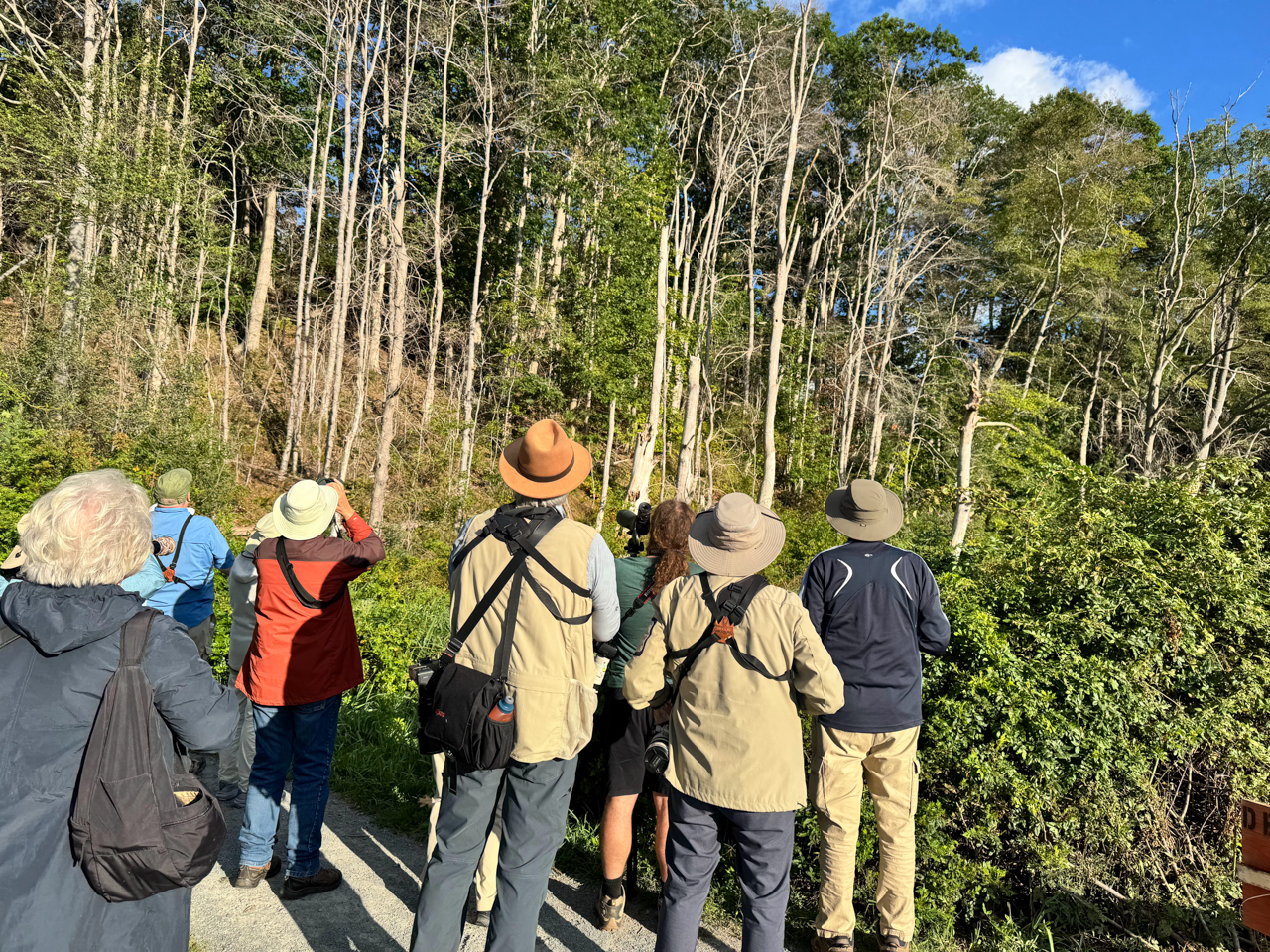
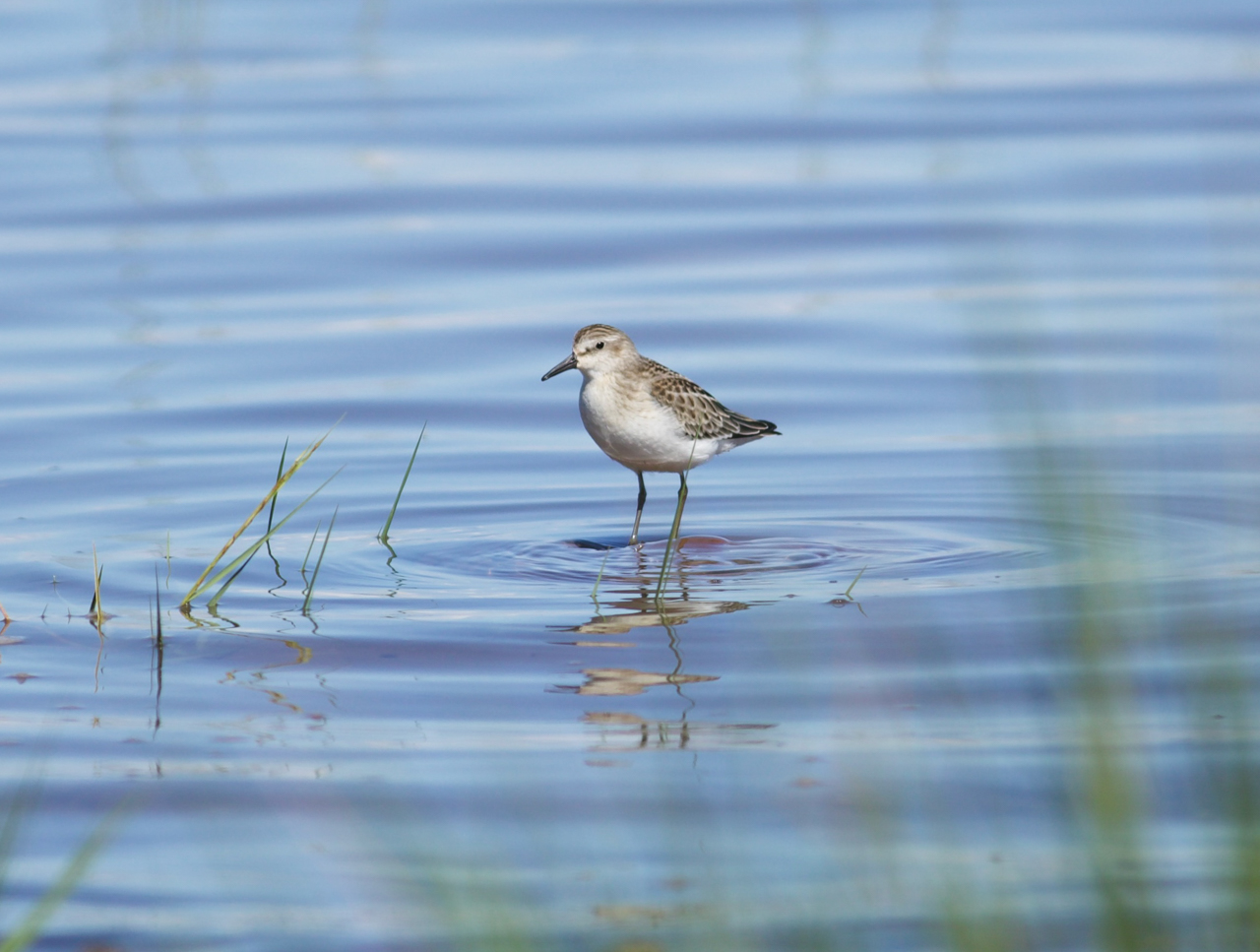
The journey commenced in Halifax, where the group gathered to establish logistics and baseline birding goals. The first phase focused on the Annapolis Valley, a landscape defined by the highest tides in the world. At Miner’s Marsh and the historic Grand Pré region, participants observed a feeding frenzy of migratory songbirds and shorebirds. The group’s timing allowed for a unique scientific observation: the rapid tidal flux at Horton Landing. As the Bay of Fundy tide inundated the mudflats, the group documented the departure of Red Knots—a species of conservation concern—and other shorebirds, providing a real-time lesson in the necessity of these stopover sites for long-distance survival.
On day three, the expedition shifted toward the Blomidon Peninsula, where the elevation and hardwood forests provided a habitat for boreal specialty species. The focus here was on ecological diversity, ranging from lichen and fungal identification to observing raptors preparing for their southward journey.
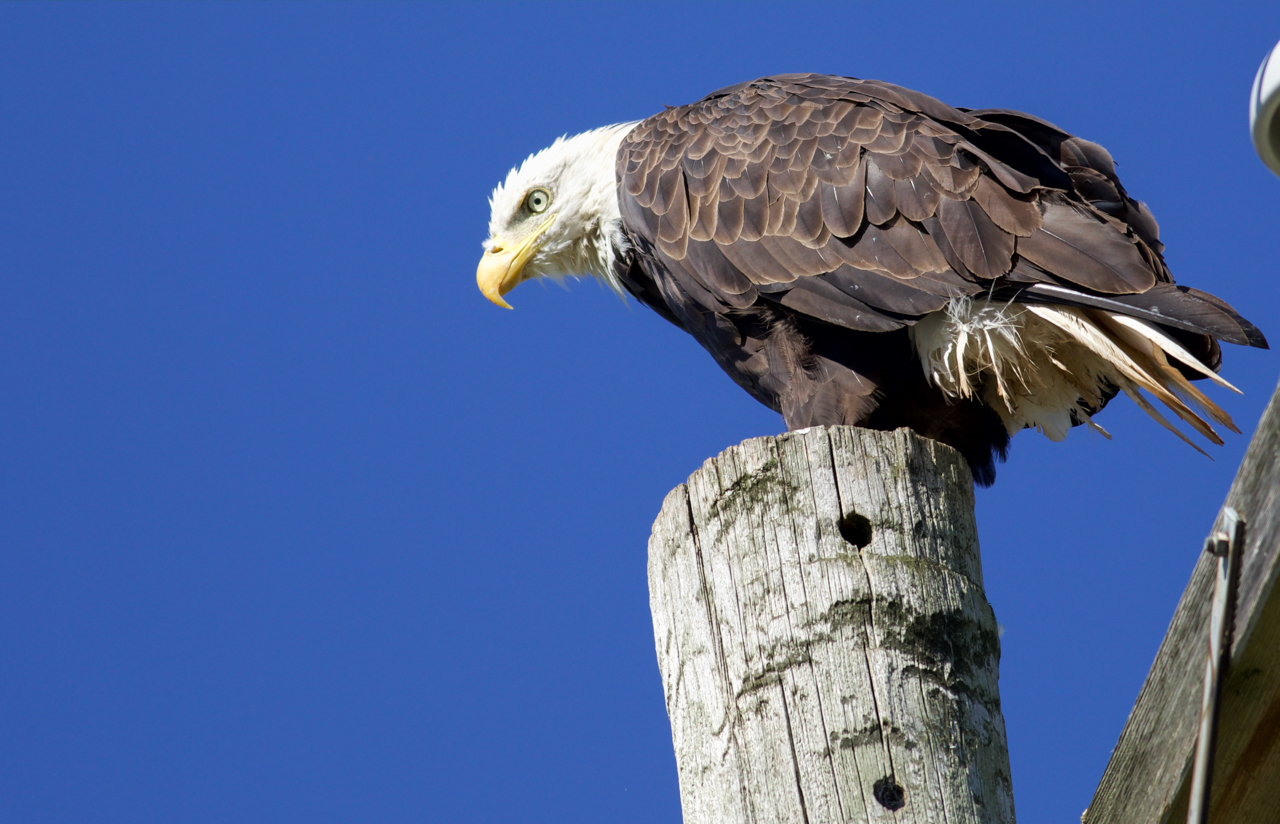
The middle leg of the trip focused on the Digby Neck and Brier Island, the epicenter of Nova Scotia’s migration phenomenon. A specialized pelagic boat trip into the Bay of Fundy yielded what experts described as one of the most productive counts of the year. Participants observed South Polar Skuas, Atlantic Puffins, and Manx Shearwaters. The inclusion of Humpback Whale sightings added a layer of marine biological context, illustrating the interconnectedness of the Bay’s ecosystem.
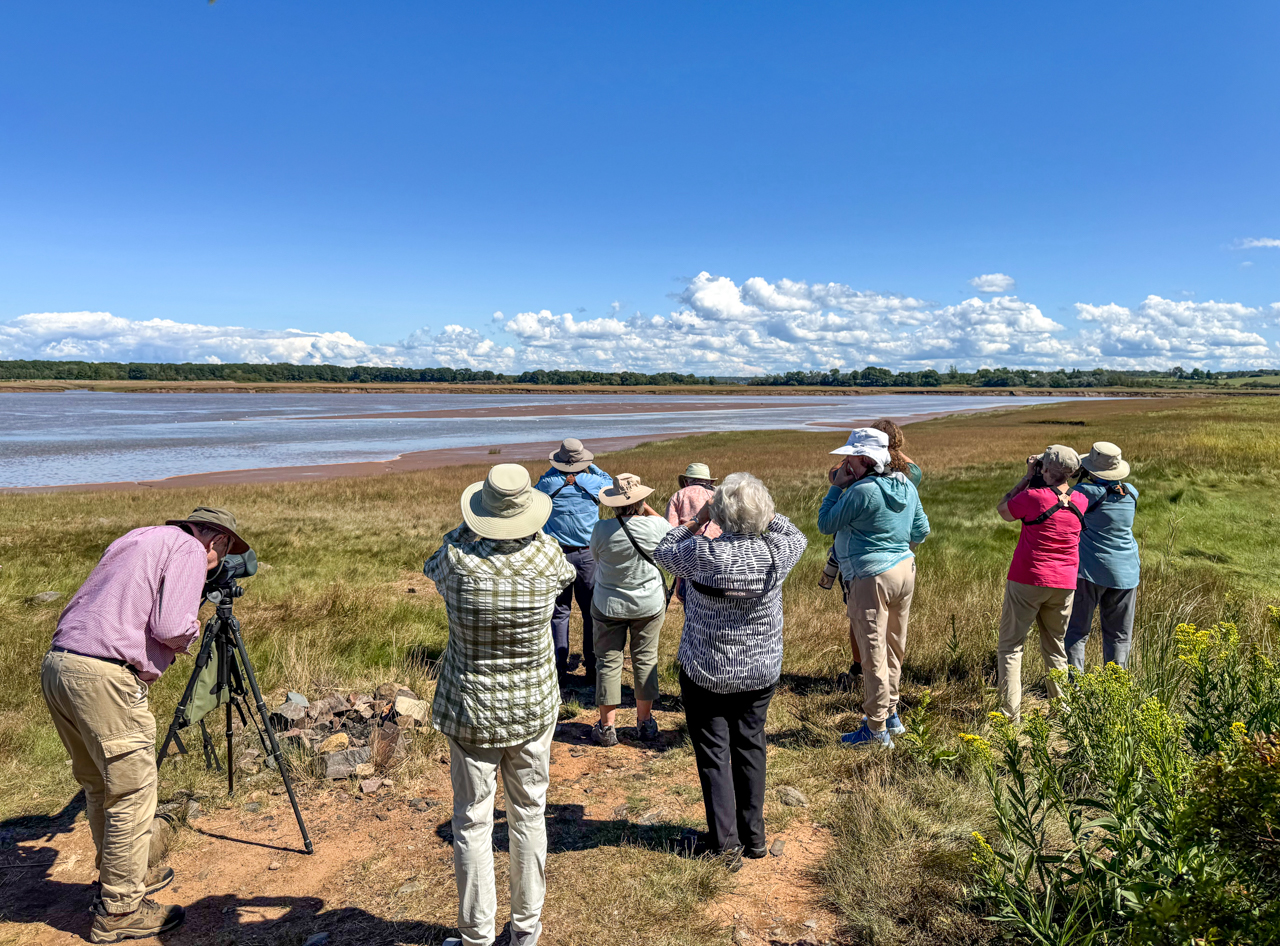
The final stages of the tour took the group through Yarmouth and Cape Sable Island—locally known as "CSI"—a site legendary among North American birders for its potential to host vagrant species. The expedition concluded with a transit through Lunenburg and Peggy’s Cove, ending back in Halifax.
Biological Significance and Migratory Patterns
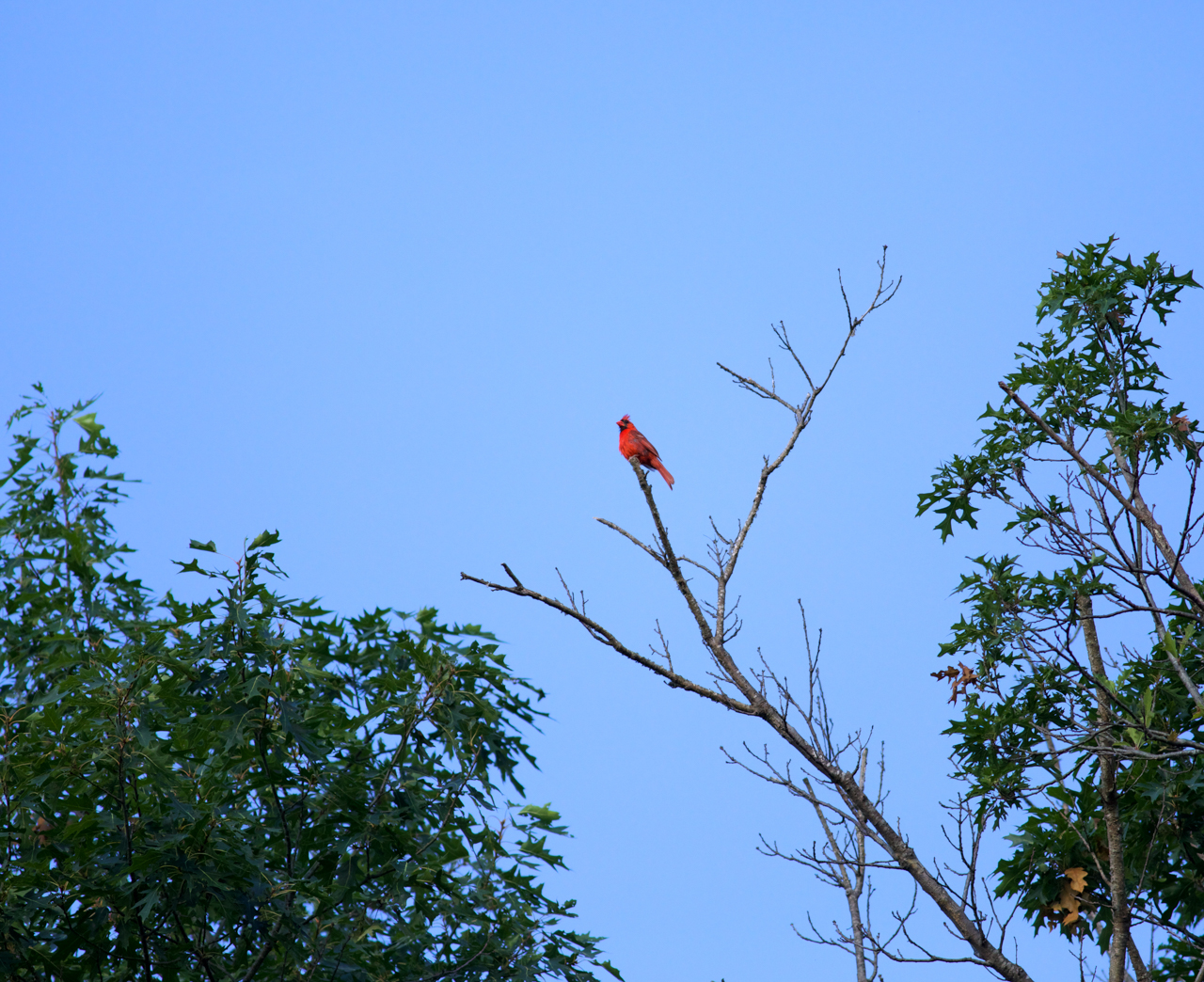
The data collected during the nine-day trip provides a snapshot of the health of these migratory populations. The presence of Boreal Chickadees, a species currently experiencing a range contraction due to climate change and habitat loss, was a highlight for the participants. Furthermore, the sighting of a Buff-breasted Sandpiper at Pond Cove Beach served as a reminder of the fragility of arctic-breeding shorebirds that rely on these coastal habitats to refuel during their arduous journeys to South America.

The identification of 144 species is a significant tally for a single week, reflecting both the expertise of the guides and the unique geography of southern Nova Scotia. The province serves as a "funnel" for birds migrating from the northern reaches of the continent; the convergence of the North Atlantic and the Bay of Fundy creates distinct microclimates and food sources that are vital for the survival of these species.
Supporting Conservation Efforts
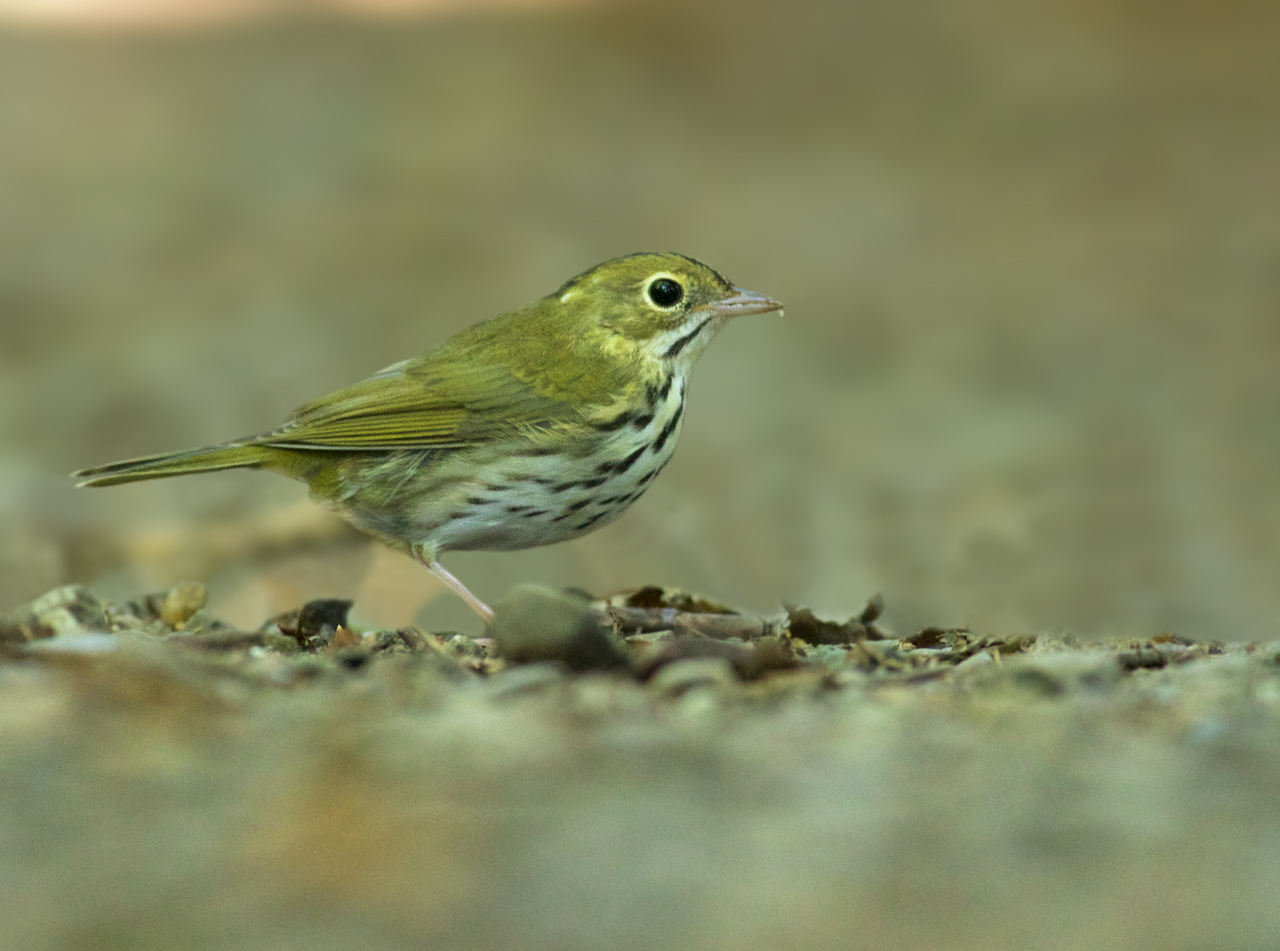
The expedition was not merely a recreational excursion; it functioned as a major fundraiser for Birds Canada. By focusing on the Atlantic region, the proceeds from this tour are earmarked for long-term monitoring programs and habitat protection initiatives.
"The participation in this tour directly impacts our ability to protect these corridors," noted one representative familiar with the project. "When we track species like the Red Knot or the Boreal Chickadee, we are not just tallying birds; we are collecting the data necessary to advocate for policy changes in land use and environmental protection."
The broader implications of this expedition relate to the ongoing discourse surrounding the protection of the Atlantic Flyway. As development pressure grows along coastal regions, the identification of "migrant traps"—such as the Willows at Chebogue Point—becomes essential. These small, often overlooked pockets of habitat are "magnetic forces" that allow birds to rest in safety. Preserving these sites is considered a priority by local conservationists and regional biologists.
Reflections on the Experience
For the fourteen participants, the trip offered more than just a list of sightings; it provided an intensive education in the realities of climate-driven ecological shifts. The group navigated variable conditions, ranging from the "summeriest" of weather in the Annapolis Valley to the "ethereal fog" of Brier Island. These environmental fluctuations were treated as part of the pedagogical experience, demonstrating how weather patterns dictate the behavior of migrating animals.
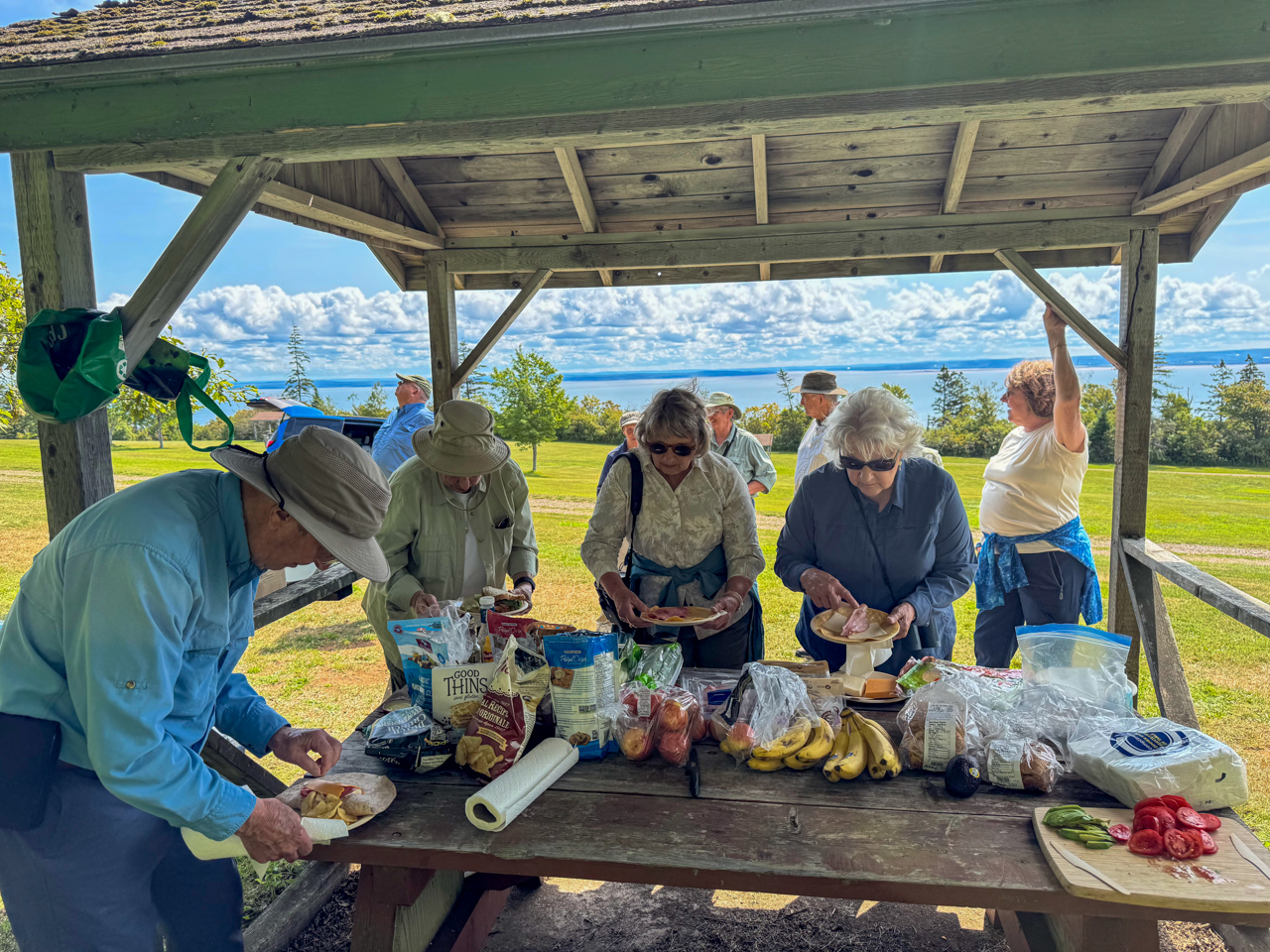
The camaraderie developed over the nine days was frequently cited by participants as a highlight of the trip. The professional, peer-to-peer nature of the group allowed for deeper discussions on birding ethics, the use of optics, and the nuances of field identification.
Future Implications for Nova Scotian Tourism
The success of this expedition reinforces the viability of "birding tourism" as a sustainable economic model for rural Nova Scotia. By highlighting the value of sites such as the French Basin Trail, Cape Forchu, and the historic port of Lunenburg, the tour demonstrated that high-value, low-impact tourism can thrive in the province.
Local businesses, particularly in the restaurant and hospitality sectors in Digby, Yarmouth, and Lunenburg, were direct beneficiaries of the expedition’s itinerary. The group’s willingness to engage with local history—from the Joshua Slocum National Monument to the cultural tradition of the "Rappie Pie"—suggests that birding expeditions can foster a deeper connection between visitors and the regional heritage of Nova Scotia.
Conclusion
As the group returned to Halifax to conclude their journey, the sentiment was one of accomplishment and shared purpose. The collection of 144 species was a testament to the biological richness of the province, but the true impact of the tour lies in the data contributed to Birds Canada and the heightened awareness among the participants regarding the conservation needs of migratory birds.
The expedition stands as a model for how nature-based tourism can bridge the gap between recreational activity and rigorous, data-driven conservation. By fostering a passion for the natural world while simultaneously funding the protection of that world, the Birds Canada supporters’ tour demonstrated that even the most fleeting migratory stopovers can have lasting, positive impacts on the global environment. The participants left with more than photographs and field notes; they left with an understanding that the survival of these species is a collective responsibility, and that Nova Scotia remains a critical stage in the grand, global drama of migration.
