
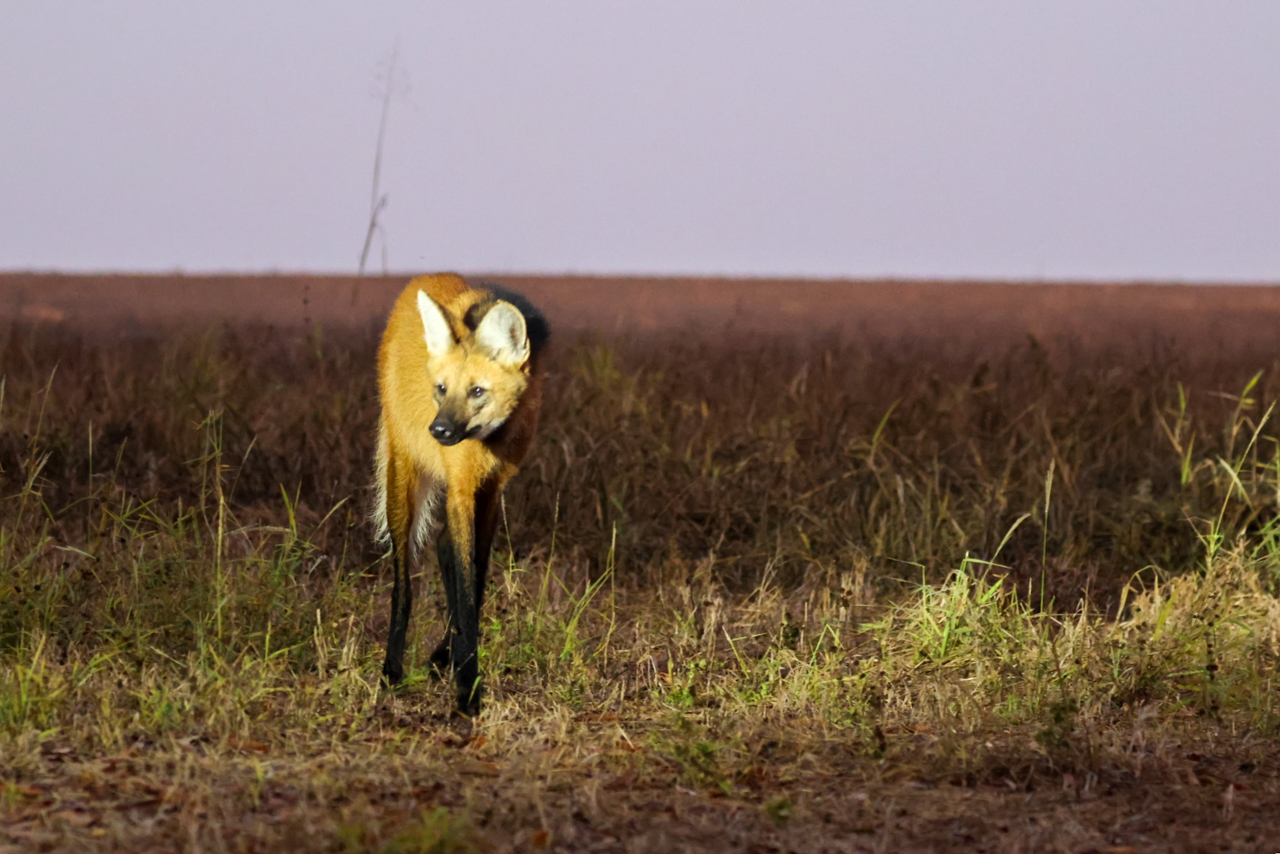
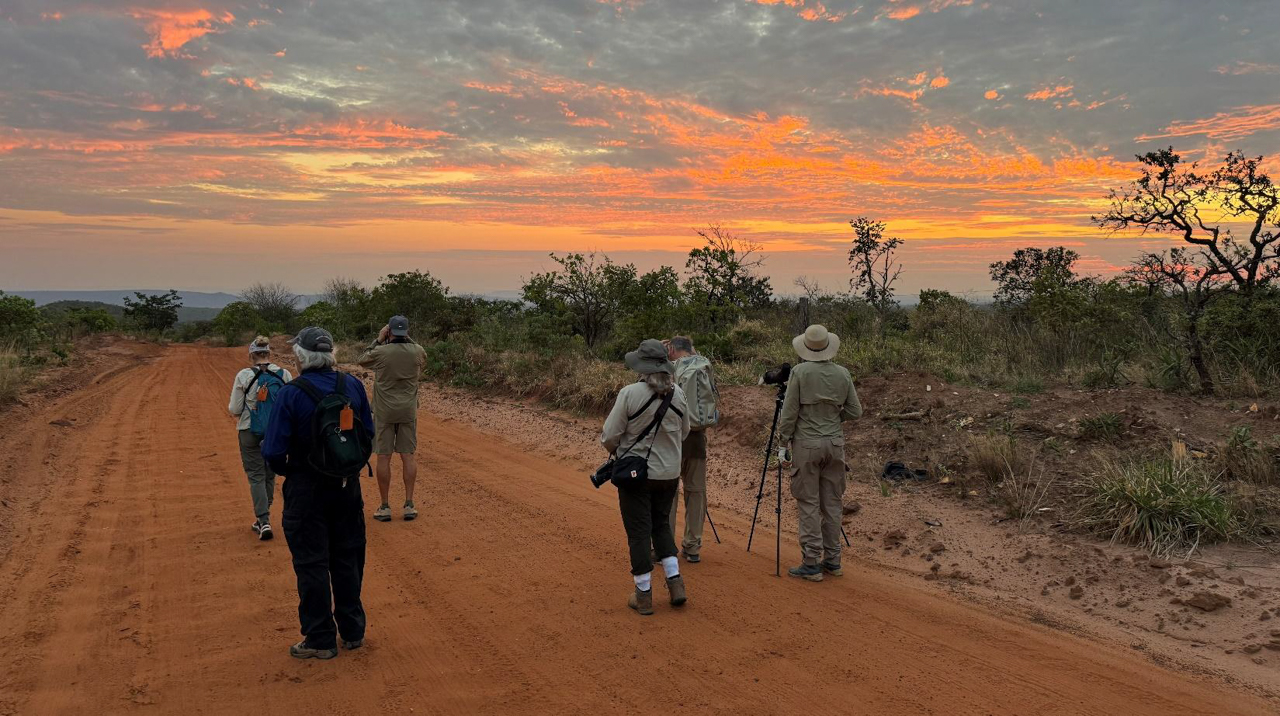
The recent expedition through the heart of Brazil, spanning from September 25 to October 7, offered a comprehensive survey of three distinct and critical biomes: the southern Amazon rainforest, the high-altitude cerrado of Chapada dos Guimarães, and the sprawling Pantanal wetlands. Led by experts Adam Kent of Eagle-Eye Tours and Bianca Bernardon of Boute Expeditions, the tour provided participants with an intensive look at the conservation challenges and unparalleled biodiversity of the region. The group documented over 300 avian species and a diverse array of mammalian megafauna, including the elusive Maned Wolf and the iconic Jaguar, underscoring the vital importance of habitat preservation in Mato Grosso.
Chronology of the Expedition
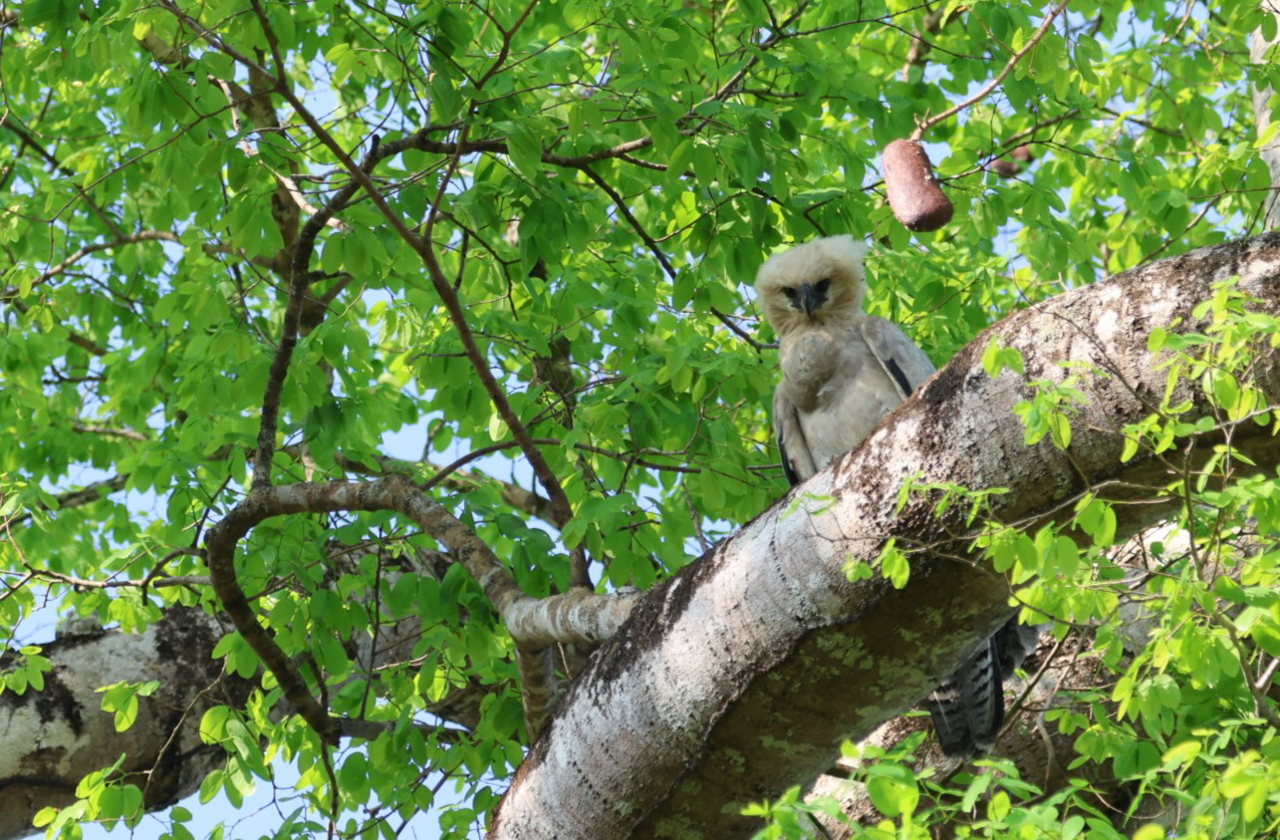
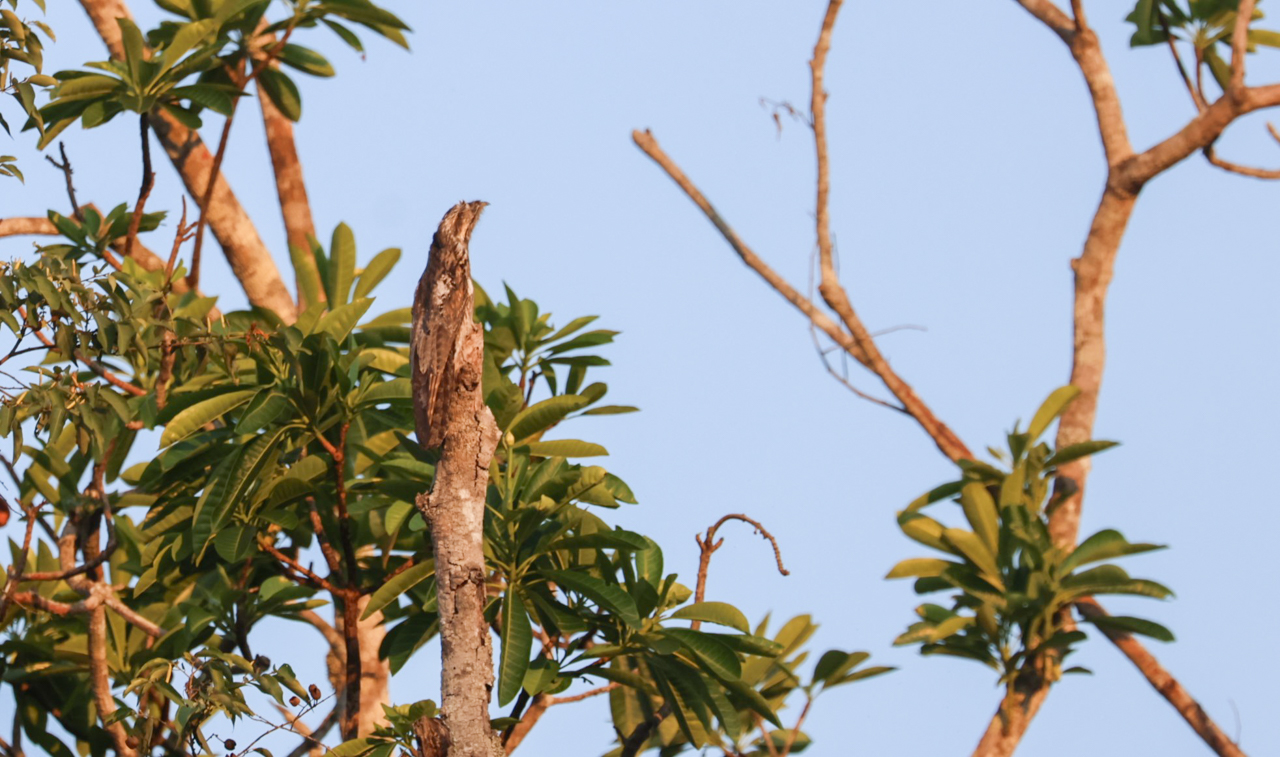
The journey commenced on September 25 in Cuiabá, with the group immediately venturing toward the Curupira Lodge. Early arrivals were granted a rare opportunity to observe a nine-month-old Harpy Eagle—the most powerful raptor in the Americas—at a nesting site, a highlight that set the tone for the ornithological focus of the trip.
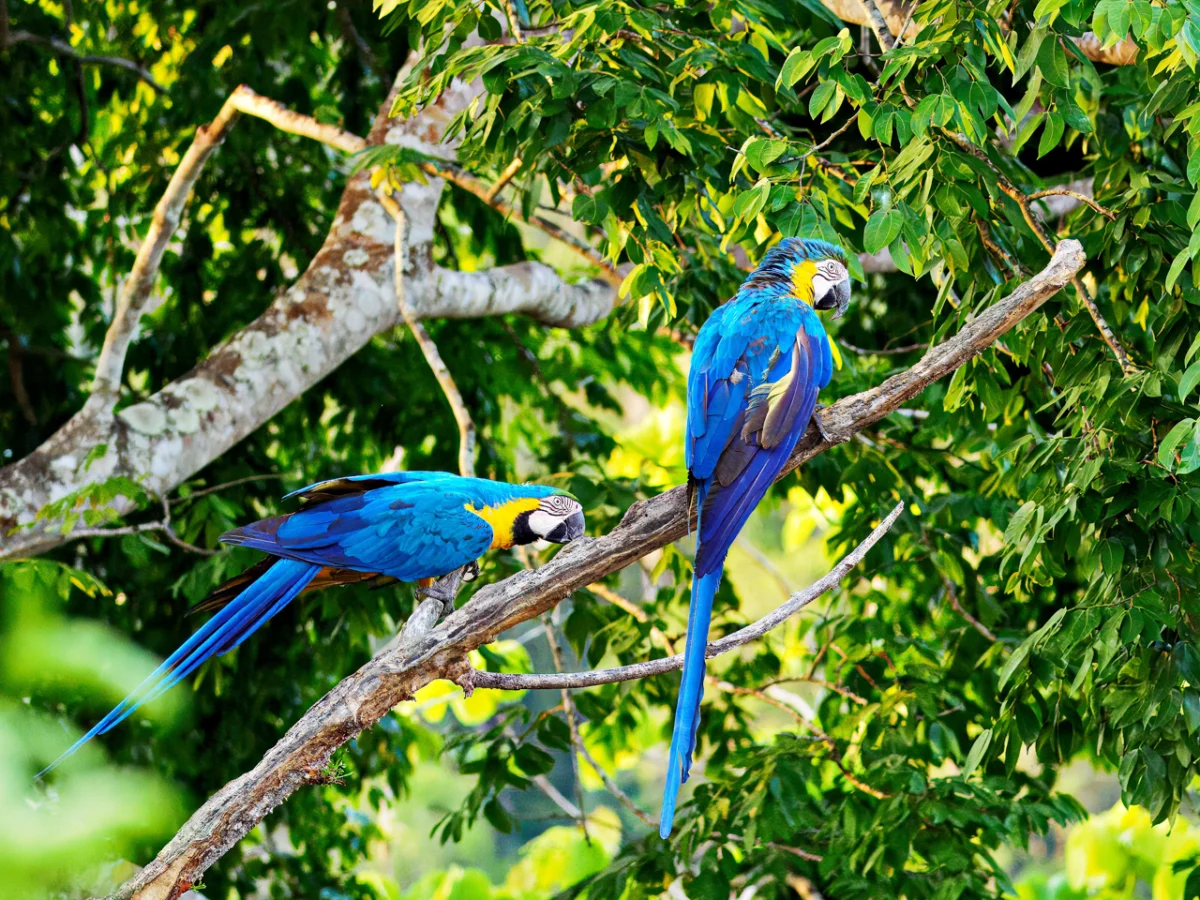
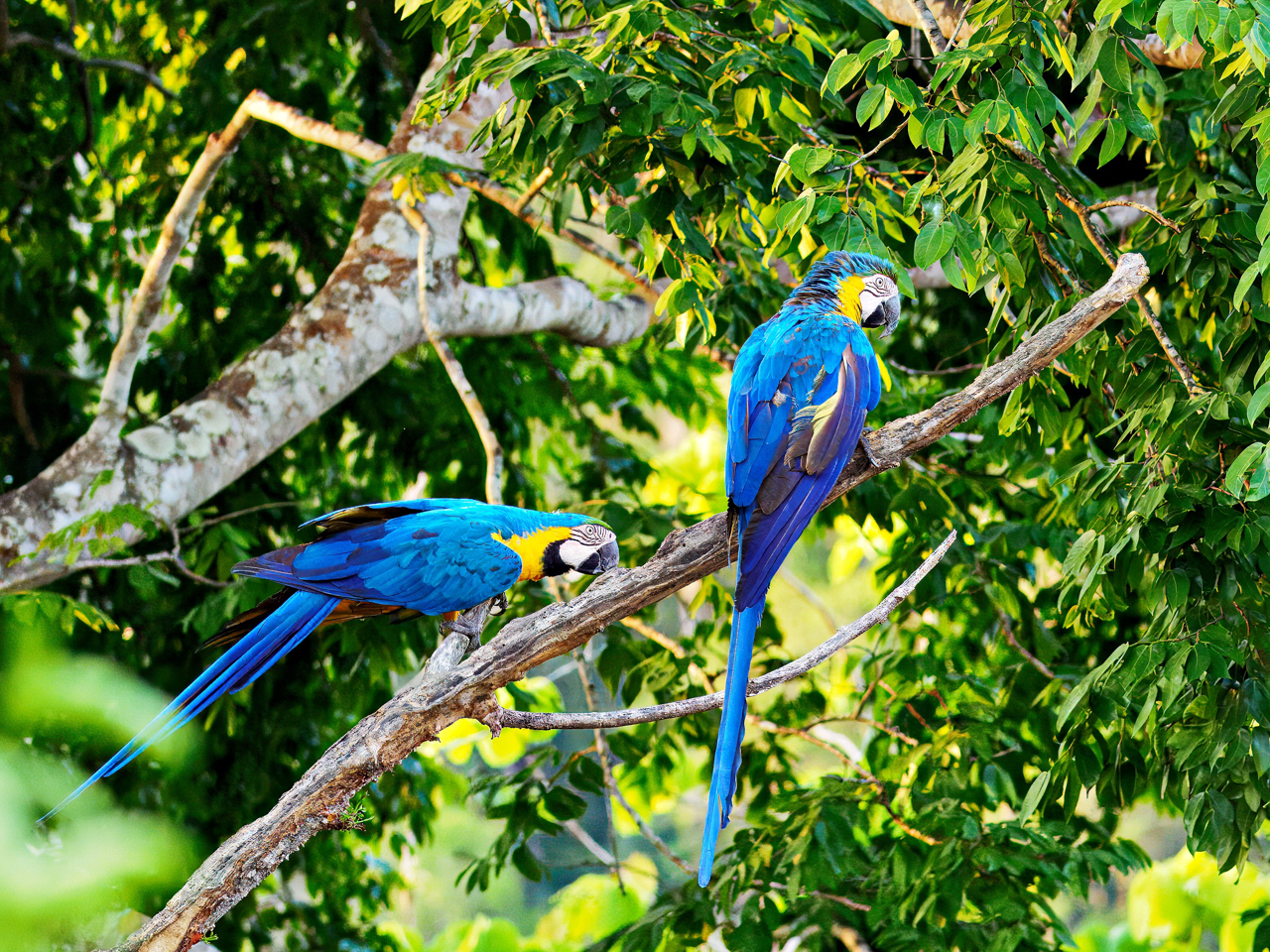
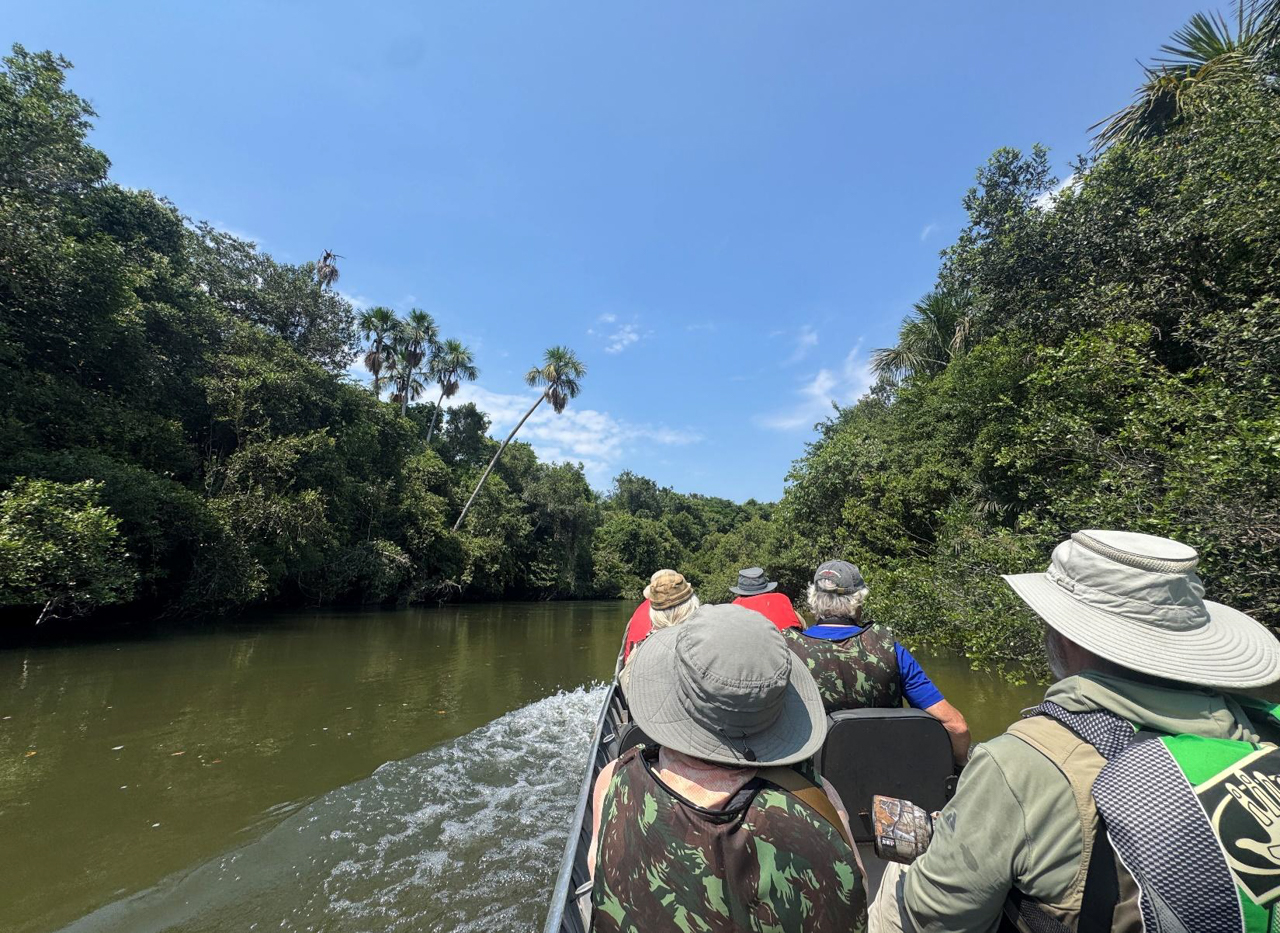
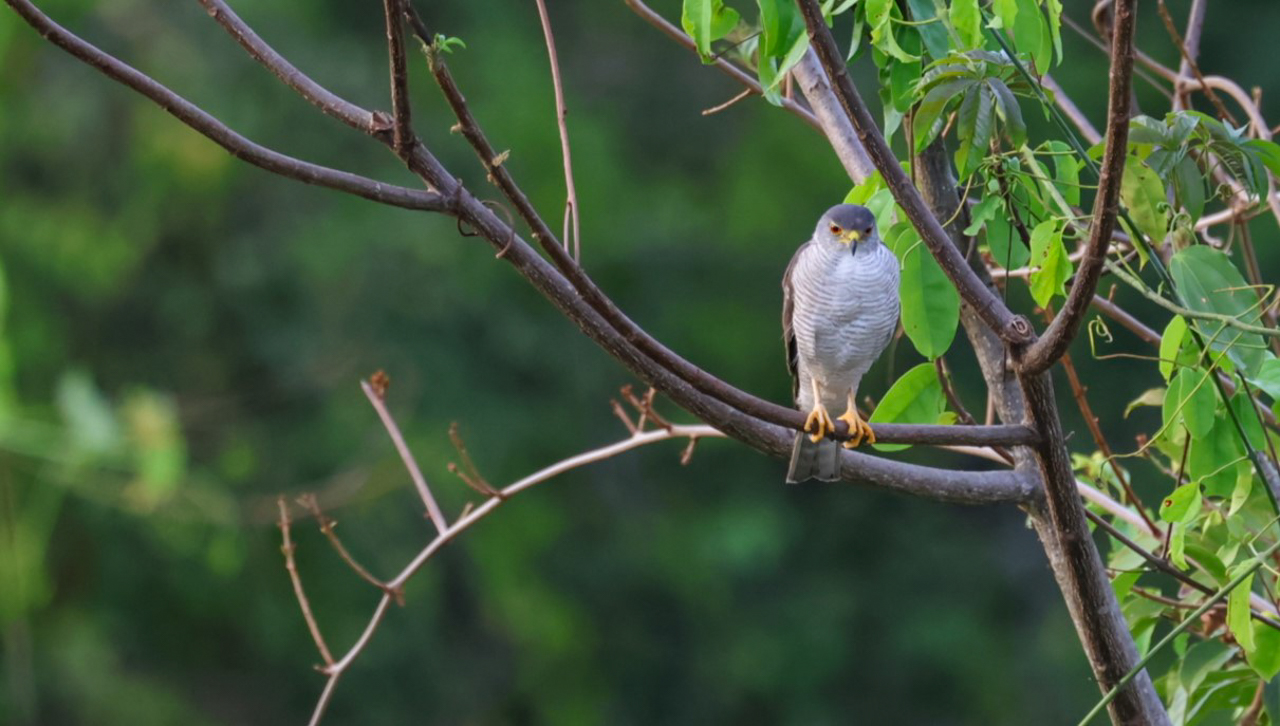
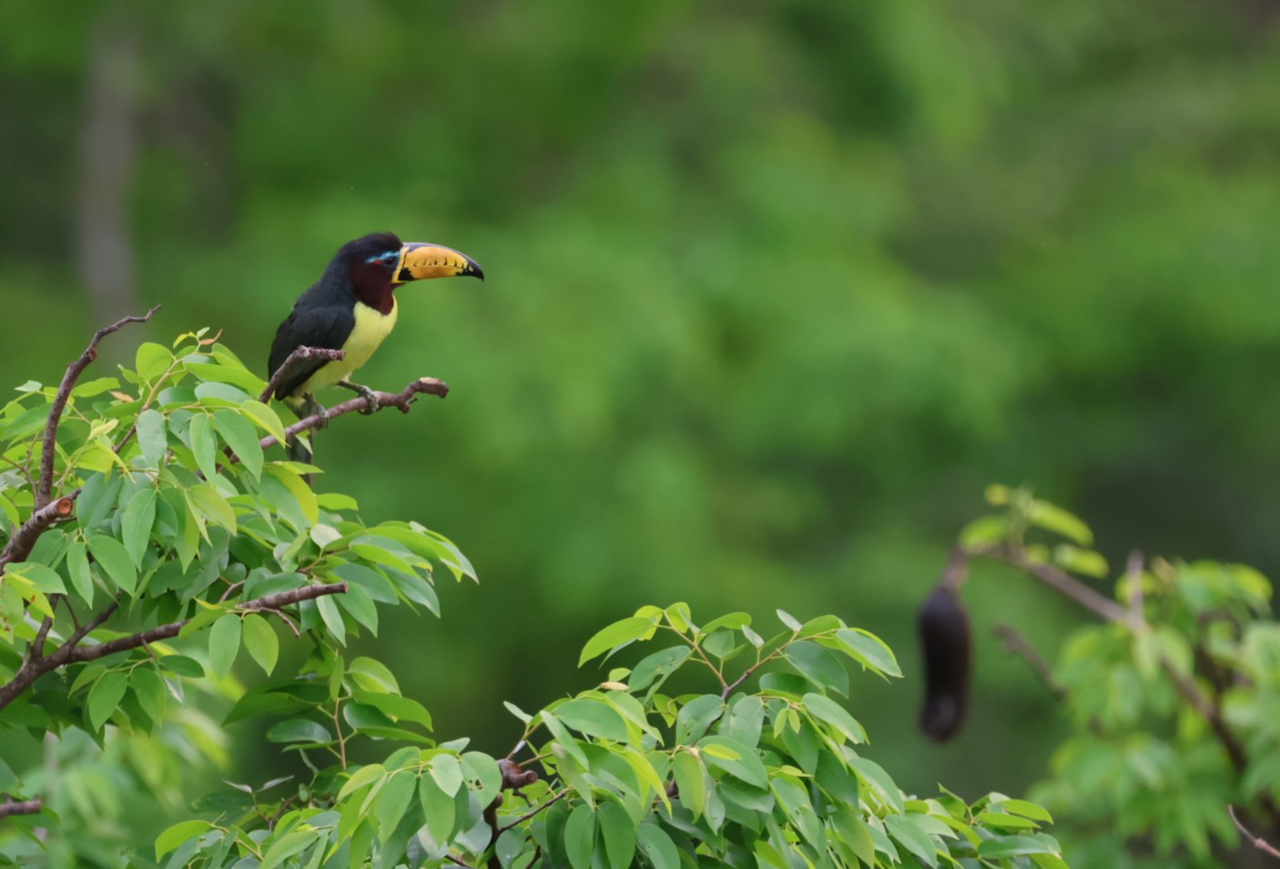
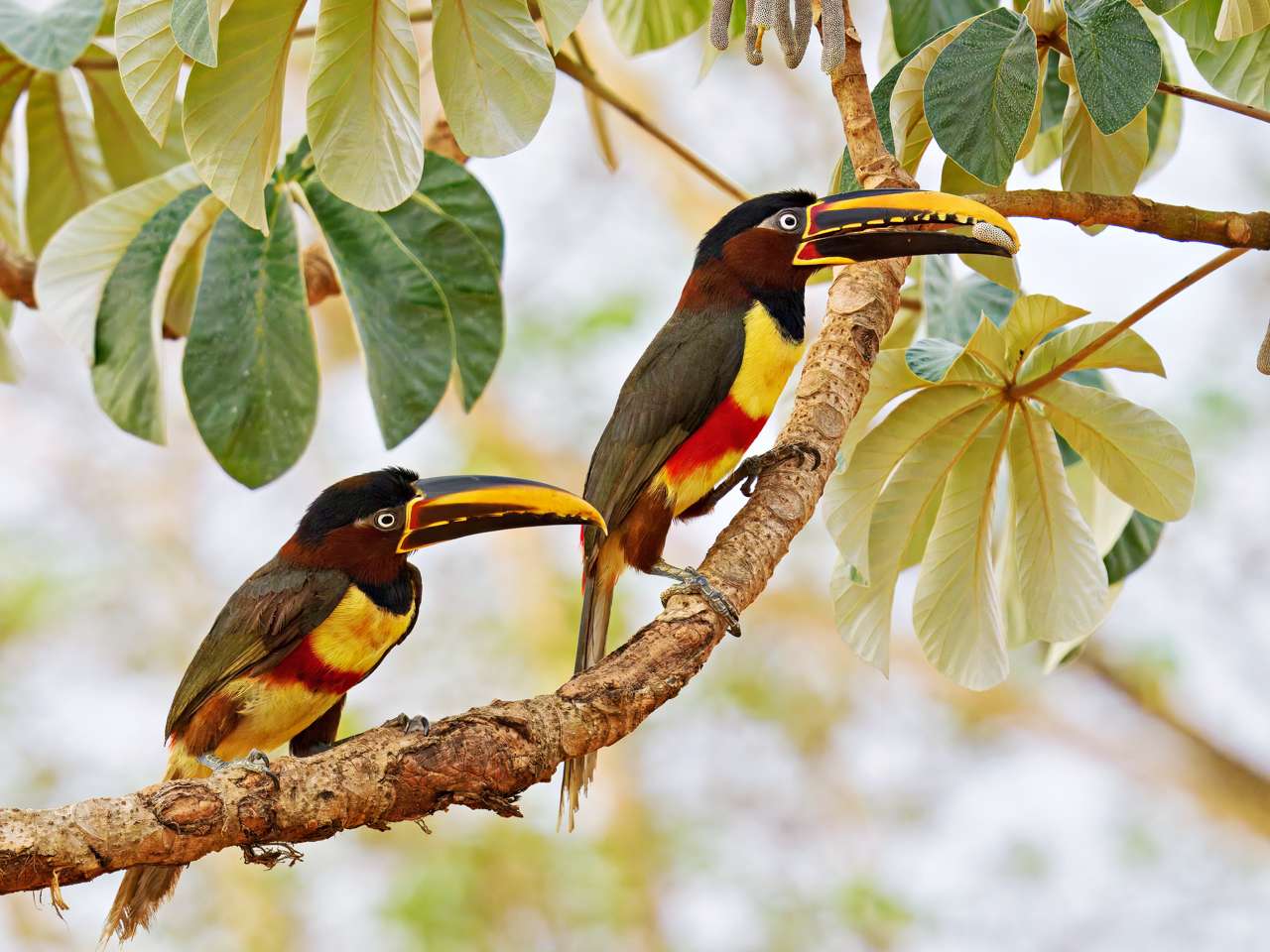
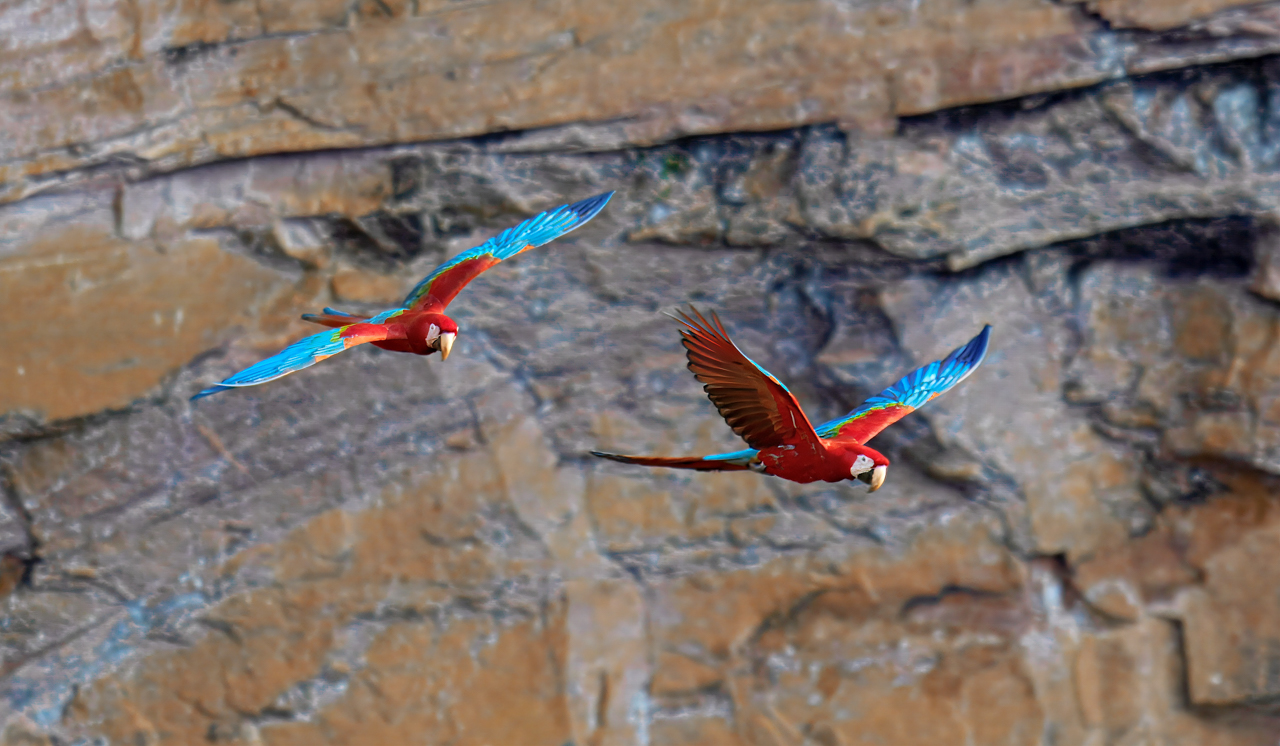
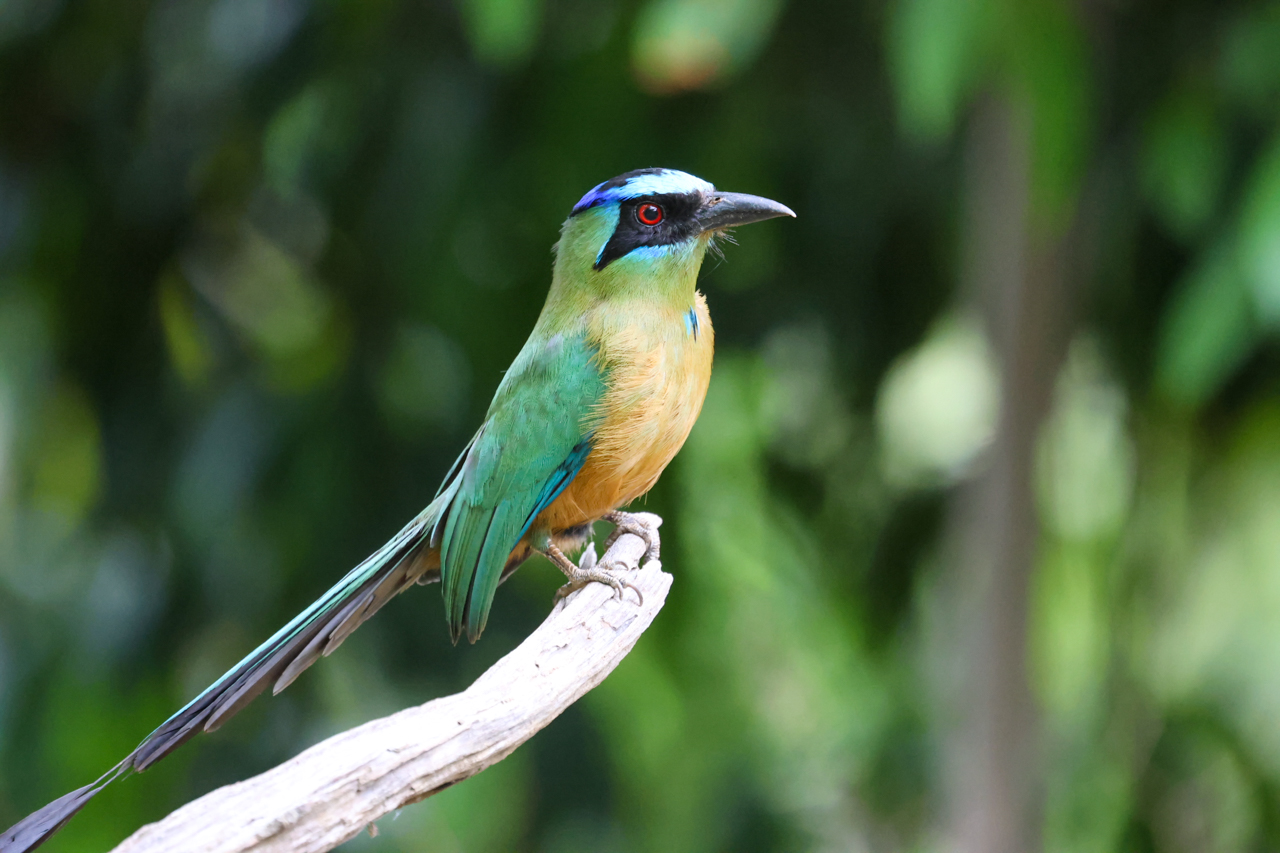
From September 26 to 29, the expedition moved into the southern Amazon at the Reserva Ecológica Cunhataí Porã. This region is characterized by high humidity and dense canopy cover, providing a habitat for species such as the Blue-and-yellow Macaw, various tanagers, and the Point-tailed Palmcreeper. The logistics involved river navigation on the Rio Claro and observation from elevated forest towers, which provided a unique vantage point to witness canopy-dwelling species like the Chestnut-eared Aracari and the Tiny Hawk.
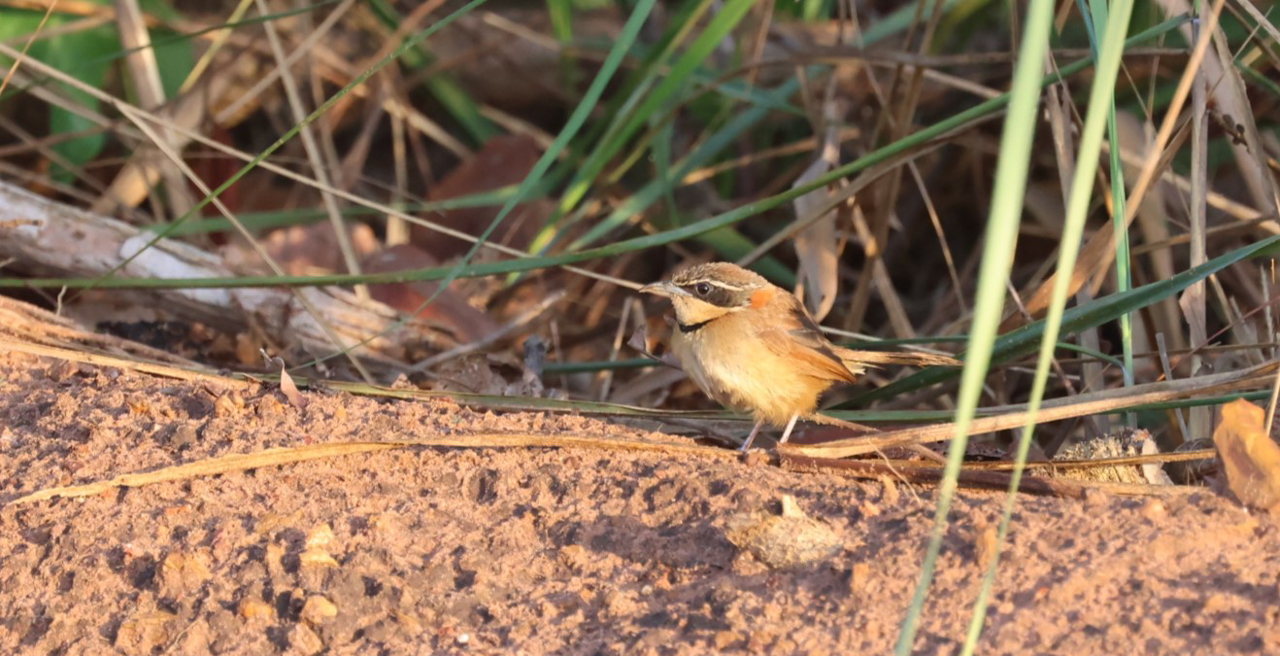
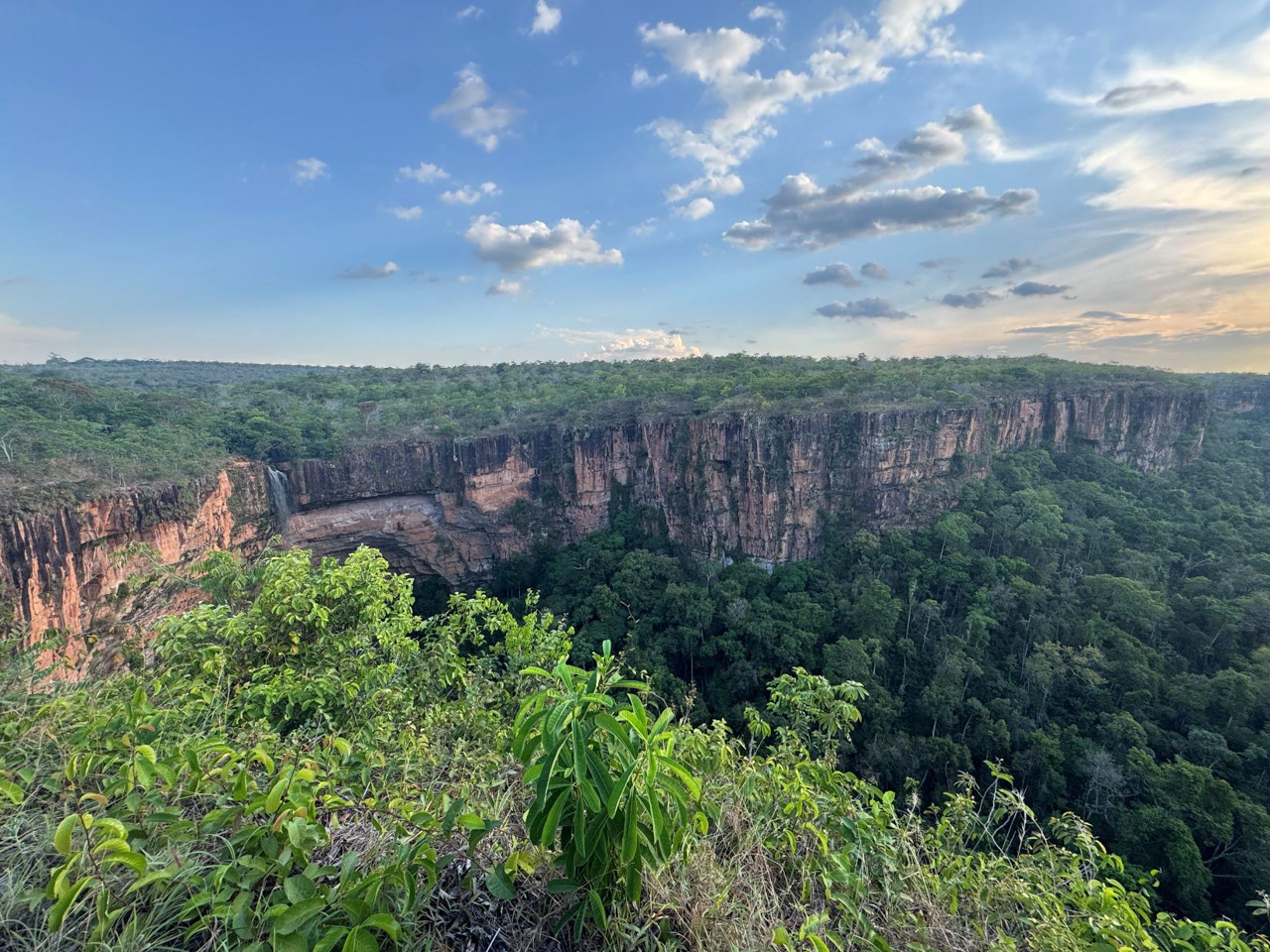
On September 30, the expedition shifted to the Chapada dos Guimarães. This plateau region, known as the cerrado, represents a savannah-like ecosystem that is distinct from the dense forest of the north. The group conducted systematic birding, recording species such as the Collared Crescentchest and the Red-crested Finch. The cultural integration of the tour included visits to local landmarks like the Bridal Veil Falls (Cachoeira Véu de Noiva) and engagement with local conservation efforts, including a presentation by the IMPACTO project.
The final leg, from October 3 to October 7, was dedicated to the Pantanal, the world’s largest tropical wetland. Utilizing the Transpantaneira highway as a primary artery, the group observed the dramatic seasonal reliance of wildlife on water bodies. Encounters included the Hyacinth Macaw, the Jabiru stork, and a significant sighting of Giant Otters and Jaguars along the Rio São Lourenço. The trip concluded in Cuiabá on October 7 with a formal review of the recorded species list and a reflection on the environmental stewardship necessary to maintain these corridors.
Ecological Context and Biodiversity Significance
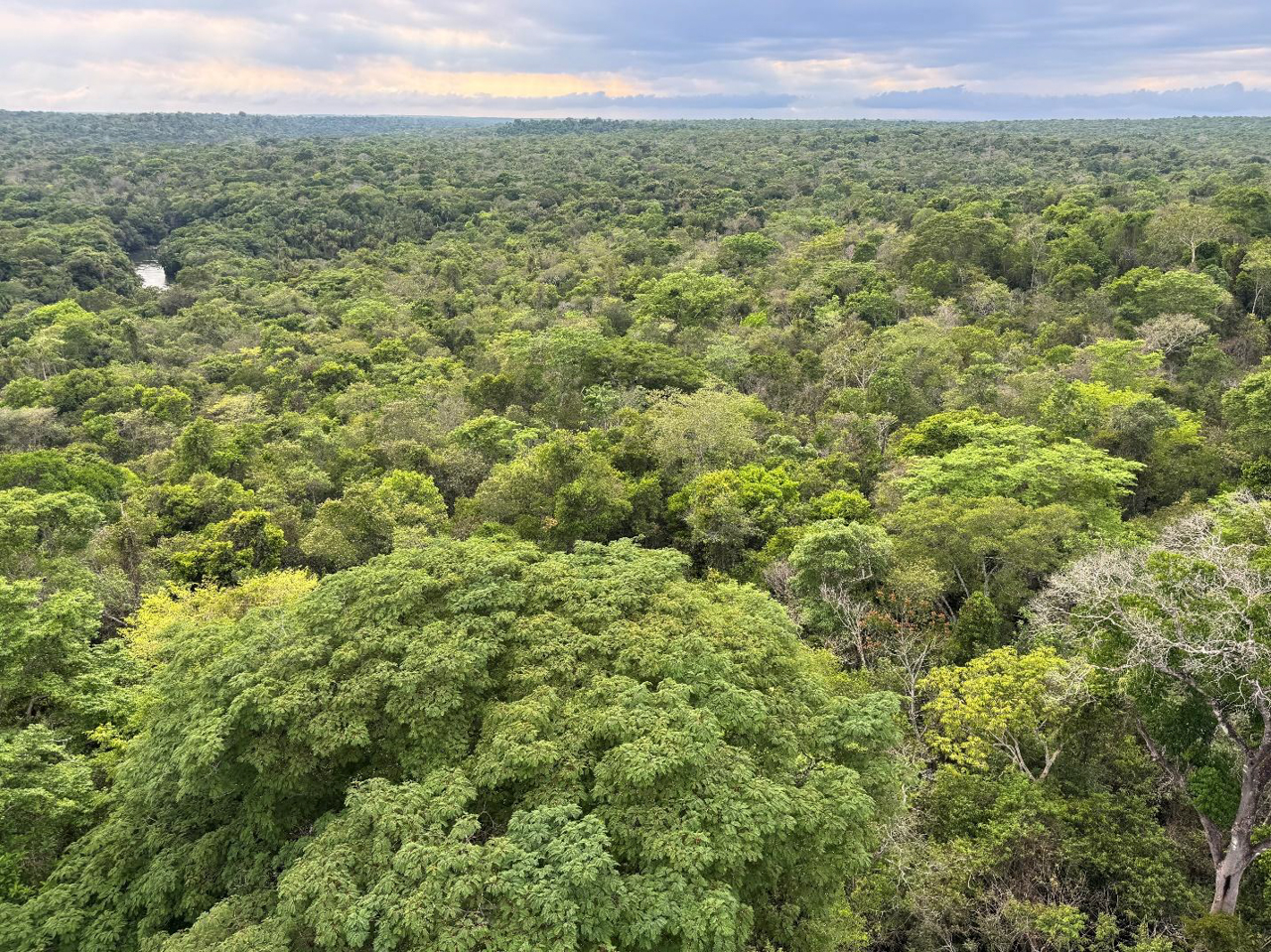
The three biomes explored are part of a complex, interconnected ecological network. The Amazon serves as a global carbon sink, while the cerrado acts as a critical watershed for the continent, feeding the rivers that eventually flow into the Pantanal. The Pantanal itself is a seasonal floodplain that undergoes extreme hydrological fluctuations. These shifts dictate the behavior and distribution of local wildlife, as evidenced by the high concentration of Yacare Caiman in shrinking seasonal ponds during the dry season.
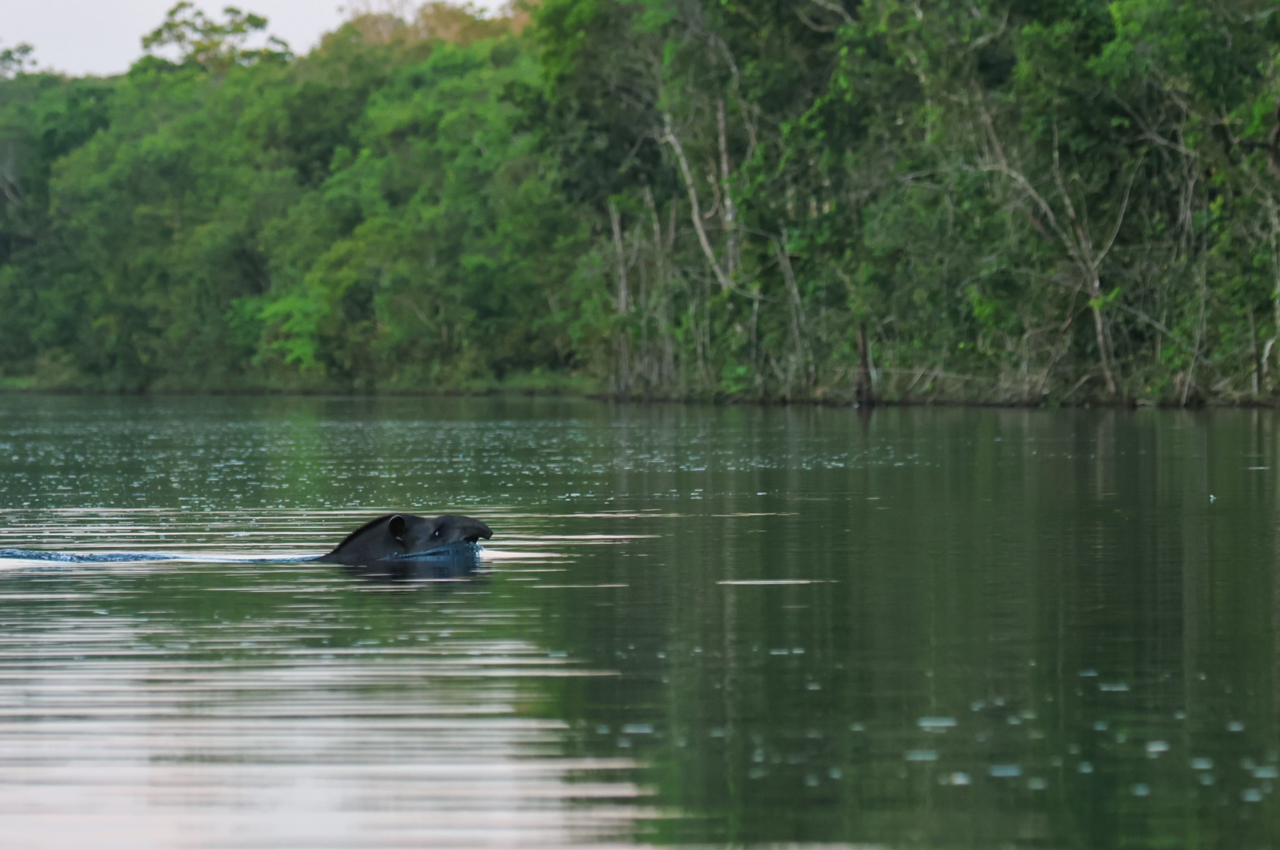
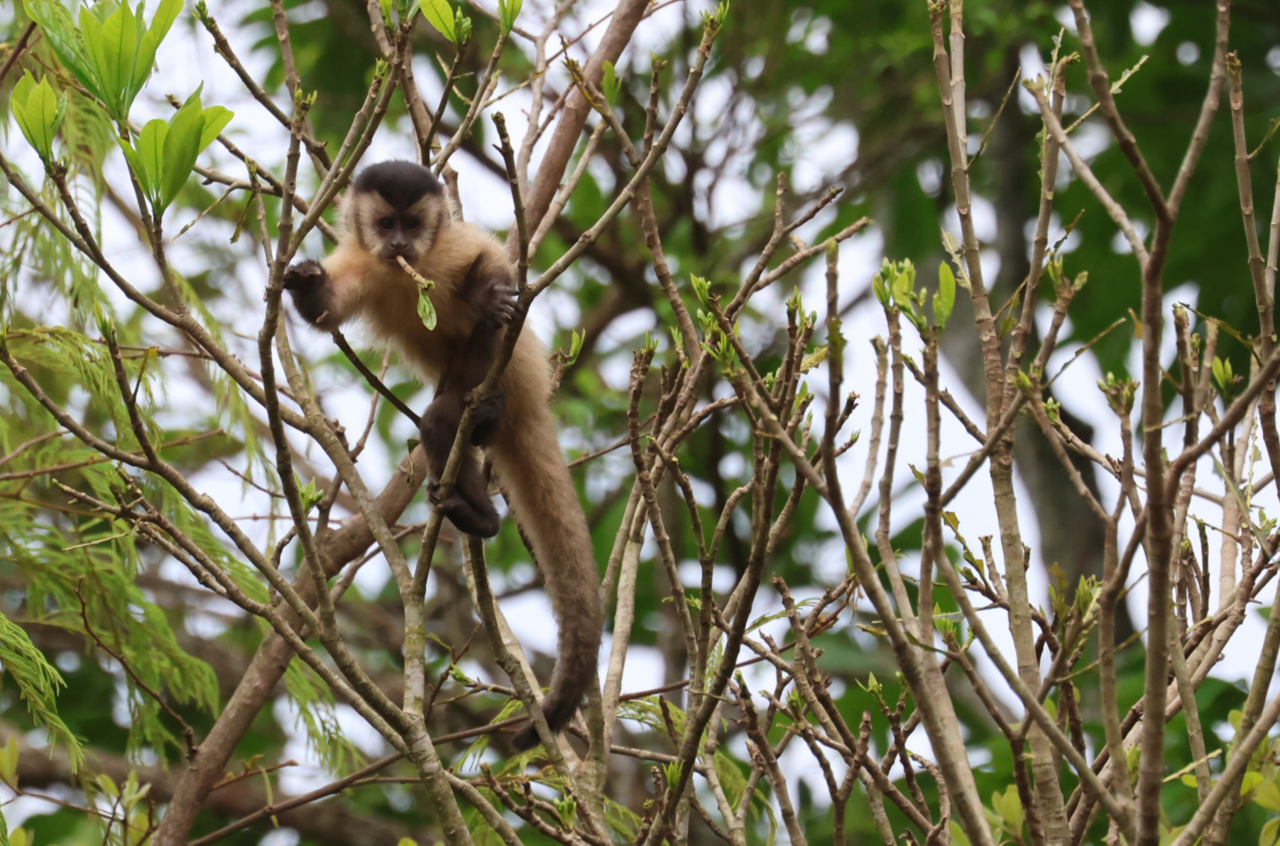
The expedition team documented a significant range of species. Beyond the avian highlights, the mammalian records included the Black-tailed Marmoset, the Black-and-gold Howler Monkey, and the Giant Anteater. The presence of these species in areas managed by ecotourism initiatives suggests that sustainable land-use models are successfully creating buffer zones between human infrastructure and core wilderness areas.
Conservation and Mitigation Efforts
A central component of the tour was the engagement with the IMPACTO project (Institute of Mitigation of Environmental Problems with Traditional Communities and Jaguars). The intersection of human agriculture and apex predator territory remains a primary conservation concern in the Pantanal. Jaguars, which occupy the top of the trophic pyramid, are frequently perceived as a threat to livestock, leading to retaliatory killings.
The IMPACTO project’s research highlights that simple, low-cost technological interventions, such as the installation of electric fencing for livestock at night, significantly reduce depredation events. By fostering cooperation between local cattle ranchers and conservationists, the project seeks to move beyond the binary choice of predator versus livelihood, promoting a model where the presence of the jaguar becomes an economic asset through ecotourism rather than a liability to be eliminated.
Broader Impact and Implications
The success of this expedition provides qualitative data regarding the efficacy of birding and wildlife tourism in supporting local economies. By generating revenue for local lodges, transport operators, and community-led conservation projects, such tours provide the financial incentive required to keep large tracts of land protected from deforestation or conversion to monoculture agriculture.
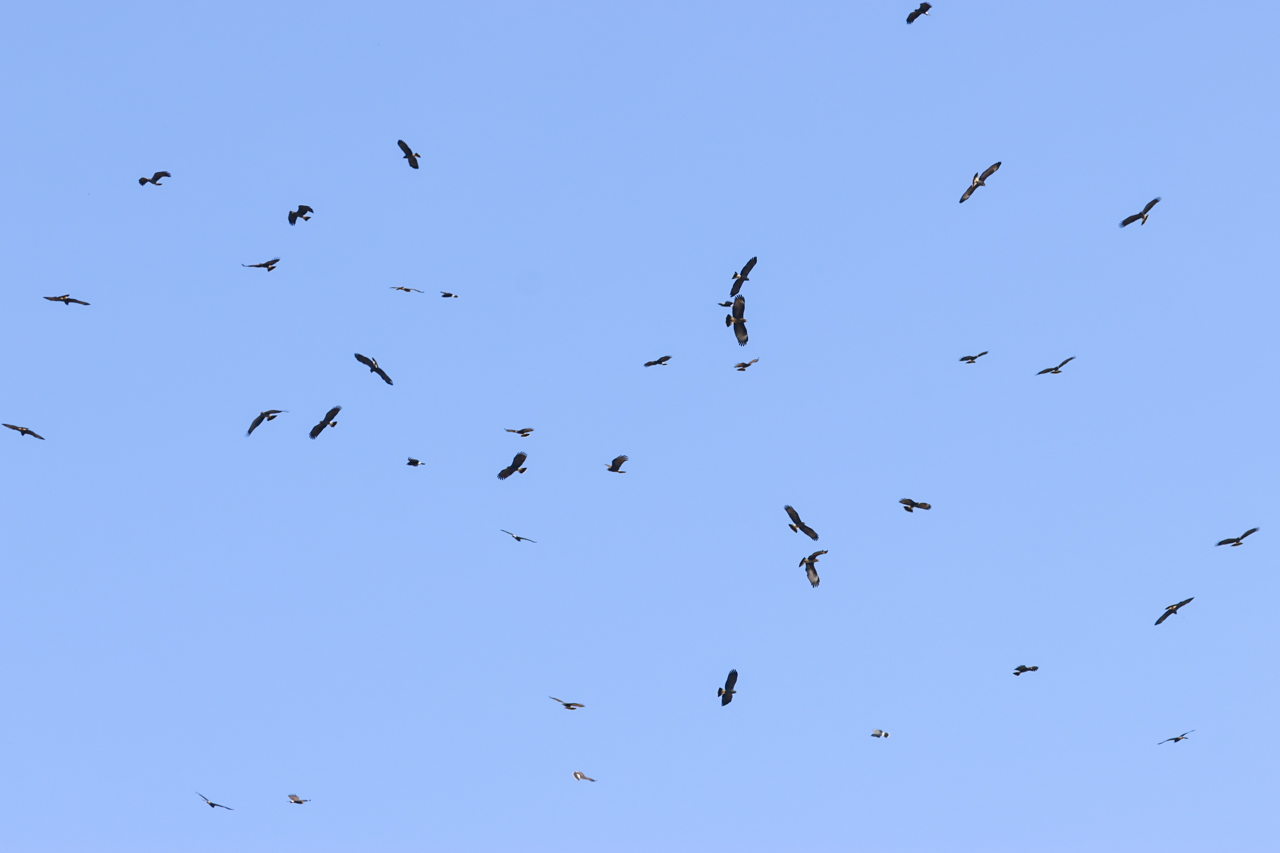
Furthermore, the observations made during this trip—such as the massive migration of over 1,000 Snail Kites—serve as a reminder of the fragility of these systems. Environmental changes, including climate-driven variations in rainfall and upstream damming, have the potential to disrupt these migration patterns and breeding cycles. The professional assessment of such ecological tours helps in documenting biodiversity trends, which can be shared with regional authorities to inform land-management policies.
Final Observations
As the group concluded their itinerary in Cuiabá, the consensus among participants and guides was that the health of these three ecosystems remains tied to the connectivity between them. The protection of the Amazon, the maintenance of the cerrado’s water-table integrity, and the preservation of the Pantanal’s flood cycles are not isolated tasks but a singular, continental challenge.
The use of modern observational technology, such as specialized boat trips and elevated canopy towers, has allowed researchers and enthusiasts alike to gain a more nuanced understanding of animal behavior in these remote regions. The presence of a mother Giant Anteater with her offspring, and the multiple sightings of Jaguars, serve as indicators that these areas still support viable populations of large mammals. However, the ongoing work of organizations like IMPACTO remains essential to ensure that these populations do not succumb to the encroaching pressures of human expansion.
In summary, the expedition through Mato Grosso was more than a wildlife tour; it was a testament to the ongoing struggle for ecological balance in one of the most biodiverse regions on Earth. The documented success in observing apex predators and rare bird species serves as a hopeful metric for the future of conservation in Brazil, provided that local community support and scientific intervention continue to work in tandem. The participants’ final discussions, held over traditional Brazilian hospitality, emphasized the responsibility of global citizens to support the ecotourism models that ensure the survival of these irreplaceable habitats for generations to come.
