
The recent expedition across Costa Rica’s diverse avian landscape served as a testament to the nation’s unparalleled biodiversity and its successful models of conservation-based tourism. Over the course of twelve days, a team of researchers and birding enthusiasts traversed a range of ecosystems—from the high-altitude Talamanca cloud forests to the tropical lowlands of the Caribbean coast—to document, observe, and support the preservation of neotropical species.
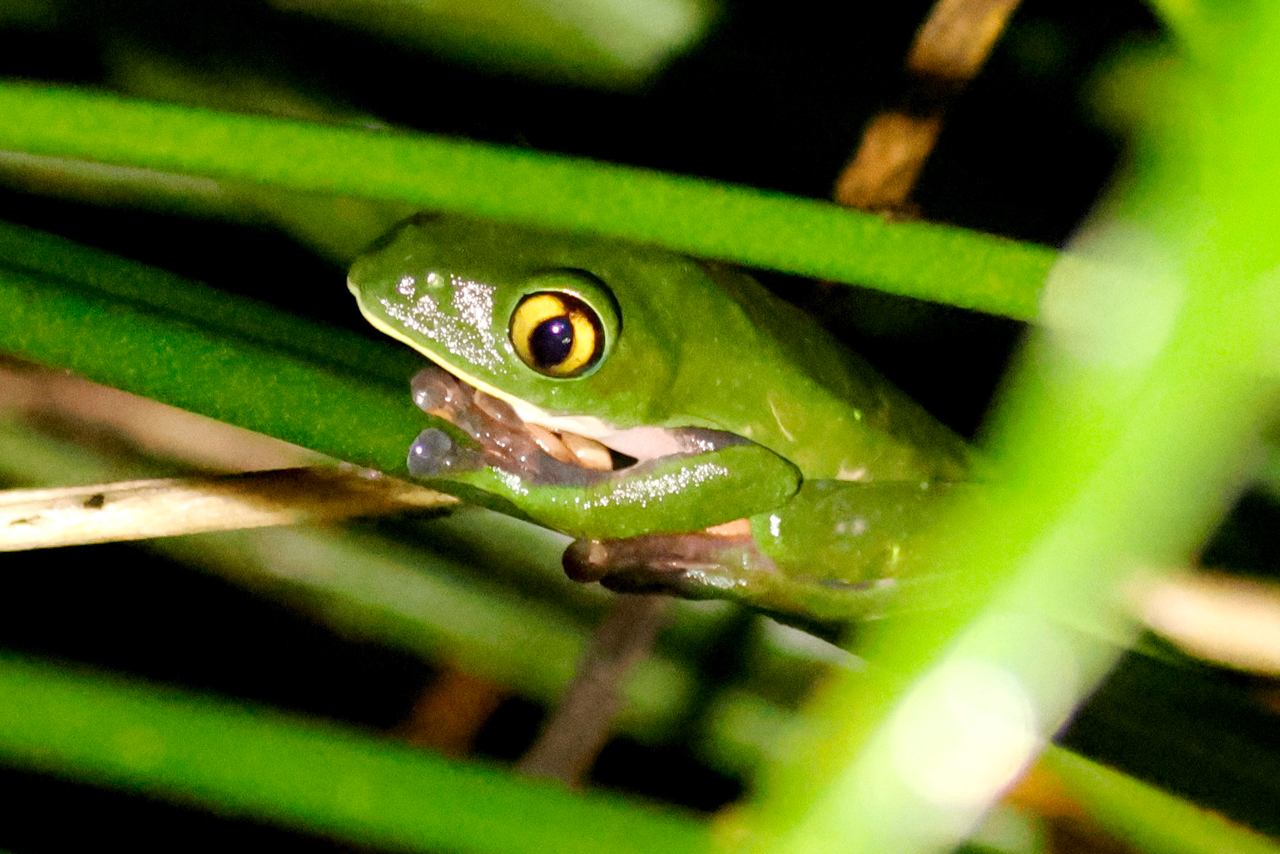
The journey began in the western Central Valley at Hotel Bougainvillea, a location that offers more than just comfortable accommodations. The property’s extensive gardens serve as a critical micro-habitat for amphibians and birds alike. Following a localized afternoon rain shower—a common meteorological event in the Central Valley that facilitates increased activity among herpetofauna—the team documented the presence of the endemic Golden-eyed Leaf-Frog. This species remains a significant indicator of environmental health in the region, and its presence within a managed garden setting underscores the importance of maintaining green corridors in urban-adjacent areas.
The Talamanca Highlands and the Quetzal Conservation Model
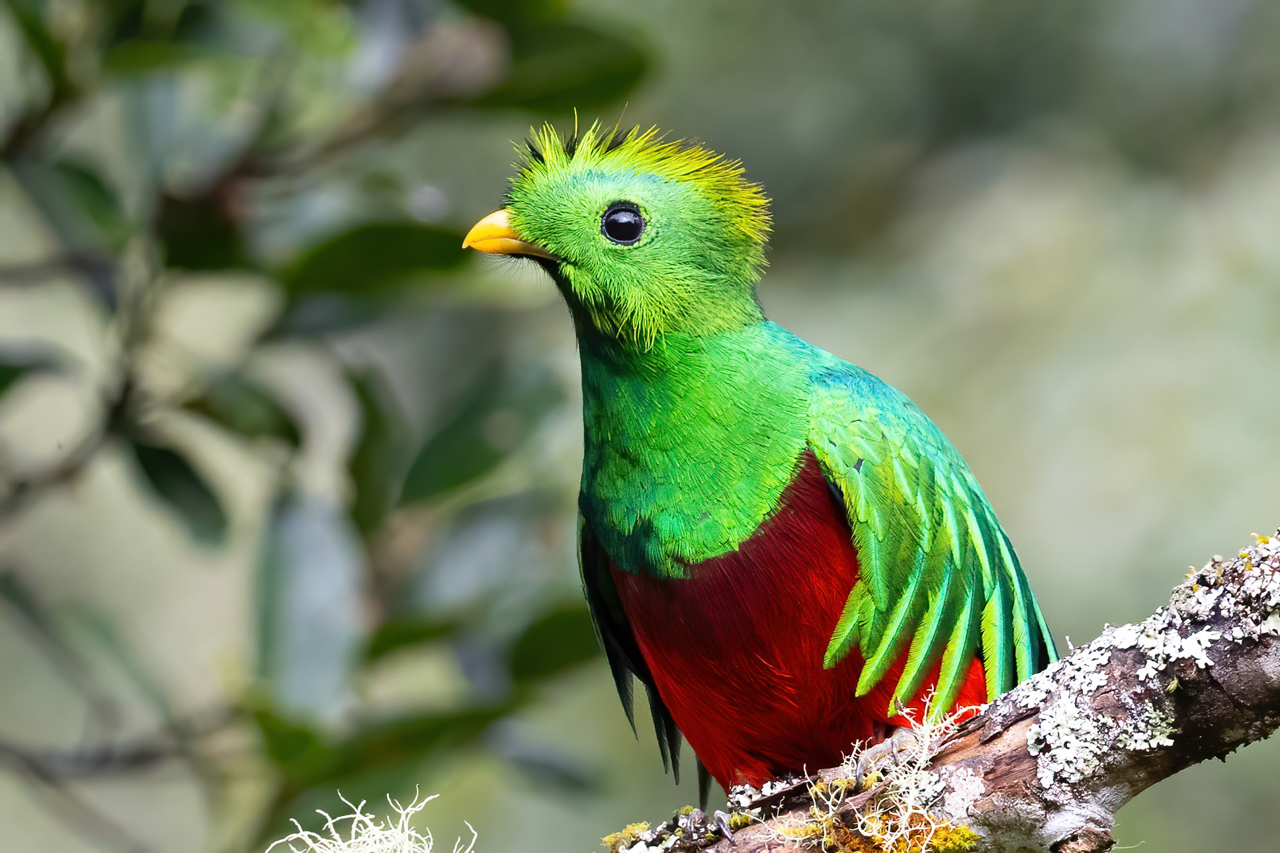
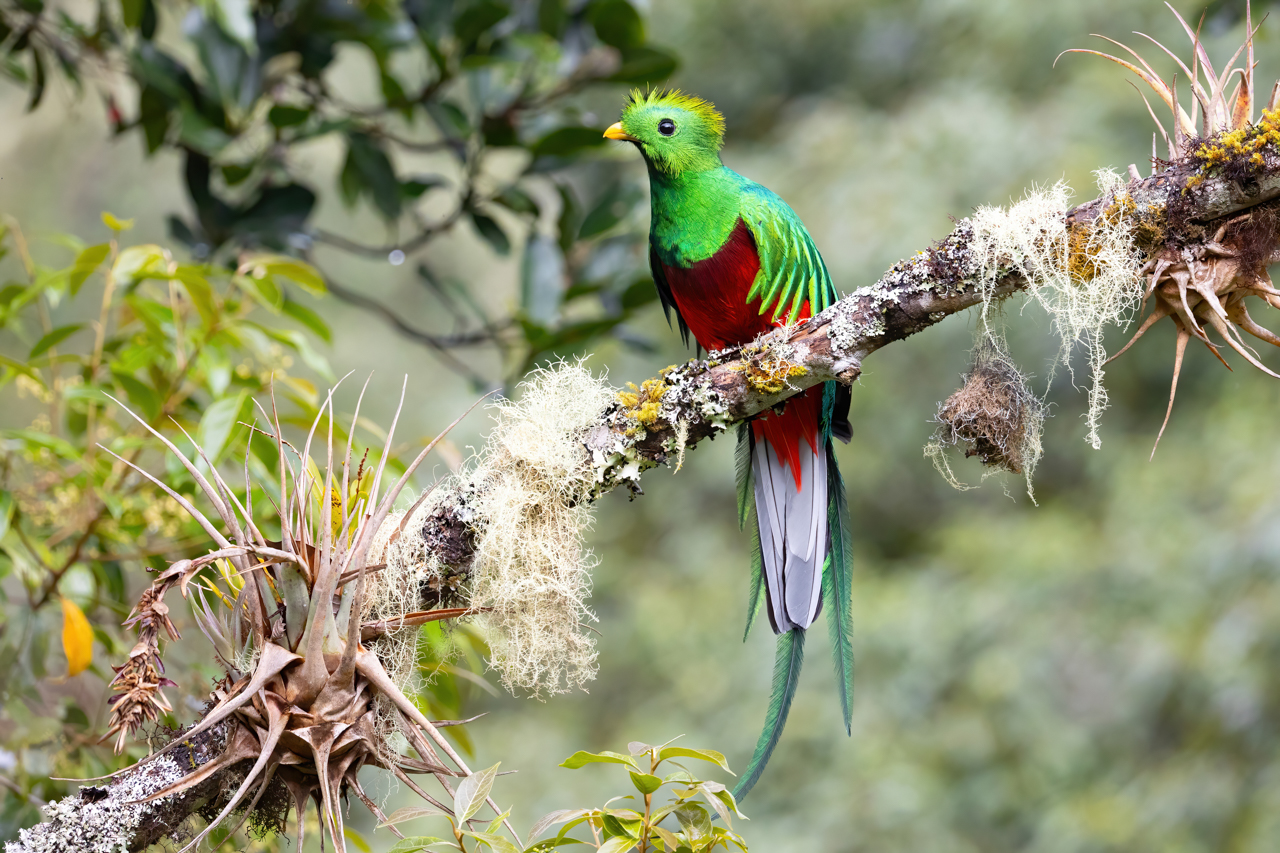
On the second day, the expedition transitioned to the Talamanca Highlands, a rugged mountain range reaching elevations of up to 3,400 meters. This region is geographically isolated, leading to high levels of endemism. The primary objective for this leg of the journey was the observation of the Resplendent Quetzal, a species that has become a flagship for regional conservation efforts.
At an elevation of approximately 2,500 meters, the expedition met with Jorge Serrano, a local conservationist who has spearheaded a community-led initiative to protect critical nesting and feeding grounds for the Quetzal. The initiative operates on a cooperative model where local landowners designate portions of their farms as protected habitat. By charging modest entrance fees for birdwatchers and photographers, these families generate a sustainable income stream that is directly tied to the preservation of the forest.
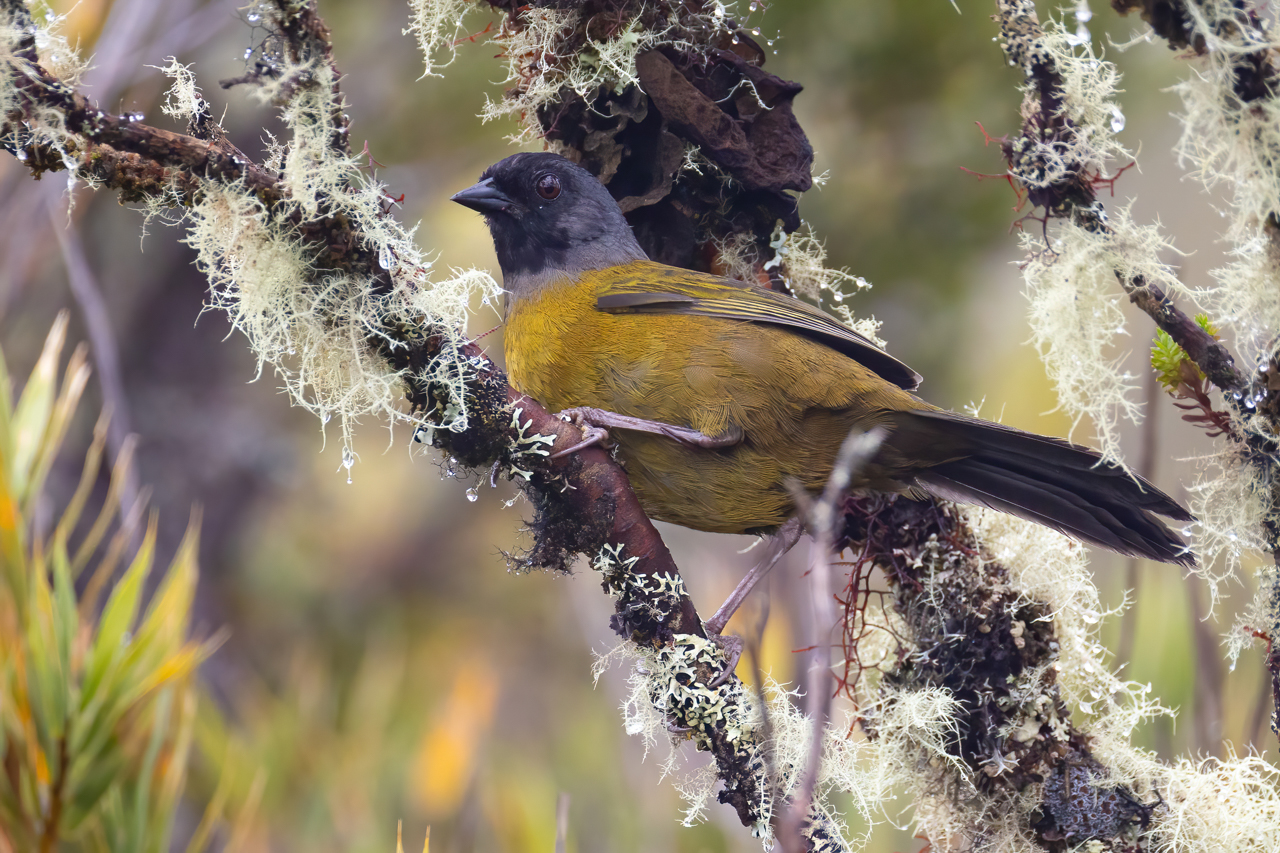
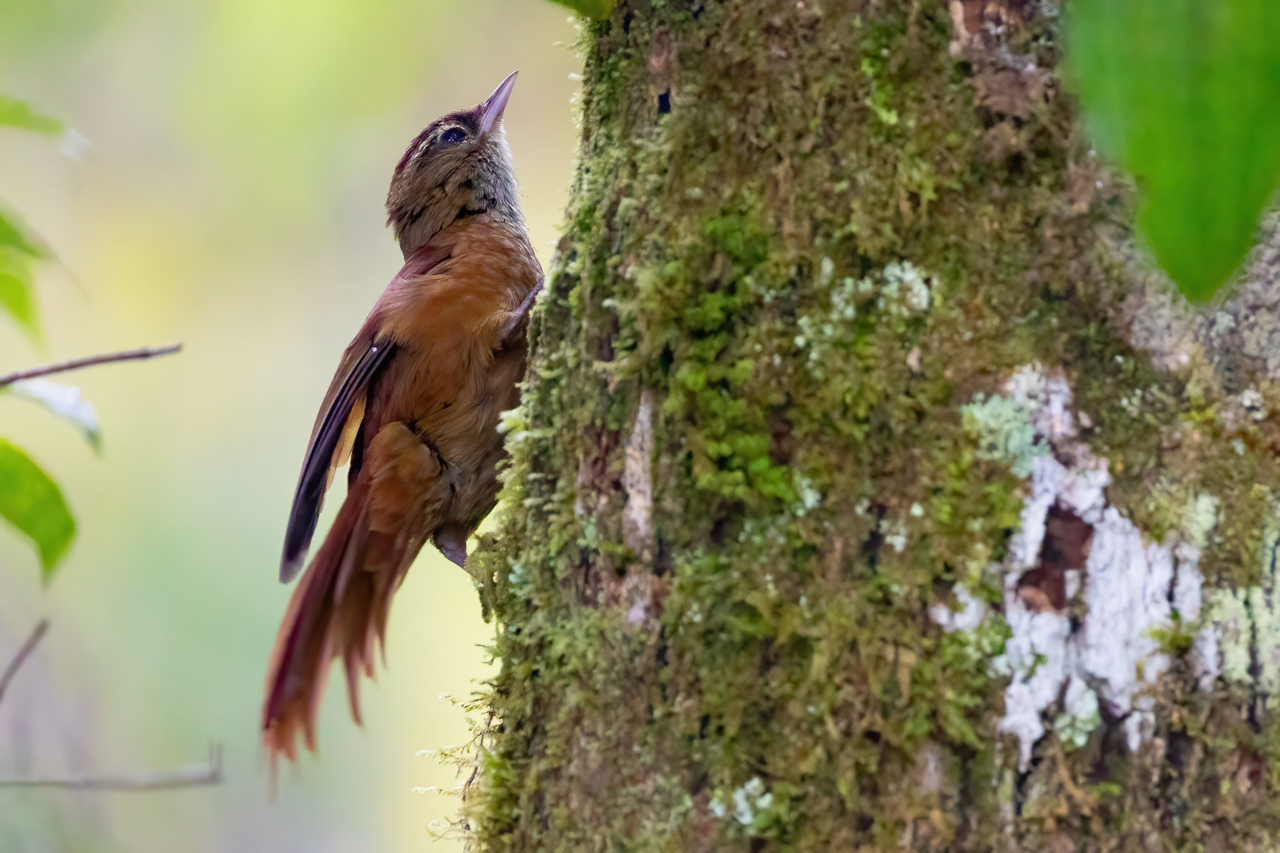
During the visit to the property of a local participant, William, the team observed four distinct individuals feeding on wild avocados. This high success rate of sightings highlights the effectiveness of the local conservation network in creating viable corridors for the species. Beyond the Quetzal, the team recorded a wealth of highland specialties, including the Large-footed Finch, the Ruddy Treerunner, and the Black-and-yellow Silky-Flycatcher. The hummingbird diversity was equally notable, with records of the Talamanca, Scintillant, and Volcano hummingbirds, among others.
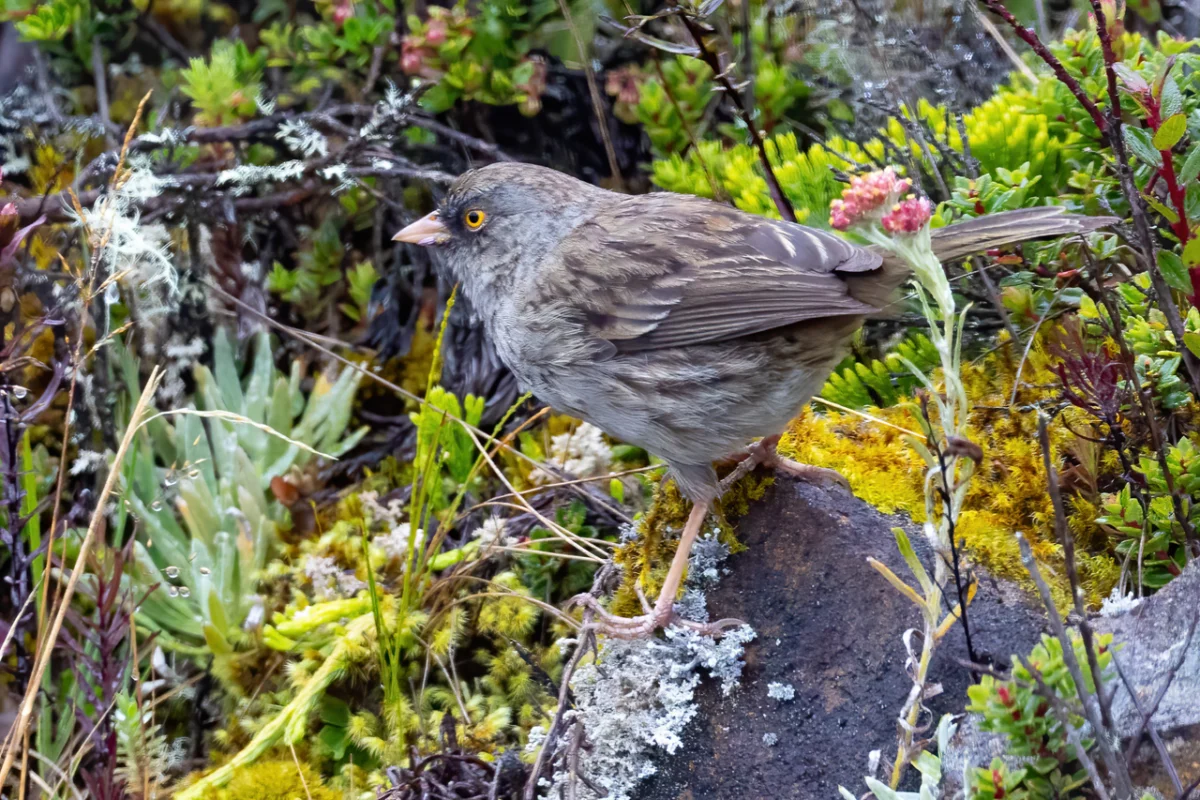
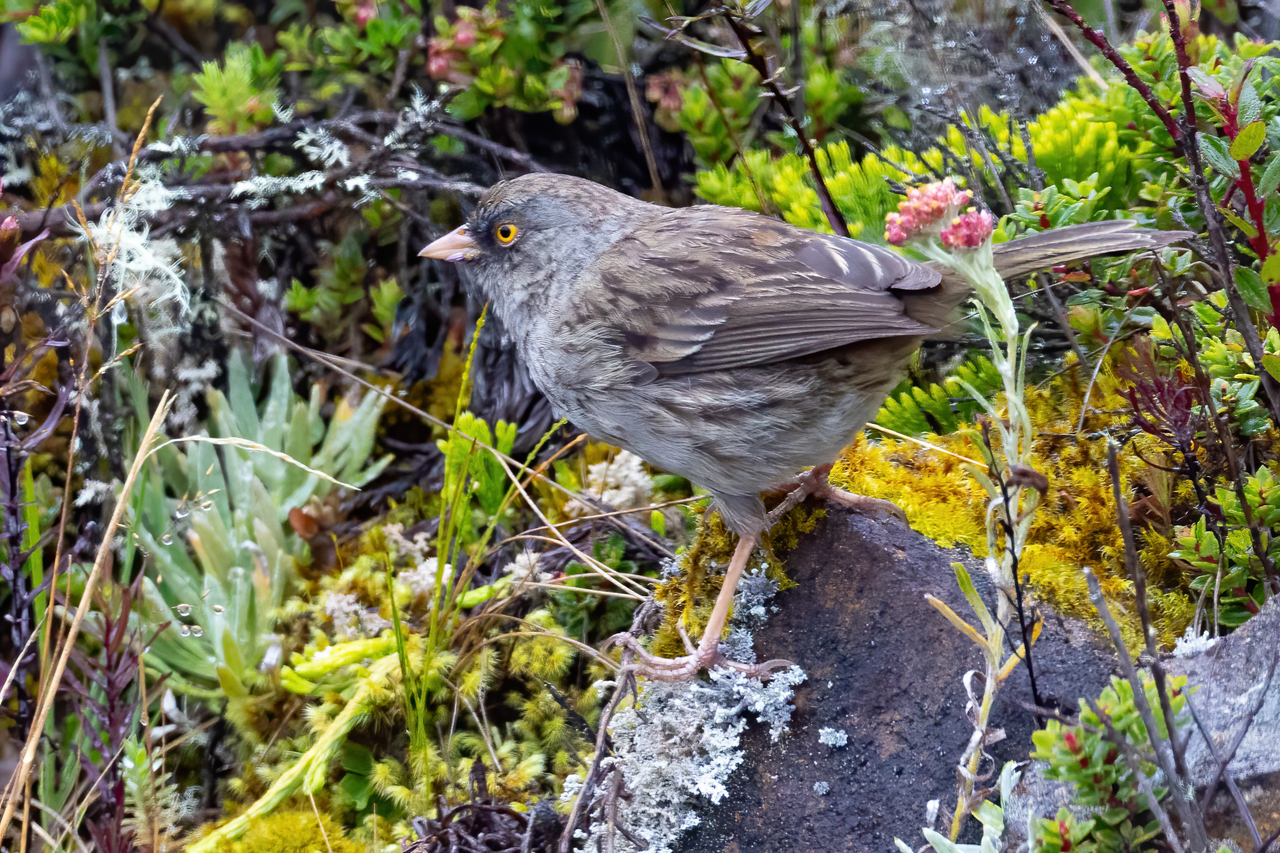
The ascent to the summit of Cerro de la Muerte, at 3,400 meters, yielded further success with the sighting of the Volcano Junco, a species well-adapted to the harsh, high-altitude conditions of the paramo ecosystem. By late afternoon, the expedition reached Hotel Quelitales, where the presence of a resident pair of Sunbitterns provided a unique opportunity to study the behavior of this fascinating species in a riparian environment.
Foothills and Biodiversity at El Copal Reserve
The third day marked a shift toward the foothills of the Talamanca range, specifically targeting the El Copal Reserve. This area is recognized as one of the most biodiverse zones in the country, acting as a transition point between high-elevation cloud forest and lowland rainforest.
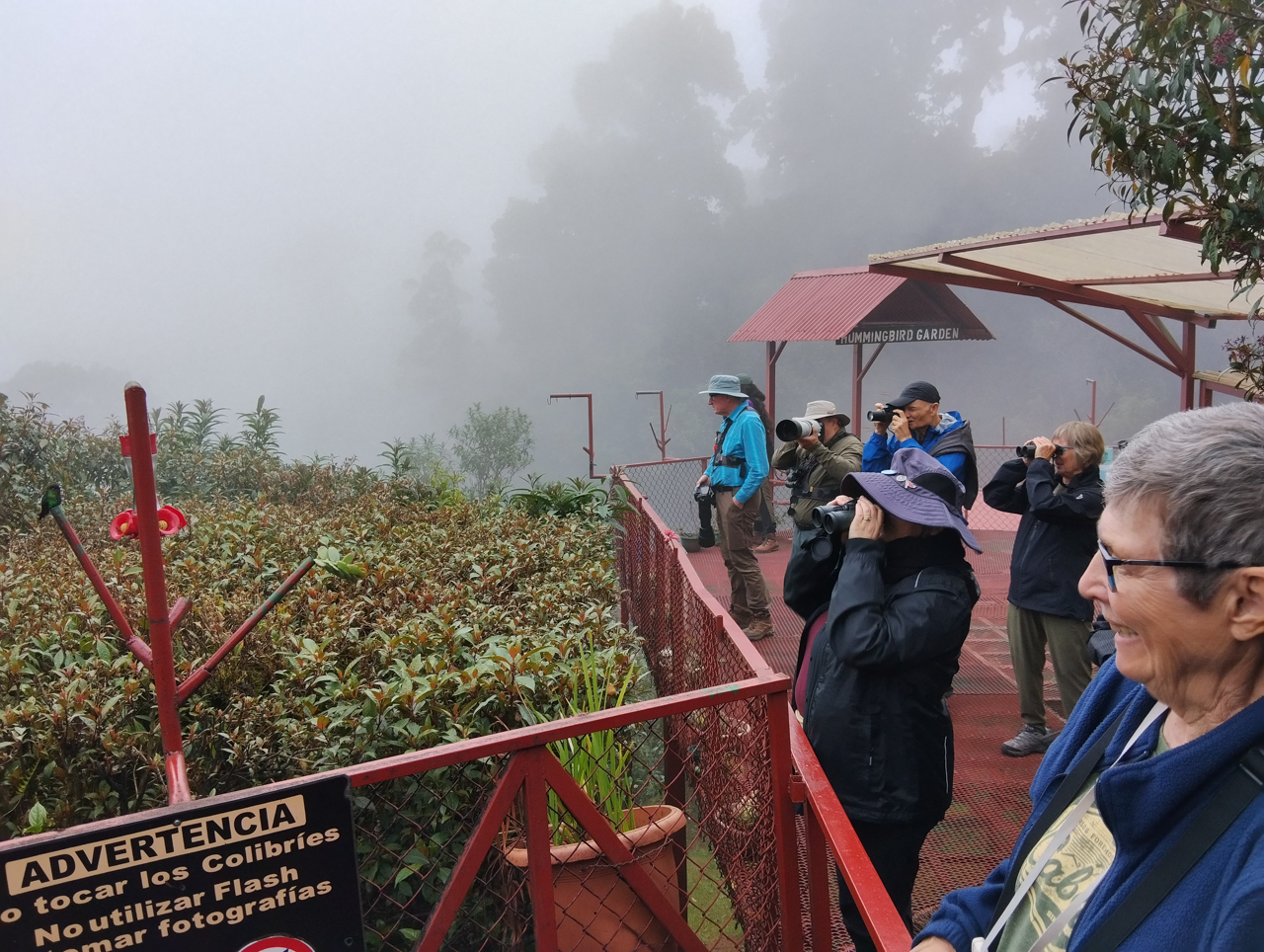
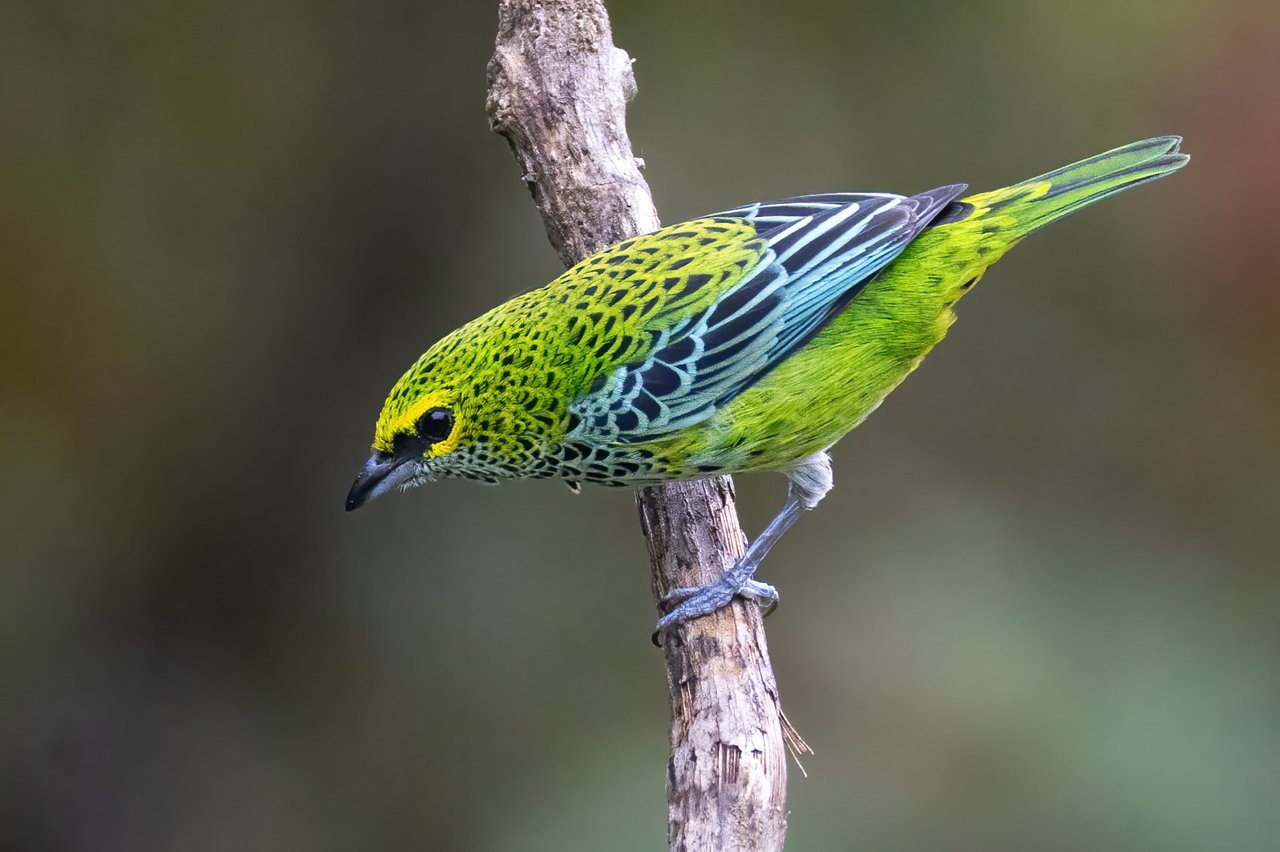
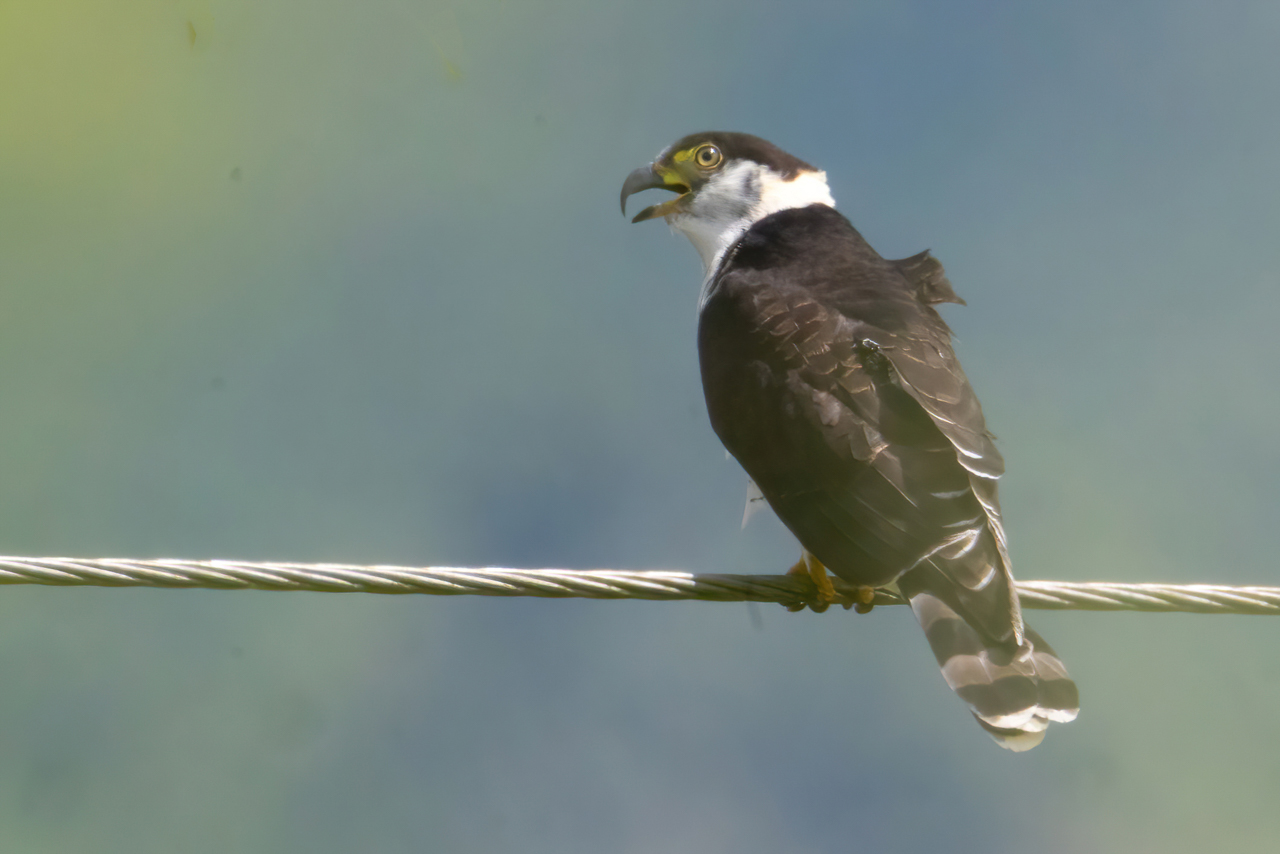
The birding activity at El Copal was intense, characterized by large mixed-species flocks. A significant highlight was the sighting of the Snowcap, a small, highly sought-after hummingbird species. The balcony at the reserve served as an ideal observation point, allowing the team to document a steady parade of tanagers, including the Speckled, Silver-throated, Bay-headed, and Emerald tanagers. Furthermore, the presence of apex predators, such as the Laughing Falcon and the Gray-headed Kite, provided insights into the predator-prey dynamics within the forest canopy.

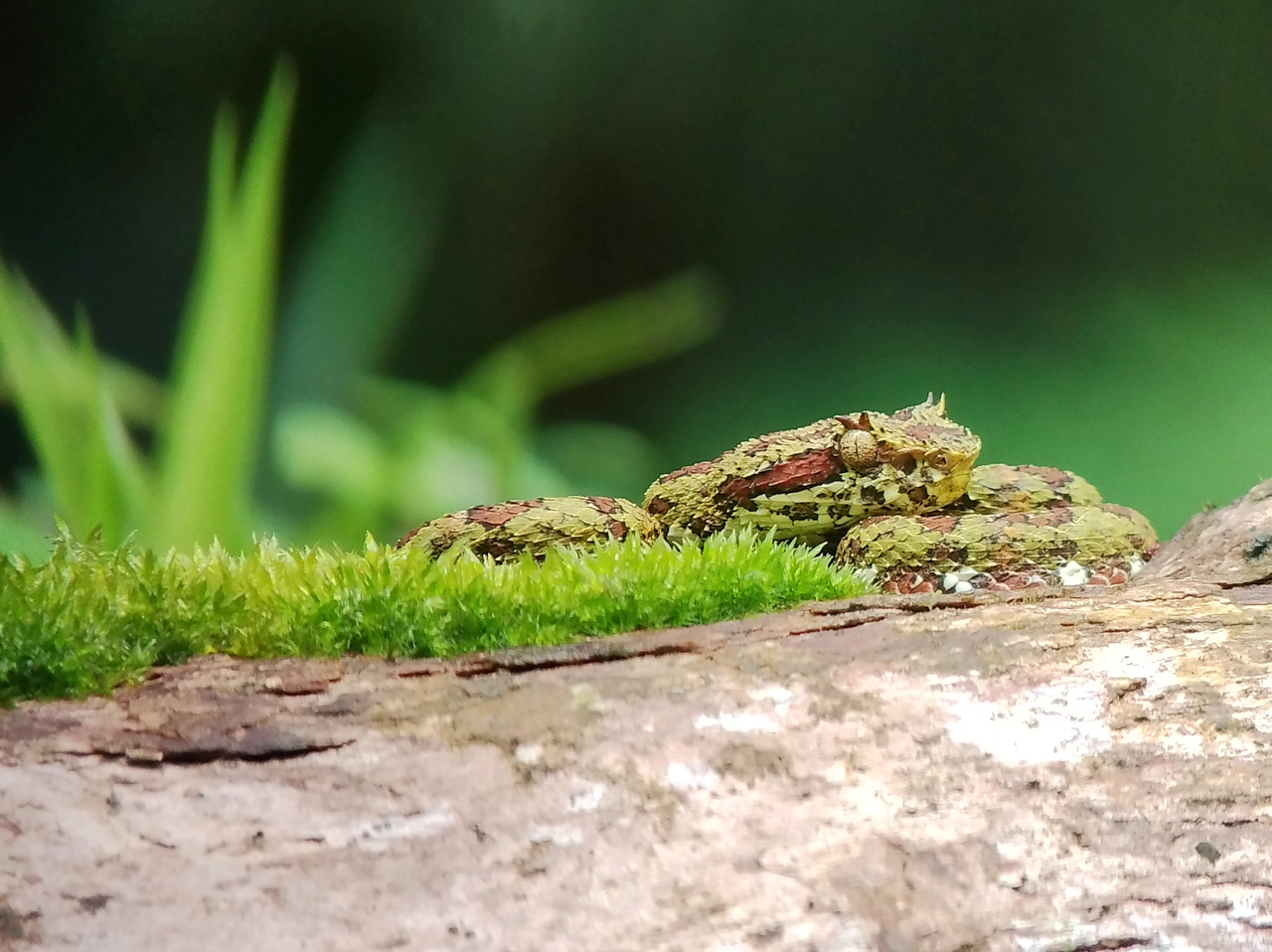
The ecological significance of the reserve was underscored by the incidental observation of non-avian fauna, including a Central American Eyelash Pitviper and a rare sighting of a Jaguarundi hunting an Agouti. These observations reiterate the necessity of preserving large, contiguous tracts of land to support healthy populations of both birds and mammals.

Migration Dynamics and the Caribbean Corridor
From the fourth through the seventh day, the expedition focused on the south Caribbean region, specifically the corridor between the Talamanca mountains and the Caribbean Sea. This narrow geographical bottleneck is a globally significant flyway for migrating raptors.
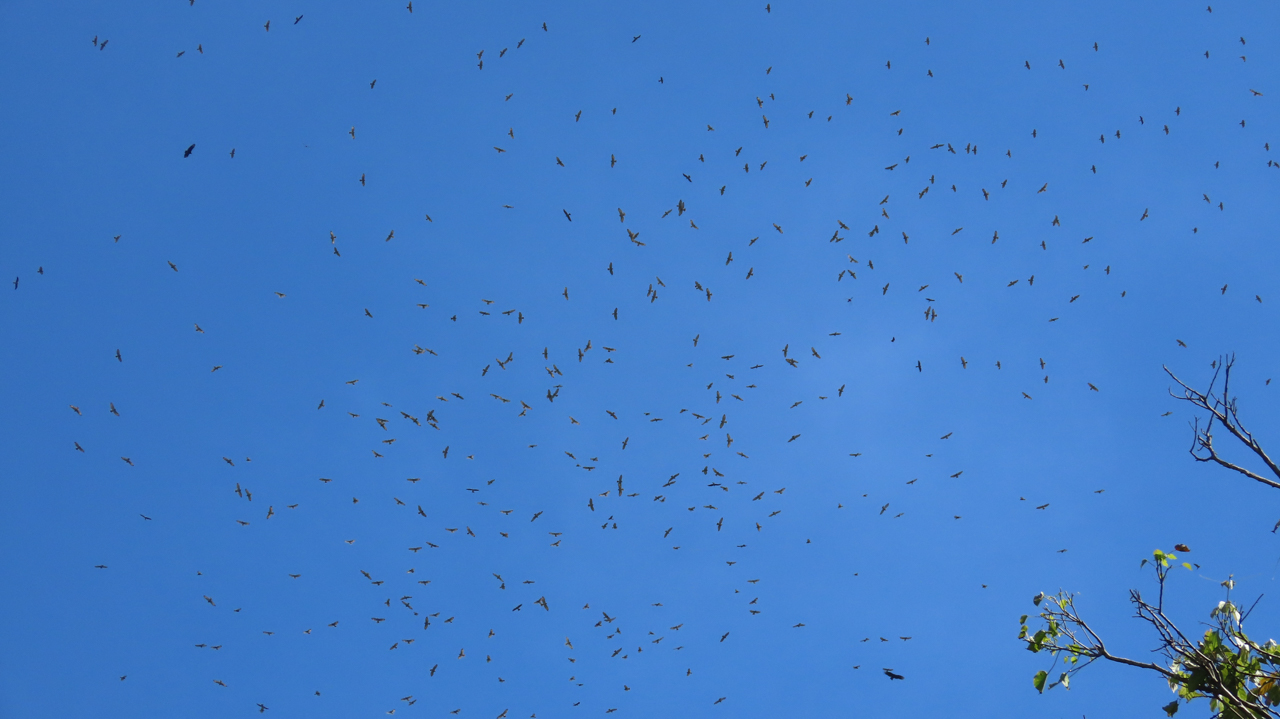
Meteorological conditions played a vital role in the success of this phase. On a clear, warm day, the team witnessed a massive raptor migration event. In less than sixty minutes, it was estimated that approximately 20,000 raptors passed overhead, primarily composed of Broad-winged Hawks, Mississippi Kites, and Turkey Vultures.
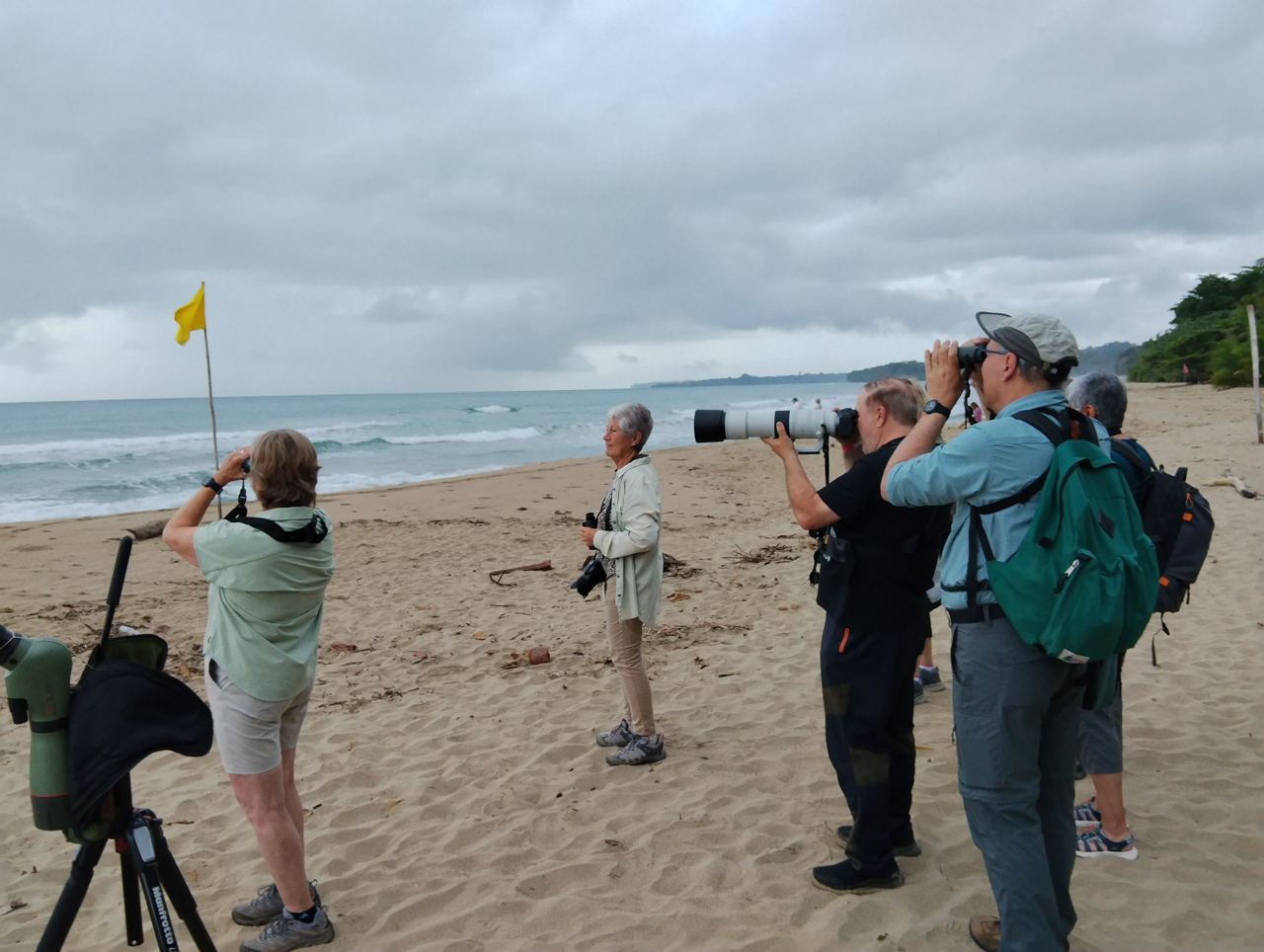
This migration data is crucial for understanding the connectivity between North American breeding grounds and South American wintering sites. The expedition also engaged in citizen science by observing banded Royal Terns along the shore. By reporting these bands to the North American Bird Banding Lab, the team confirmed that these individuals had been banded as chicks in Virginia during the 2023 and 2024 nesting seasons. This cross-continental tracking highlights the critical importance of international cooperation in wildlife management.
Lowland Rainforest and the Importance of Habitat Preservation
The latter half of the expedition focused on the Sarapiquí region, the heart of the northern Caribbean lowlands. Visiting the La Selva Biological Station provided a look into one of the most studied tropical rainforests in the world.
The team observed an impressive array of species, including the Great Green Macaw and various Amazon parrots. The presence of the Snowy Cotinga, observed in the canopy, was a highlight of the lowland leg. Furthermore, the team documented several mammalian species, including the Hoffmann’s Two-toed Sloth and the Brown-throated Three-toed Sloth.
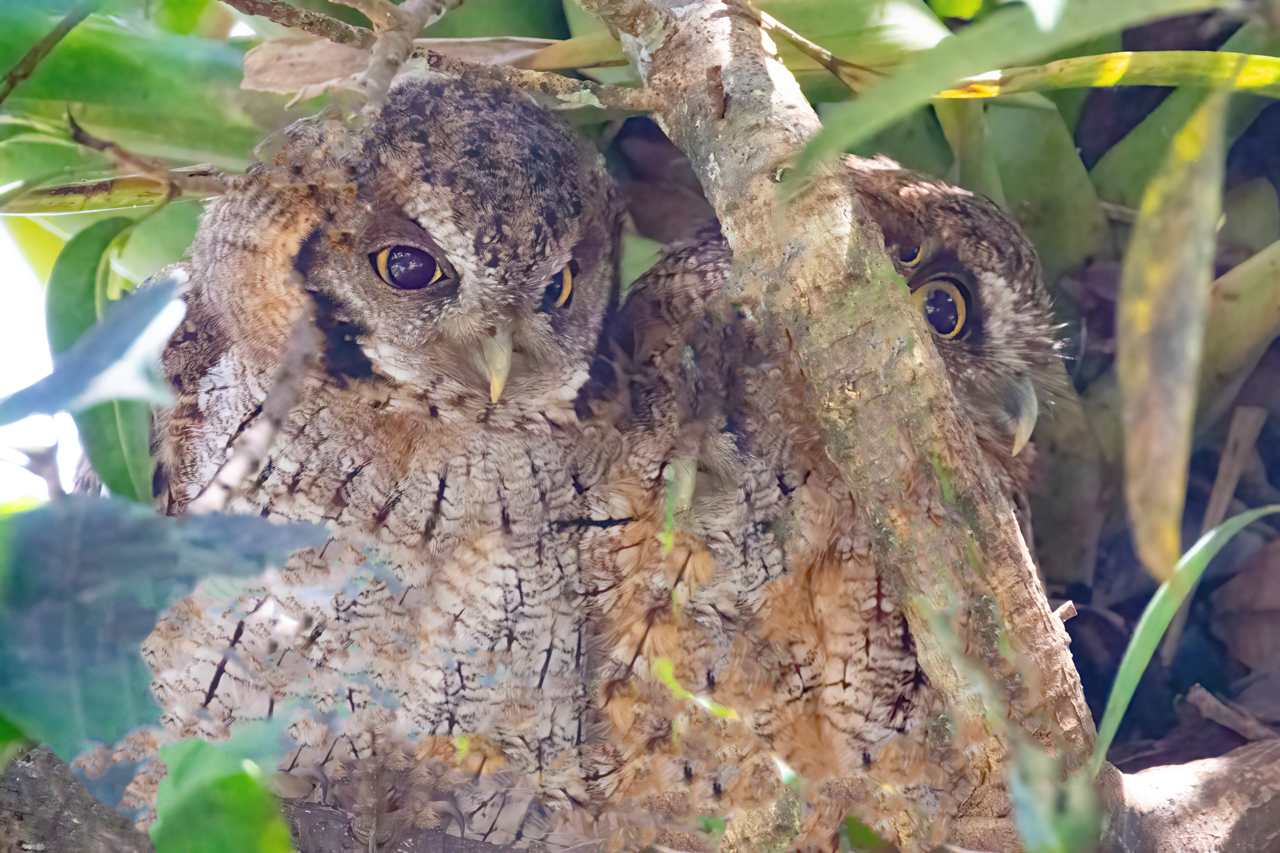
The use of "human-influenced" habitats, such as shade-grown coffee farms like Finca Cristina, proved to be an unexpected boon for bird diversity. Such farms often serve as buffer zones, providing essential resources for species that might otherwise be pushed out of fragmented landscapes. The documentation of the Nicaraguan Seed-Finch in these areas suggests that agricultural land management, when conducted sustainably, can play a significant role in avian conservation.
The Arenal Observatory and Long-term Ecological Monitoring
The final days were spent at the Arenal Observatory Lodge. The visibility of the Arenal Volcano provided a rare, clear backdrop for the observation of forest-dwelling species. The lodge’s efforts to maintain forest integrity have created a sanctuary for species such as the rare Yellow-eared Toucanet.
Night walks in this region revealed the high levels of nocturnal activity that are often missed in broader ecological surveys. Observations included the Red-eyed Leaf-Frog and the "Halloween Snake," providing a comprehensive view of the ecosystem’s nocturnal biodiversity.

The journey concluded at the home of the Arias brothers, whose private land, once again, demonstrated the power of individual conservation efforts. By providing feeding stations and maintaining native vegetation, they have turned their property into a hotspot for species like the Long-tailed Manakin and the Coppery-headed Emerald.

Implications and Conclusion
The expedition served as a clear illustration of the multi-layered conservation landscape in Costa Rica. It highlighted that biodiversity is not solely the domain of national parks; rather, it is a mosaic consisting of government-protected land, private reserves, and sustainable agricultural landscapes.
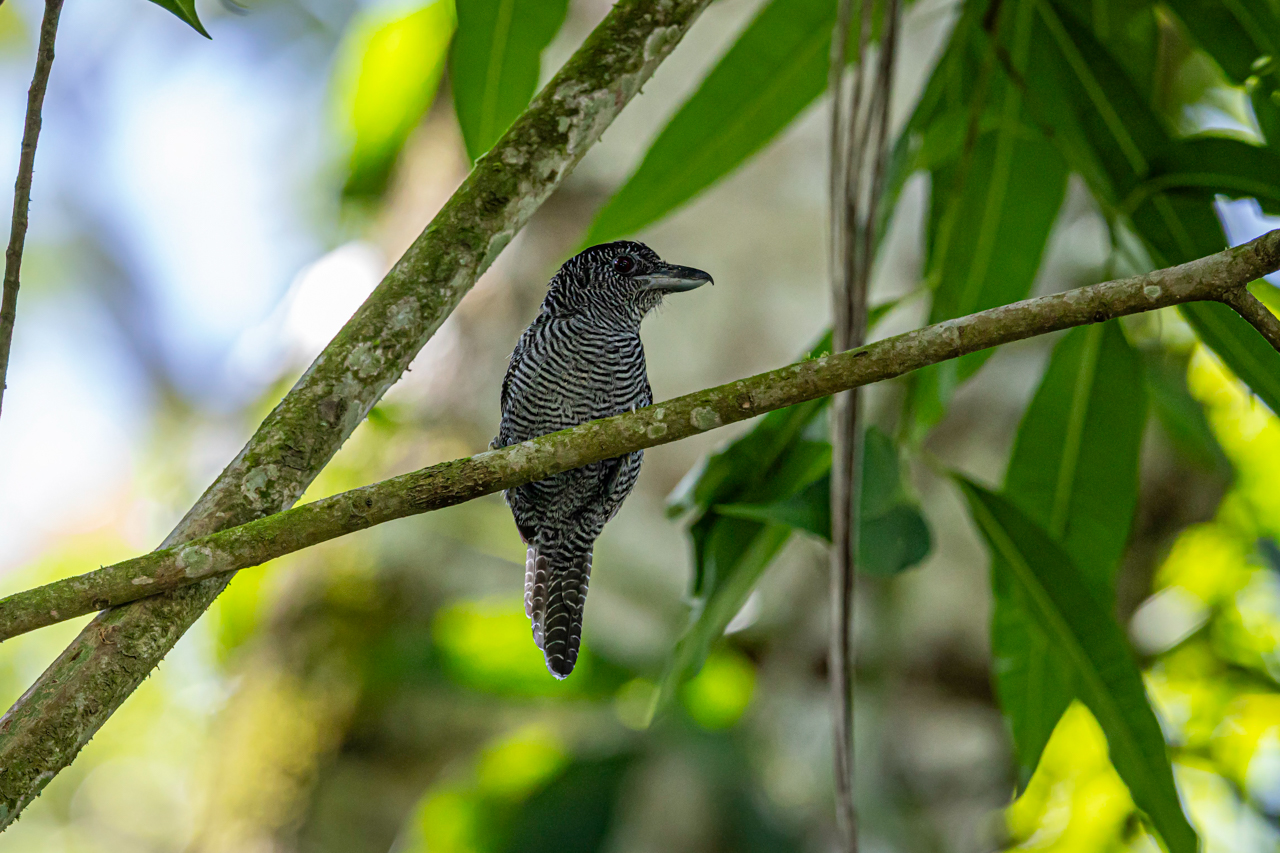
The success of the trip, in terms of both species sightings and the documentation of conservation-led initiatives, confirms that the integration of birding tourism with community development is a viable model for environmental protection. As these regions continue to face pressures from climate change and land-use shifts, the data collected by such expeditions remains vital for informing future conservation policies. The ongoing participation of local landowners—such as the Arias brothers and the network led by Jorge Serrano—ensures that the preservation of Costa Rica’s natural heritage remains a shared responsibility, bridging the gap between scientific research, local livelihoods, and international appreciation for the natural world.
