
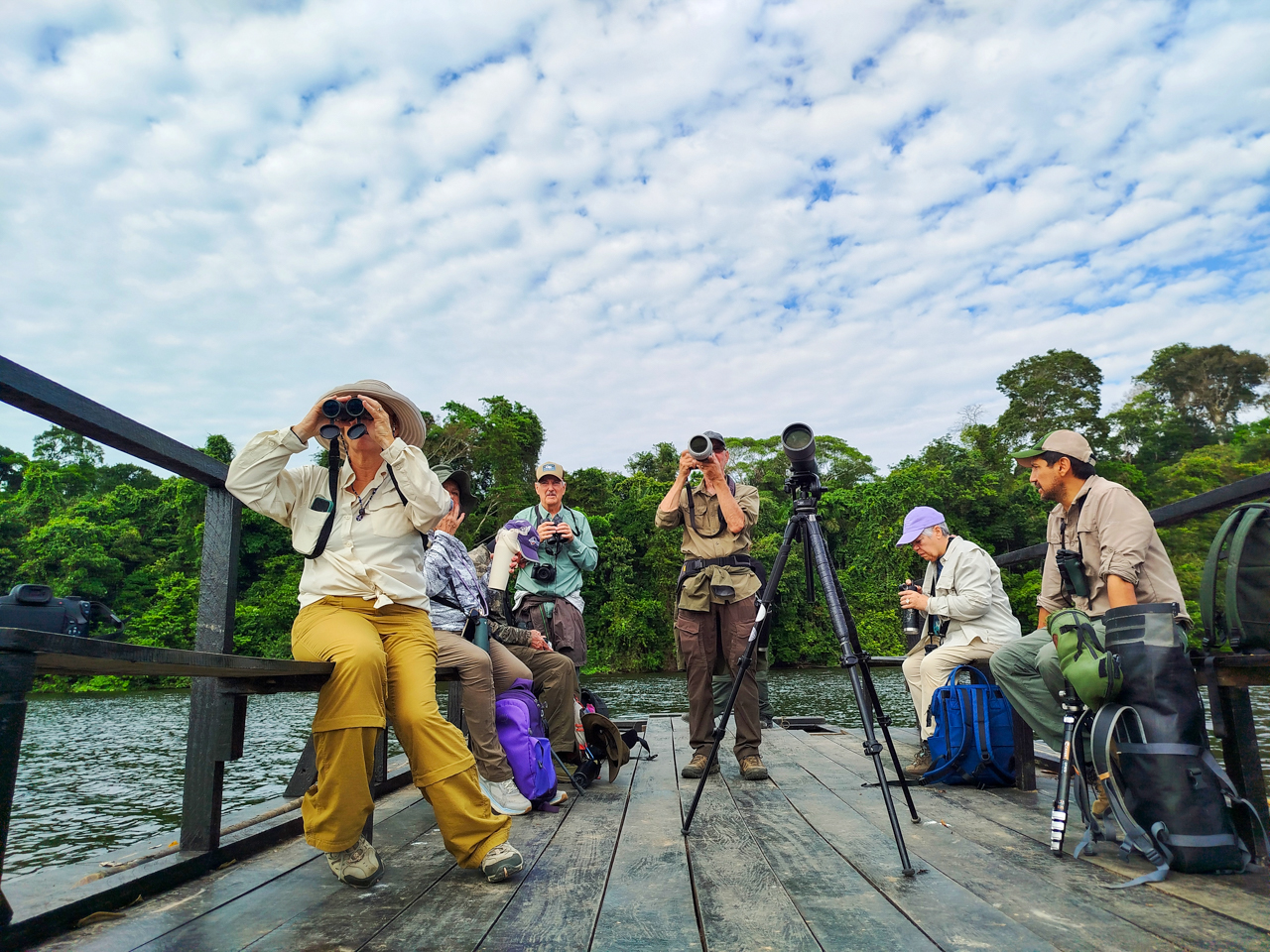
The recent expedition across Southern Peru, conducted by a team of dedicated avian researchers and naturalists, has provided a granular look at the country’s unparalleled avian diversity, ranging from the arid coastal wetlands near Lima to the dense, high-altitude cloud forests of the Manu Road. This seventeen-day survey, which concluded in late October 2026, underscored the critical importance of Peru’s protected areas as global reservoirs for endemic species and migratory stopovers.
Coastal Ecosystems and the El Niño Impact
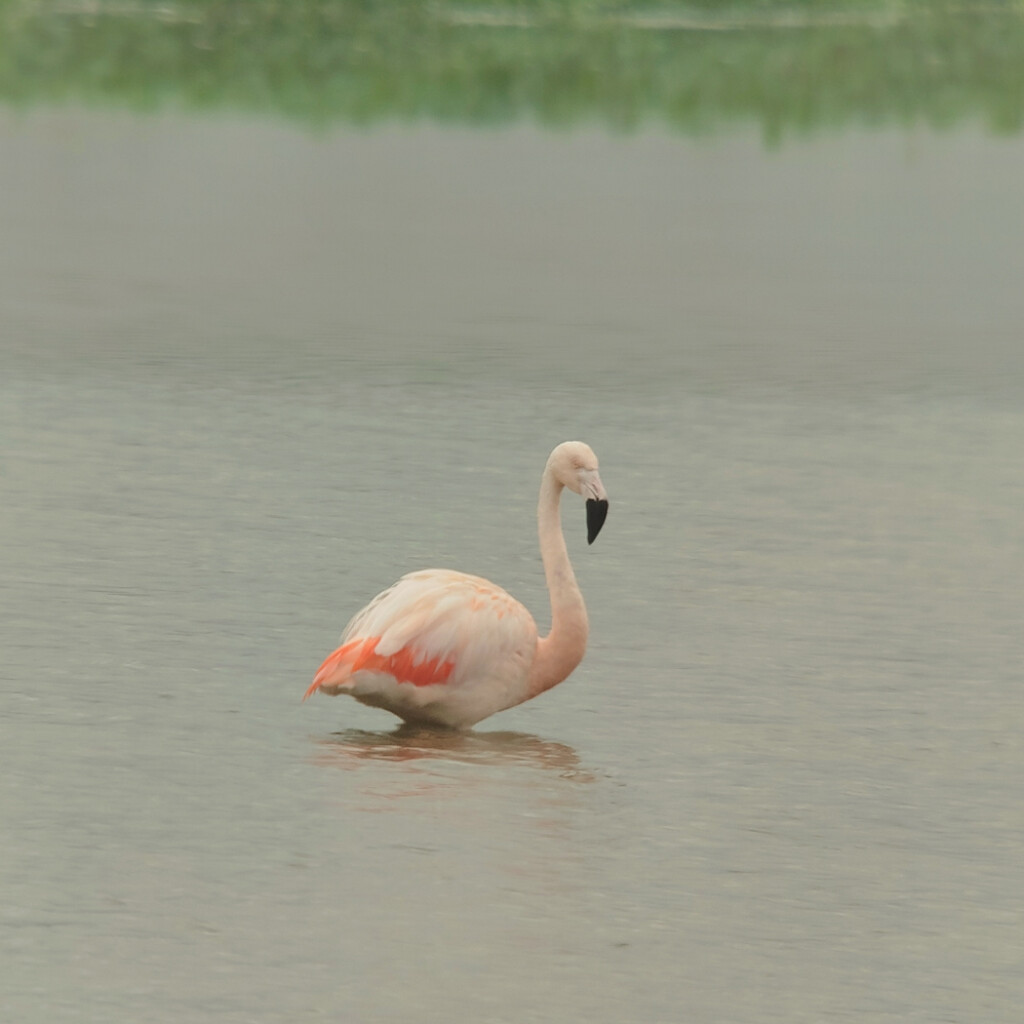
The expedition commenced in the Pantanos de Villa, a vital coastal wetland south of Lima that serves as a sanctuary for both resident and migratory birds. During the initial two-day assessment, researchers documented a high density of species, including Gray, Kelp, Belcher’s, and Gray-hooded Gulls. The coastal survey benefited significantly from the current El Niño year, a periodic climatic phenomenon characterized by the warming of surface waters in the eastern Pacific.
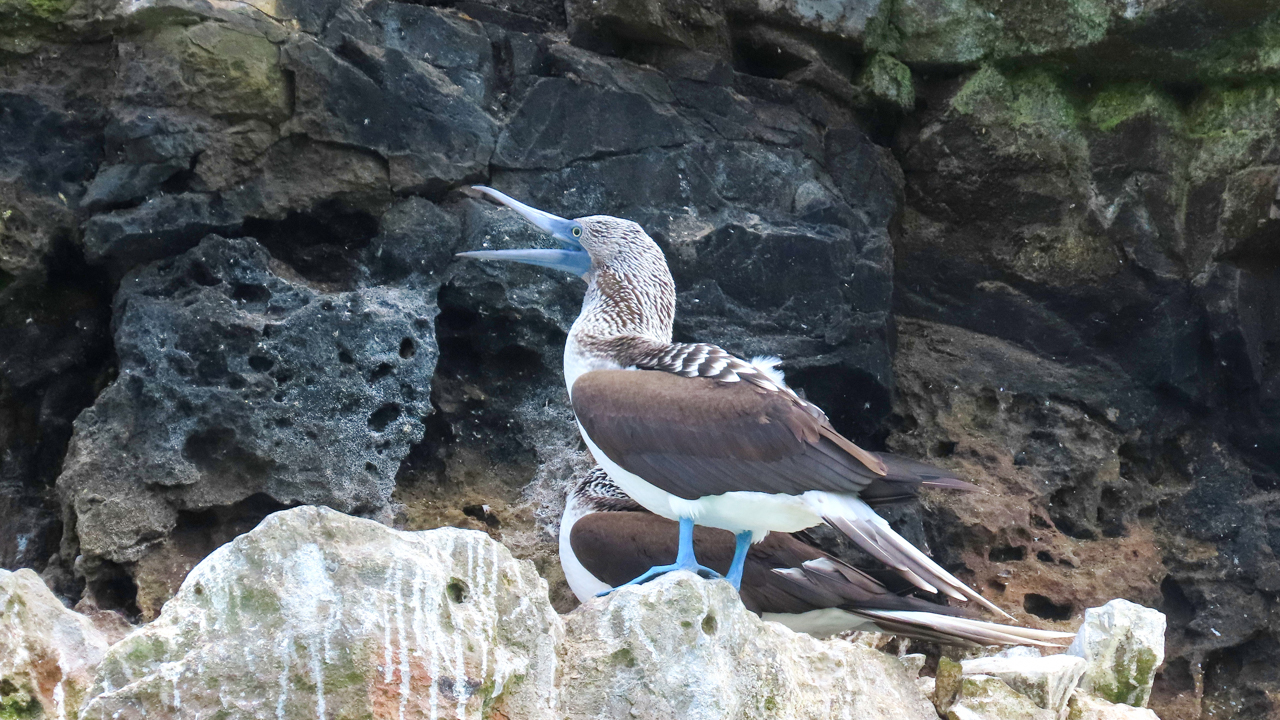
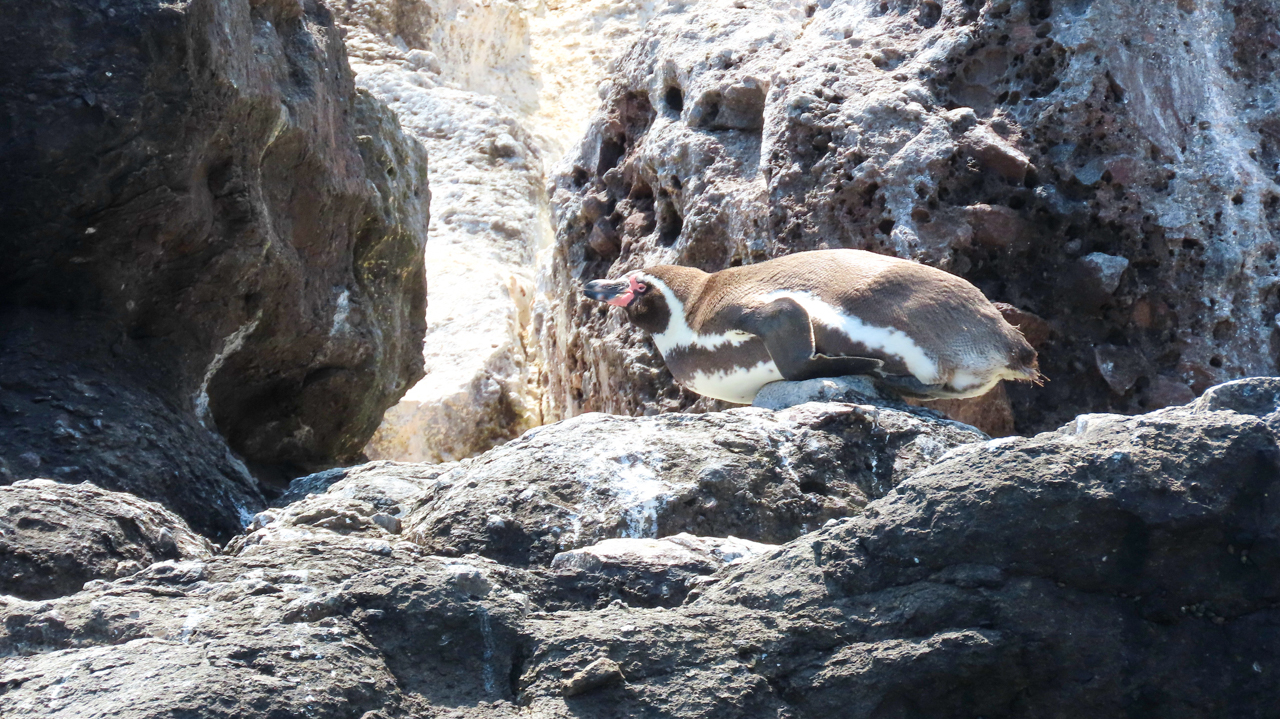
This shift in oceanic conditions often forces pelagic species closer to the shoreline. Off the coast of the fishing village of Pucusana, the team observed several rare oceanic species, including Markham’s and Elliott’s Storm-Petrels, the Sooty Shearwater, and the range-restricted Peruvian Diving Petrel. The presence of these birds, usually found much further out at sea, provided a rare opportunity for behavioral study. Furthermore, the cliffs of Pucusana Island offered a vantage point to document a stable population of Humboldt’s Penguins alongside Blue-footed Boobies and Inca Terns, confirming the continued viability of these nesting sites despite regional environmental pressures.
Amazonian Biodiversity: The Tambopata Basin
On the third day, the expedition transitioned from the coastal desert to the Amazon basin, flying to Puerto Maldonado to explore the confluence of the Madre de Dios and Tambopata Rivers. The team established a base at Finca Sachavacayoc to monitor the Collpa Chuncho macaw clay-lick.
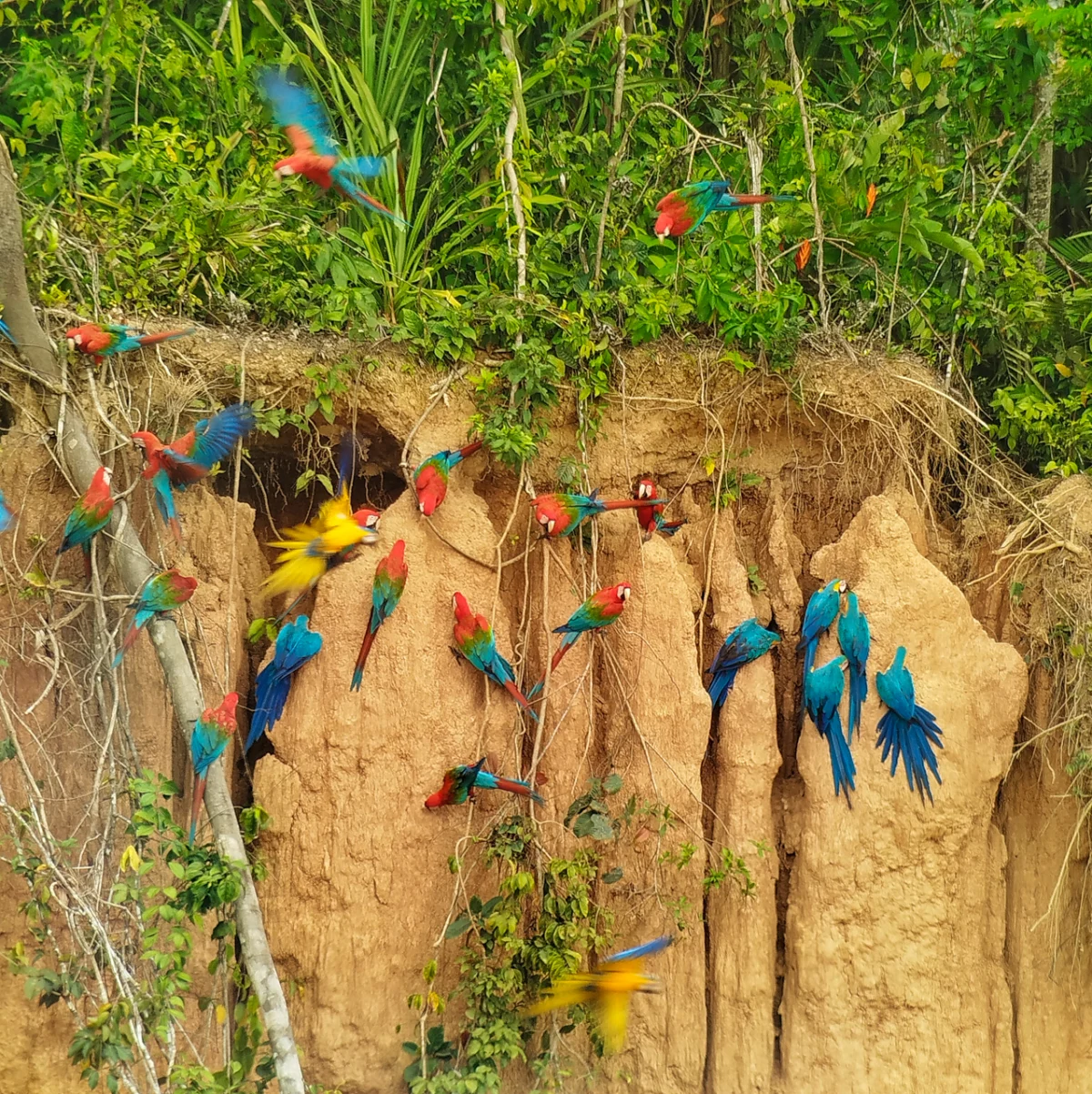
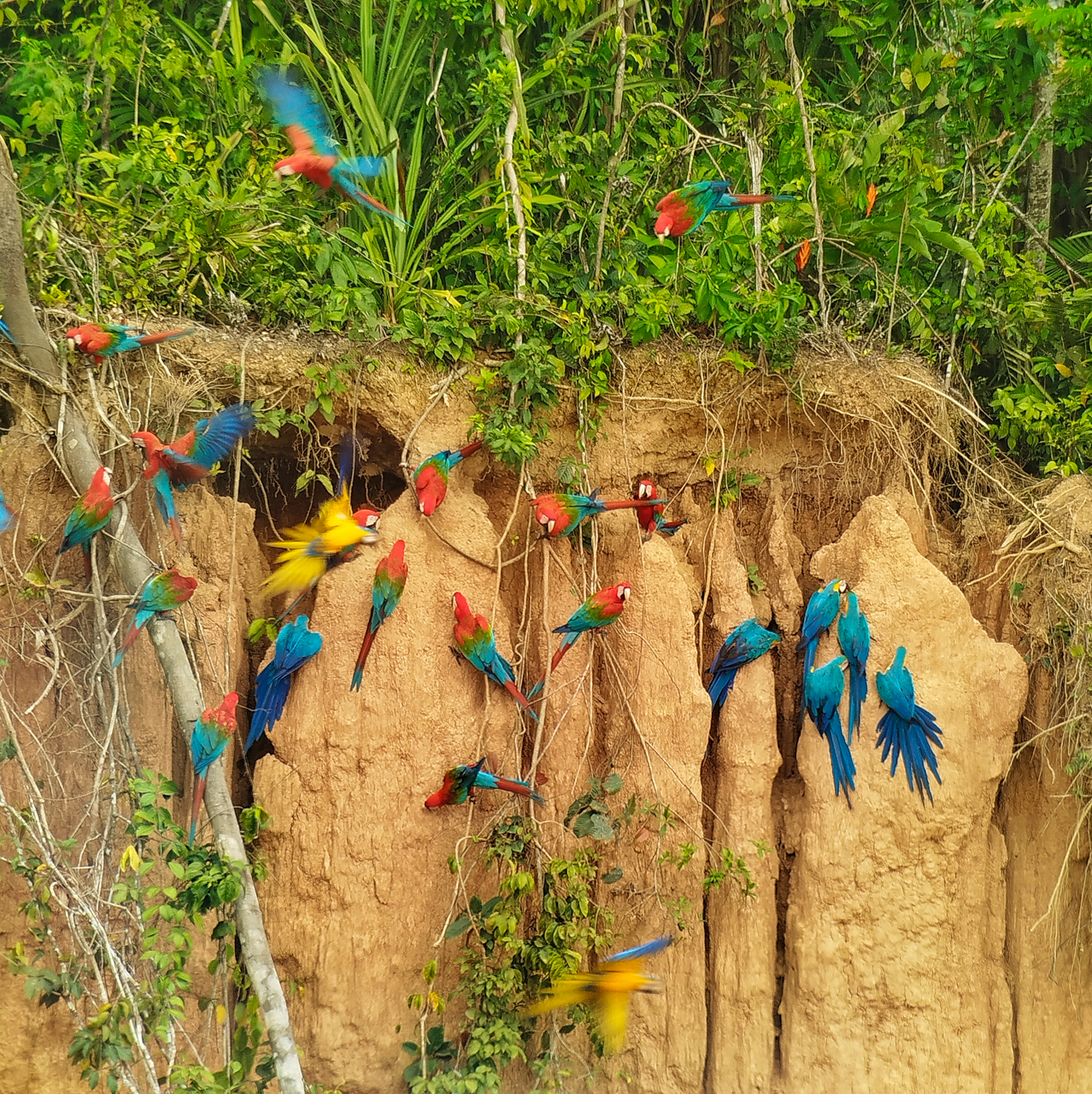
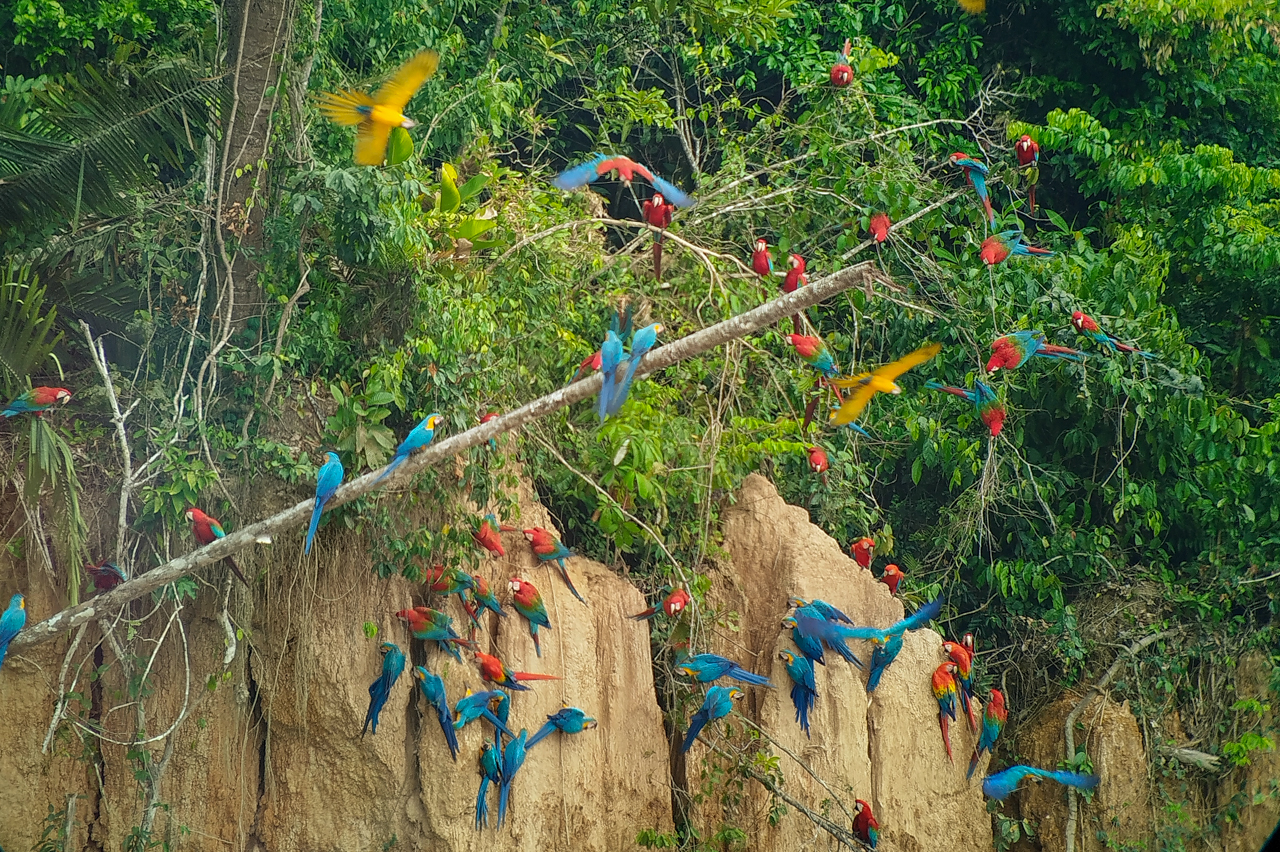
The clay-lick functions as a crucial mineral supplement site for parrots and macaws, essential for neutralizing toxins found in their varied diet. The observation team noted a distinct behavioral pattern: smaller species, such as the Mealy, Yellow-crowned, and Blue-headed Parrots, arrived first, while the larger macaws remained in the canopy. The delay was attributed to the presence of a Black-and-white Hawk-Eagle, a primary predator of these parrots. Once the raptor departed, a massive influx of over 300 macaws—including Blue-and-yellow, Red-and-green, and Scarlet varieties—descended upon the clay in a display of avian social dynamics.

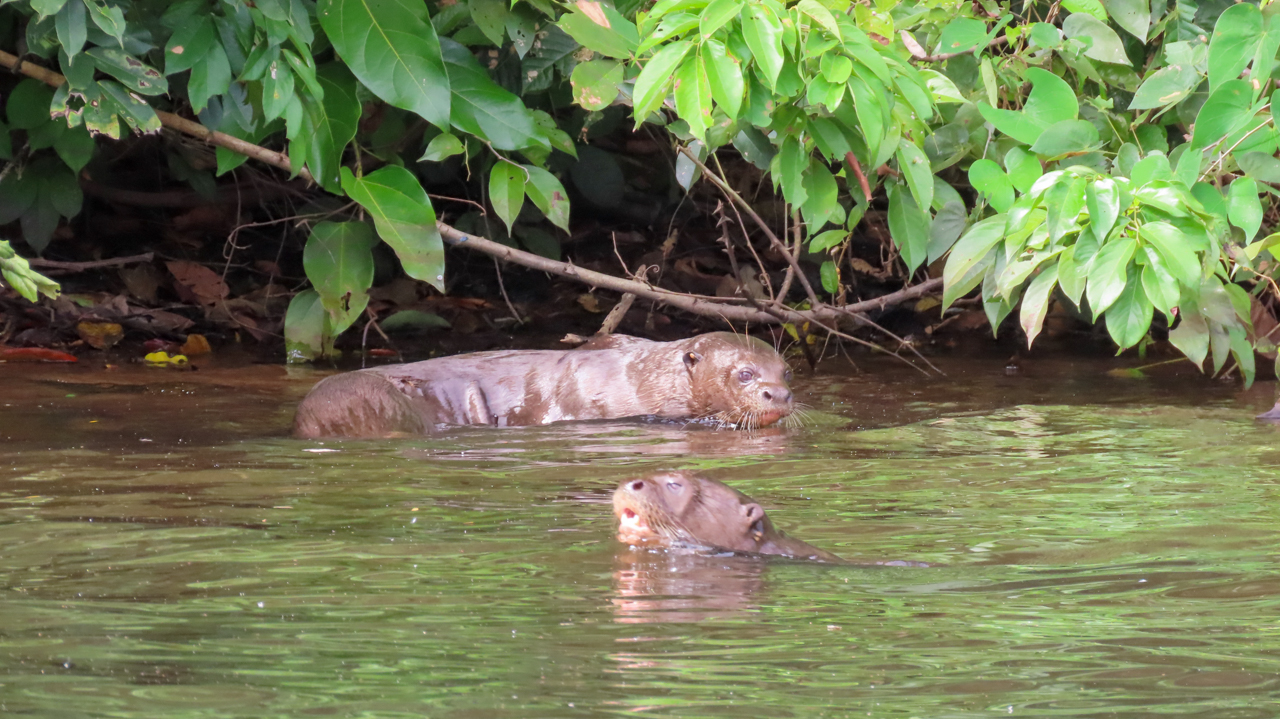
In addition to birds, the Amazonian portion of the trip highlighted the ecological health of the Tres Chimbadas oxbow lagoon. The team documented a thriving family of Giant River Otters, a species currently listed as Endangered by the IUCN. Their presence acts as a biological indicator of water quality and habitat integrity in the Tambopata region.
The Sacred Valley and High-Altitude Adaptations
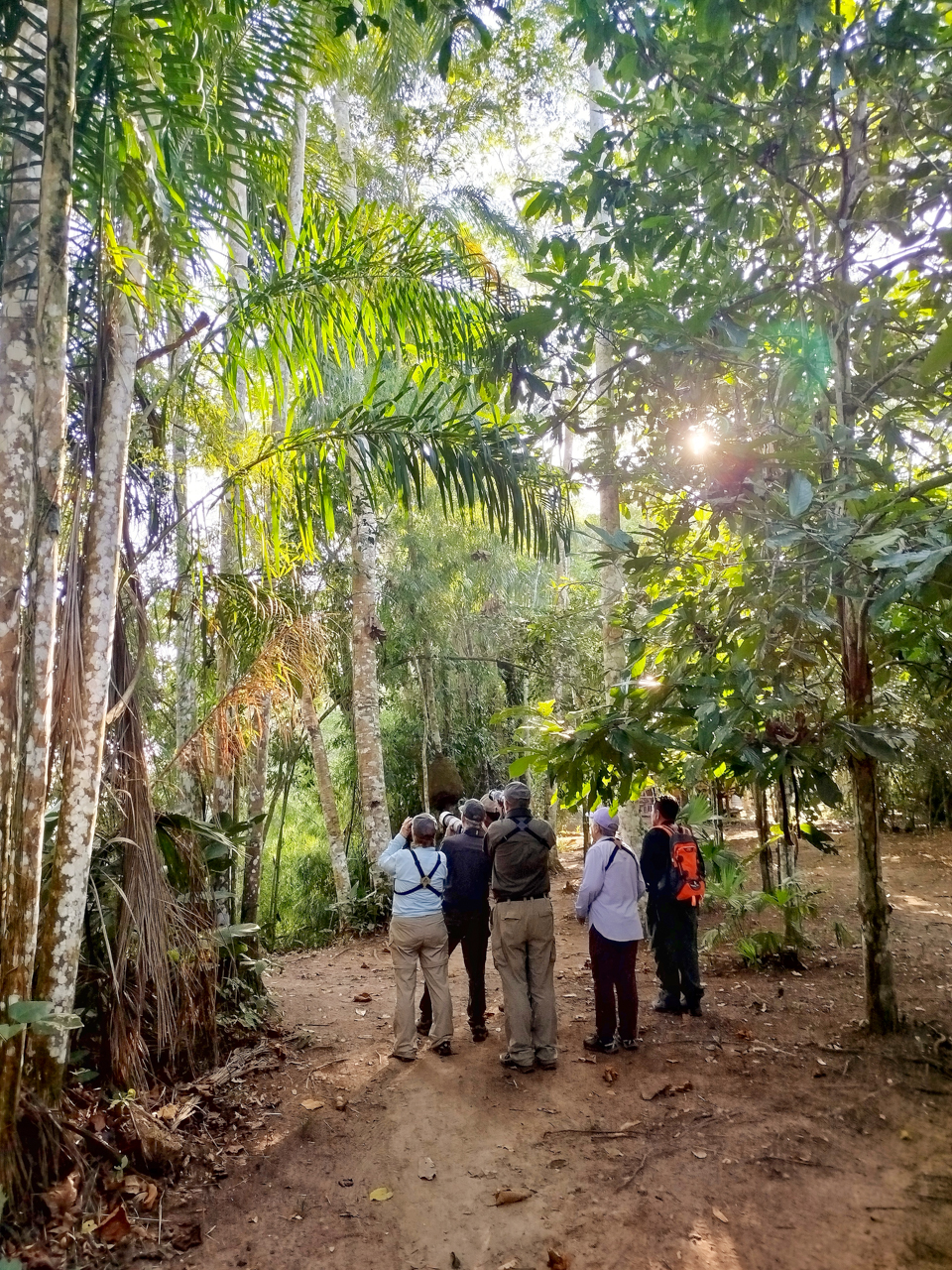
By day seven, the expedition moved to the high Andes, shifting the focus to the unique flora and fauna of the Sacred Valley, including the sites of Pisaq and Ollantaytambo. The transition from the tropical lowlands to an altitude of over 3,000 meters required a shift in observation techniques to accommodate species adapted to the thin, high-altitude air.
Notable among the sightings was the Giant Hummingbird, the largest member of the Trochilidae family, known for its slow, deliberate wingbeats compared to its smaller counterparts. The team’s analysis of the local endemics, such as the Creamy-crested Spinetail and the Rusty-fronted Canastero, suggests that these populations remain stable but are highly susceptible to the habitat fragmentation caused by agricultural expansion in the Andean valleys.
The Manu Road: An Altitudinal Gradient Study
The latter half of the expedition focused on the Manu Road, which is widely considered one of the world’s most important birding routes due to its extreme elevational gradient. Spanning from 4,000 meters down to the lowland rainforest, the road traverses multiple life zones, each housing distinct assemblages of species.
At the Wayqecha Biological Station, the team engaged in a study of antpittas—birds traditionally known for being elusive and difficult to track. Through the use of habituation, the researchers documented three species: the Urubamba, Leymebamba, and Red-and-white Antpittas. This successful observation provided researchers with rare data on the plumage and foraging habits of these understudied birds.
As the team moved to lower elevations, they documented a total of 17 hummingbird species at the Manu Endemic Station. The density of species in this localized area serves as a primary example of the "Andean pump" effect, where the varied topography creates micro-climates that support extreme levels of biodiversity. The survey noted the presence of the Peruvian Piedtail, a rare endemic, confirming that the current conservation management of the station is successfully providing the necessary floral resources for this specialized nectarivore.
Environmental Implications and Conservation Analysis
The data collected during this seventeen-day expedition offer more than a simple record of sightings; they provide a baseline for understanding how localized bird populations are responding to current climatic shifts. The observations at the Manu Road, specifically the presence of bamboo-specialist antbirds like the White-browed and Goeldi’s Antbirds, emphasize the necessity of maintaining the integrity of native bamboo forests.
Experts involved in the expedition noted that the "Pico de Hoz" region, where these species were observed, is currently experiencing pressures from infrastructure development. The findings suggest that even small-scale, locally owned tourism initiatives—such as the hummingbird and mealworm feeding stations encountered—can act as effective conservation tools. These initiatives provide economic alternatives to deforestation and allow for the continued monitoring of vulnerable species.
Conclusion: A Living Laboratory
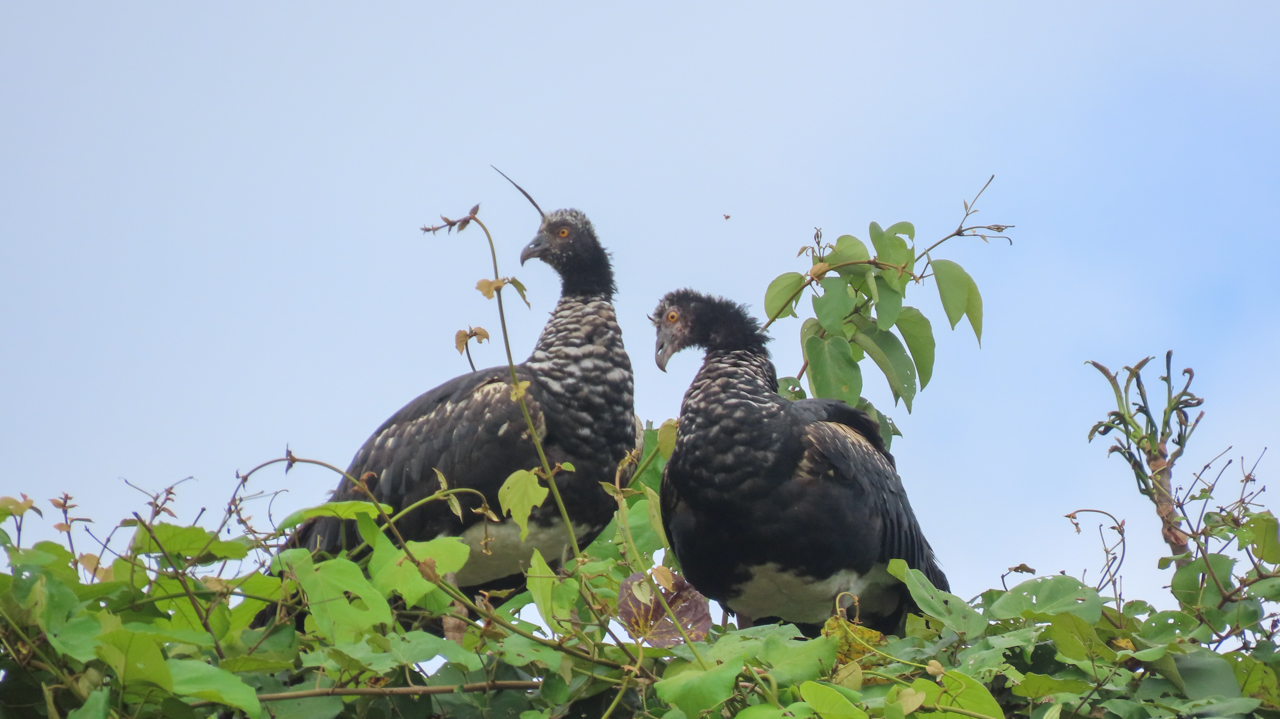
The survey concluded with a return to the high-altitude habitats of Wayqecha, where the team documented the Gray-breasted Mountain-Toucan and several high-elevation flycatchers. The synthesis of this trip’s findings confirms that Southern Peru remains one of the most critical biological laboratories on the planet.
From a scientific perspective, the documentation of 300-plus macaws at a single clay-lick, coupled with the observation of rare bamboo-forest specialists, reinforces the argument for continued support of the Manu National Park and its surrounding buffer zones. As global bird populations face challenges from climate change and habitat loss, the regions surveyed in this expedition stand as resilient, yet increasingly fragile, strongholds of global biodiversity. The success of this mission highlights the potential for future research to utilize these existing corridors to monitor the long-term health of Andean and Amazonian ecosystems.
