
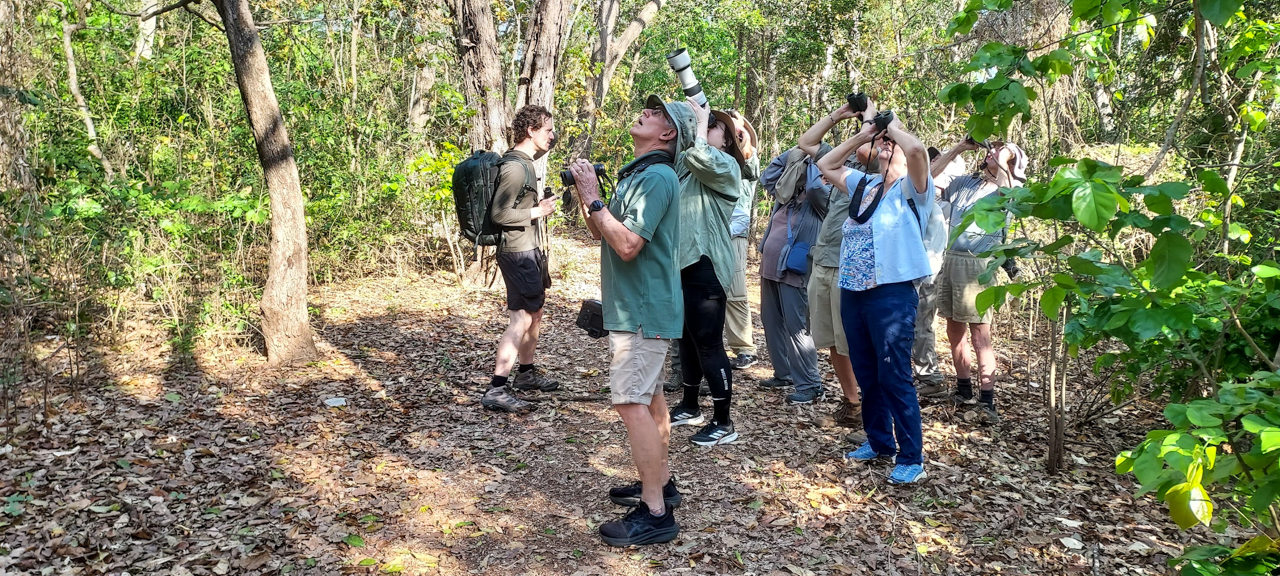
The Northern Territory’s Top End serves as one of the most ecologically significant regions in Australia, offering a rare confluence of monsoon vine forests, sprawling savannahs, and ancient sandstone plateaus. A recent specialized expedition through this World Heritage-listed landscape provided an in-depth survey of avian endemism and regional ecological health, highlighting the critical importance of these habitats in maintaining global biodiversity. Spanning eight days, the tour traversed the geographic corridor from Darwin to the remote reaches of Katherine, documenting a vast array of species while navigating the complex cultural and environmental terrain of the region.
The Ecological Significance of the Top End
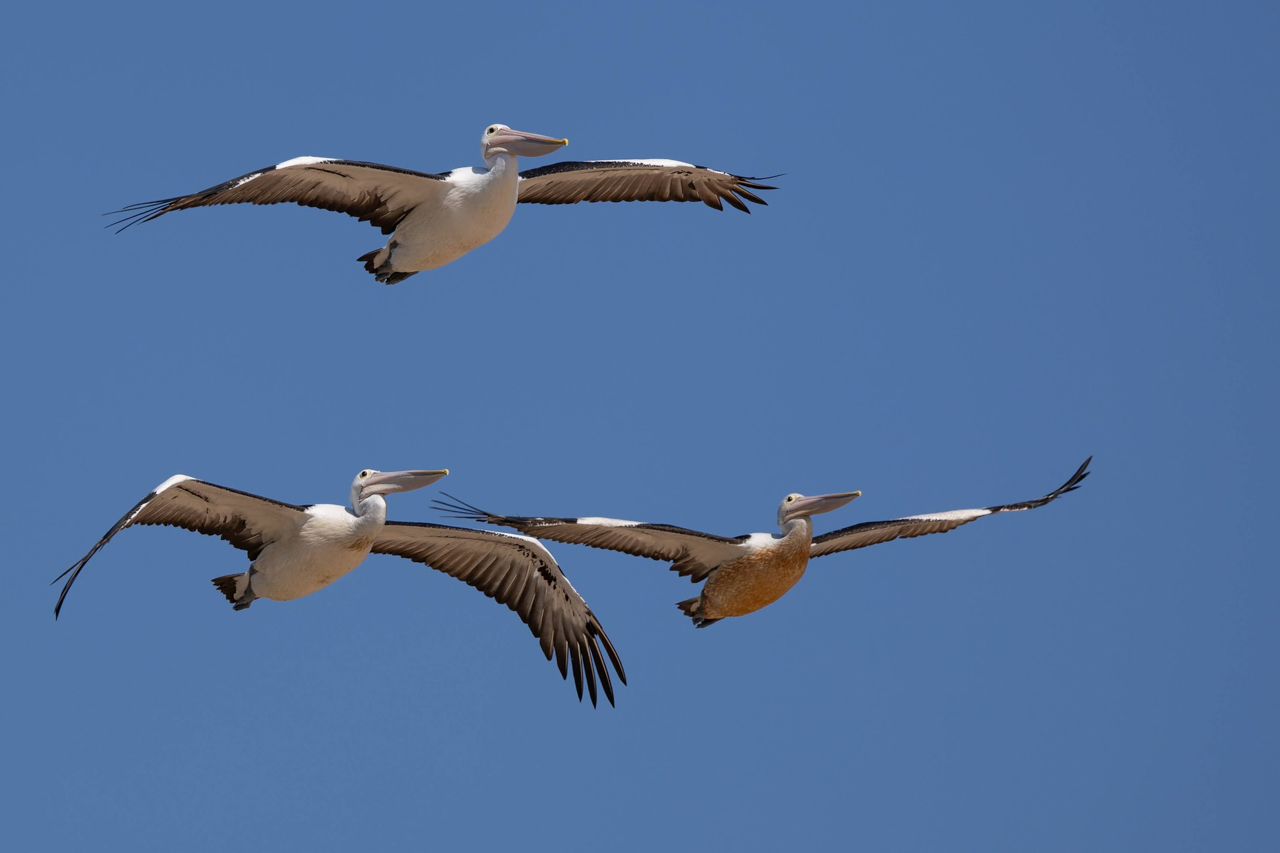
The Top End is characterized by its high rate of avian endemism, particularly within its expansive mangrove systems and sandstone escarpments. The region functions as a vital gateway for migratory shorebirds, which utilize the mudflats of the Northern Territory as a critical stopover point following trans-equatorial flights from as far away as Siberia.
The expedition focused on key biodiversity hotspots, including the Buffalo Creek estuary, Kakadu National Park, and the Arnhem Plateau. These areas are not only essential for bird life but also represent a significant intersection between environmental conservation and Indigenous land management. The presence of species such as the Rainbow Pitta, the Chestnut-quilled Rock-Pigeon, and the iconic Gouldian Finch underscores the need for continued protection of these sensitive habitats.
Chronological Survey of the Expedition
The expedition commenced in Darwin, the capital of the Northern Territory, where participants established a baseline for the region’s ornithological diversity.
Days 1–2: Coastal and Mangrove Habitats
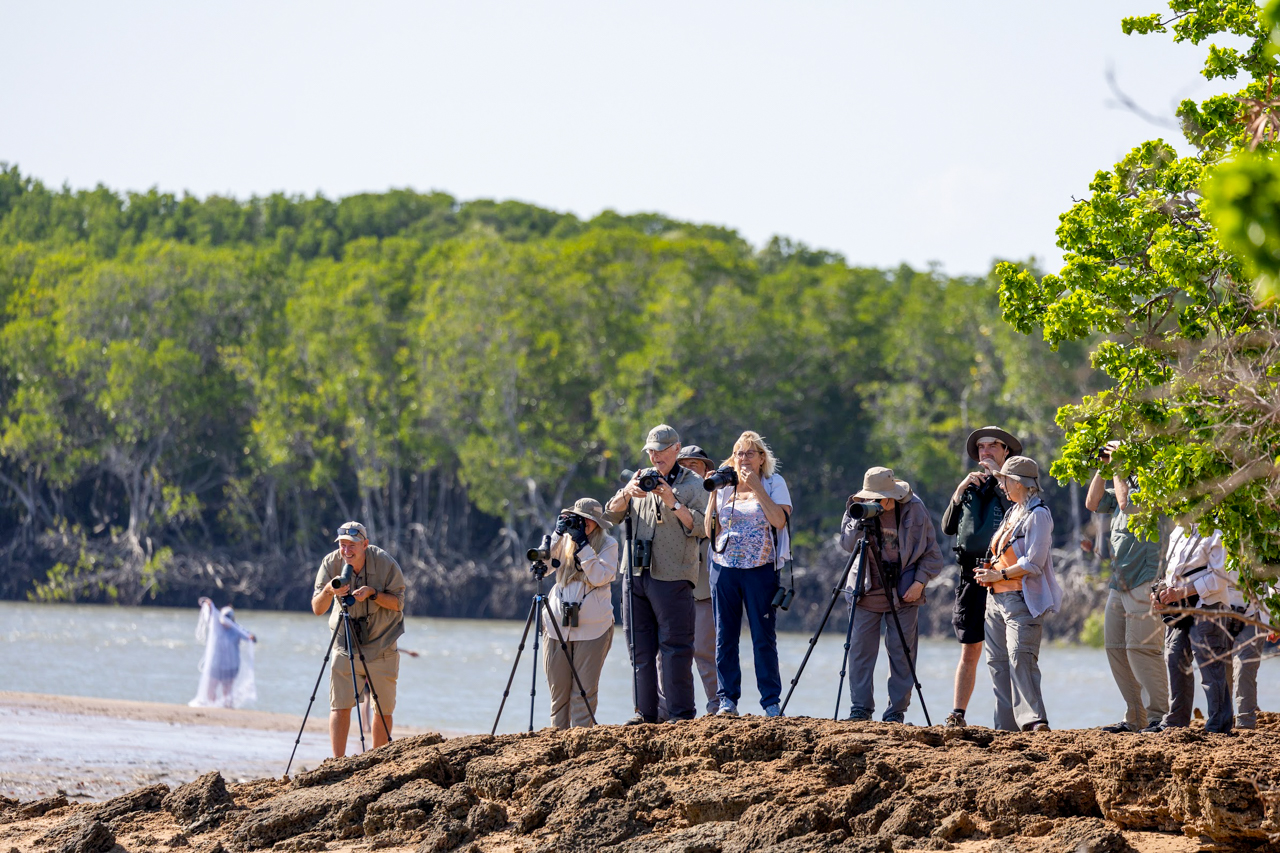
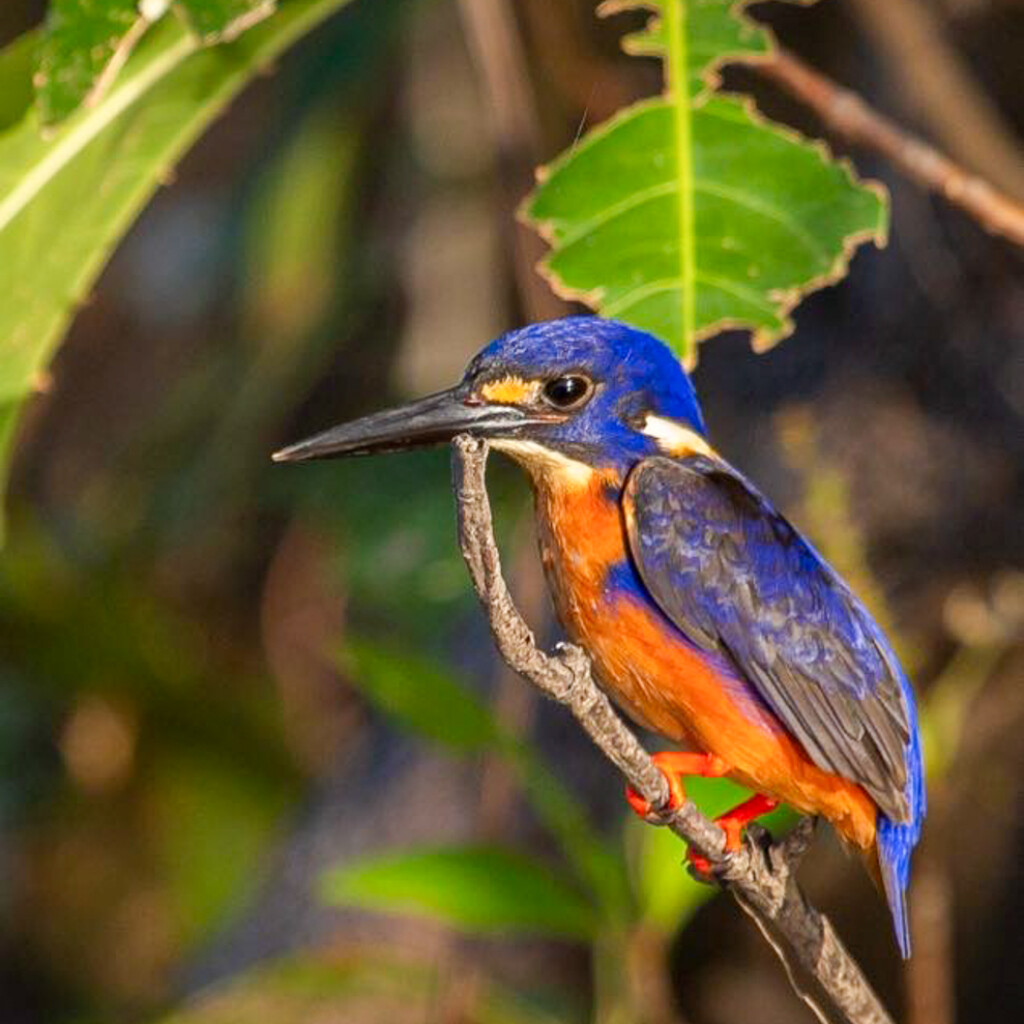
The initial phase of the tour focused on the coastal interface. At Buffalo Creek and Lee Point, surveyors observed a high concentration of shorebirds and bush species. Noteworthy sightings included the Red-headed Honeyeater and the Forest Kingfisher. The estuarine environment proved particularly productive, hosting significant populations of Bar-tailed Godwits, Far Eastern Curlews, and the Black-necked Stork. The mangrove forests, which hold the highest rate of avian endemism in the country, revealed elusive species such as the Mangrove Robin and the Torresian Kingfisher, highlighting the structural complexity of these coastal fringes.

Days 3–4: The Kakadu Wetlands
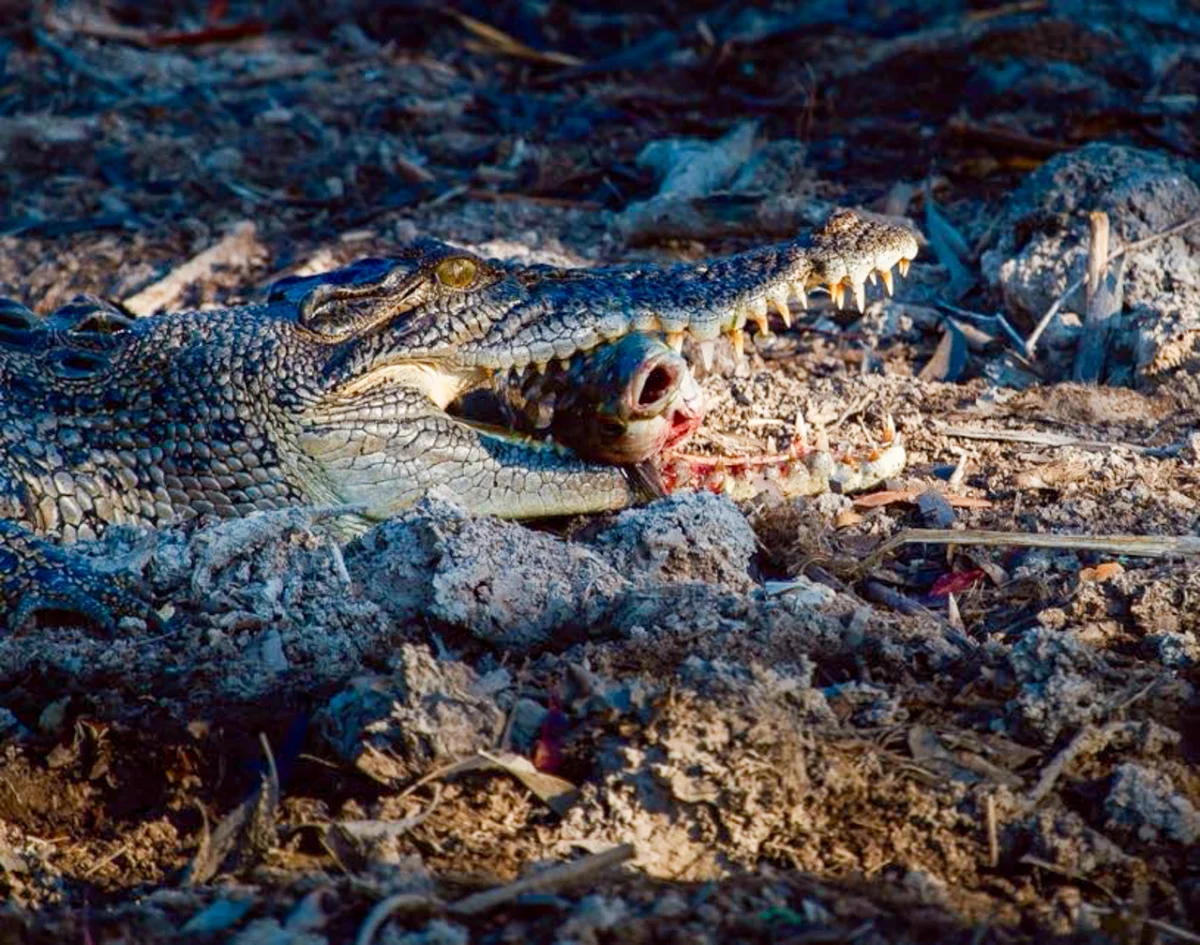
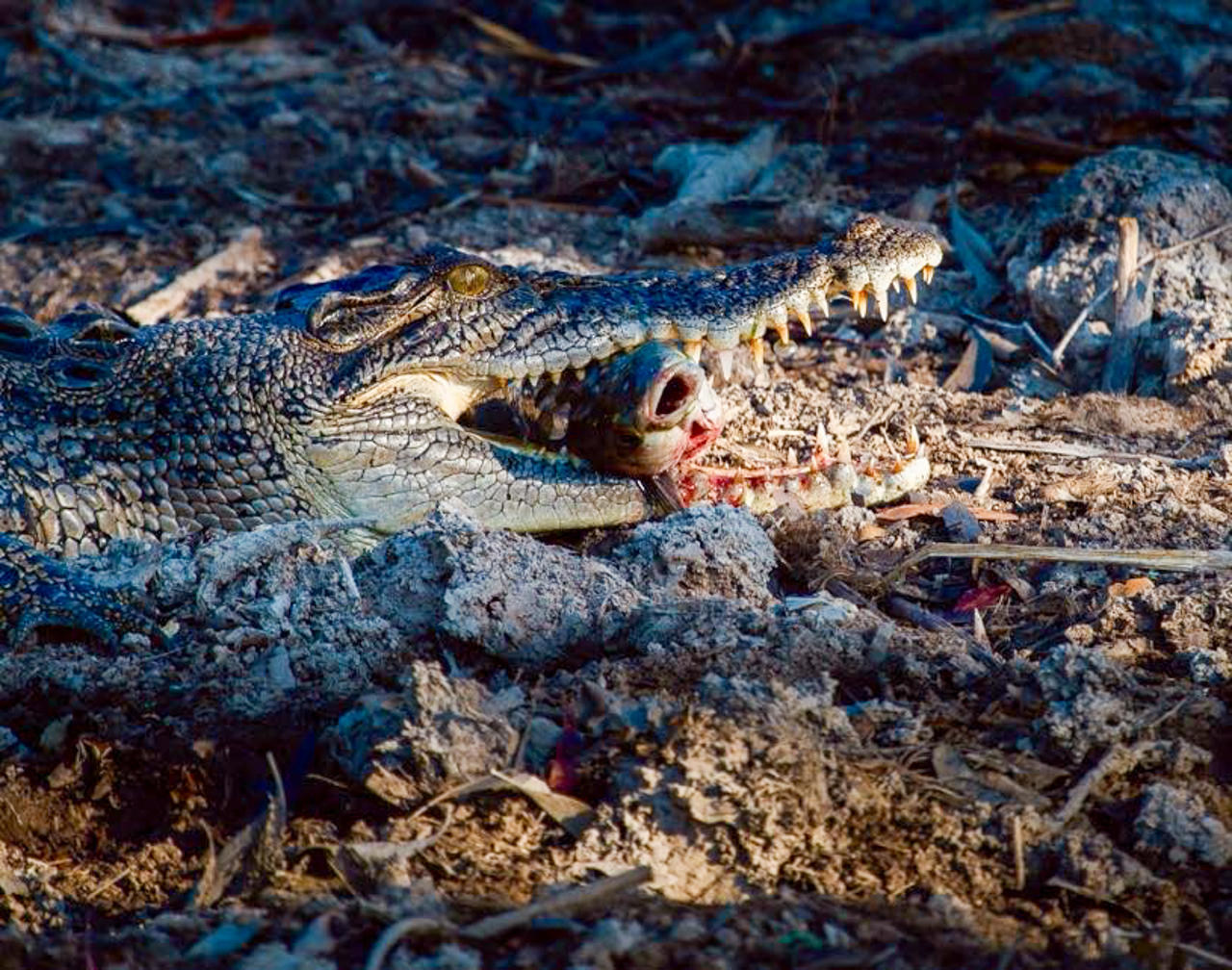
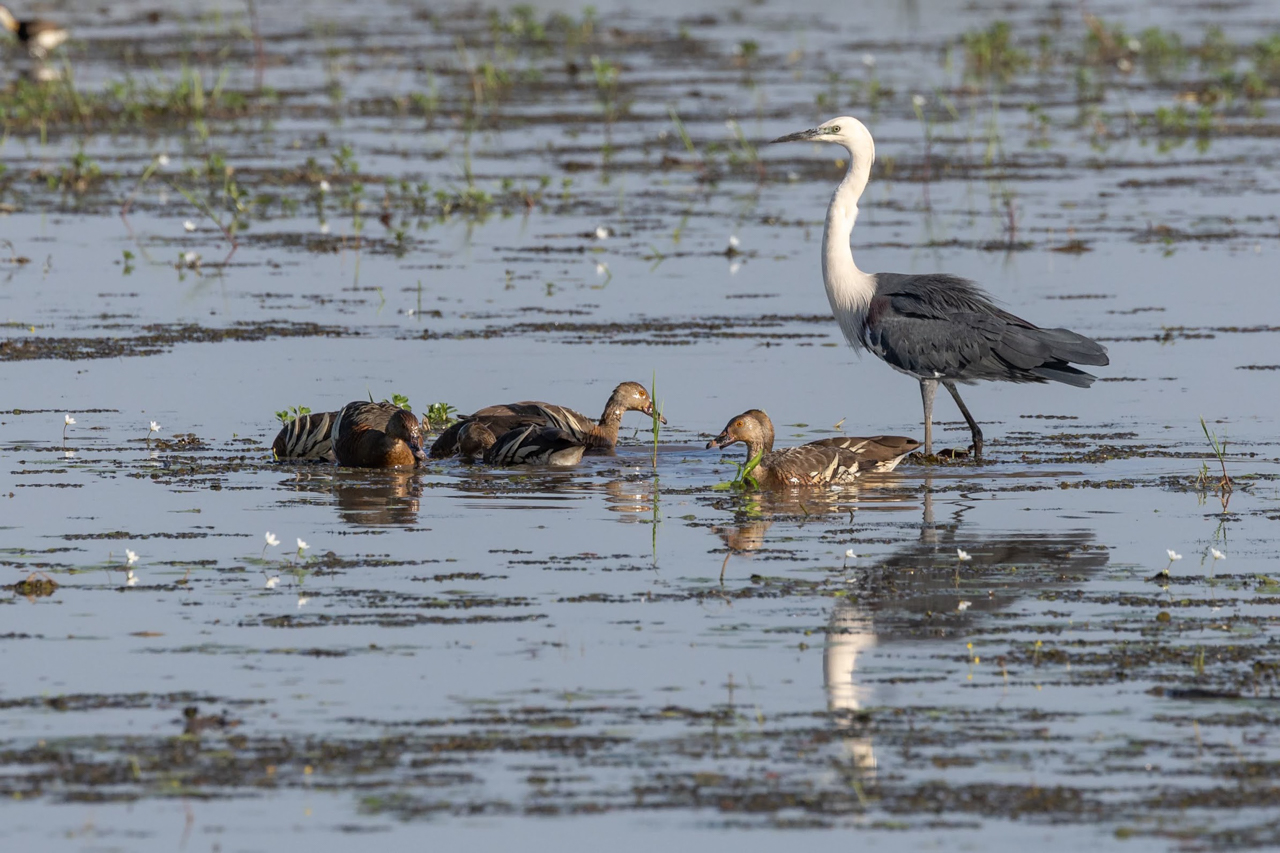
Transitioning to Kakadu National Park, the survey shifted toward the inland floodplains. A sunrise cruise at Yellow Water provided a unique vantage point for observing water-dependent species. The region, dominated by melaleuca wetlands, supports diverse avian life, including the Comb-crested Jacana and the Green Pygmy-Goose. Data collected during these days emphasized the resilience of the ecosystem despite the pressures of seasonal flooding and the presence of apex predators like the estuarine crocodile. The cultural significance of the region was addressed through visits to the Warradjan Cultural Centre, where participants integrated ecological observation with historical context regarding the Bininj people’s connection to the land.
Days 5–6: The Arnhem Plateau and Sandstone Country
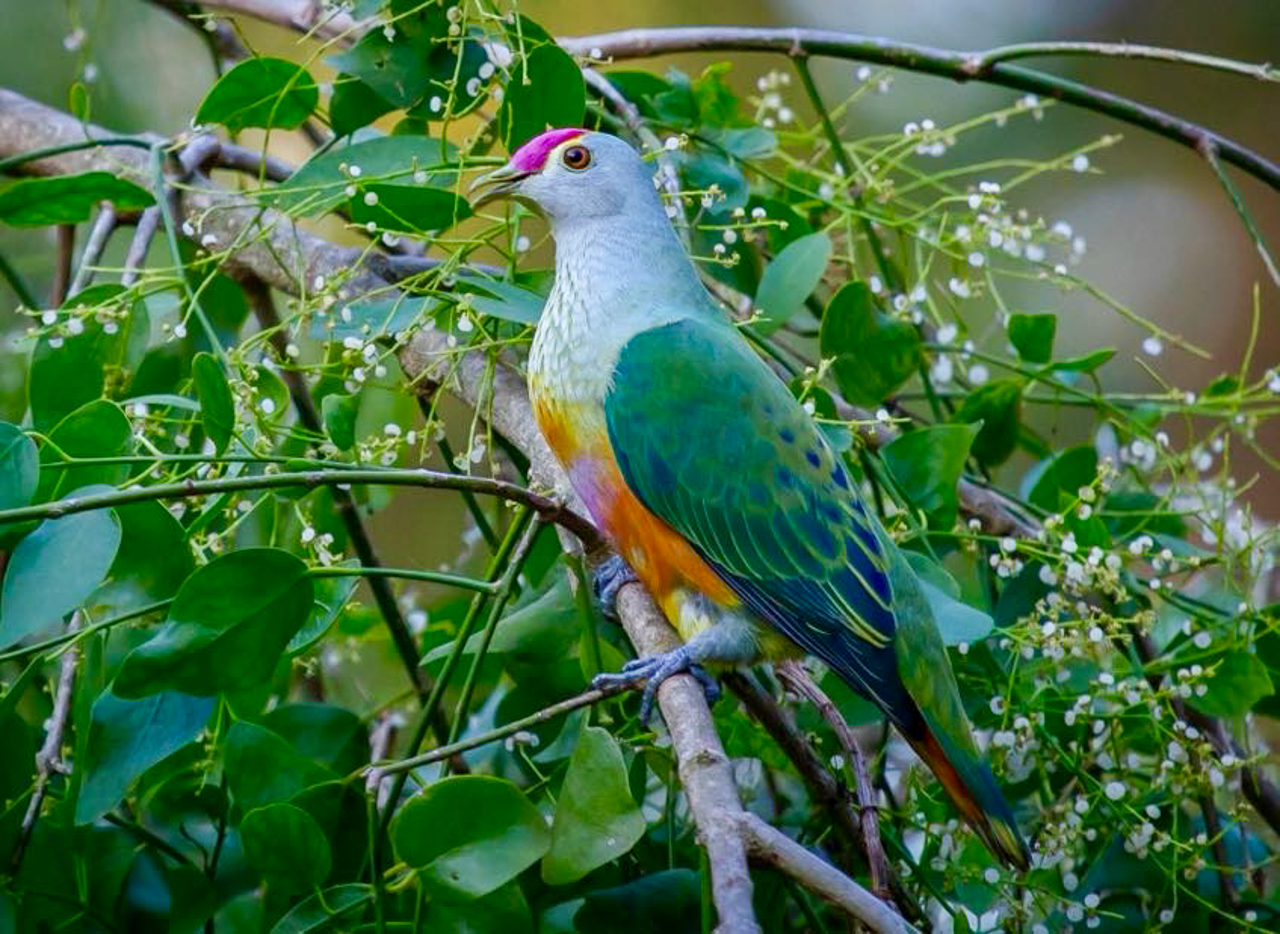
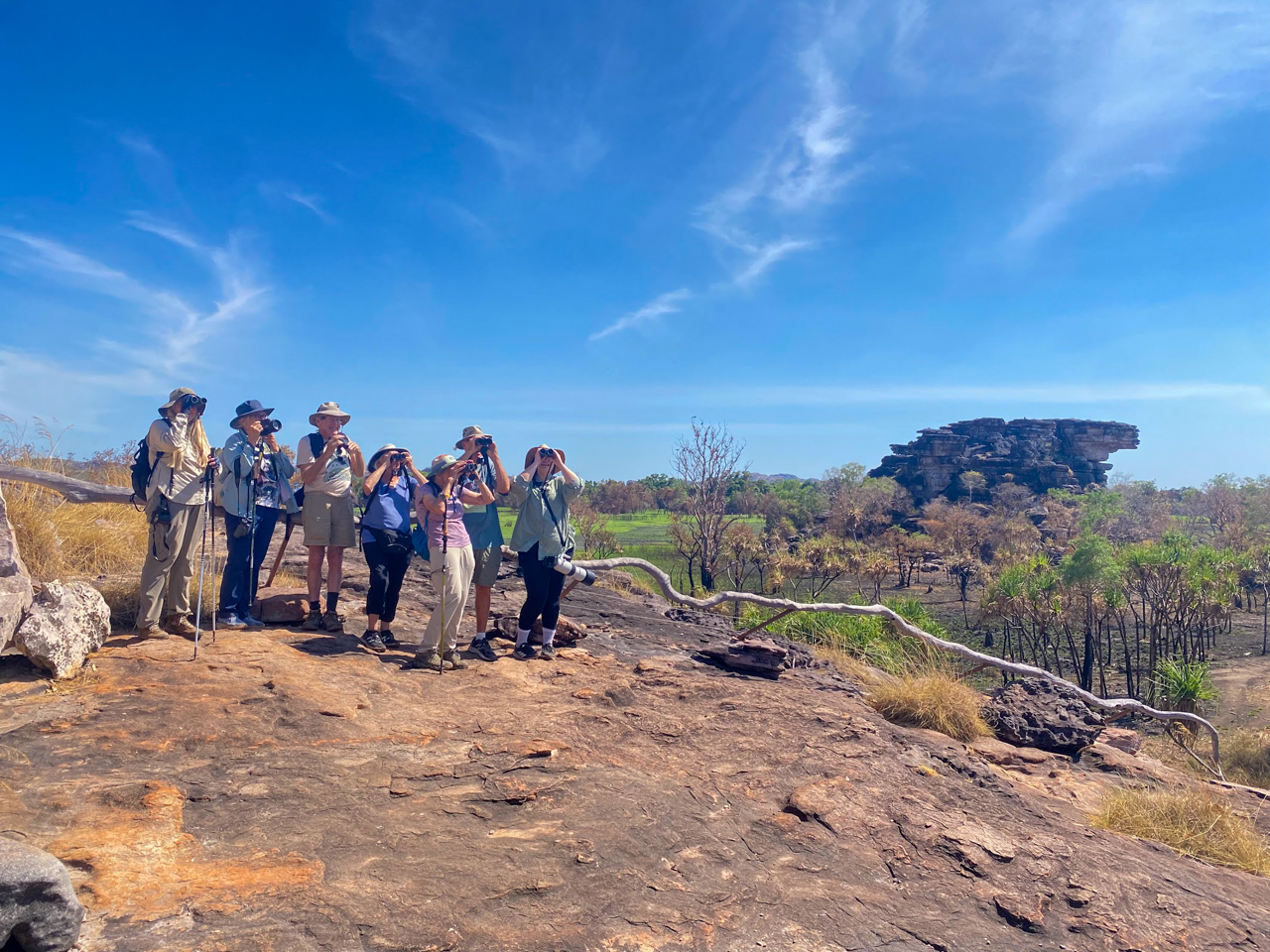
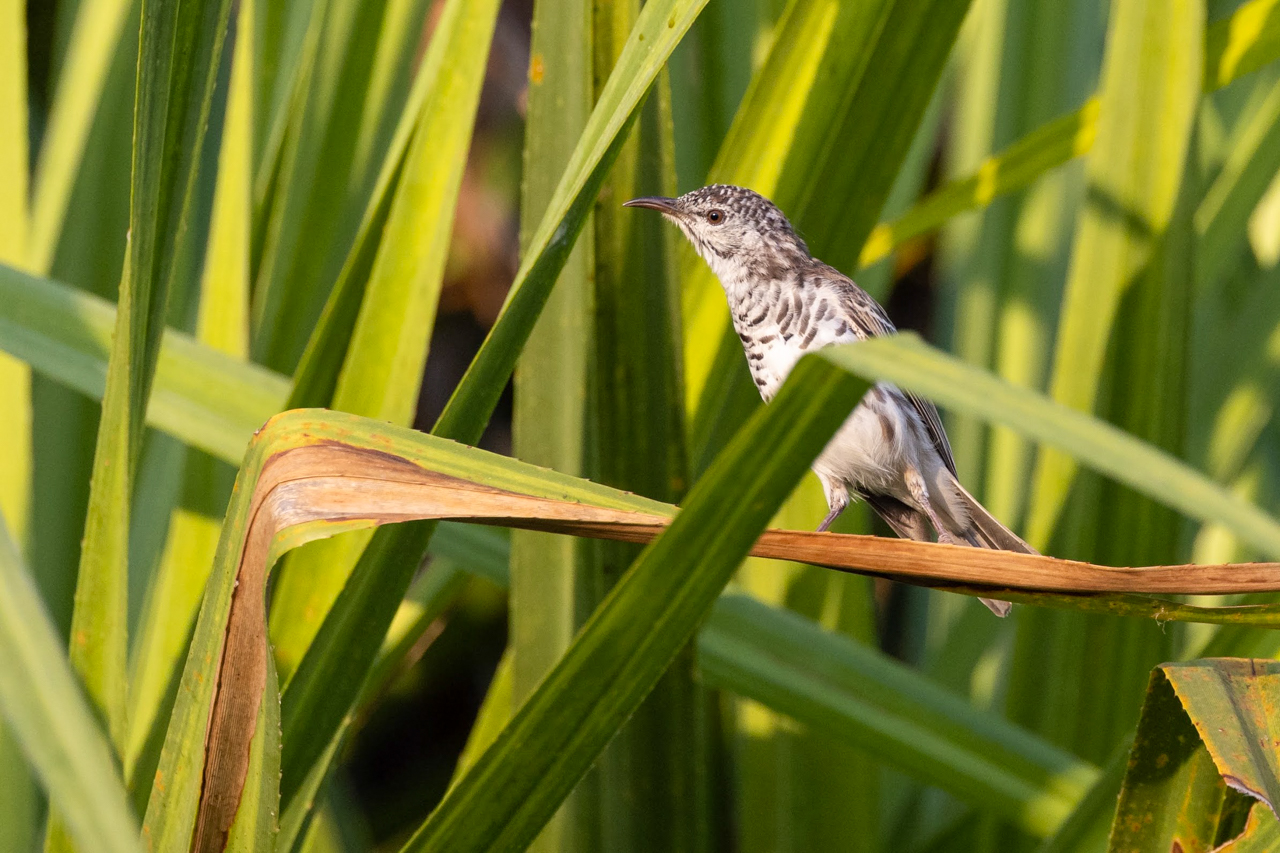
The expedition moved into the "Stone Country"—the Arnhem Plateau—a region defined by its rugged, ancient sandstone formations. This environment acts as an evolutionary refuge, home to specialized endemics such as the Sandstone Shrikethrush and the Black-banded Fruit-Dove. Scientific observation in this area is particularly challenging due to the terrain, yet the survey successfully documented the behavior of these rare species. Further south, the town of Pine Creek served as a base for observing the Hooded Parrot, a species currently under observation due to its restricted range and vulnerability to environmental changes.
Days 7–8: Savannah and Woodland Management
The final leg of the journey focused on the dry savannah woodlands surrounding Katherine. The highlight of this segment was the systematic observation of grass finch assemblages at protected waterholes. The presence of the Gouldian Finch, a species that has faced significant population declines historically due to the cagebird trade and habitat modification, served as a primary indicator of successful local land management strategies. The expedition concluded with a final synthesis of data at Marlow Lagoon and Holmes Jungle, rounding out a comprehensive survey of the Top End’s diverse ecological niches.
Supporting Data and Species Analysis
The expedition’s findings correlate with broader conservation reports regarding Northern Australia. The presence of migratory shorebirds, specifically the Far Eastern Curlew—a species listed as Critically Endangered under the Environment Protection and Biodiversity Conservation Act—highlights the international responsibility of the Northern Territory.
Furthermore, the observations of the Gouldian Finch provide a case study in avian recovery. Once on the brink of extinction in the wild, the species is now showing signs of stabilization in areas where fire management and waterhole protection are strictly enforced. The expedition recorded the dominance of red-headed males within the observed flocks, a phenomenon that aligns with documented behavioral biology suggesting that while these individuals are more socially dominant, they may experience higher metabolic costs compared to their black-headed counterparts.
Anthropological and Ecological Synthesis
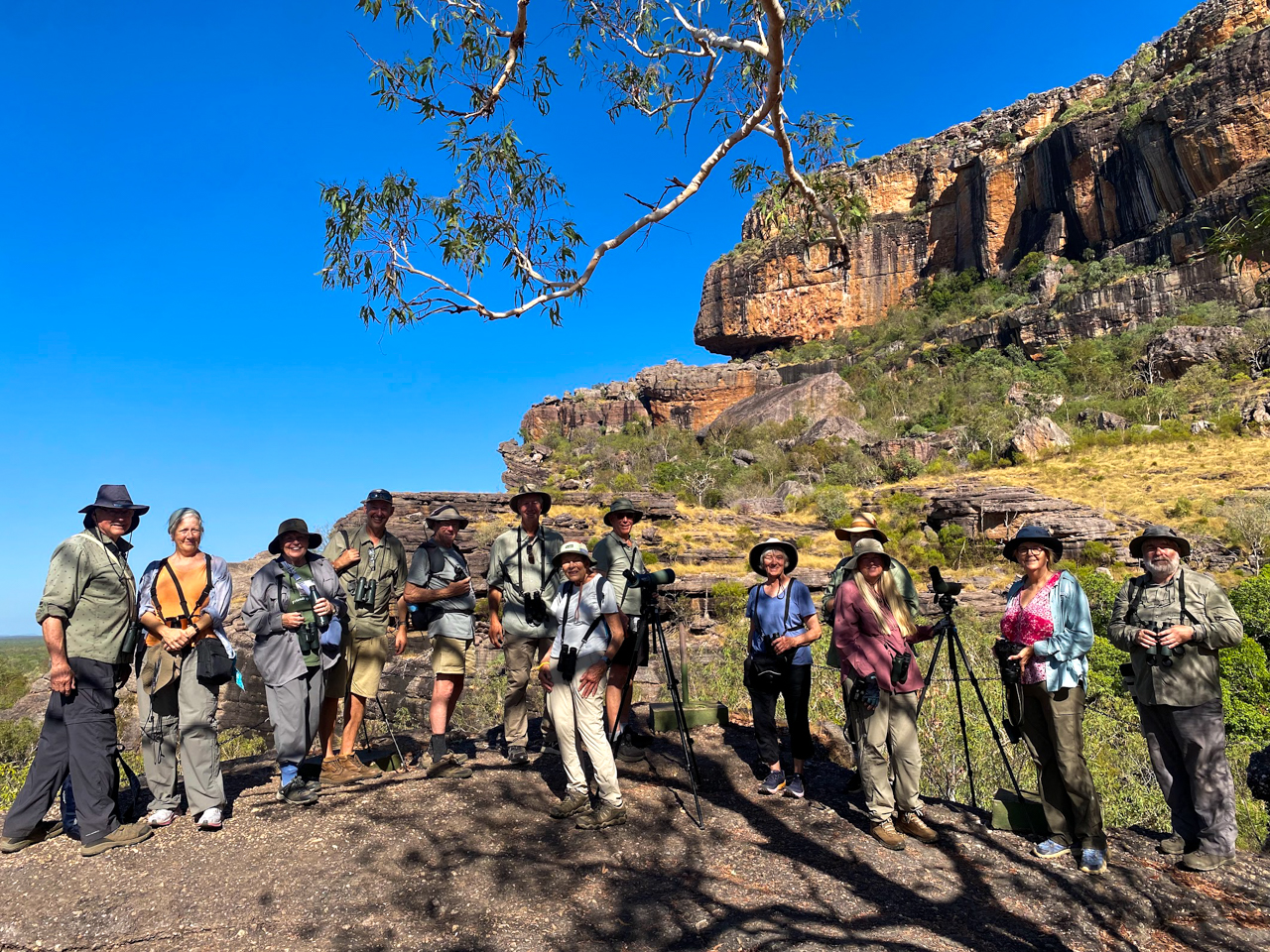
The expedition was not merely a biological survey but a testament to the intersection of human history and natural science. The rock art galleries at Ubirr and Nourlangie serve as a reminder that the Top End has been managed by Indigenous Australians for tens of thousands of years. The health of the local bird populations is intrinsically linked to these traditional practices, particularly regarding controlled burning, which maintains the mosaic of forest types required by various species.
Local guides and experts involved in the project emphasized that the "hidden" nature of some bird species—such as the Partridge Pigeon—requires a nuanced understanding of the landscape. The pigeon’s camouflage and secretive nature in the tall grasses reflect an evolutionary adaptation to the harsh, fire-prone savannah, a feature that distinguishes the Top End’s ecology from the more temperate regions of southern Australia.
Implications for Future Conservation
The data gathered during this eight-day period reinforces the necessity of maintaining "wild" corridors across the Top End. As climate change alters the frequency of bushfires and the timing of the monsoon, the ability of species to relocate to refugia—such as the stone country or the permanent waterholes—becomes the primary determinant of their survival.
The implications for policy are clear:
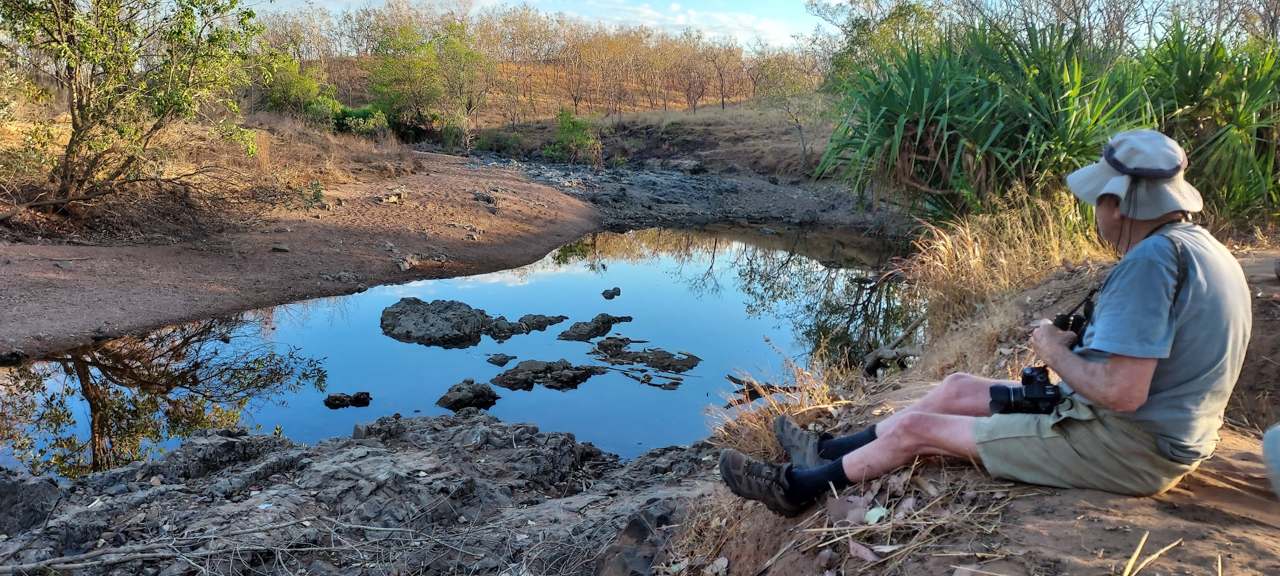
- Habitat Connectivity: Continued protection of the mangrove-savannah interface is vital for the survival of both migratory and resident species.
- Fire Management: Modern conservation efforts must continue to integrate traditional Indigenous burning practices to prevent the catastrophic, high-intensity fires that destroy the undergrowth and vine-forest habitats.
- Tourism and Research: The responsible engagement of observers and researchers in these sensitive areas provides necessary economic incentives for conservation, provided that human-wildlife interactions remain low-impact and data-driven.
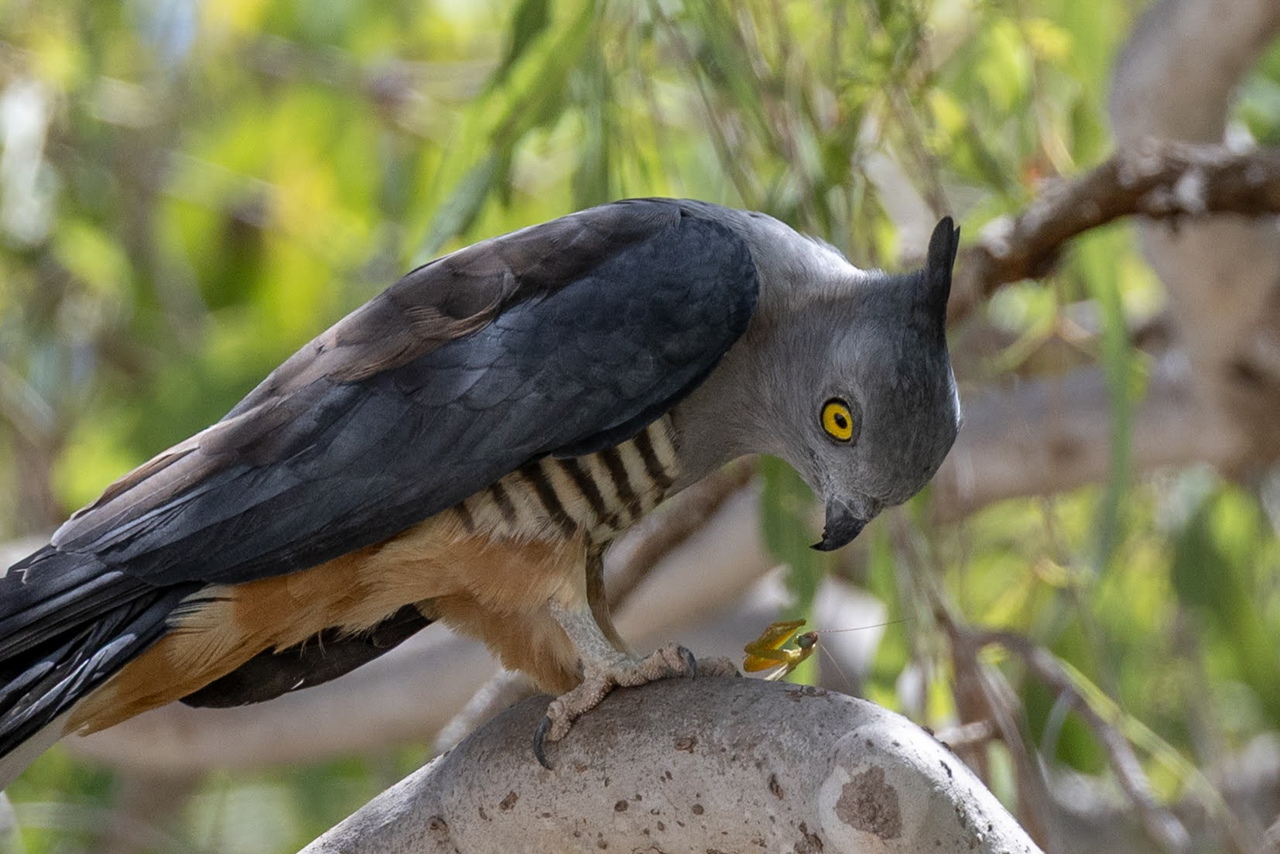
The expedition served as a microcosm of the broader challenges facing the Australian wilderness. While the sheer abundance of life in the Top End remains spectacular, the fragility of these species in the face of landscape-scale environmental changes cannot be ignored. The documentation of the Black-breasted Buzzard, the Pacific Baza, and the myriad of honeyeaters during the trip provides a vital snapshot of current population health, serving as a baseline for future longitudinal studies.
In conclusion, the survey of the Tropical North successfully mapped a wide array of avian life, providing significant insights into the behavioral ecology of Australia’s northern endemics. As the region continues to face the dual pressures of economic development and climatic instability, the role of detailed field surveys becomes increasingly critical. The memories and data collected by the participants stand as a contribution to the ongoing effort to understand and preserve one of the world’s last great wilderness areas. Future expeditions will undoubtedly continue to build upon this foundation, ensuring that the diverse characters of the Top End—avian and otherwise—remain a permanent fixture of the Australian landscape.
