
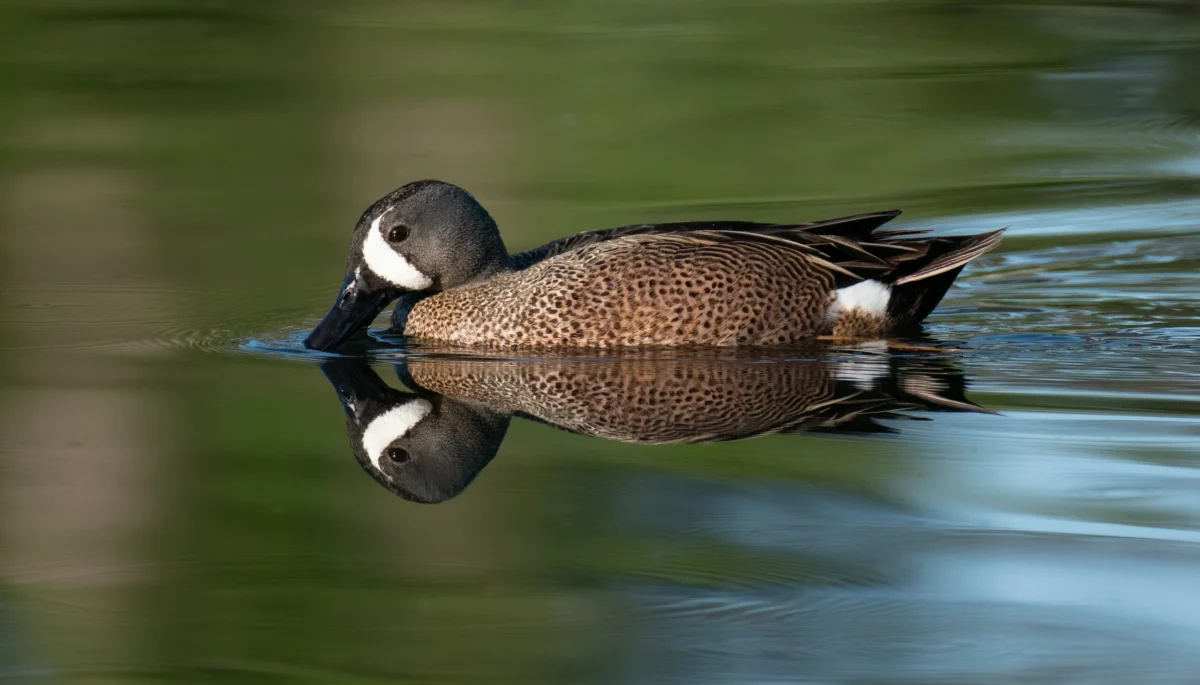
As the northern hemisphere transitions from the warmth of late summer to the crisp onset of autumn, a massive biological movement is underway. Millions of birds are currently navigating the Mississippi Flyway, a vast aerial corridor stretching from the boreal forests of Canada to the coastal marshes of the Gulf of Mexico. This annual migration serves as a stark, high-stakes barometer for the ecological health of the American heartland. On World Migratory Bird Day (WMBD), observed this year on October 10, environmental advocates and ornithologists are calling for urgent attention to the restoration of wetlands and riverine habitats that serve as the essential fuel stations for these long-distance travelers.
The Mississippi Flyway: A Continental Artery
The Mississippi Flyway is arguably the most significant migratory path in North America. It encompasses a massive 1.2-million-square-mile basin, acting as a critical funnel for approximately 60 percent of all North American migratory bird species. For birds such as the Northern Pintail, the Blue-winged Teal, the Prothonotary Warbler, the Northern Parula, and the Wood Thrush, the Mississippi River is not merely a landmark; it is a lifeline.
These species rely on a complex network of backwaters, floodplains, and forested wetlands to rest and replenish energy reserves. However, the integrity of this network has been severely compromised over the last century. Historical records indicate that the river once functioned as a braided mosaic of dynamic channels and islands. Today, that landscape has been significantly simplified by industrialization, agricultural expansion, and extensive civil engineering projects designed to stabilize the river for navigation and flood control.
Chronology of Habitat Degradation and Restoration
The transformation of the Mississippi River basin began in earnest during the 19th and 20th centuries. The implementation of levee systems and dams, while fostering unprecedented economic growth and commercial navigation, inadvertently severed the river from its natural floodplain.
- Pre-1900s: The river functioned as a sprawling, self-correcting ecosystem where annual flood pulses distributed nutrients and created diverse micro-habitats.
- 1930s–1970s: The era of "hard" infrastructure. The construction of the lock-and-dam system and thousands of miles of levees permanently altered the river’s hydrological cycle, leading to the loss of millions of acres of wetlands.
- 1980s–2000s: Recognition of the "degraded state." Scientists began documenting sharp declines in migratory bird populations, correlating these losses directly with the disappearance of stopover habitats.
- 2010s–Present: A shift toward "nature-based solutions." Programs like Audubon’s Mississippi River Water initiative began focusing on reconnecting floodplains to the river, recognizing that a healthy river is a prerequisite for both avian survival and human community resilience.
Supporting Data: The Cost of Habitat Loss
The ecological data associated with the Mississippi River basin is concerning. According to recent surveys, the loss of wetlands has not only impacted biodiversity but has also heightened the vulnerability of human communities. The basin provides water, recreation, and economic security for over 20 million people. When wetlands are removed, the river loses its natural capacity to absorb floodwaters, exacerbating the impacts of extreme weather events—a trend that has become increasingly frequent due to climate change.
For avian populations, the statistics are equally compelling. Migratory birds are "indicator species"; their presence or absence serves as an early warning system for environmental decay. When species like the Prothonotary Warbler experience breeding failures or stopover malnutrition, it signals that the underlying habitat is no longer providing the necessary food—typically aquatic insects and native plant seeds—that the birds require to complete their multi-thousand-mile journeys.
Official Perspectives and Conservation Strategy
Conservation groups, including the National Audubon Society, have framed habitat restoration as a dual-purpose strategy. By restoring wetlands, stakeholders are not only creating a "highway of habitat" for birds but are also investing in the long-term safety of human infrastructure.
"The health of the Mississippi River is inextricably linked to the health of our migratory birds," says a representative from the regional conservation efforts. "When we restore a wetland, we are effectively building a natural buffer that protects cities from flooding, filters agricultural runoff, and provides the essential fuel these birds need to survive. It is a symbiotic relationship where human resilience is bolstered by ecological restoration."
The current strategy involves a move away from rigid engineering toward "reconnection projects." These projects involve breaching old levees in strategic locations to allow the river to flow into historical floodplains during high-water events. This process mimics the natural flood cycle, revitalizing soil health and creating the shallow-water habitats that are most productive for wading birds and waterfowl.
Broader Implications for Global Biodiversity
The implications of the work being done on the Mississippi Flyway extend far beyond the United States. Migratory birds do not recognize national borders. The survival of a Wood Thrush that spends its summer in the northern United States depends on the quality of the habitat it finds in the Mississippi basin, which in turn dictates its ability to successfully migrate to wintering grounds in Central and South America.
Failure to protect these stopover sites creates a "bottleneck" effect. If birds cannot find adequate resources during their transit, their physical condition declines, leading to higher mortality rates during the flight and reduced reproductive success upon reaching their nesting grounds. Consequently, the work occurring along the Mississippi serves as a global template for how regional conservation can address international biodiversity loss.
The Role of Public Awareness
World Migratory Bird Day serves as a vital touchpoint for public engagement. By focusing on the seasonal transition—when the "flyway" comes alive with the movement of millions of wings—the event encourages citizens to view the river not just as a commercial waterway, but as a critical piece of global infrastructure.
Advocates argue that the next decade is crucial. With the intersection of climate change and continued development pressure, the remaining wetlands in the Mississippi basin are under constant threat. Legislative support for conservation funding, such as the Farm Bill and various water resource development acts, remains the primary mechanism for scaling these restoration efforts.
Future Outlook: Building a Resilient Network
As we look toward the future, the vision for the Mississippi River is one of a "connected network." This vision moves beyond isolated nature preserves toward a continuous, functional ecosystem where birds can travel with minimal disruption.
For the millions of people who live along the river, the goal is to integrate these natural areas into the daily landscape. This includes the development of green infrastructure, the preservation of riparian corridors, and the support of sustainable agricultural practices that allow for "flood-friendly" farming.
Ultimately, the lesson of the Mississippi Flyway is one of interconnectedness. The bird flying south over the river in October is a traveler, a pollinator, and a harbinger of environmental change. Its journey is a testament to the endurance of nature, and its survival is a challenge to humanity to manage the earth with the same long-term foresight that these species demonstrate every year. As the autumn migration peaks, the message from the wetlands is clear: the health of the river is the health of the continent, and the time to invest in that health is now. Through collaborative policy, scientific research, and community stewardship, the restoration of the Mississippi River remains one of the most important conservation projects of the 21st century.
