
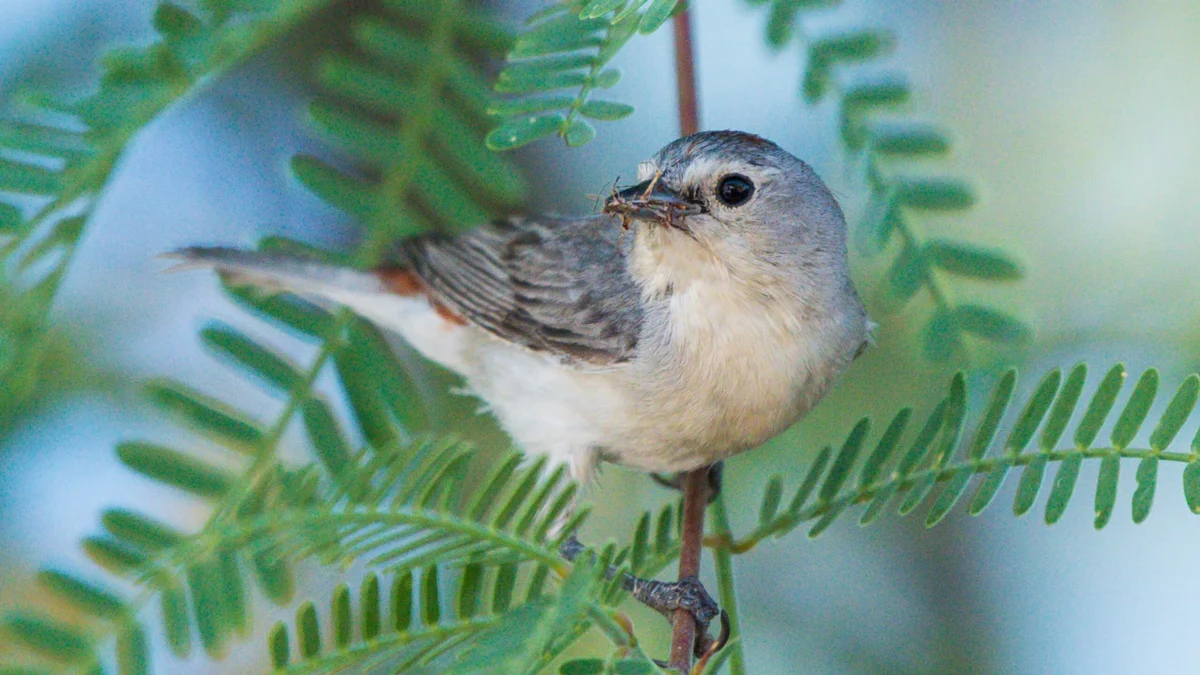
As the sweltering heat of the summer months recedes across the American Southwest, the twelve independent chapters operating under the Audubon Southwest umbrella are transitioning into a high-activity season defined by community science, environmental advocacy, and localized conservation efforts. With the autumn migration cycle underway, these organizations are leveraging increased volunteer participation to conduct surveys, host educational outreach events, and address the ecological challenges facing the unique habitats of New Mexico and Arizona. This period serves as a critical juncture for bird conservation, as local societies transition from summer maintenance to intensive field work and public engagement.
The Middle Rio Grande: A Hub of Community Science
One of the most significant recent accomplishments in the region stems from the Bird Alliance of Central New Mexico, which recently concluded its sixth consecutive year of collaboration with Audubon Southwest. The focus of this partnership remains the Isleta Reach, a vital 48-mile stretch of the Rio Grande located south of Albuquerque. This corridor is essential for regional biodiversity, serving as a migratory stopover and breeding ground for numerous avian species.
The survey project involved 18 dedicated volunteers who meticulously monitored 14 distinct sites along the Middle Rio Grande. The data collection process resulted in the documentation of approximately 120 bird species, providing a robust dataset for researchers tracking long-term population trends in riparian habitats. This data is indispensable for habitat management, particularly in the face of ongoing drought conditions that threaten water levels along the river.
Beyond research, the Bird Alliance of Central New Mexico is pivoting toward public awareness. Festival season, a cornerstone of the regional birding calendar, is currently in full swing. The chapter is prioritizing outreach at events like the Wildlife Zone at the Bosque del Apache National Wildlife Refuge. These interactions are designed to translate scientific findings into public policy support, ensuring that local residents understand the direct connection between healthy river ecosystems and the economic and environmental health of the Albuquerque metro area.
Nocturnal Ecology and Urban Conservation in Arizona
In Arizona, the Maricopa Bird Alliance is challenging traditional birding norms by promoting nocturnal field observation. Recognizing that avian activity does not cease at dusk, the chapter has organized a specialized field trip at the Rio Salado habitat. The initiative invites participants to explore the intersection of riparian, marsh, and mesquite bosque ecosystems after sunset to document owl species and other nocturnal wildlife.
This program serves a dual purpose: educational enrichment and the encouragement of urban land stewardship. The Rio Salado habitat, located near the heart of Phoenix, represents a significant restoration success story. By bringing the public into these spaces during non-traditional hours, the Maricopa Bird Alliance aims to highlight the importance of preserving "dark sky" corridors and quiet zones within urban centers. Because these walks involve traversing unpaved, uneven terrain, the organization emphasizes the necessity of guided participation, underlining the logistical complexities of maintaining safe and effective community science programs in protected urban environments.
The Pinyon Jay: A Case Study in Creative Conservation
The Northern Arizona Audubon Society has adopted an unconventional approach to wildlife advocacy, utilizing a partnership with a local meadery to address the declining status of the Pinyon Jay. For the fourth consecutive year, Flagstaff’s Drinking Horn Meadery has produced "Oh Hey Pinyon Jay," a specialty mead designed to raise awareness about the species’ struggle.
The Pinyon Jay is a species of concern, with populations facing significant pressure from the loss of pinyon-juniper woodlands due to climate change, land conversion, and habitat fragmentation. By printing information regarding the Audubon Pinyon Jay Community Science project on every bottle, the initiative bridges the gap between consumer culture and conservation advocacy.
On August 26, the Northern Arizona Audubon Society hosted a trivia night at the mead hall, drawing 25 participants to discuss the intricacies of Pinyon-Juniper ecology. This event highlights a growing trend among conservation groups: "edutainment." By integrating social gatherings with scientific discourse, chapters are successfully engaging younger demographics and individuals who might not otherwise attend traditional lectures. The mead itself, characterized by juniper notes that evoke the bird’s native habitat, has become a limited-release staple that frequently sells out, proving that conservation messaging can be effectively integrated into local commerce.
Financial Incentives and Competitive Conservation
In Santa Fe, the Sangre de Cristo Audubon Society has introduced a new model for local engagement through the inaugural "Bird-a-thon," held over the summer months. By streamlining the verification process through eBird—a real-time, online checklist program—the chapter was able to host a competitive event that focused on both species count and fundraising.
The outcome of the Bird-a-thon demonstrates a philanthropic shift within local chapters. Rather than retaining proceeds for operational costs, the event winners chose to donate their cash prizes to prominent conservation nonprofits. The first-place prize of $750 was directed to New Mexico Wild, while the second-place prize of $500 was awarded to Rio Grande Return. This structure creates a "multiplier effect" for local conservation, where a competitive birding event directly translates into funding for large-scale habitat restoration and legislative advocacy. The success of this model has prompted organizers to begin planning for the 2027 iteration, with expectations of increased participation and broader regional impact.
Broader Implications for Southwest Ecology
The collective actions of these chapters—ranging from the Rio Grande surveys to the Pinyon Jay advocacy in Arizona—underscore a shift toward highly localized, data-driven, and socially integrated conservation. As the Southwest continues to face the dual threats of aridification and rapid urban expansion, the role of local Audubon chapters has evolved from social clubs to critical nodes in the regional conservation infrastructure.
The implications of these activities are twofold. First, the data gathered by volunteers provides agencies like the U.S. Fish and Wildlife Service and state game departments with granular, on-the-ground information that would be cost-prohibitive to collect through professional scientific teams alone. Second, these chapters serve as the primary conduit for "citizen science" literacy, fostering a culture of environmental stewardship among the general public.
However, the challenges remain substantial. Many of these programs rely on a volunteer base that is aging, and the demand for data is increasing as climate models suggest more frequent extreme weather events in the Southwest. The sustainability of these initiatives will depend on the ability of chapters to attract younger members and maintain the momentum generated by events like the Santa Fe Bird-a-thon or the Flagstaff mead release.
As these chapters move further into the autumn, the focus will likely shift toward winter bird counts and migratory bird protection. With the groundwork laid during the summer months, the organizational infrastructure is primed for a busy season of observation. For residents interested in participating, the Audubon Southwest regional portal remains the primary resource for locating specific chapters and accessing event calendars. Whether through nocturnal owl walks in Phoenix or water-level surveys on the Rio Grande, the message from the region’s Audubon community is clear: the health of the Southwest’s unique avian populations is a collective responsibility that requires both scientific rigor and community enthusiasm.
