
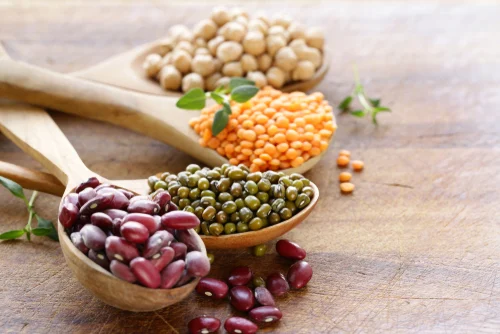
For those managing backyard flocks, understanding the nutritional requirements and dietary restrictions of poultry is paramount to maintaining a healthy and productive environment. Among the various dietary inquiries frequently posed by poultry enthusiasts, the safety of feeding dried beans to chickens stands out as a critical point of concern. The consensus among avian nutritionists and agricultural experts is unequivocal: raw, dried beans present a significant toxicological risk to chickens and should never be included in their feed in an unprocessed state.
The core of this hazard lies in the presence of phytohaemagglutinin, commonly referred to as lectin. This naturally occurring protein serves as a biological defense mechanism for the bean plant, functioning as an insecticide to deter pests. However, when ingested by animals—including domestic poultry—this compound acts as a potent toxin that disrupts the gastrointestinal tract.
The Biological Mechanism of Toxicity
Phytohaemagglutinin is a type of carbohydrate-binding protein that binds to specific sugars on the surface of cell membranes. In the avian digestive system, this binding process can cause severe damage to the lining of the gut, hindering nutrient absorption and inducing acute distress. The clinical presentation of lectin poisoning in chickens is rapid and severe.

Symptoms often include acute gastroenteritis, manifesting as profound vomiting, persistent diarrhea, and lethargy. The dosage required to trigger these symptoms is surprisingly low; agricultural studies have indicated that the ingestion of as few as three to four raw, dried beans can be lethal to a standard-sized chicken. The toxin’s ability to trigger an immune-like response within the gut causes a rapid decline in the bird’s physiological state, often resulting in death before a flock manager can intervene.
Chronology of Safety Standards in Poultry Nutrition
The historical understanding of anti-nutritional factors in legumes has evolved significantly over the last several decades. Early poultry husbandry often relied on trial and error, but the formalization of agricultural science in the 20th century allowed for the systematic identification of these toxins.
In the 1970s and 1980s, increased scrutiny of commercial feed ingredients led to the categorization of lectins as anti-nutritional factors (ANFs). During this period, researchers mapped the susceptibility of various poultry species to these proteins. It was established that while birds possess different metabolic pathways than mammals, the susceptibility to phytohaemagglutinin remains universally high. This established a strict safety standard: raw, dry-matter legumes, particularly those in the Phaseolus vulgaris family (which includes kidney, pinto, and navy beans), must undergo thermal processing before they can be considered safe for animal consumption.
Thermal Processing: The Path to Neutralization
The process of neutralization is centered on the denaturation of the protein structure. Phytohaemagglutinin is heat-labile, meaning that exposure to high temperatures for a sustained duration breaks down the molecular configuration of the toxin, rendering it inert.

For poultry keepers who intend to incorporate beans into a feed rotation, the preparation process must be meticulous:
- Hydration (Soaking): The beans must be soaked in water for several hours. This process initiates the softening of the seed coat and begins the extraction of some water-soluble anti-nutrients.
- Water Disposal: The soaking water must be discarded. It contains residual levels of the leached toxin and should not be reused or fed to other livestock.
- Thorough Rinsing: Fresh water should be used to rinse the beans to ensure that all surface debris and residual lectins are removed.
- Thermal Treatment: The beans must be brought to a full, rolling boil. Mere warming or slow-cooking is insufficient. The internal temperature of the beans must reach a level that ensures the complete destruction of the protein chains.
Once the beans have been thoroughly boiled, they are safe for consumption. After cooling, they can be introduced to the flock as a supplemental treat rather than a primary protein source.
Canned Beans and Sodium Management
A common point of confusion for backyard poultry keepers involves the use of canned beans. From a toxicity standpoint, canned beans are generally safe because they are processed under high heat and pressure during the canning cycle, which effectively neutralizes the phytohaemagglutinin.
However, the primary concern with canned products shifts from toxicity to sodium content. Canned beans are frequently processed with salt as a preservative or flavor enhancer. Poultry have a very low tolerance for excessive sodium, which can lead to kidney damage, dehydration, and a condition known as "wet droppings," where the birds excrete excessive moisture.

If choosing to feed canned beans, keepers are advised to perform a rigorous rinsing process under cold running water to remove as much of the canning brine as possible. Furthermore, these should be viewed as an occasional treat, limited to a small percentage of the bird’s total caloric intake.
Distinctions Between Legume Varieties
It is essential to distinguish between dried beans and other members of the legume family. Not all legumes pose the same risk. Fresh green beans, garden peas, and lima beans do not contain the same concentrated levels of active lectins that dried, mature beans do. These can often be fed to chickens with minimal risk.
However, the distinction is based on the maturity of the seed. Once a bean is allowed to dry, the concentration of protective toxins increases as the plant enters a dormant, storage phase. Therefore, the "no raw, dry bean" rule applies strictly to the mature, dehydrated state of the legume.
Broader Implications for Flock Management
The inclusion of non-traditional feed items in a chicken’s diet is a common practice among hobbyists who seek to reduce waste. While this can be a sustainable practice, it requires a high degree of vigilance regarding the chemical composition of the waste stream.

The potential for poisoning highlights a broader concern in poultry management: the risk of accidental exposure to common household items. As the backyard chicken movement continues to grow globally, the dissemination of accurate, science-based nutritional information becomes vital. The risk of mortality from just a few beans underscores that even seemingly innocuous kitchen scraps can have fatal consequences if they are not properly vetted against established biological safety guidelines.
Conclusion and Recommendations
The evidence regarding raw, dried beans is consistent across veterinary and agricultural research: they are inherently toxic to chickens due to the presence of phytohaemagglutinin. While thermal processing provides a pathway for safe consumption, the margin for error is slim. For the average backyard flock manager, the safest approach is to avoid feeding dried, raw beans entirely.
If a keeper chooses to process beans, the boiling method must be performed with total compliance to safety standards. When in doubt, it is always preferable to rely on formulated, commercial layer feed which is balanced to provide all necessary nutrients without the risks associated with raw, unprocessed garden or kitchen waste. By adhering to these guidelines, flock owners can prevent avoidable mortality and ensure the long-term health and welfare of their birds. Maintaining a diet free of raw, potentially toxic legumes is a fundamental tenet of responsible poultry stewardship.
