
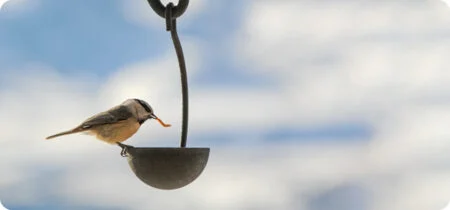
The intersection of holiday gift-giving and backyard wildlife conservation has yielded unconventional recommendations for Mother’s Day, with wildlife experts proposing that the traditional bouquet of flowers be paired with, or substituted by, provisions designed to attract insects and songbirds. Published by Wild Birds Unlimited (WBU) Inc., the seasonal guidance suggests that outfitting a backyard with native flora and specialized bird food formulations containing mealworms offers a sustainable, nature-focused alternative to conventional retail gifts. While the concept of gifting insects may initially appear counterintuitive, ornithological and horticultural specialists argue that the strategy aligns directly with the peak spring biological activity of North American bird populations.
The timing of Mother’s Day in May coincides precisely with the height of the avian nesting season across much of the continent. During this critical window, virtually all songbird species shift their dietary requirements, moving away from seeds to feed their nestlings protein-rich insects for several consecutive weeks. According to avian biologists, the availability of a robust insect population within a given habitat directly correlates with nesting success rates, juvenile survival, and the overall diversity of bird species visiting residential properties. Furthermore, May marks the peak of the vernal songbird migration. Millions of Neotropical migratory birds—including warblers, vireos, thrushes, and tanagers—travel thousands of miles northward, requiring dense caloric intake and fats derived primarily from insects to sustain their journeys.
To bridge the gap between consumer gift-giving and ecological support, environmental specialists recommend a two-pronged approach centered on native landscaping and supplemental feeding. The first element involves moving away from cut flowers, which typically wilt within days, and instead investing in perennial native plants. Horticultural studies consistently demonstrate that native flora share an evolutionary history with local insect populations, serving as essential host plants and food sources for butterflies, moths, beetles, and native bees. By cultivating these plants in garden beds or patio containers, homeowners establish a self-sustaining ecosystem that naturally draws insect-eating birds to the property throughout the entire spring and summer seasons.

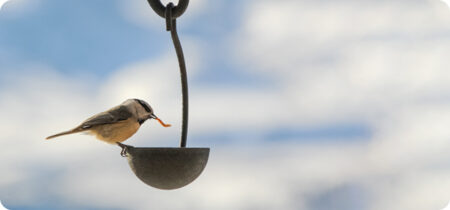
The second component of the strategy involves the intentional supplementation of backyard feeders with high-protein insect products, most notably mealworms. Because natural insect populations can fluctuate due to weather patterns, pesticide usage, and urban development, providing readily accessible mealworms helps support parent birds during the energy-intensive brooding phase. Commercial suppliers have responded to this ecological demand by developing specialized formulations. For instance, product lines such as WBU Nesting SuperBlend® integrate dried mealworms into loose seed blends and specialized seed cylinders designed specifically for the spring breeding season. Similarly, offerings like the Bug, Nut & Berry Cylinder™ and live mealworm packages are engineered to cater to the distinct foraging preferences of insectivorous songbirds.
The broader implications of integrating wildlife gardening into residential landscapes extend far beyond individual consumer satisfaction, touching upon urban ecology and biodiversity conservation. Environmental scientists note that residential yards comprise millions of acres of contiguous land, particularly in suburban and peri-urban corridors. When individual homeowners deliberately cultivate native plants and manage their properties to support local food webs, these residential plots can function as vital stepping-stone habitats for migrating and resident wildlife. This grassroots conservation model has gained traction among municipal planners and environmental organizations seeking to mitigate habitat fragmentation caused by urban sprawl.
Industry analysts observe that consumer trends increasingly favor experiential and eco-friendly gifts over traditional mass-market merchandise. The backyard bird feeding industry, which represents a multi-million-dollar sector in North America, has experienced steady growth as consumers seek deeper connections with nature. Wild Birds Unlimited, which operates a franchise network of over 350 specialty stores throughout the United States and Canada, points to educational outreach and specialized feeding products as primary drivers of this engagement. Through initiatives like the "Nature Centered" podcast and localized educational events, the organization and similar entities emphasize that backyard wildlife management provides measurable mental health benefits for humans while simultaneously supporting declining migratory bird populations.
As consumer awareness regarding ecological health continues to evolve, the conventional parameters of holiday gift-giving are undergoing a subtle transformation. Recommendations to support backyard biodiversity for Mother’s Day reflect a broader cultural shift toward sustainability and conservation-minded living. Whether implemented through the cultivation of native perennial gardens or the strategic placement of high-protein bird food, these practices demonstrate that consumer choices can directly influence local environmental health, transforming ordinary residential spaces into thriving sanctuaries for native wildlife.
