
As the winter holiday season approaches, millions of households across North America find themselves navigating the annual rush of commercialism, gift-buying anxiety, and the pursuit of meaningful ways to connect with loved ones. Amidst the traditional landscape of retail electronics, apparel, and seasonal gadgets, a growing segment of consumers is turning toward nature-based hobbies to foster enduring connections. Industry experts and specialty retailers, such as Wild Birds Unlimited (WBU), report a notable shift in holiday consumer behavior, with an increasing emphasis on experiential gifts that promote environmental appreciation, wildlife conservation, and mental well-being. This trend highlights a broader cultural movement toward sustainable, long-lasting gifting that extends far beyond the traditional holiday window, bringing sustained ecological and personal benefits well into the new year.
The Modern Shift Toward Nature-Based Gifting
The commercial phenomenon of holiday gift-giving has historically been dominated by short-lived consumer goods. However, market analysts note a steady rise in experiential and hobby-based gifting over the past decade. Bird feeding, in particular, has emerged as a dominant outdoor pastime, captivating tens of millions of participants across the United States and Canada. According to wildlife and conservation groups, backyard bird feeding is not only one of North America’s most popular hobbies but also a vital channel for connecting urban and suburban populations with local ecosystems.
Retailers specializing in nature hobbies have observed that consumers are increasingly intentional about their purchasing decisions. Rather than buying items that quickly lose their novelty, holiday shoppers are investing in products that encourage daily interaction with the natural world. This transition is heavily supported by environmental psychologists, who emphasize that observing wildlife reduces stress, lowers blood pressure, and fosters a deeper psychological connection to the environment. By introducing friends and family to backyard birding, gift-givers are essentially offering a sustainable source of daily recreation and mental relaxation.
Curated Gift Recommendations for the Holiday Season
To combat the perennial challenge of last-minute holiday shopping panic, avian experts and retail specialists have curated specific product categories designed to maximize both aesthetic appeal and practical utility for backyard wildlife. These recommendations focus on ease of use, durability, and the ability to attract a diverse array of local and migratory bird species during the colder winter months.
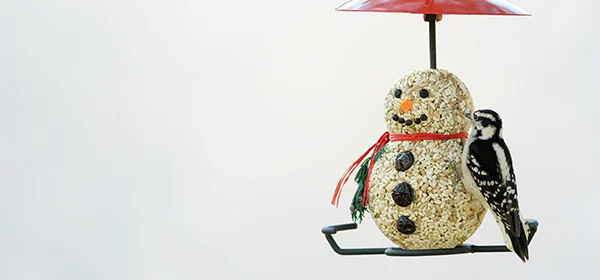
Among the top seasonal recommendations is the integration of specialty seed cylinders, which offer a cleaner, longer-lasting alternative to traditional loose birdseed. Products such as holiday-themed seed formations—including festive snowman designs paired with specialized red cylinder feeders—serve a dual purpose. They add a whimsical, seasonal decorative touch to winter gardens while simultaneously providing a high-energy nutritional source for overwintering birds. Avian nutritionists point out that winter is a critical period for birds, as natural foraging resources become scarce due to snow cover and freezing temperatures. Providing high-fat, nutrient-dense foods like sunflower chips, peanuts, safflower, and pecans can significantly improve avian survival rates during harsh weather conditions.

Furthermore, industry experts emphasize the importance of feeder versatility. Multi-use cylinder feeders, which accommodate everything from seed blends and suet blocks to fresh fruit and mealworms, represent a significant advancement in backyard wildlife management. These versatile systems are engineered to target a wide spectrum of bird species, ranging from finches and jays to woodpeckers and robins, ensuring that gift recipients enjoy a dynamic and diverse display of wildlife activity outside their windows throughout the entire year.
The Economic and Ecological Impact of Backyard Birding
The popularity of backyard bird feeding translates into a substantial economic footprint within the agricultural, retail, and conservation sectors. The multi-billion-dollar wild bird feeding industry supports thousands of specialty retail outlets, domestic seed producers, and manufacturing plants across North America. Franchise systems such as Wild Birds Unlimited, which operates over 350 franchise locations throughout the United States and Canada, play a pivotal role in driving this market by combining retail commerce with consumer education.
Beyond the economic implications, the collective impact of millions of backyard feeders on local bird populations is a subject of ongoing scientific study. Ornithologists and researchers from organizations like the Cornell Lab of Ornithology utilize data gathered from backyard bird watchers—through citizen science initiatives like Project FeederWatch—to monitor population trends, track avian diseases, and understand migration patterns. When individuals take up bird feeding as a hobby, they frequently transition from casual observers to active participants in conservation science, contributing valuable observational data that informs professional wildlife management and habitat preservation policies.

Expert Perspectives and Educational Outreach
Industry leaders emphasize that the true value of gifting a backyard bird setup lies in the educational journey it initiates. Educational outreach has become a core component of modern specialty retail, moving beyond simple transactions to provide consumers with comprehensive knowledge regarding avian health, habitat creation, and seasonal feeding strategies.
As part of this ongoing educational mission, industry authorities frequently utilize digital media platforms, such as specialized podcasts and webinars, to guide both novice and experienced bird enthusiasts. Programs like the Nature Centered podcast, hosted by industry experts, delve into the nuances of attracting specific bird species, selecting appropriate foods, and maintaining clean, safe feeding environments. These resources underscore the philosophy that feeding birds is not merely a passive winter hobby, but an active, year-round commitment to local biodiversity and environmental stewardship.
Broader Implications and Future Outlook

The sustained growth of backyard birding reflects a fundamental shift in how society values leisure time and environmental interaction. As urban development continues to expand and natural habitats face increasing pressures, private backyards are transforming into crucial ecological refuges. Providing structured feeding stations allows homeowners to play an active, localized role in supporting wildlife populations that might otherwise struggle in fragmented landscapes.
Looking ahead, market forecasters predict continued expansion within the nature hobby sector. As younger generations adopt sustainable lifestyles and seek out low-impact, grounding recreational activities, the appeal of backyard birding is expected to broaden even further. By choosing gifts that bridge the gap between human enjoyment and environmental support, holiday shoppers are participating in a larger cultural movement that prioritizes ecological mindfulness, community science, and the enduring beauty of the natural world.
