

A groundbreaking report, commissioned by the World Wide Fund for Nature (WWF) and drawing on evidence from over 30 countries across six continents, has unequivocally demonstrated the multifaceted benefits of restoring rivers and wetlands. The comprehensive study, titled Societal benefits of large-scale river and wetland restoration, synthesizes a wealth of case studies to highlight not only the environmental imperative but also the significant fiscal advantages of these critical ecosystem interventions. Experts are now issuing an urgent call for a substantial increase in funding for river and wetland restoration efforts, urging governments and corporations to champion the Freshwater Challenge to accelerate global action.
A Comprehensive Assessment of Freshwater Ecosystem Restoration
The report, a collaborative effort involving extensive research and data collection, serves as a vital resource for policymakers and business leaders. It underscores the critical role that restored rivers and wetlands can play as natural solutions for both climate adaptation and sustainable development. The findings illuminate a wide array of positive impacts that extend far beyond environmental conservation, touching upon human well-being, economic stability, and societal resilience.
Christine Colvin, Global Policy Lead at WWF, emphasized the direct return on investment in restoration projects. "Investment into restoration efforts provide greater access to clean water, more sustainable food systems, and greater climate resilience against natural disasters," Colvin stated. "As water becomes a scarcer resource in the face of increasing demand from agriculture and more erratic supplies in the teeth of the climate crisis, investment in restoration is urgently needed for our future water security."
Understanding the Mechanisms of Restoration
The report delves into various practical approaches to river and wetland restoration. These methods include re-establishing natural water flow regimes, mitigating pollution from agricultural runoff, undertaking reforestation initiatives along riverbanks, and reconnecting fragmented rivers with their natural floodplains. These interventions are designed to reverse decades of degradation and re-establish the ecological integrity of these vital landscapes.
Accompanying the main report is a joint briefing paper, developed by WWF in collaboration with Conservation International, the International Union for Conservation of Nature (IUCN), and Wetlands International. This document further elaborates on the tangible benefits of restoration, providing a cohesive and evidence-based argument for increased action.
Coenraad Krijger, CEO of Wetlands International, highlighted the central role of freshwater ecosystems in addressing global challenges. "Restoring degraded rivers, lakes and other freshwater wetlands is central to tackling the greatest challenges of our era: water and food security, nature loss, climate change and sustainable development," Krijger remarked. "This report shows that restoration works and that it benefits societies and economies. It’s time for governments and businesses to prioritise our freshwater life support systems and drastically increase investment to accelerate wetland action."
Global Freshwater Ecosystems Under Threat: A Stark Reality
The urgency for restoration is underscored by the alarming rate at which the world’s wetlands are disappearing. Since 1970, approximately one-third of the planet’s healthy wetlands have been lost. This environmental catastrophe is mirrored by an 85% decline in freshwater wildlife populations, a decline that surpasses that of any other habitat type. This drastic reduction in biodiversity is a direct consequence of a multitude of human-induced pressures.
These pressures include the over-extraction of water for agricultural and industrial use, the fragmentation of river systems by dams and other infrastructure projects that disrupt natural water flow, widespread land-use change driven by urbanization and development, pervasive pollution from industrial discharge and agricultural chemicals, the proliferation of invasive aquatic species, unsustainable harvesting of natural resources, and the overarching impacts of the climate crisis, which exacerbates extreme weather events and alters hydrological cycles.
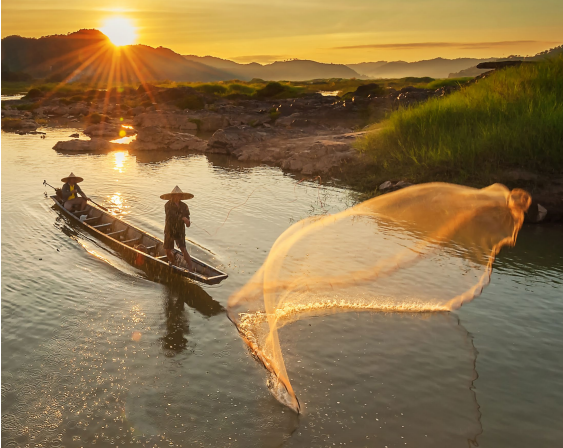
The consequences of this wetland degradation extend far beyond the loss of wildlife. They pose material risks to human well-being, jeopardizing access to clean water, undermining food security, and destabilizing economic development. Furthermore, the decline of these vital ecosystems has significant implications for international water security, particularly in regions heavily reliant on shared river basins.
Dave Tickner, Chief Advisor for Freshwater at WWF-UK, emphasized the direct link between healthy freshwater ecosystems and human prosperity. "Most of the world’s population lives near rivers or wetlands. And to benefit people, nature and economies those rivers and wetlands must be healthy," Tickner stated. "While we have seen a steady rise in global freshwater restoration, what is needed now is for governments and businesses to accelerate these efforts. The Freshwater Challenge provides a perfect opportunity for this, and this opportunity must be taken."
The Freshwater Challenge: A Global Imperative for Action
In response to the mounting evidence and the critical need for intervention, experts are advocating for a substantial increase in investment in river and wetland restoration. A key initiative driving this agenda is the Freshwater Challenge, an ambitious undertaking supported by 54 countries. The Challenge aims to restore 300,000 kilometers of degraded rivers and 350 million hectares of degraded wetlands by the year 2030.
This global commitment seeks to substantiate, elevate, and accelerate targeted interventions for rivers, lakes, and other inland wetlands. Crucially, it emphasizes the integration of these restoration efforts with national development plans and strategies, ensuring that freshwater ecosystem health is recognized as a fundamental pillar of sustainable development and climate resilience.
Supporting Data and Economic Justification
The Societal benefits of large-scale river and wetland restoration report provides a robust dataset that quantifies the economic advantages of investing in freshwater ecosystem health. While specific figures are detailed within the report, the overarching conclusion is that the return on investment in restoration far outweighs the costs. For instance, improved water quality resulting from wetland restoration can significantly reduce the expenses associated with water treatment for human consumption and industrial use.
Flood risk reduction, another key benefit, translates into lower costs for disaster preparedness, response, and rebuilding efforts. Wetlands act as natural sponges, absorbing excess water during heavy rainfall and mitigating the impact of floods on communities and infrastructure. The economic value of these flood control services is substantial and often underestimated.
Furthermore, healthy wetlands are crucial for maintaining sustainable fisheries and agricultural productivity. They act as nurseries for many fish species and provide essential water resources for irrigation. By supporting these sectors, restoration contributes directly to food security and the livelihoods of millions of people.
The role of wetlands in carbon storage is also gaining increasing recognition. Peatlands, a type of wetland, are among the most effective carbon sinks on the planet, storing vast amounts of carbon that, if released, would significantly exacerbate climate change. Restoring and protecting these carbon-rich ecosystems is therefore a vital climate mitigation strategy.
A Timeline of Growing Awareness and Action
The recognition of the importance of wetlands and rivers has evolved over decades, with key milestones shaping current conservation efforts. The Ramsar Convention on Wetlands, adopted in 1971, was one of the first global treaties dedicated to the conservation and wise use of wetlands. Its establishment marked a significant shift in international environmental policy, acknowledging the ecological and economic importance of these ecosystems.

The subsequent decades have seen a growing body of scientific research highlighting the degradation of freshwater systems and the dire consequences for biodiversity and human well-being. This research has informed policy decisions and spurred the development of various conservation and restoration initiatives at local, national, and international levels.
The Freshwater Challenge, launched more recently, represents a concerted effort to consolidate and accelerate these actions. Its ambitious targets reflect a growing understanding that isolated projects are insufficient and that a large-scale, coordinated approach is necessary to reverse the current trajectory of freshwater ecosystem decline. The report commissioned by WWF serves as a crucial scientific underpinning for this accelerated action, providing the evidence needed to justify and guide significant investment.
Official Responses and International Commitments
The release of the report has garnered attention from various international bodies and national governments. Many countries that are signatories to the Freshwater Challenge have expressed their commitment to scaling up their restoration efforts. These commitments often involve allocating dedicated funding, developing national wetland action plans, and integrating wetland conservation into broader environmental and development strategies.
International organizations like the UN Environment Programme (UNEP) and the Food and Agriculture Organization of the United Nations (FAO) have also acknowledged the significance of the report’s findings. These bodies often play a role in facilitating international cooperation, providing technical assistance, and mobilizing financial resources for conservation and restoration projects.
The private sector is also increasingly being called upon to play a more active role. Corporations, particularly those whose operations have an impact on water resources or land use, are being encouraged to invest in nature-based solutions, including river and wetland restoration, as part of their sustainability strategies and corporate social responsibility initiatives. The report aims to provide them with the business case for such investments, demonstrating that environmental stewardship can also lead to economic benefits and reduced operational risks.
Broader Impact and Implications for the Future
The implications of widespread river and wetland restoration are profound and far-reaching. Beyond the direct environmental benefits, successful restoration efforts can lead to:
- Enhanced Water Security: By improving water quality and regulating water flows, restoration contributes to a more reliable and accessible supply of fresh water for human consumption, agriculture, and industry, particularly crucial in a world facing increasing water scarcity.
- Climate Resilience: Healthy wetlands and river systems are natural defenses against the impacts of climate change. They help to mitigate floods, combat drought, and sequester carbon, contributing to both adaptation and mitigation efforts.
- Economic Opportunities: Restoration projects can create jobs in areas such as ecological monitoring, construction, and sustainable land management. Furthermore, the revitalized ecosystems can support ecotourism and other nature-based economic activities.
- Biodiversity Recovery: The report’s findings clearly indicate that investing in freshwater ecosystems is essential for reversing the global biodiversity crisis. Restored habitats provide essential living space and resources for a vast array of species.
- Improved Public Health: Access to clean water and a healthier environment directly contributes to improved public health outcomes, reducing the incidence of waterborne diseases and enhancing overall well-being.
The call for increased funding and support for the Freshwater Challenge is not merely an environmental plea; it is an economic and social imperative. The comprehensive evidence presented in the WWF-commissioned report provides a clear roadmap and a compelling justification for prioritizing the restoration of our planet’s vital rivers and wetlands. The time for decisive action, as highlighted by the experts, is now, to safeguard these essential life support systems for current and future generations.
